

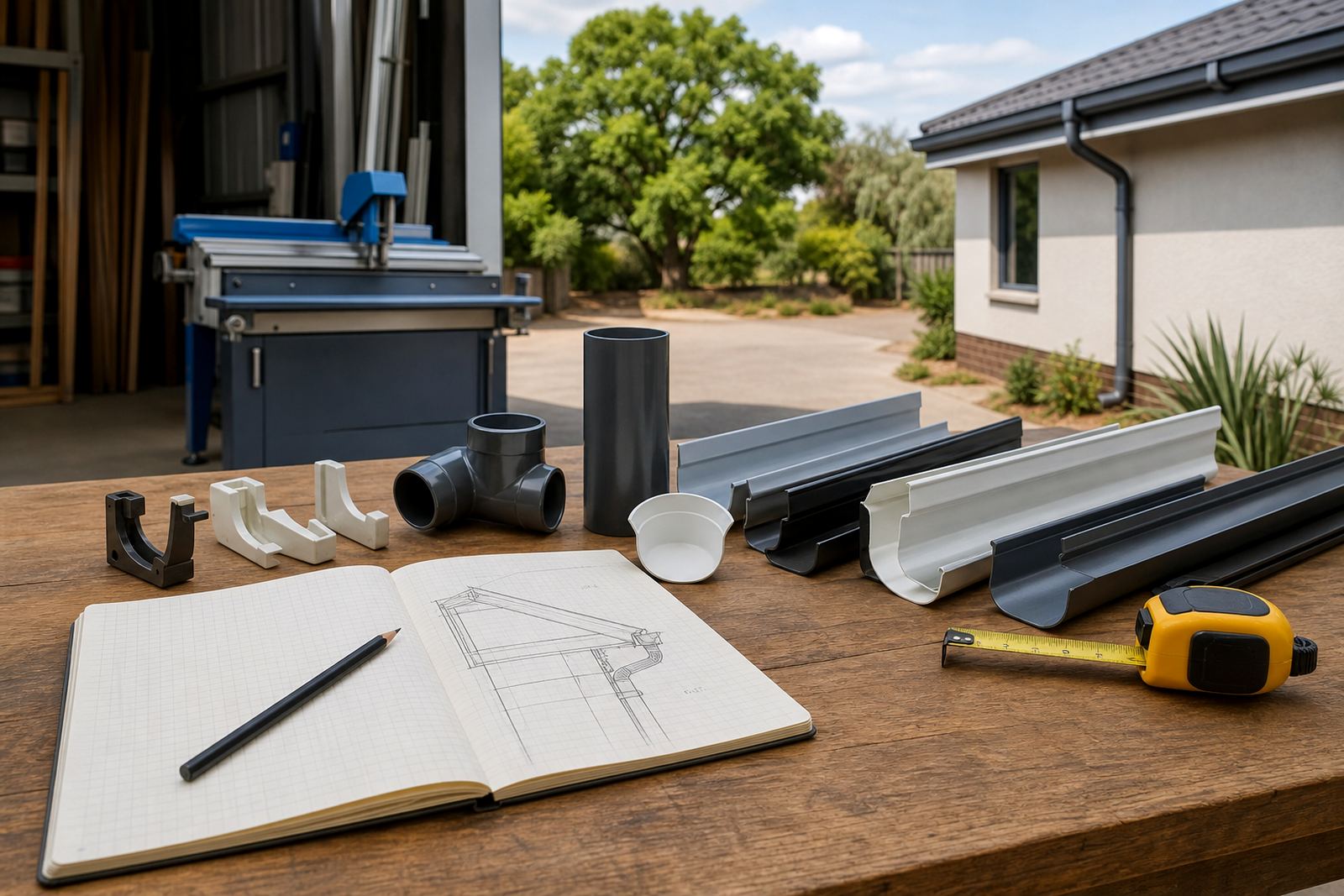
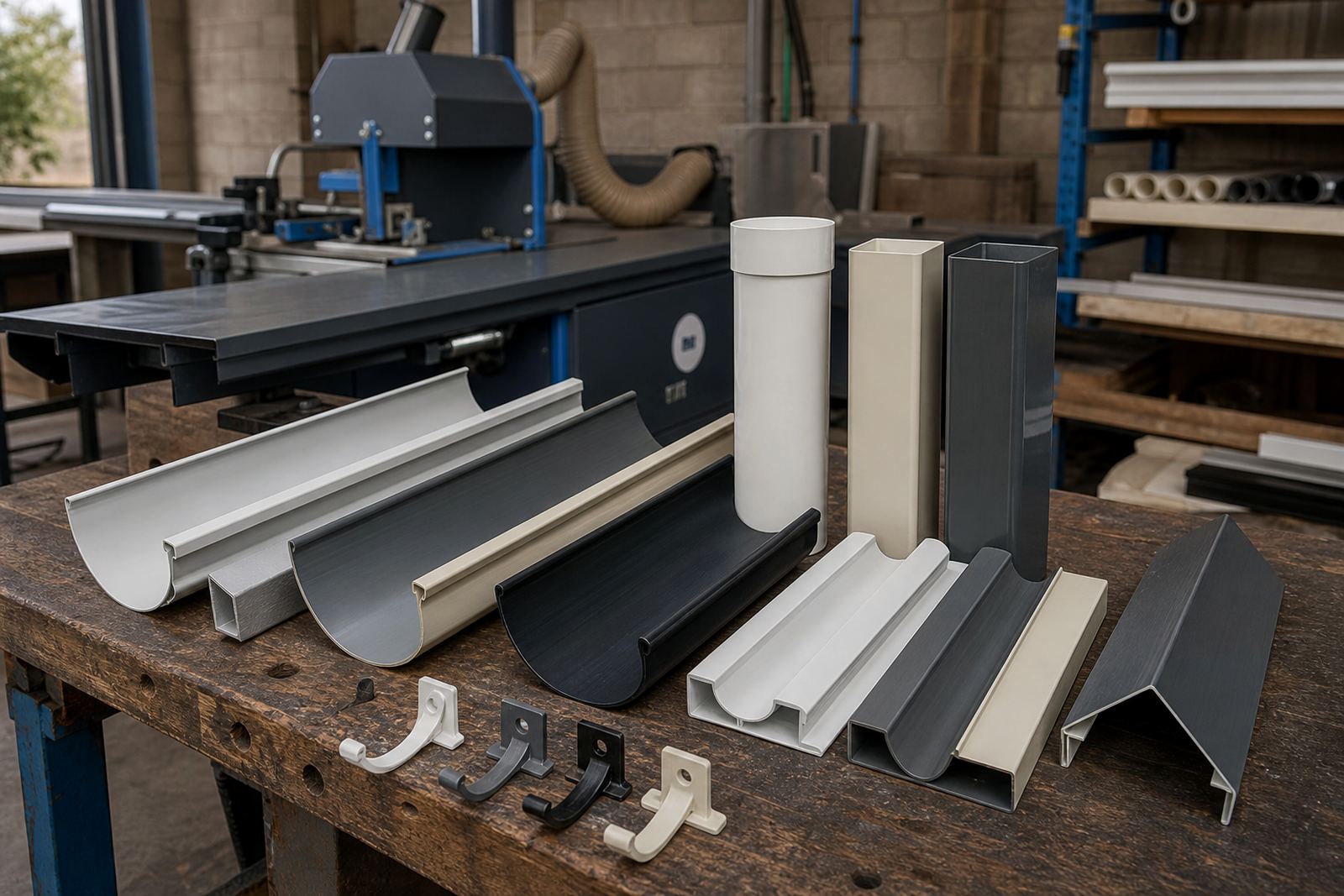
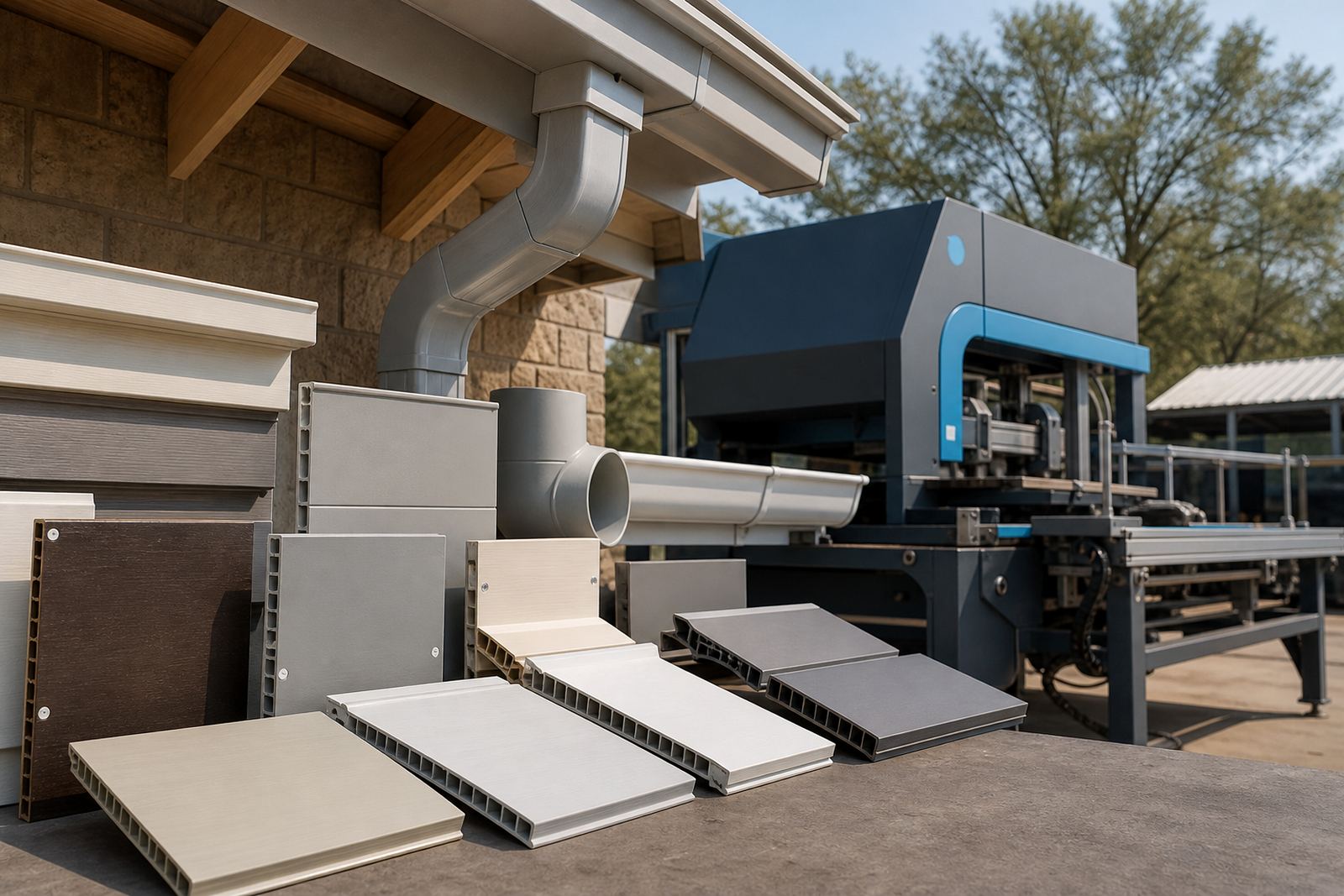
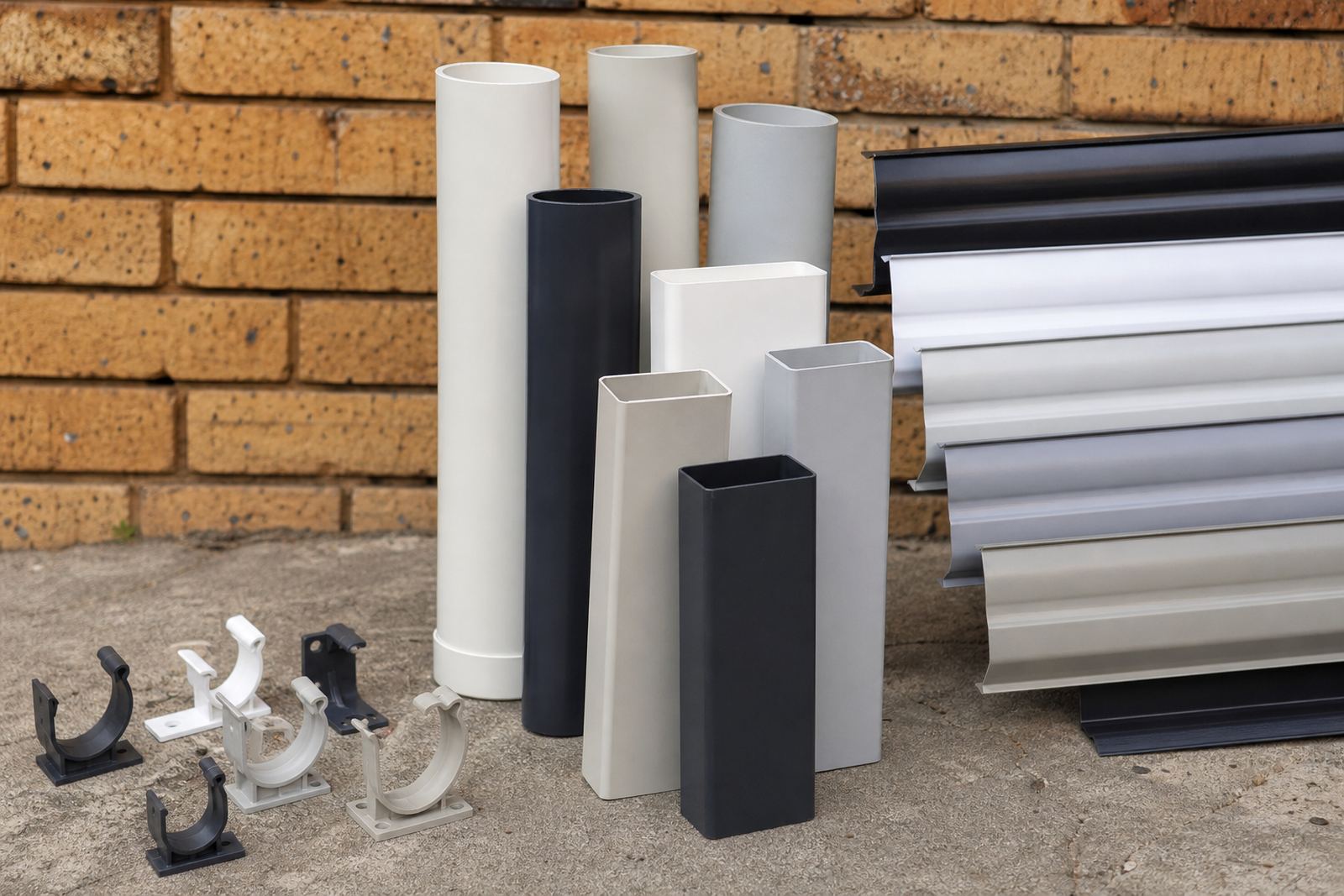


Roofline parts and how they work together
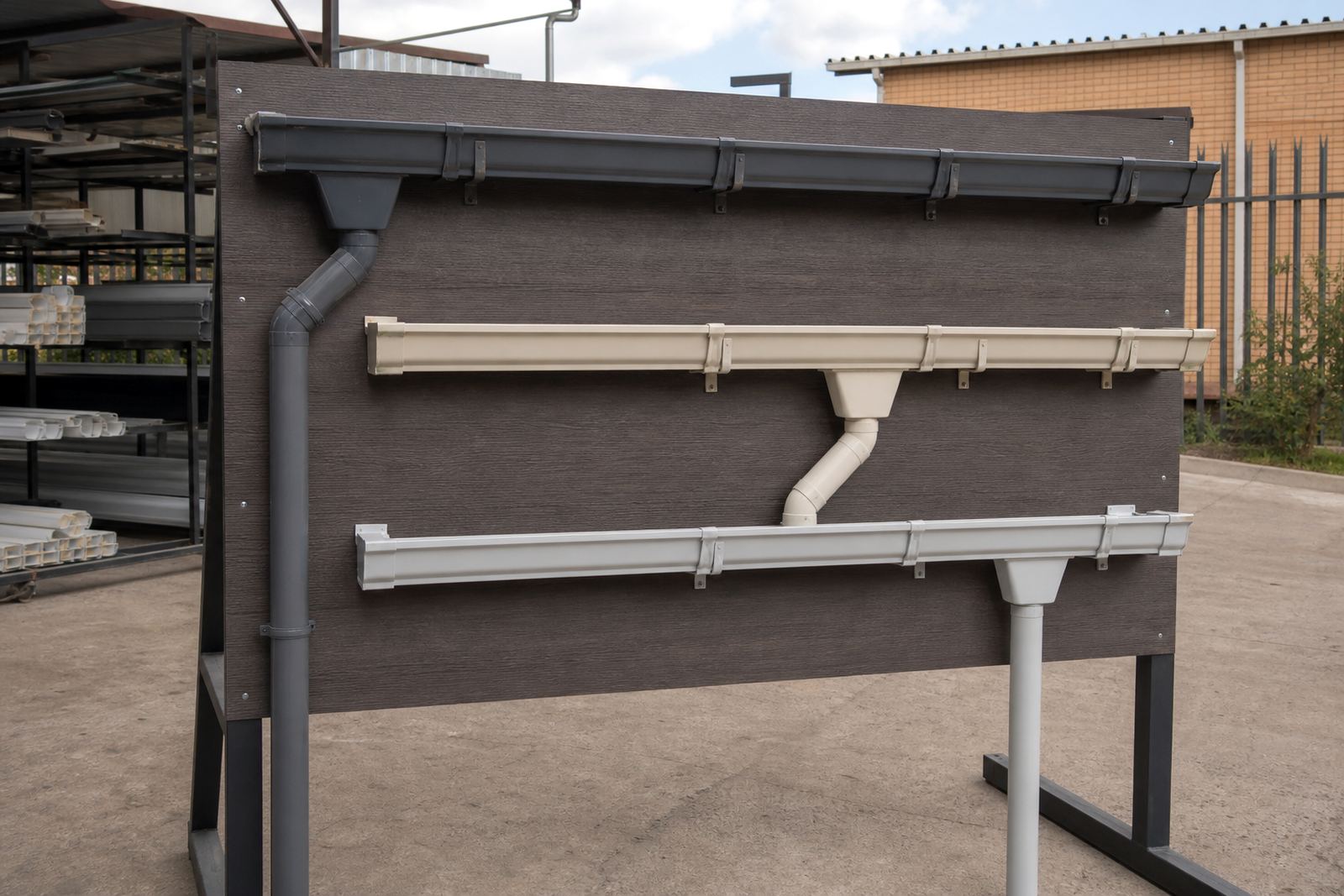
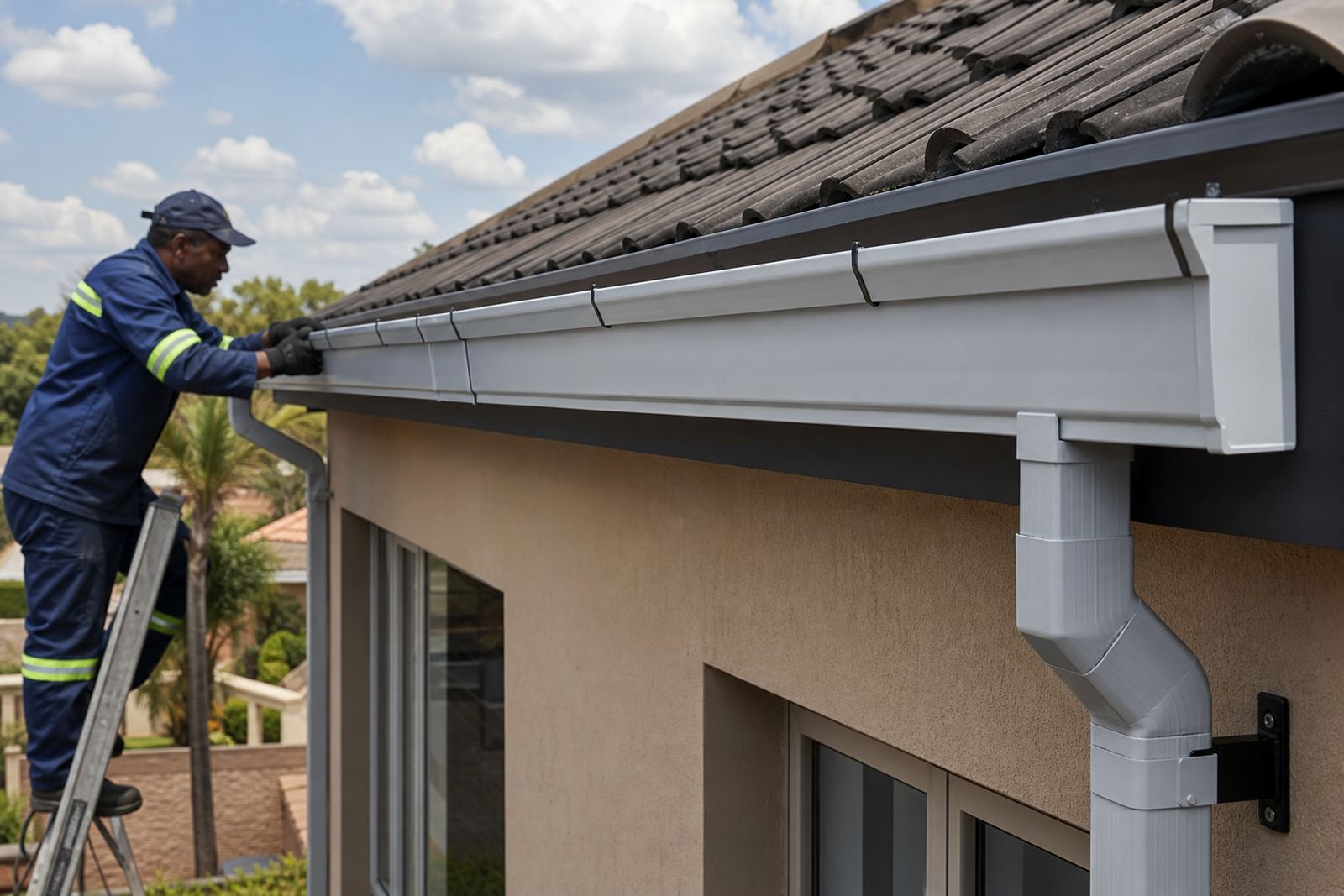
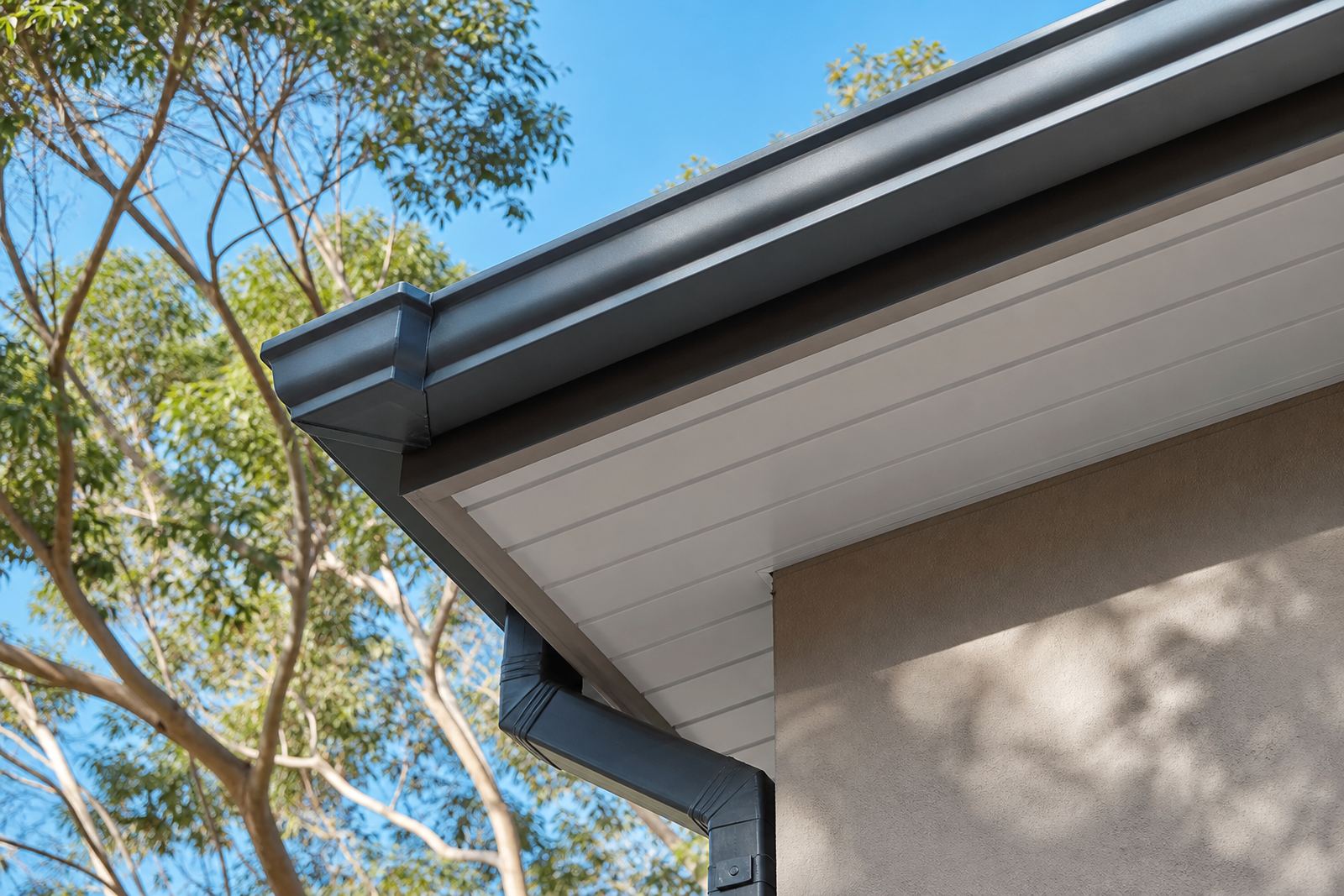
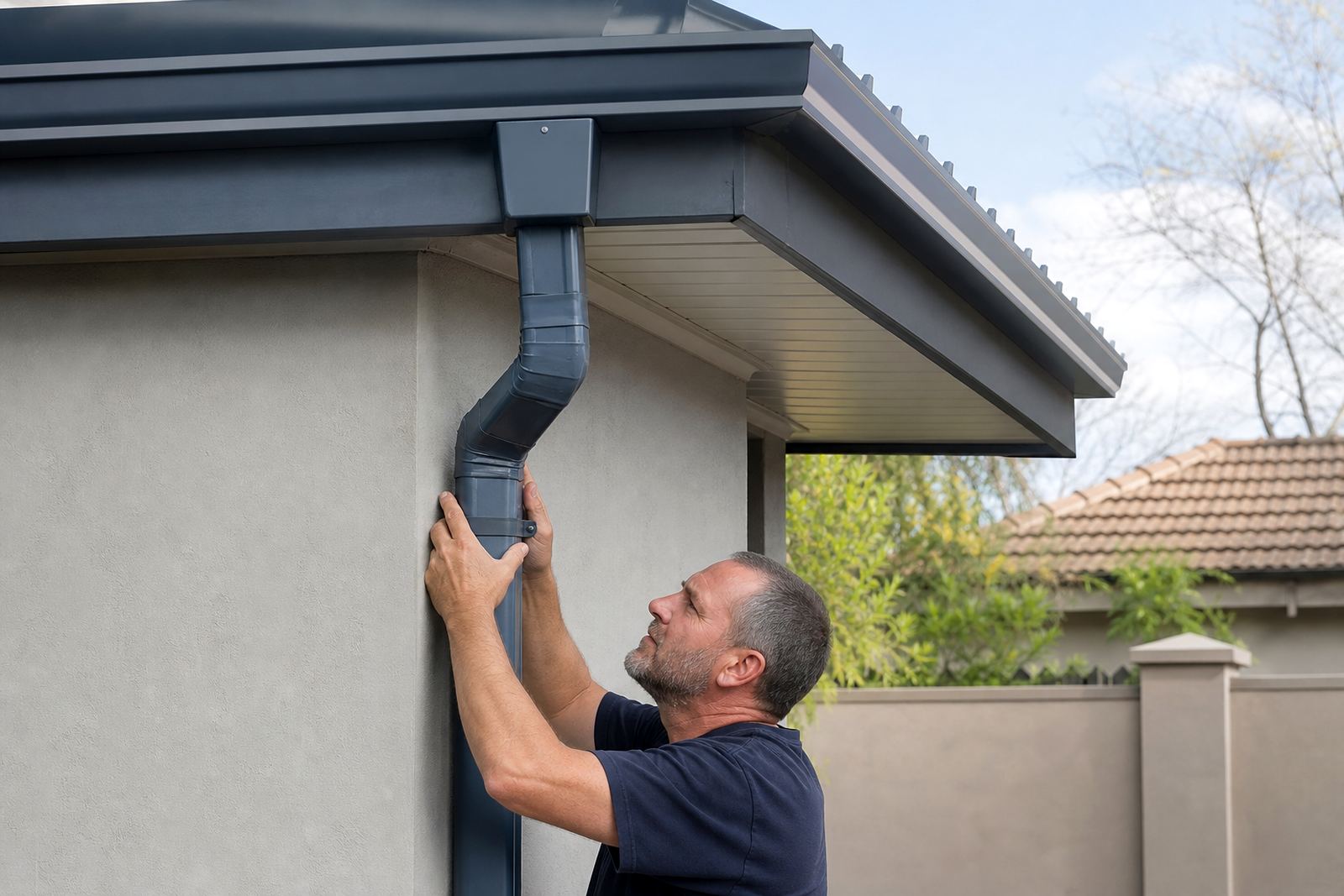
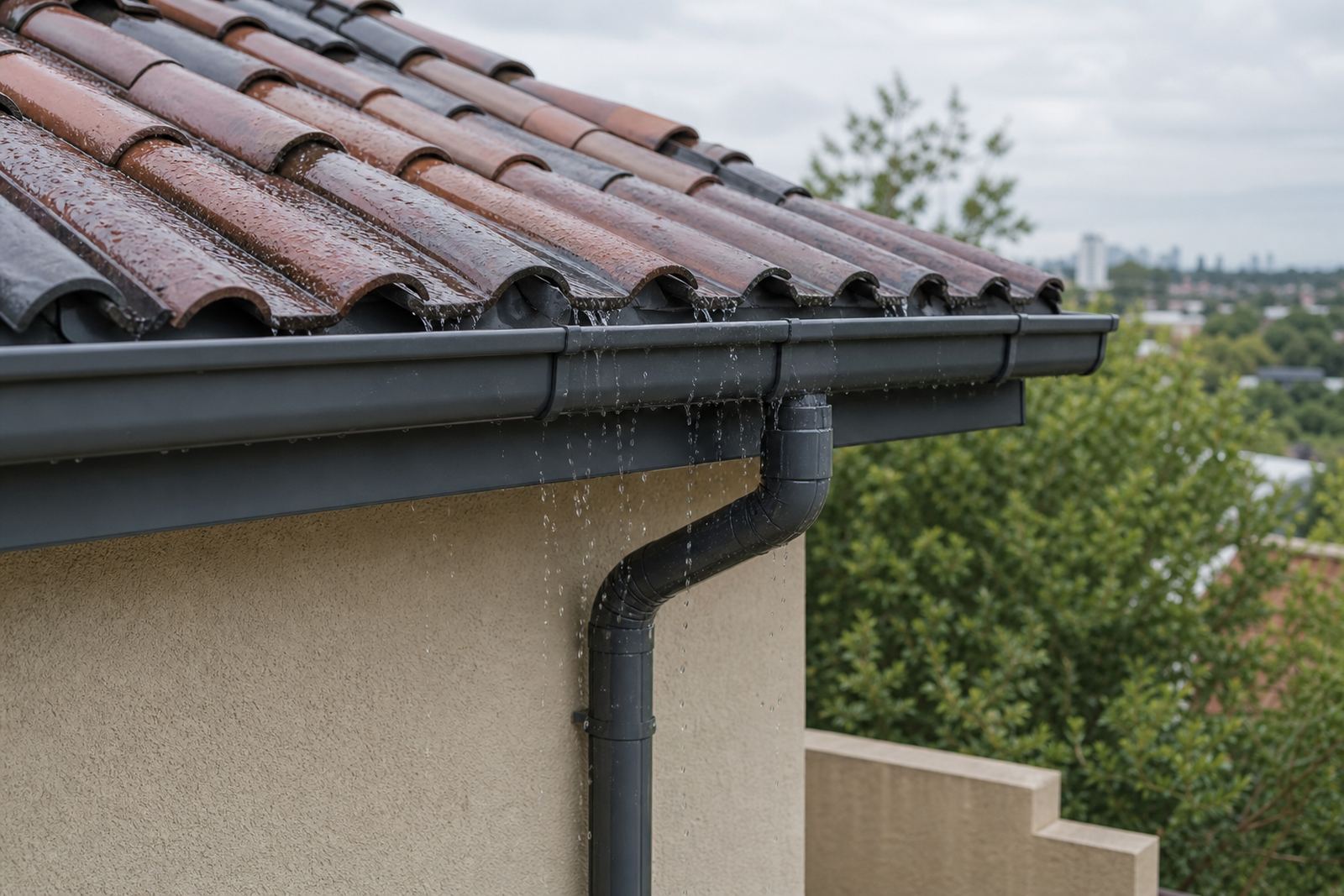
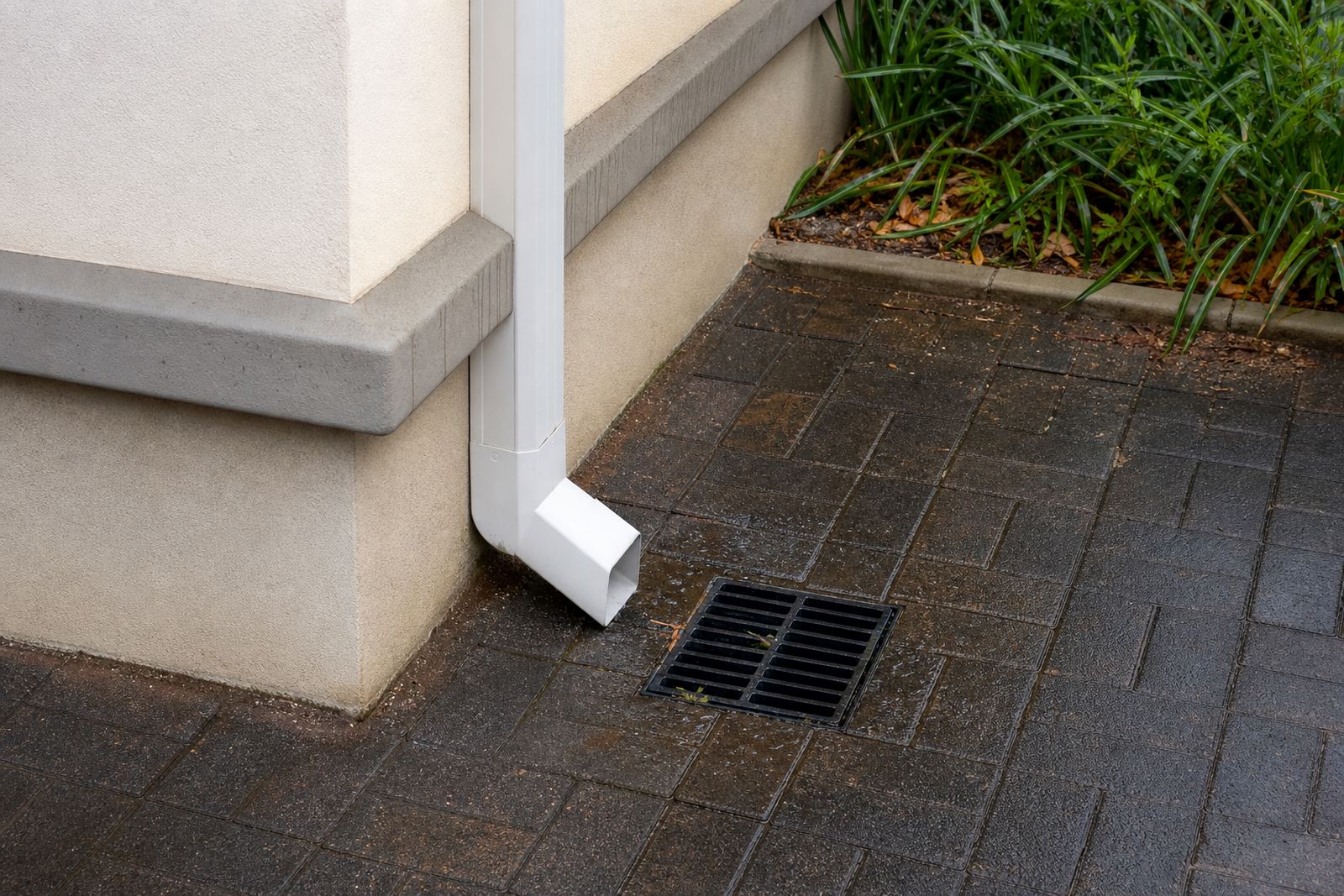
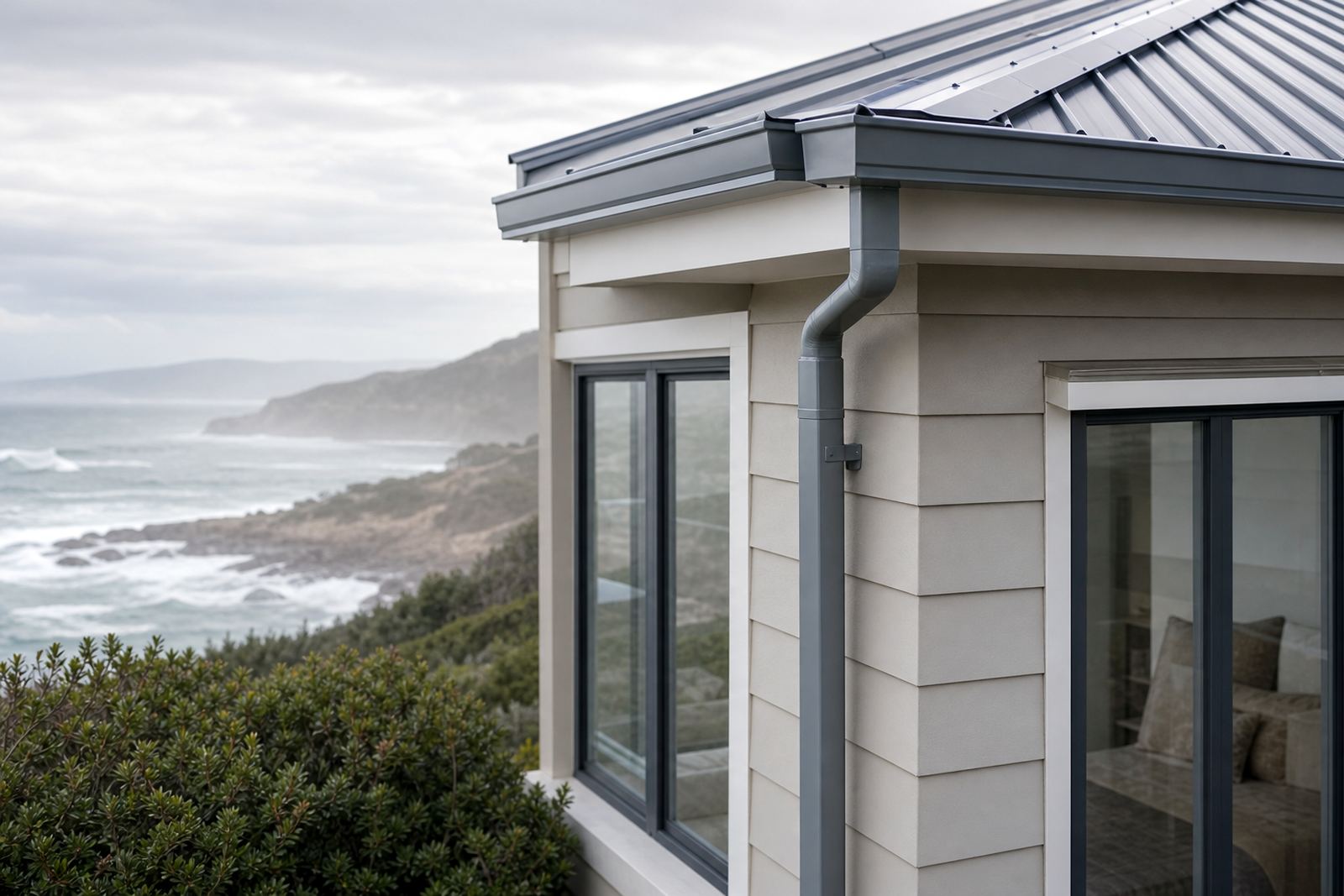
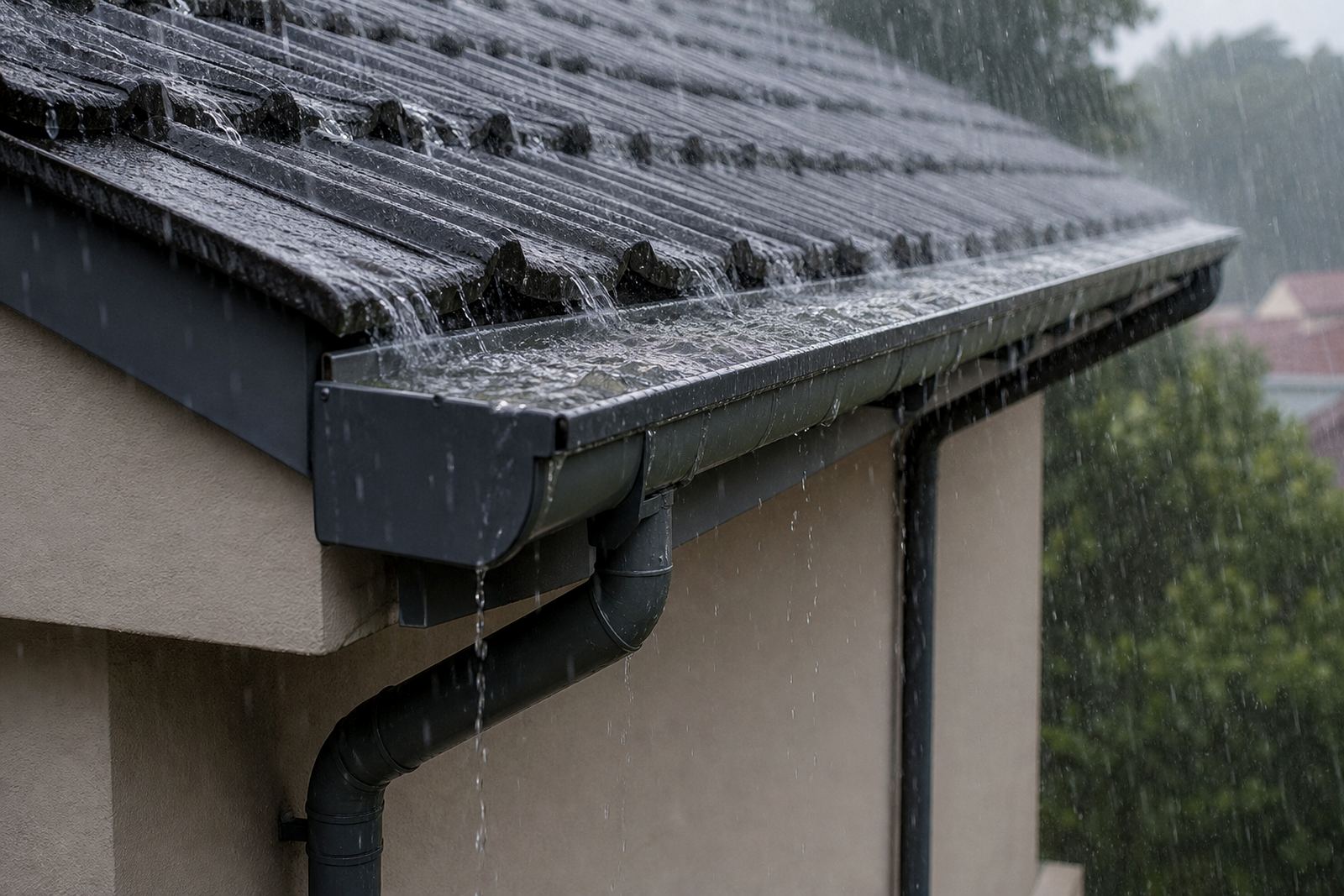
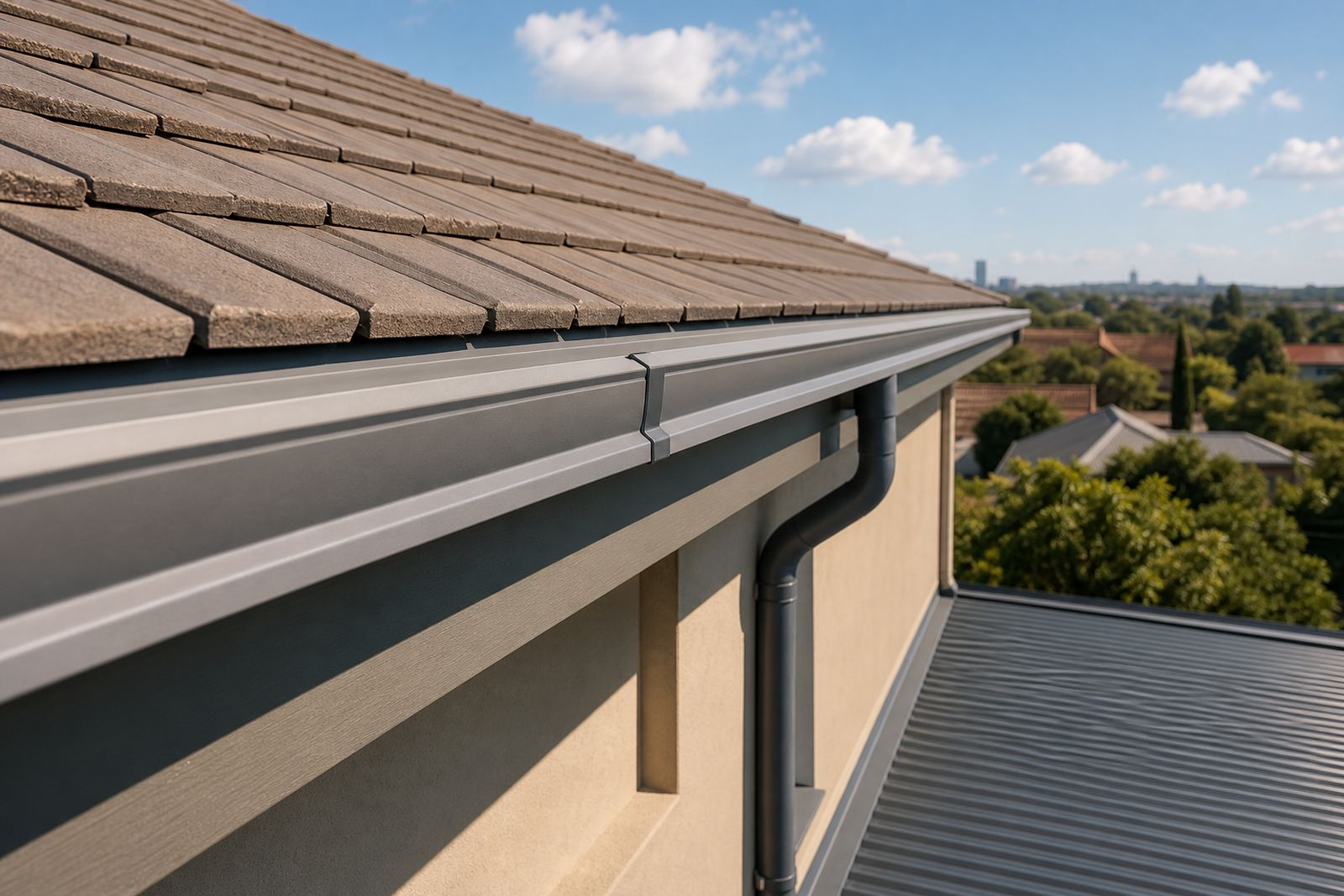
Gutters collect rain water at the roof edge, then move it toward downpipes and away from walls, paving and foundations. Fascia boards close off the roof edge neatly and give a fixing line for the gutter, so the whole run needs to suit the roof pitch, the eaves detail and the local rainfall pattern.
In Gauteng, the Highveld summer storm can push a lot of water through a short burst, while coastal towns deal with damp air and salt carried on the wind. That means material choice, joint placement and support spacing all matter. A roofline that looks fine from the yard can still hold water in the wrong place if the fall is poor or the brackets are spaced too far apart.
Choosing the right gutter size for the roof
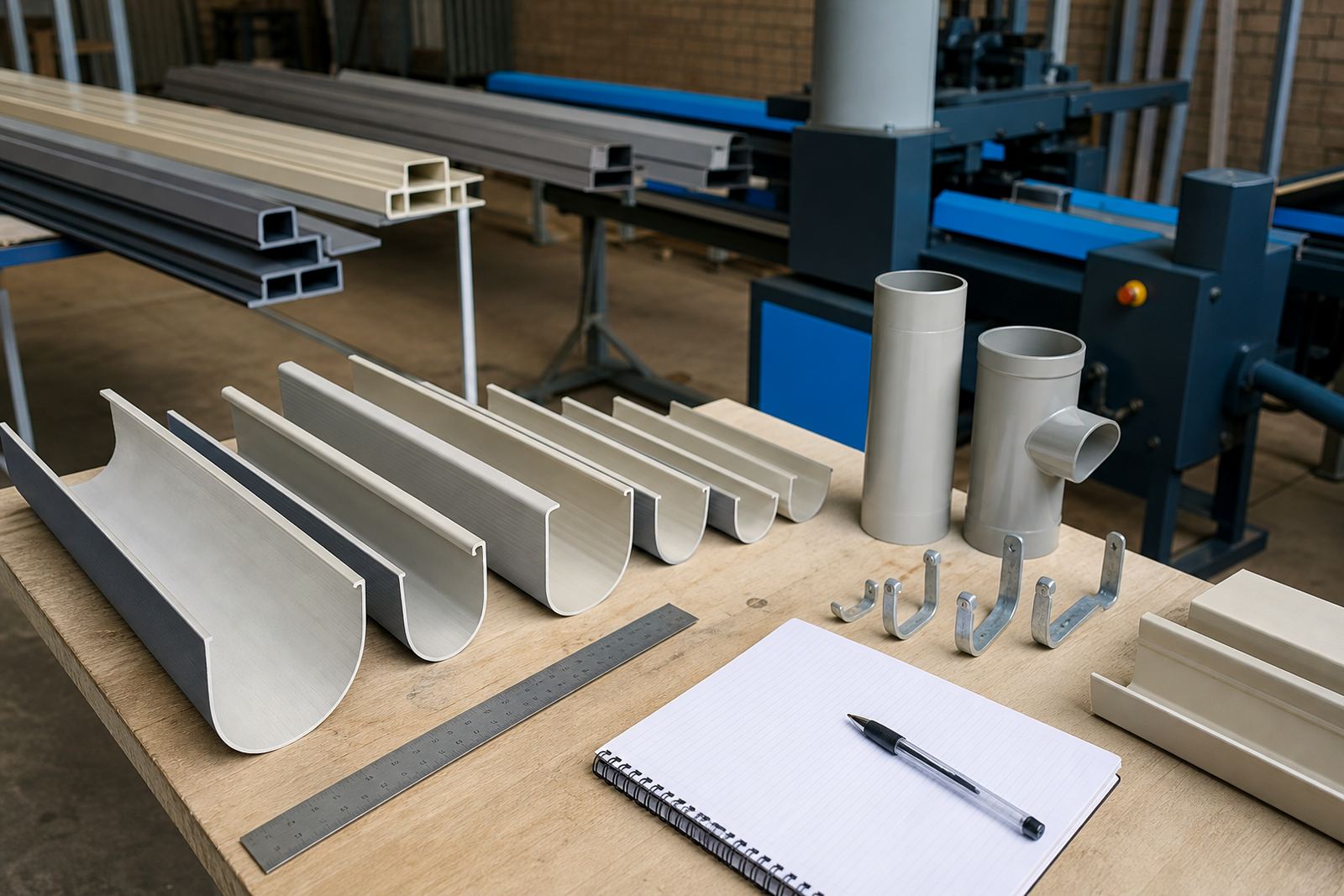
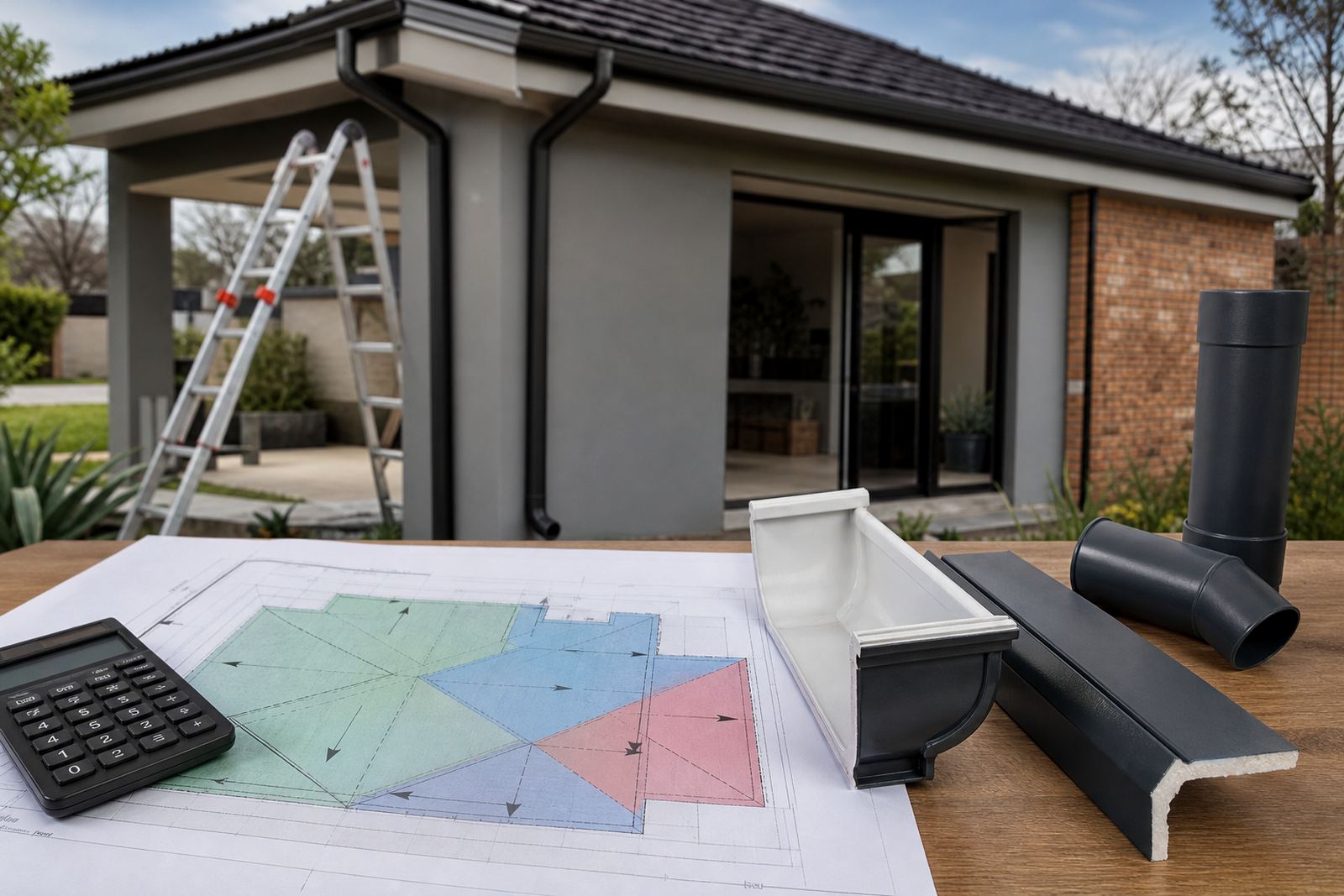
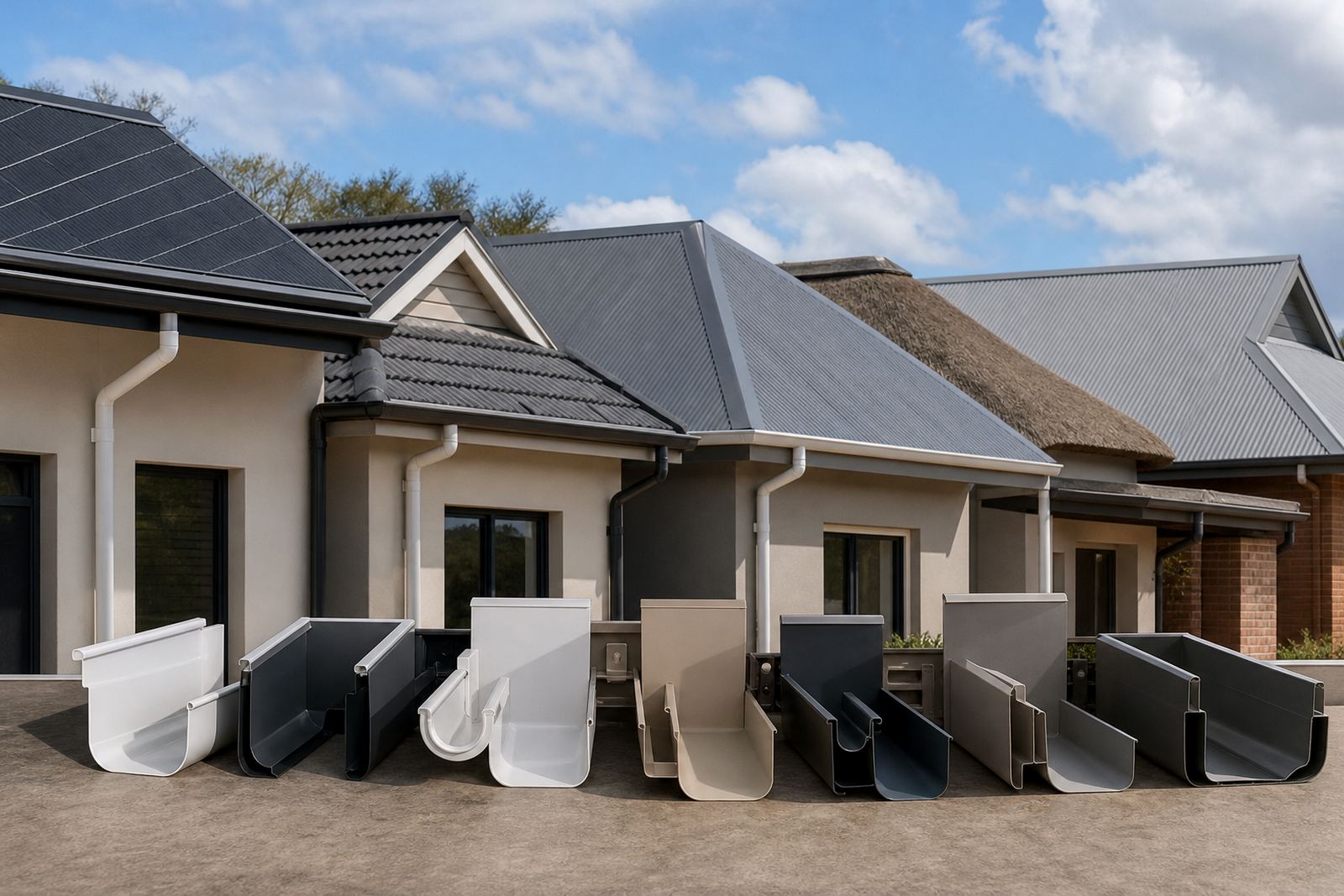
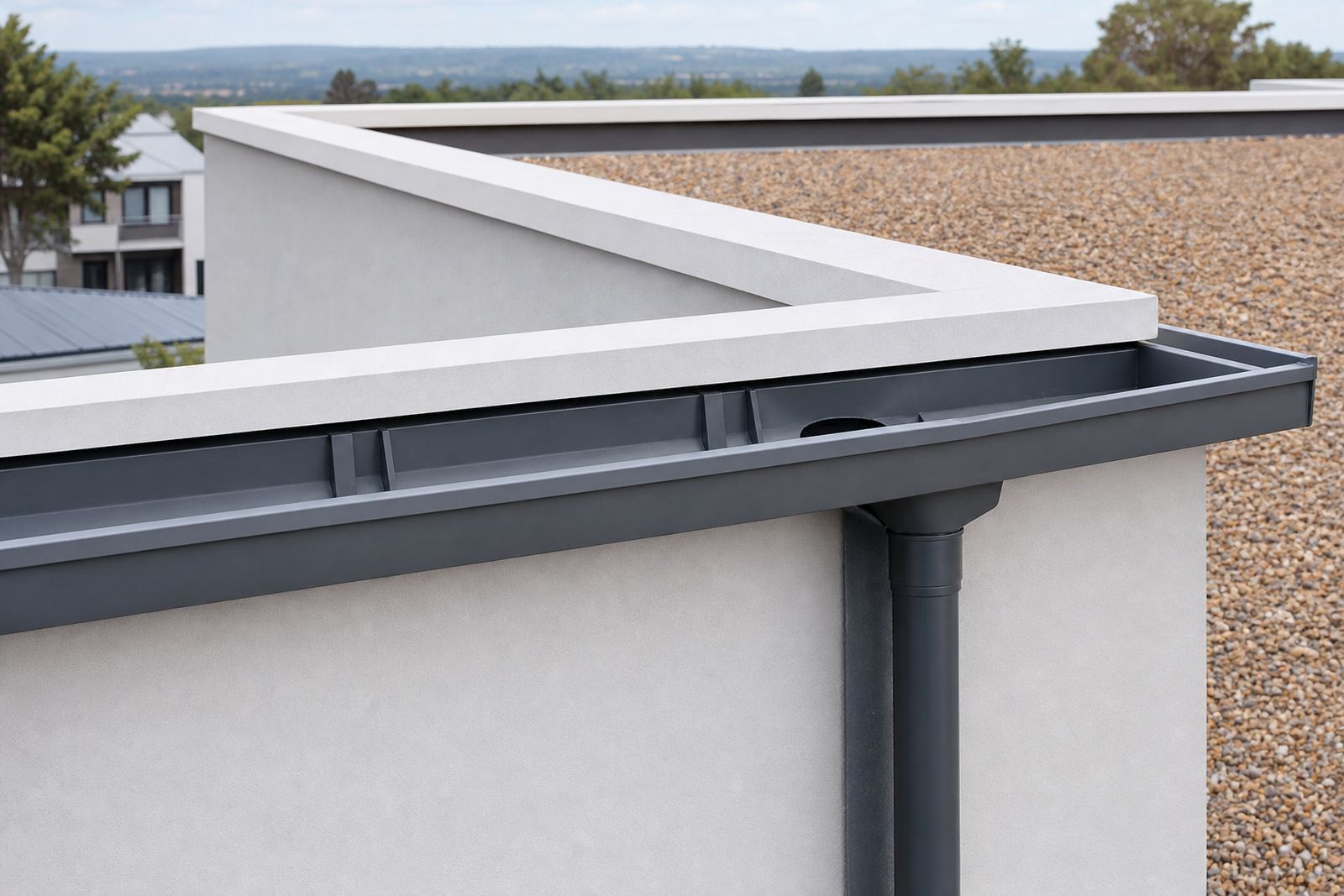
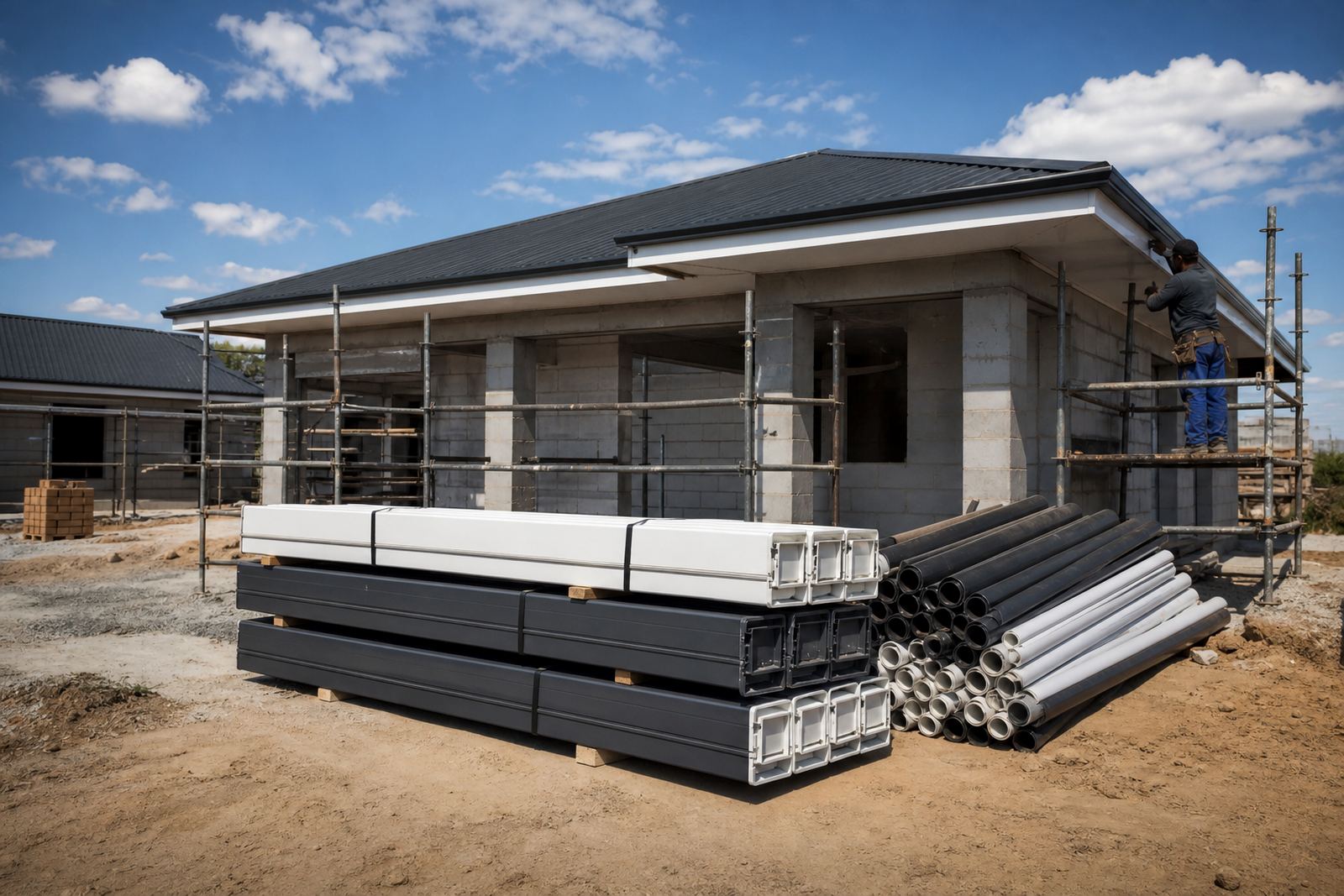
Most gutter sizing starts with the roof area feeding into it, the number of downpipes available, and how hard the rain falls in that area. A small veranda does not need the same capacity as a long warehouse edge, and a flat roof edge often needs more careful planning than a steep pitched roof.
- Match gutter width to roof catchment and expected rain intensity.
- Allow enough downpipe capacity so water is not forced to back up in heavy rain.
- Keep the line continuous where possible, with sensible joint positions.
- Use fascia fixing points that can carry the loaded gutter without sagging.
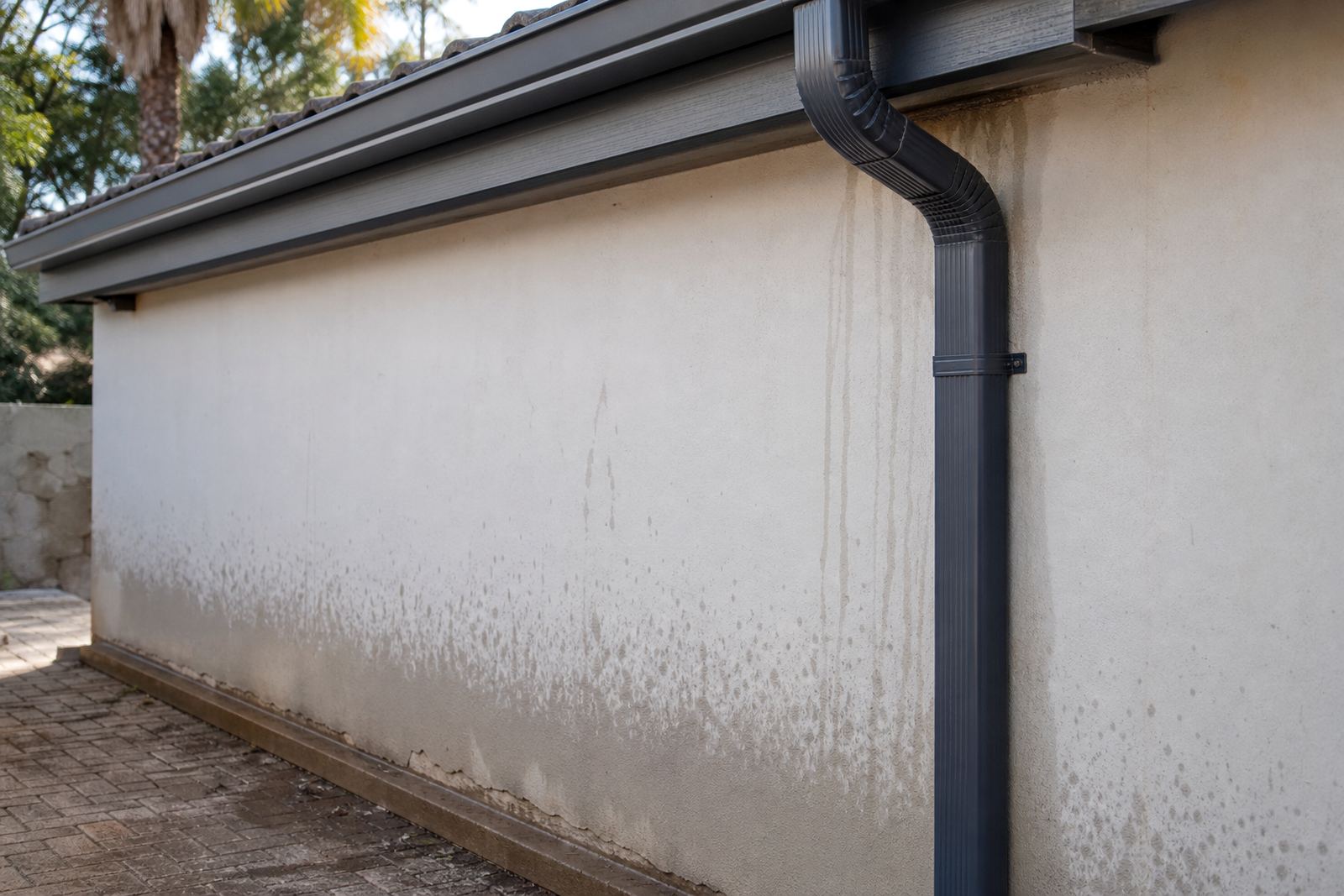
Where roof sections break around corners, valleys or level changes, the details matter. A short run can still overflow if the outlet is too small or if debris builds up near the outlet point.
Falls that move water without causing trouble
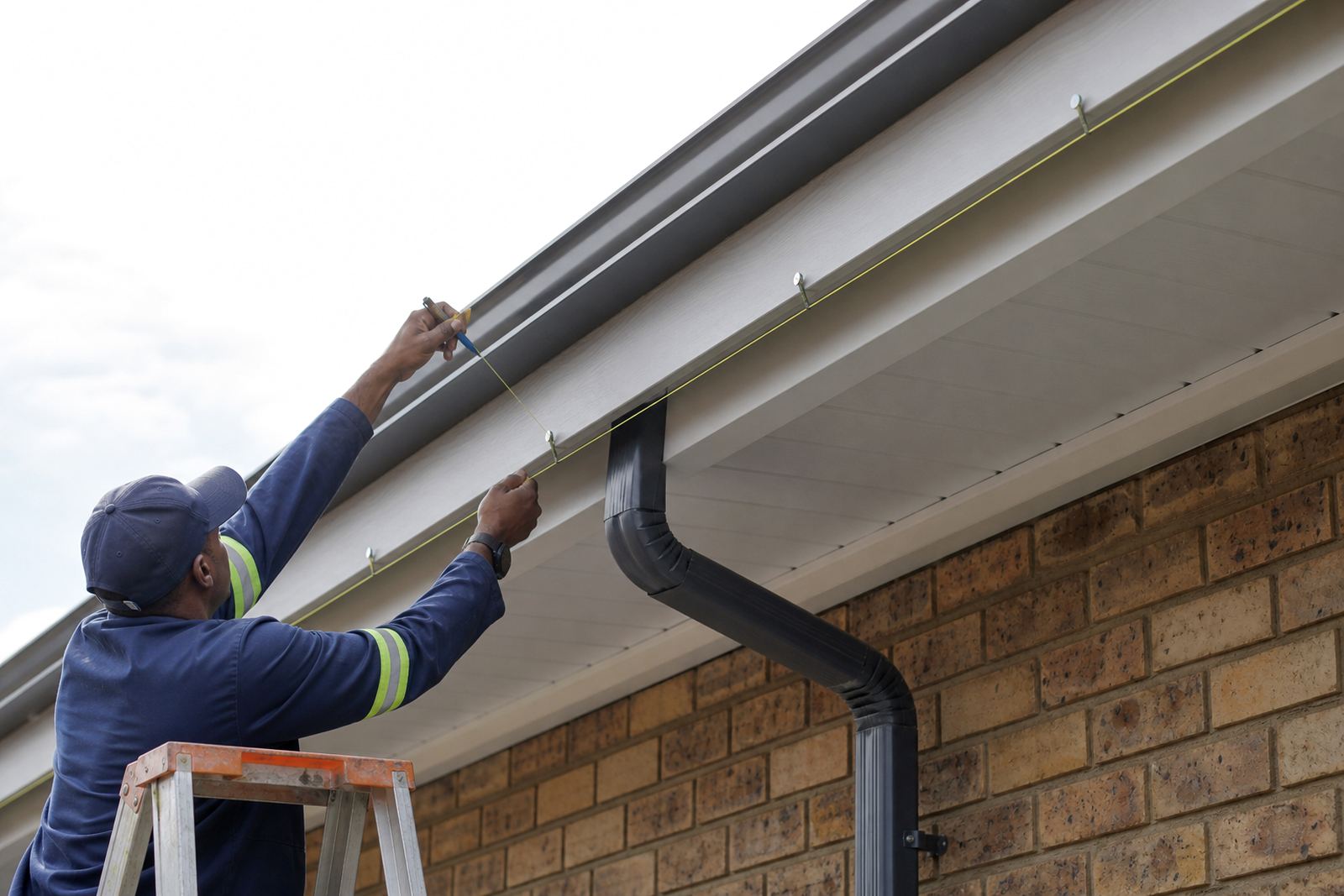
Gutters need a fall so water moves toward the outlet, but the slope should be controlled. Too little fall leaves standing water and silt; too much fall can look uneven and may put extra stress on the fixing points. A good roofline run is usually set with a steady slope toward the downpipe, adjusted to suit the length of the run and the roof edge geometry.
Level ground does not mean level gutters. The line has to be checked carefully from end to end, and that check should include corners, outlets and long straight sections. On commercial roofs with longer runs, the fall and bracket spacing should be planned together so the gutter does not twist under load.
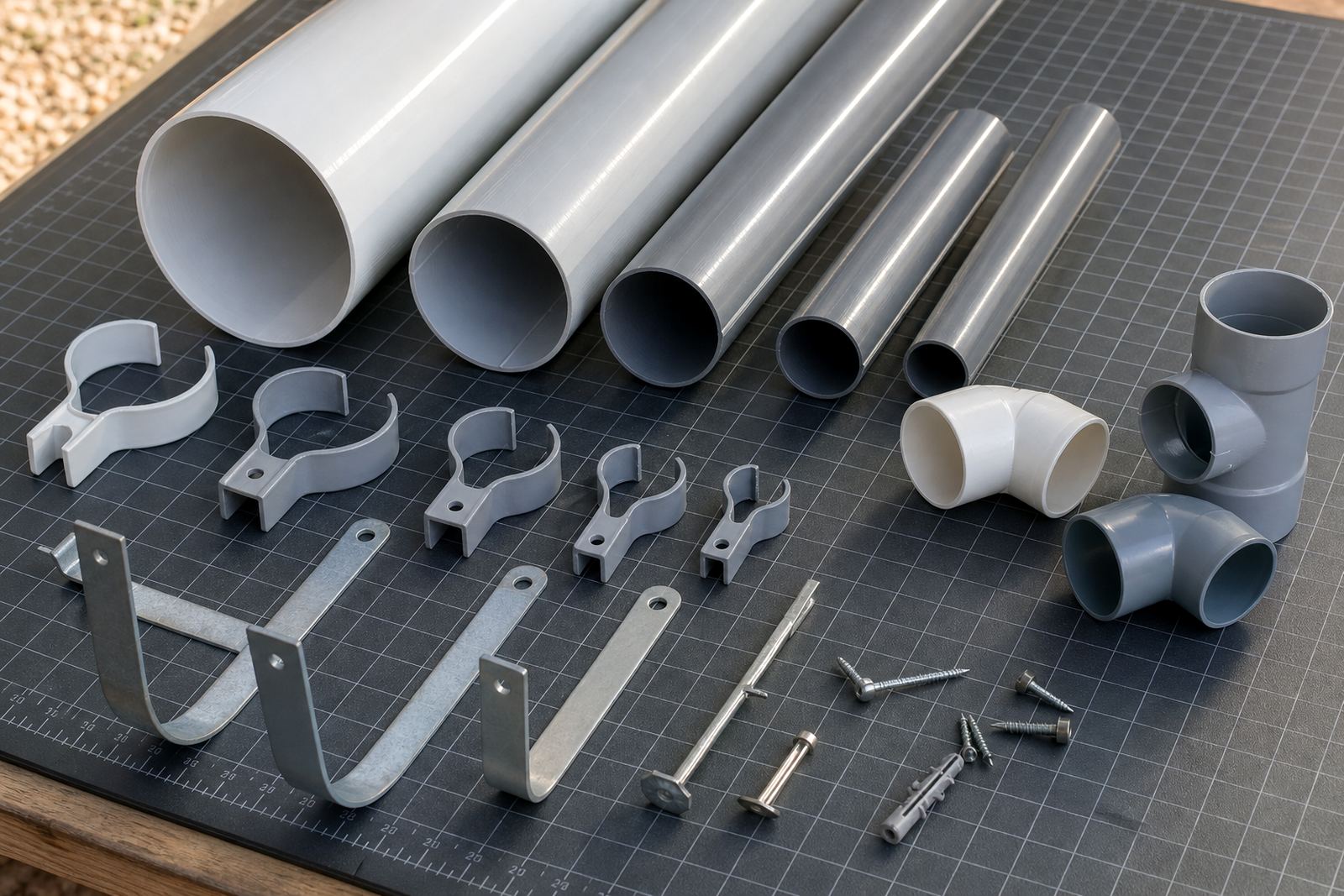
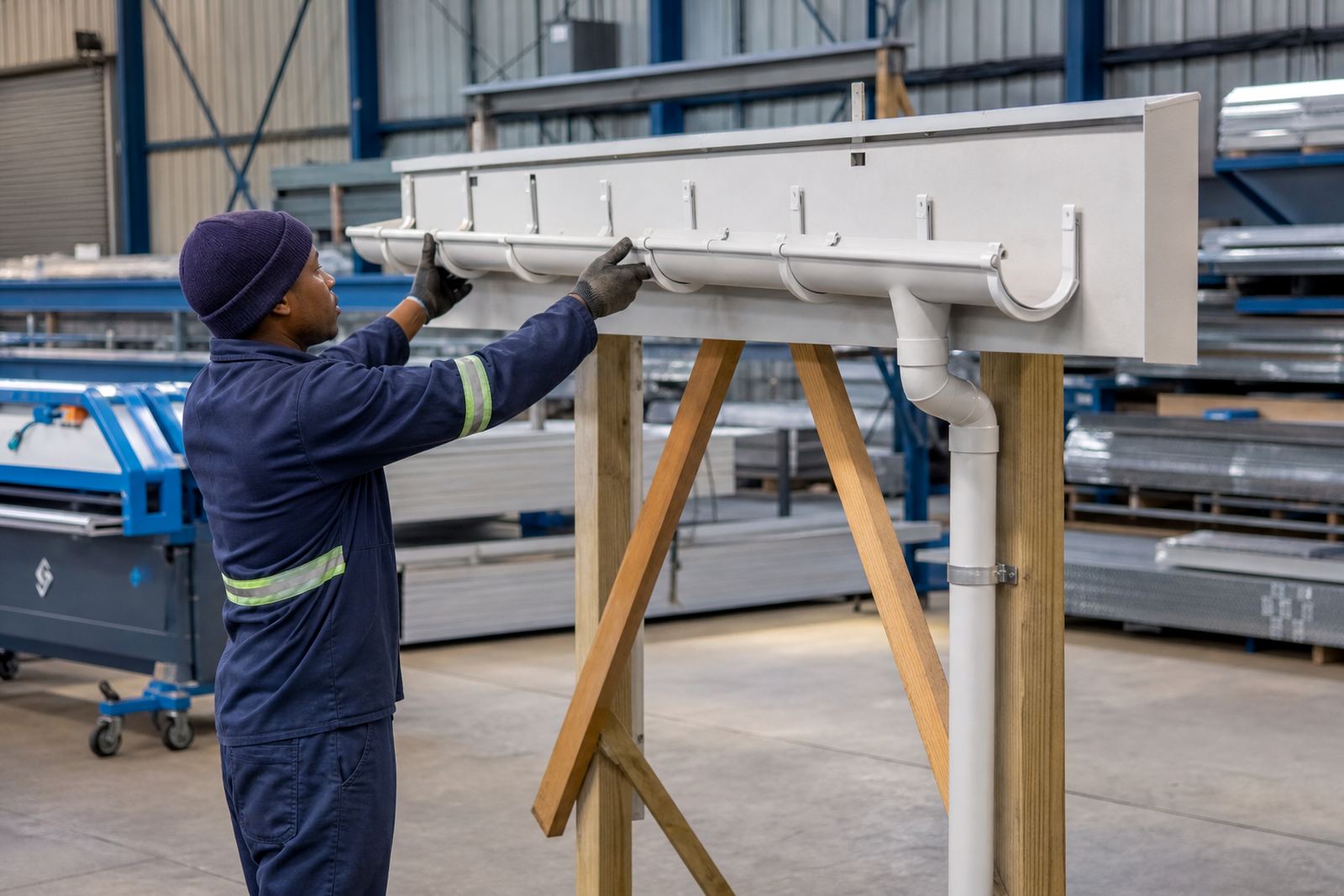
Brackets, joints and the small details that matter
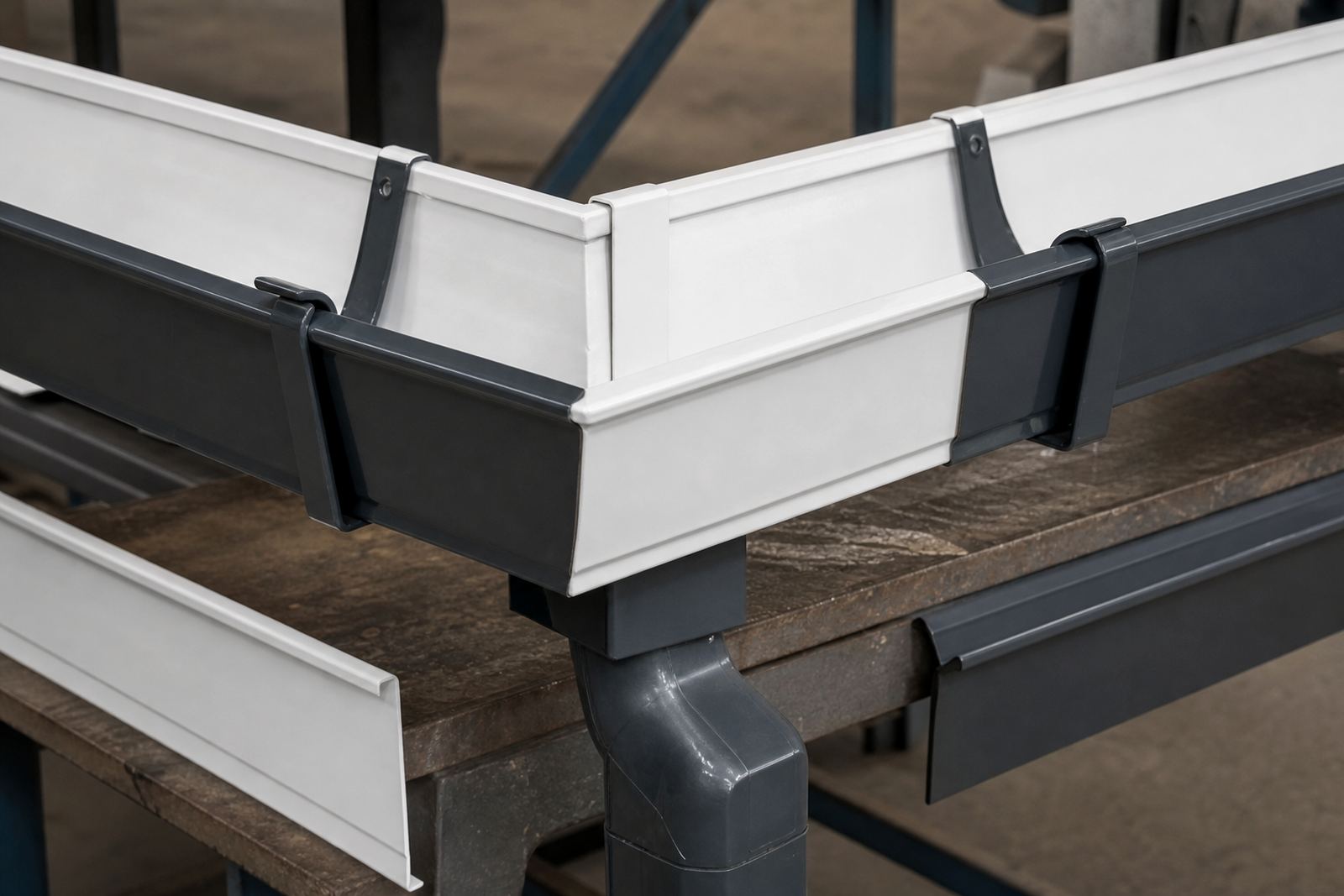
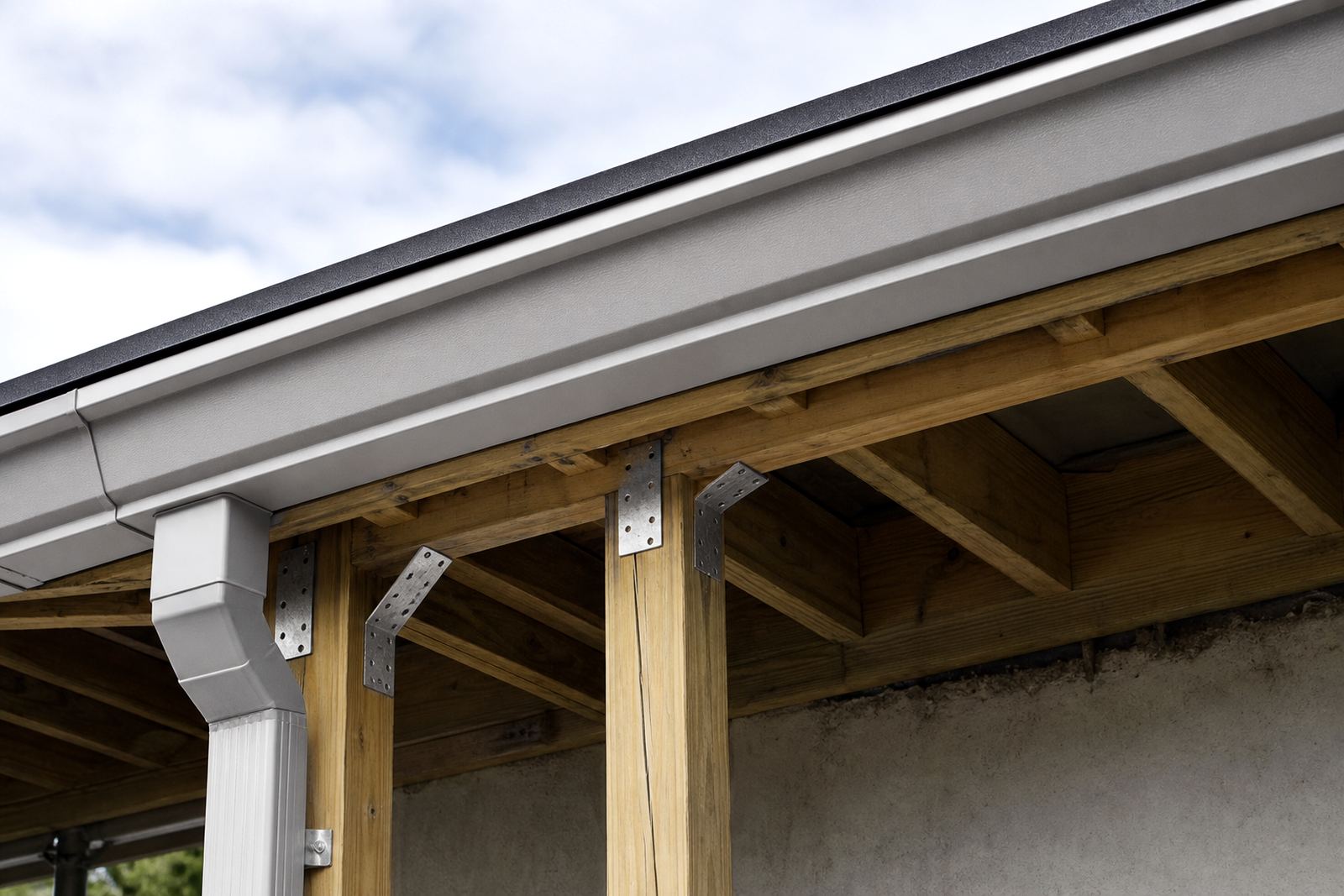
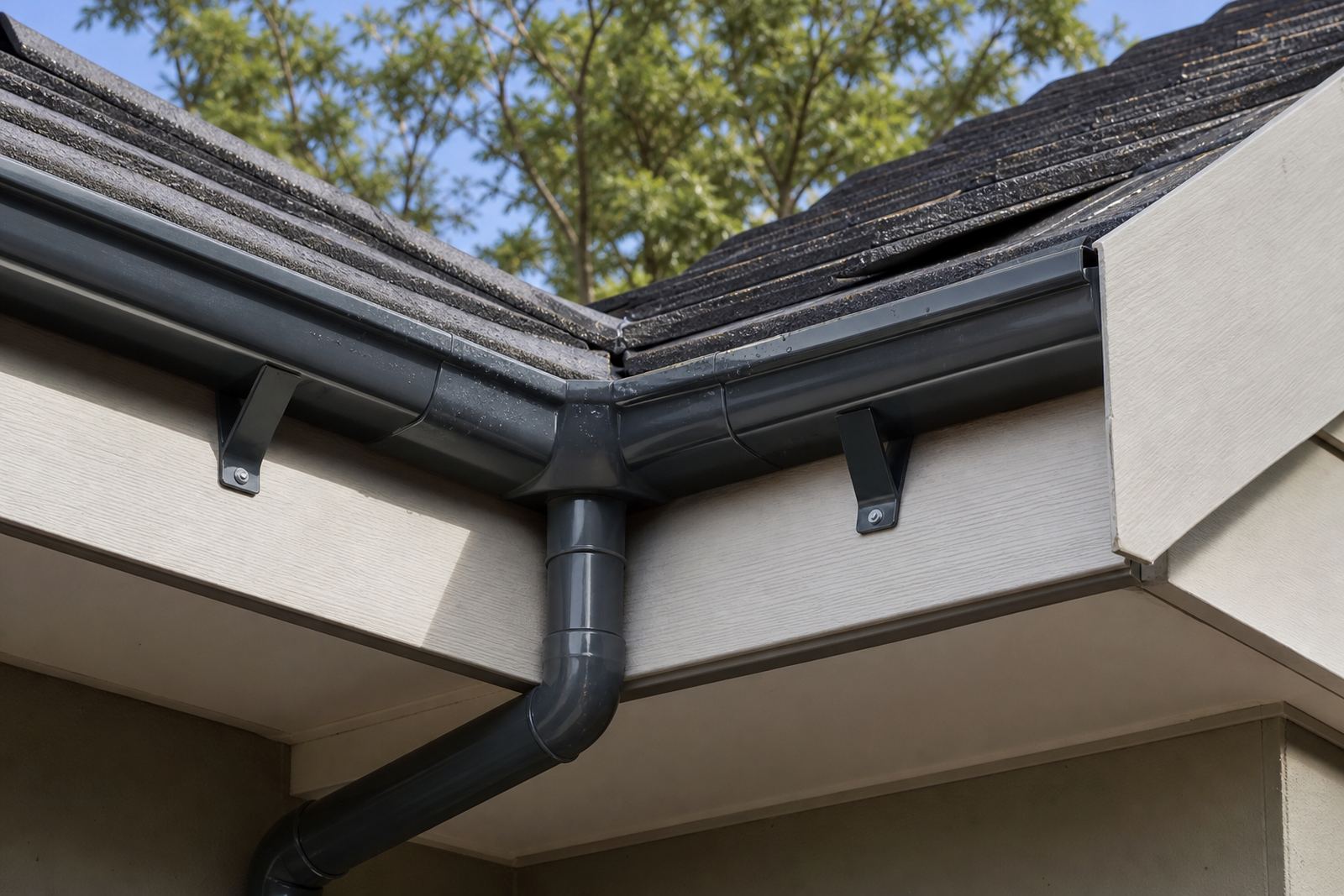
Fixings do more than hold the gutter in place. They control alignment, carry water weight during storms and help stop movement in heat and wind. In hotter inland areas materials expand more through the day, while coastal conditions can bring moisture that shows up weak fixing points faster than expected.
- Bracket spacing should suit the profile and the expected water load.
- Joints need to stay watertight and properly aligned.
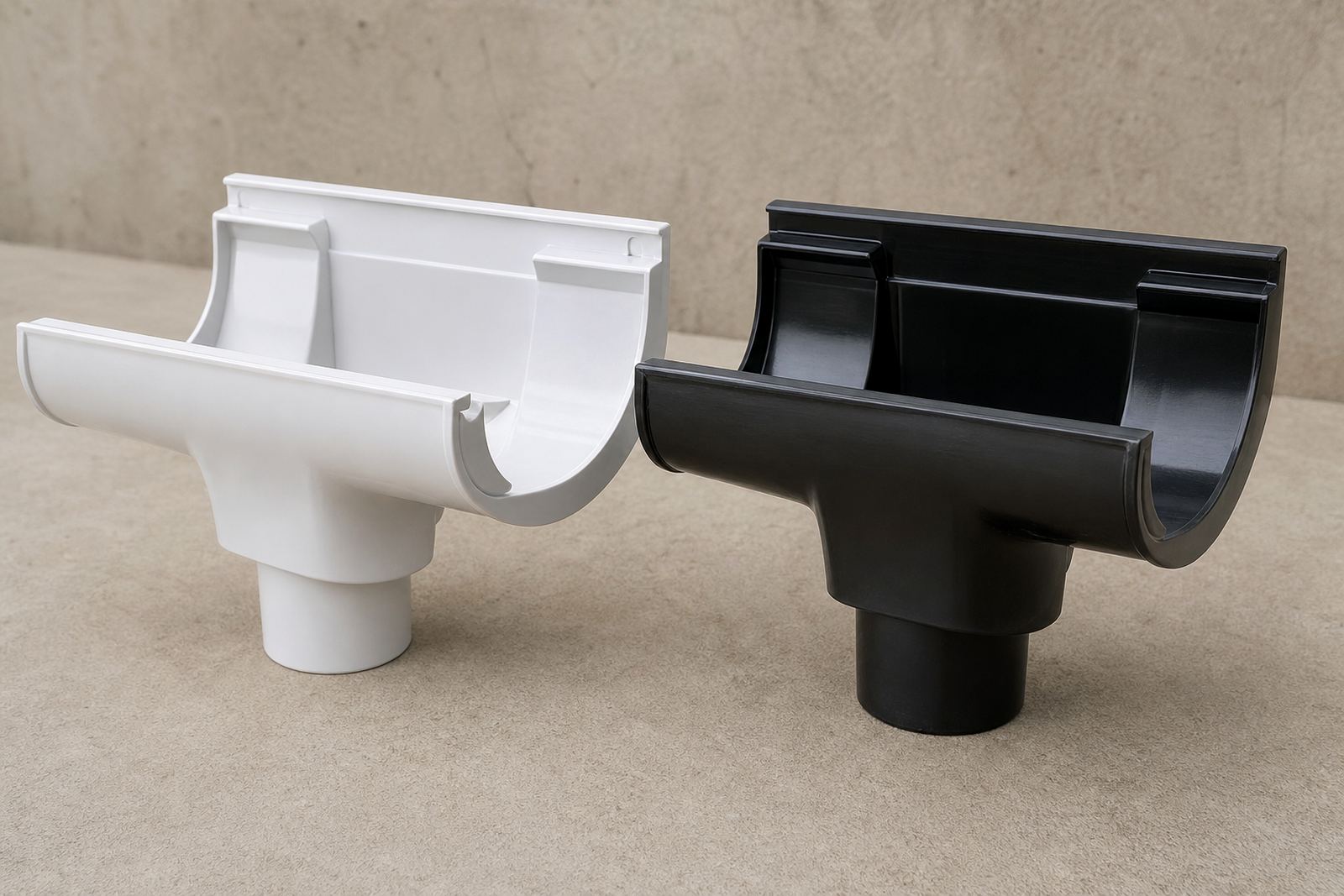
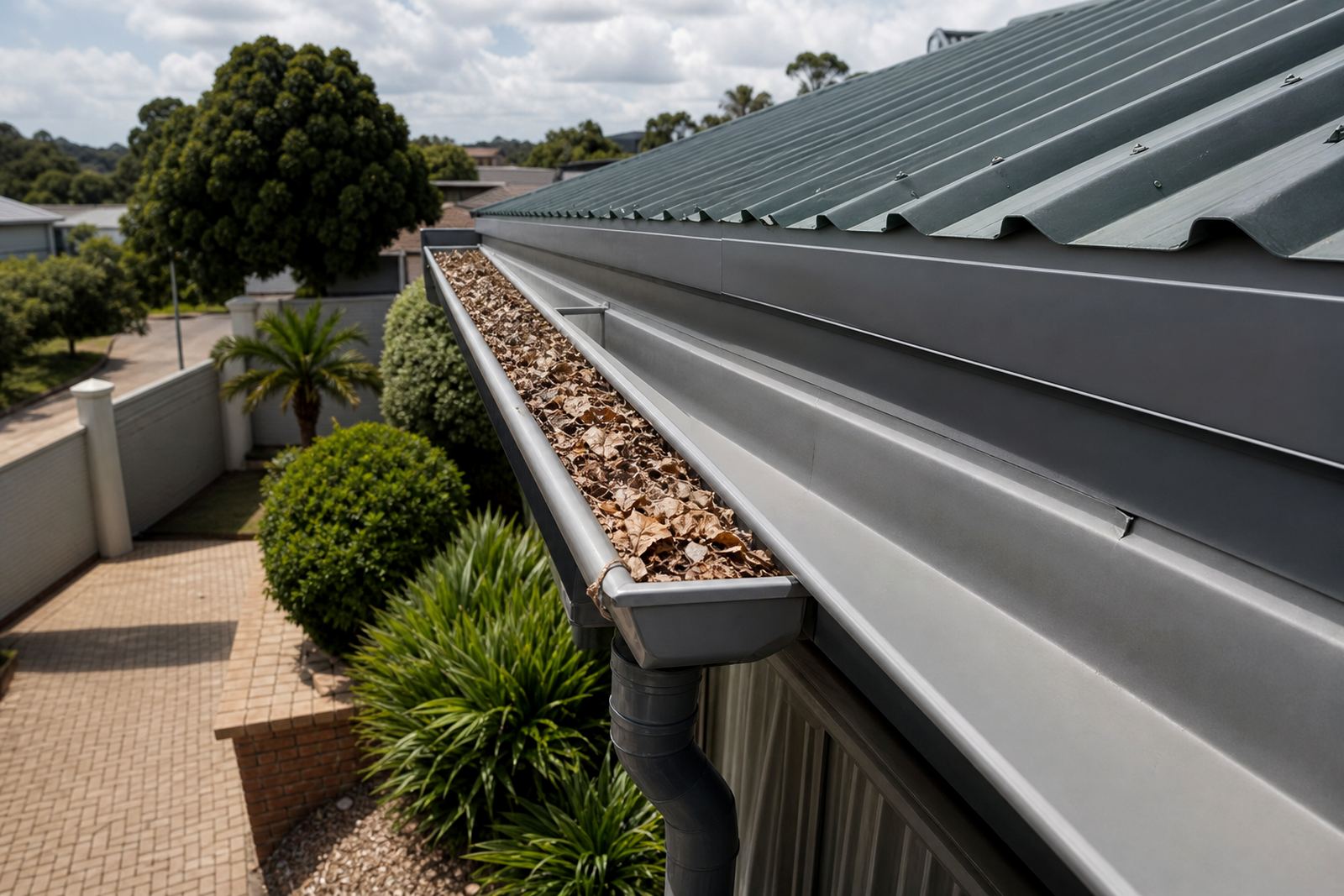
- Outlets should sit where water can escape freely, not where leaves collect.
- Fasteners must suit the substrate and the exposure conditions.
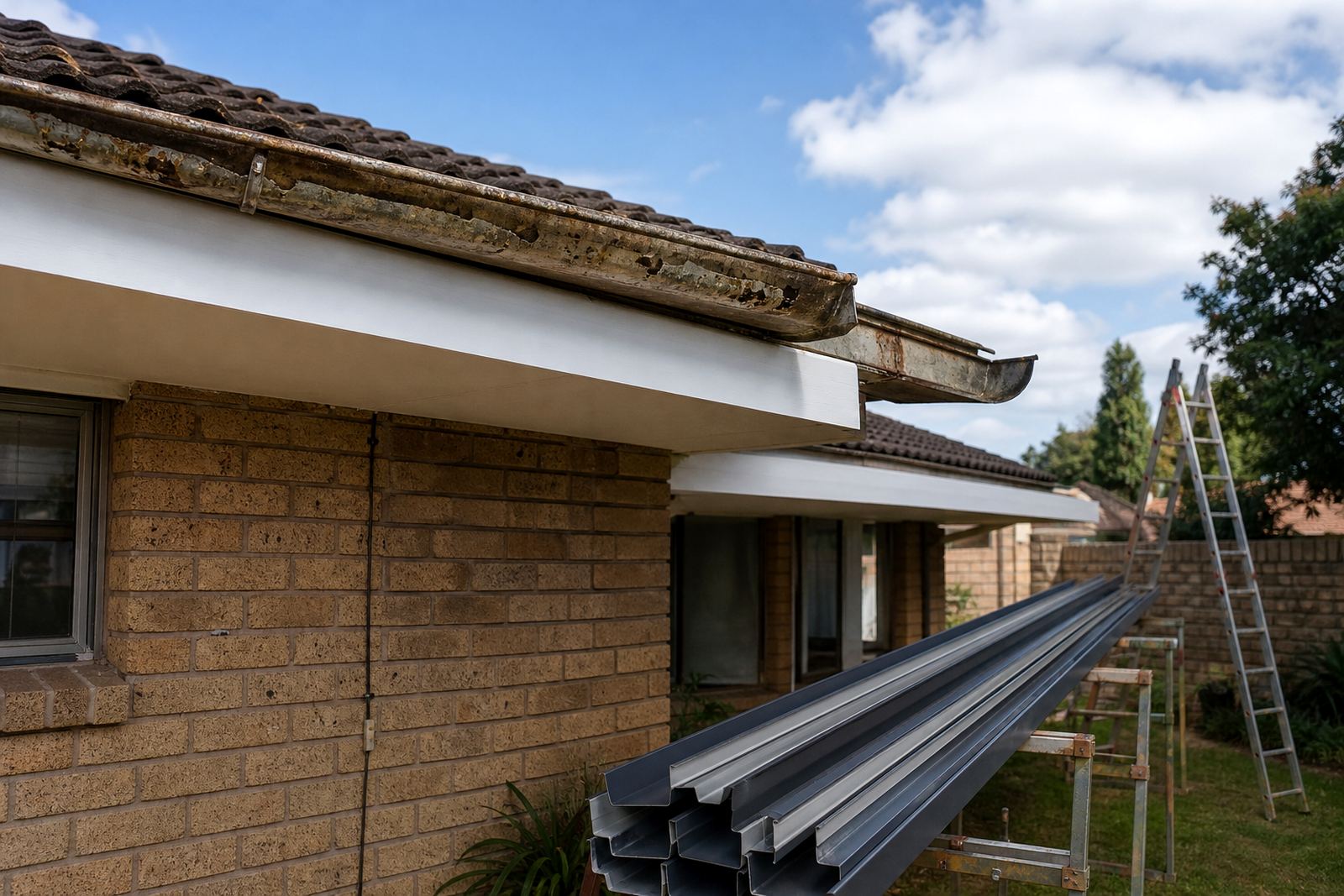
Fascia boards should sit straight and true, because any bowing or uneven fixing will show up in the gutter line. When fascia boards are changed, the gutter line usually needs to be rechecked at the same time.
Maintenance in South African weather
Seasonal cleaning is part of keeping a roofline working properly. Leaves, seed pods, dust and roof grit all build up in gutters, especially where trees overhang the eaves or where wind blows debris into corners. In coastal areas, salt and damp can speed up wear on fixings and joints. In dry inland areas, dust settles quickly and can block outlets after the first heavy storm.
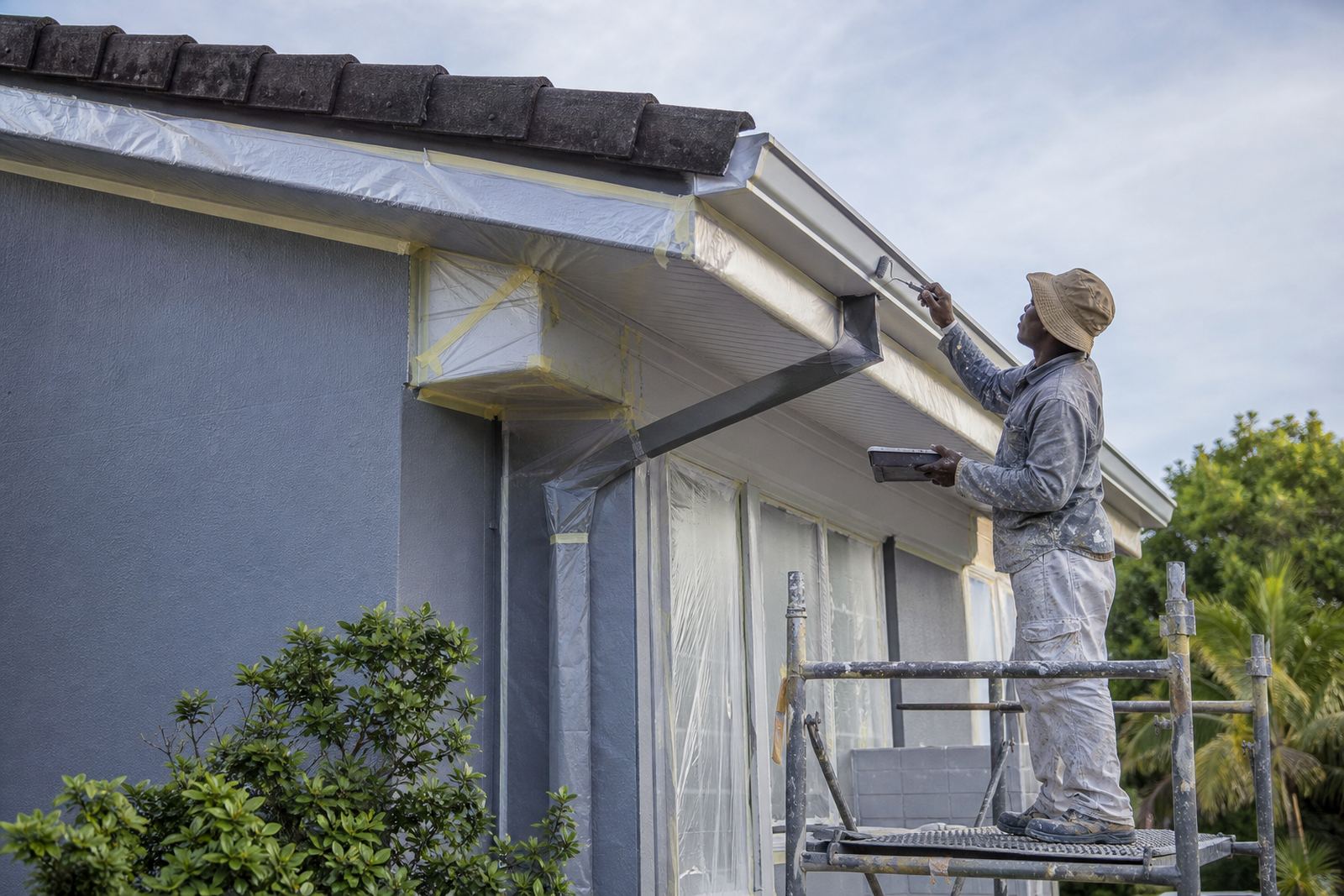
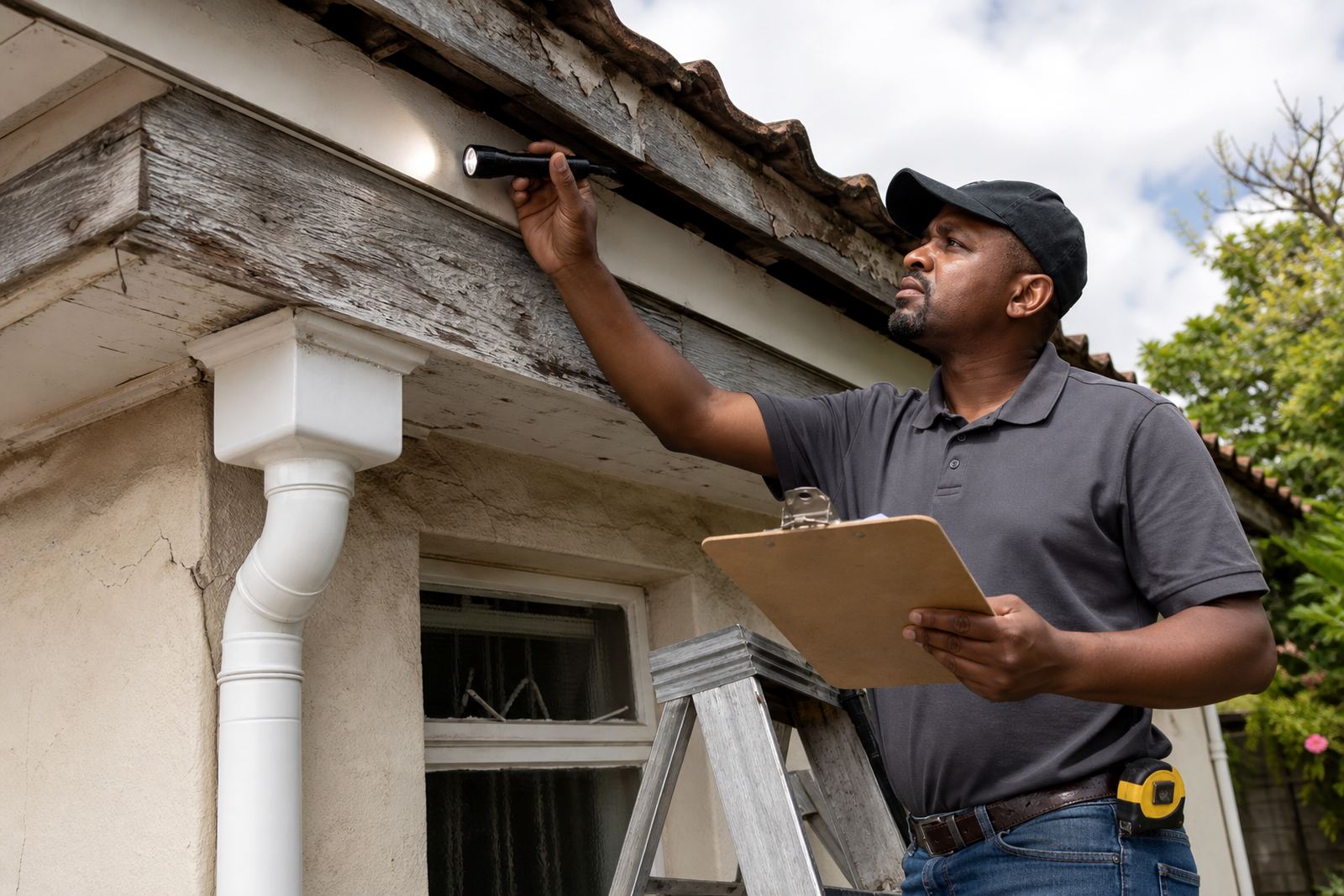
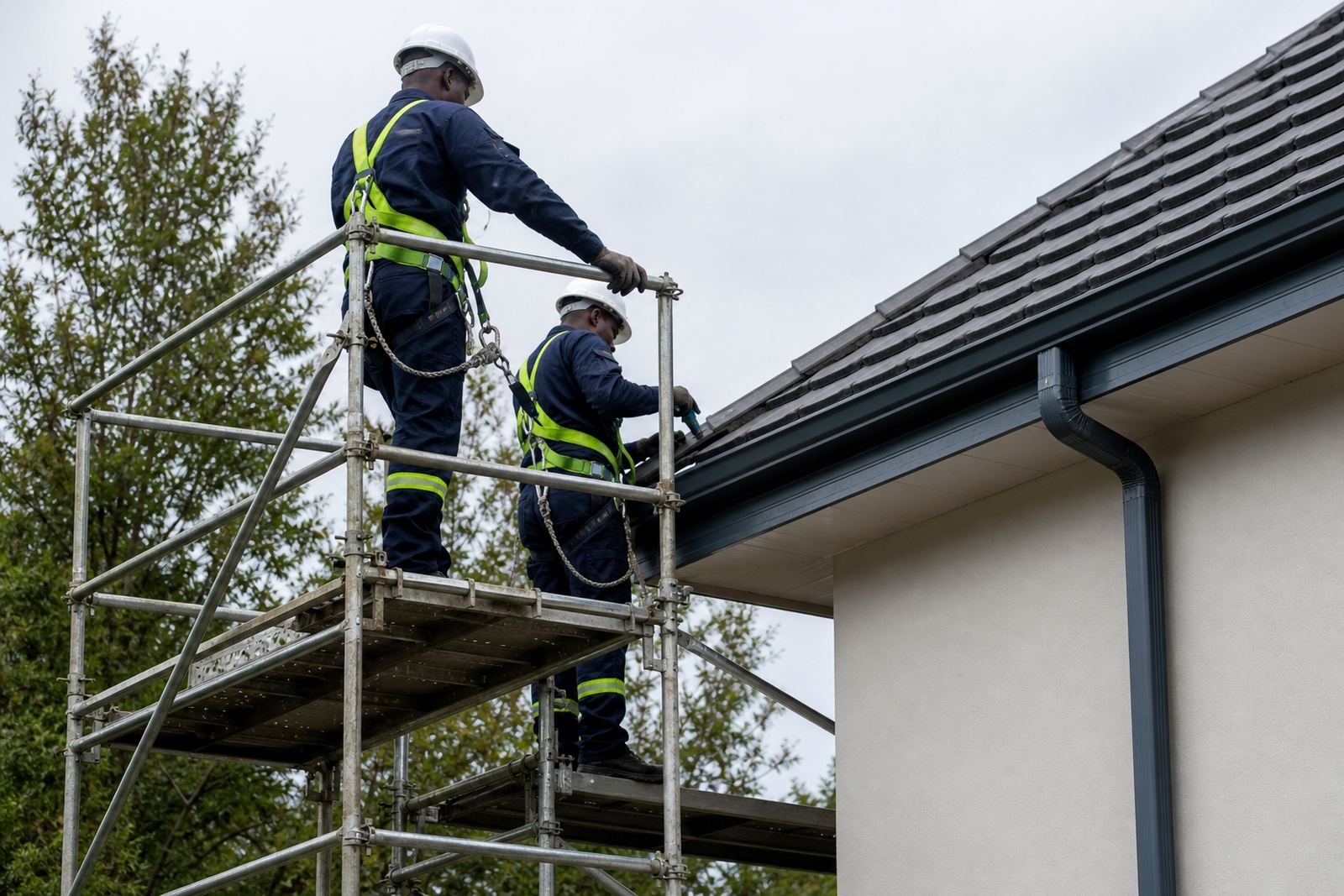
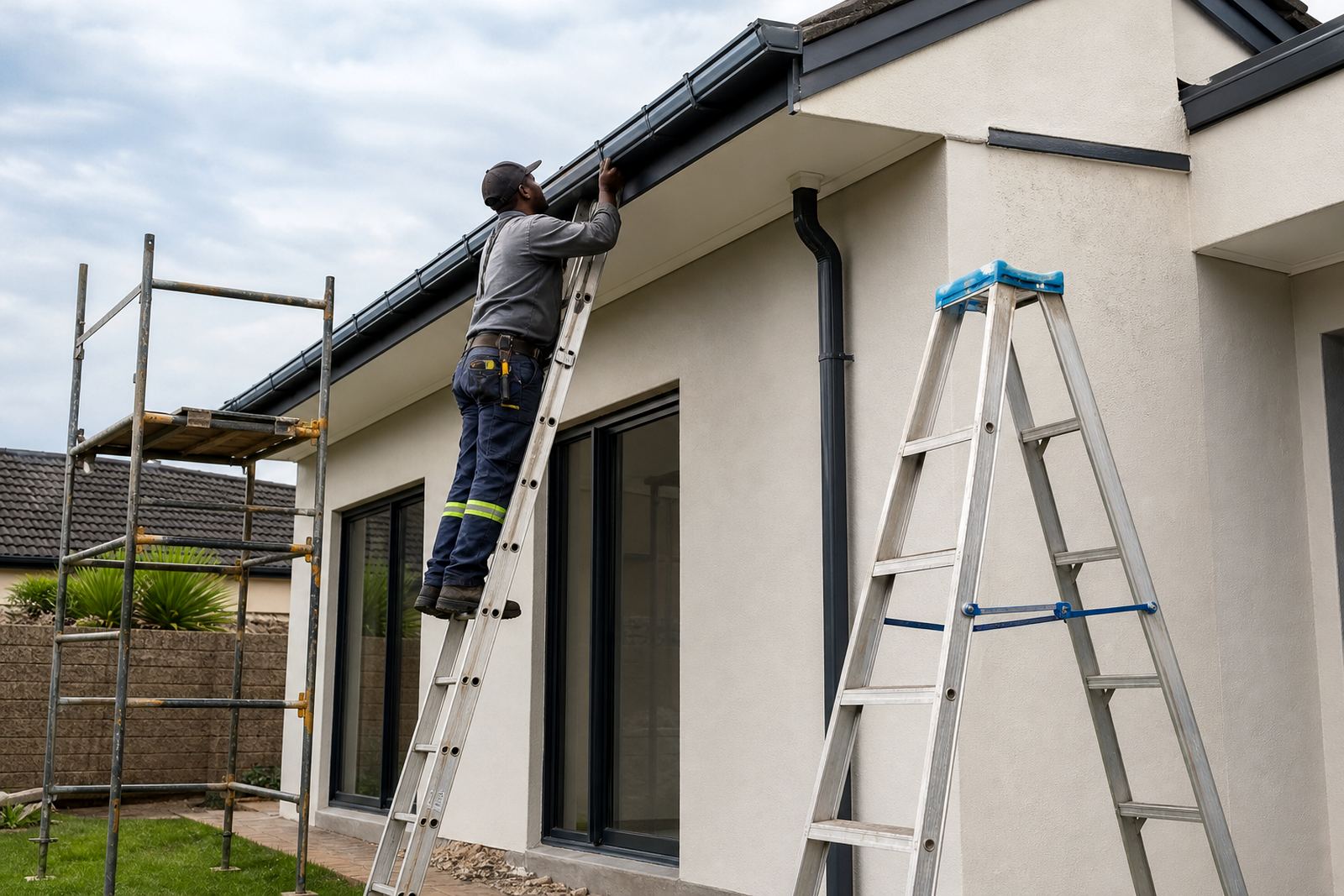
Regular checks are worth doing after major rain, strong wind or roof work nearby. Look for sagging sections, stained wall lines, overflow marks and water running behind the fascia. Any repairs at roof edge height should be handled by competent people with proper access equipment and safe working methods.
When to check for replacement rather than repair
Some roofline issues are minor and some point to a larger problem. A single loose bracket may be fixed easily, but repeated leaks, warped fascia, cracked joints or ongoing overflow can mean the whole run needs closer assessment. The same applies when the gutter profile is too small for the roof or when the outlet positions are simply not coping with the water volume.
It makes sense to inspect the roof edge as one system: gutter, fascia, downpipes, outlets and fixings. That approach helps avoid patch work that only hides the real fault for a short while.