
Salt air changes the maintenance calendar
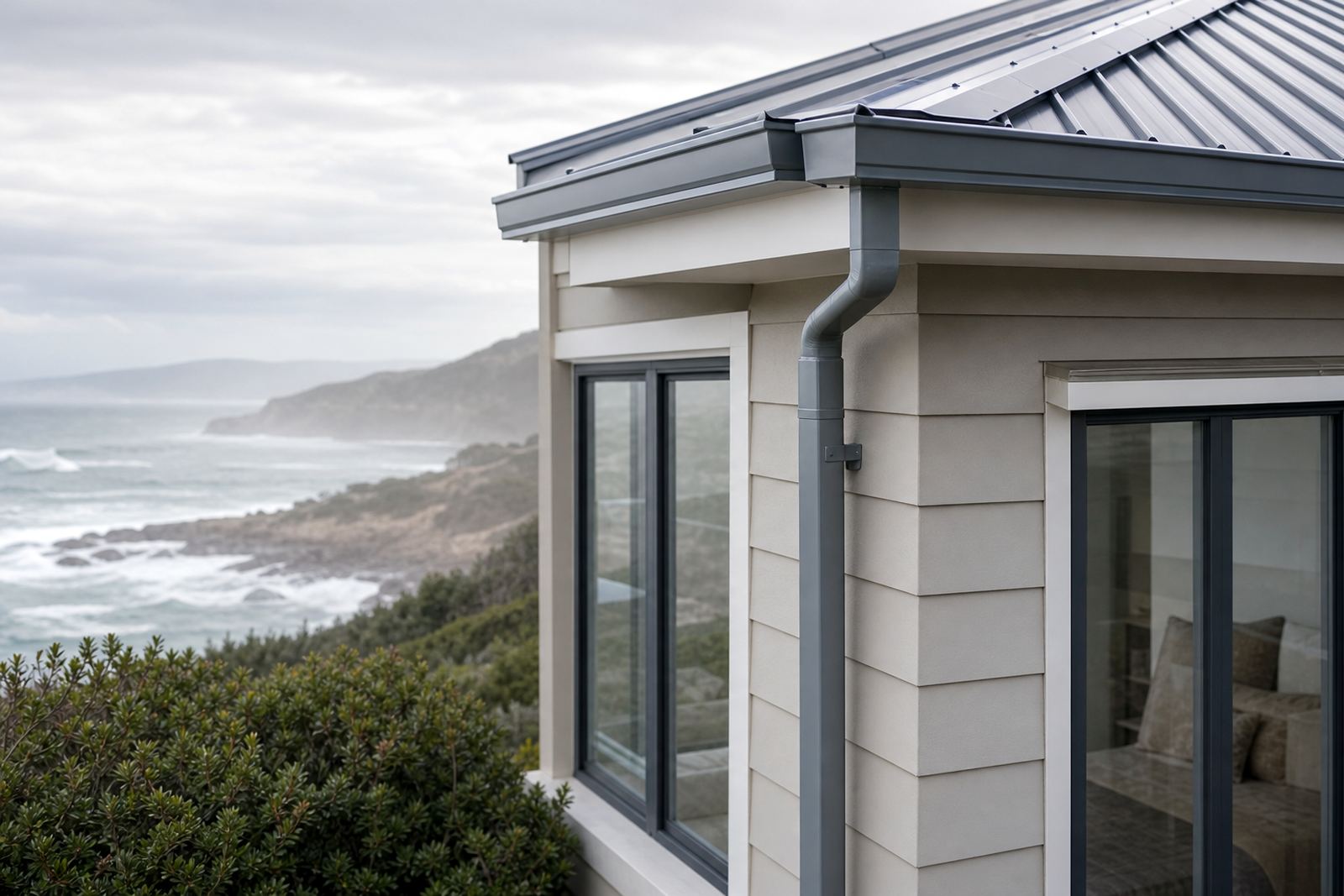
In coastal areas, metal components and fixings are exposed to salt carried inland by wind and spray. That exposure speeds up corrosion on ordinary fasteners, stains paintwork and can shorten the life of poorly chosen gutter systems. Even a few kilometres from the beach, moisture can settle on roof edges and fascia boards, particularly where a house faces prevailing wind.
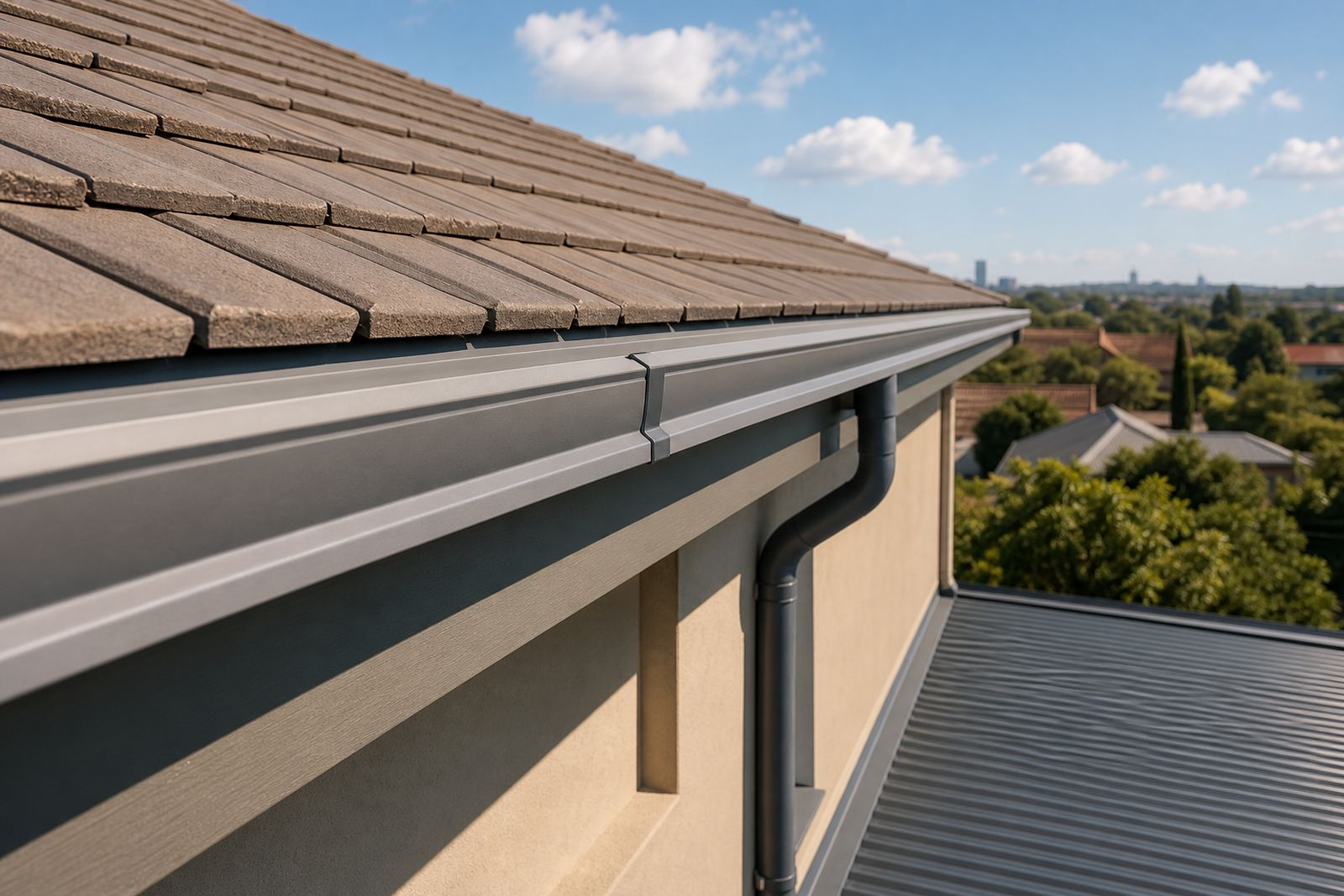
Maintenance is not only about clearing leaves. It also includes checking the condition of brackets, joins, end caps, screws and sealant, especially after strong winds or long wet spells. In places like Durban and Cape Town, a gutter that looks fine from ground level may already be working harder than it should because the brackets have loosened or the fall has shifted slightly.
Materials that cope better near the coast
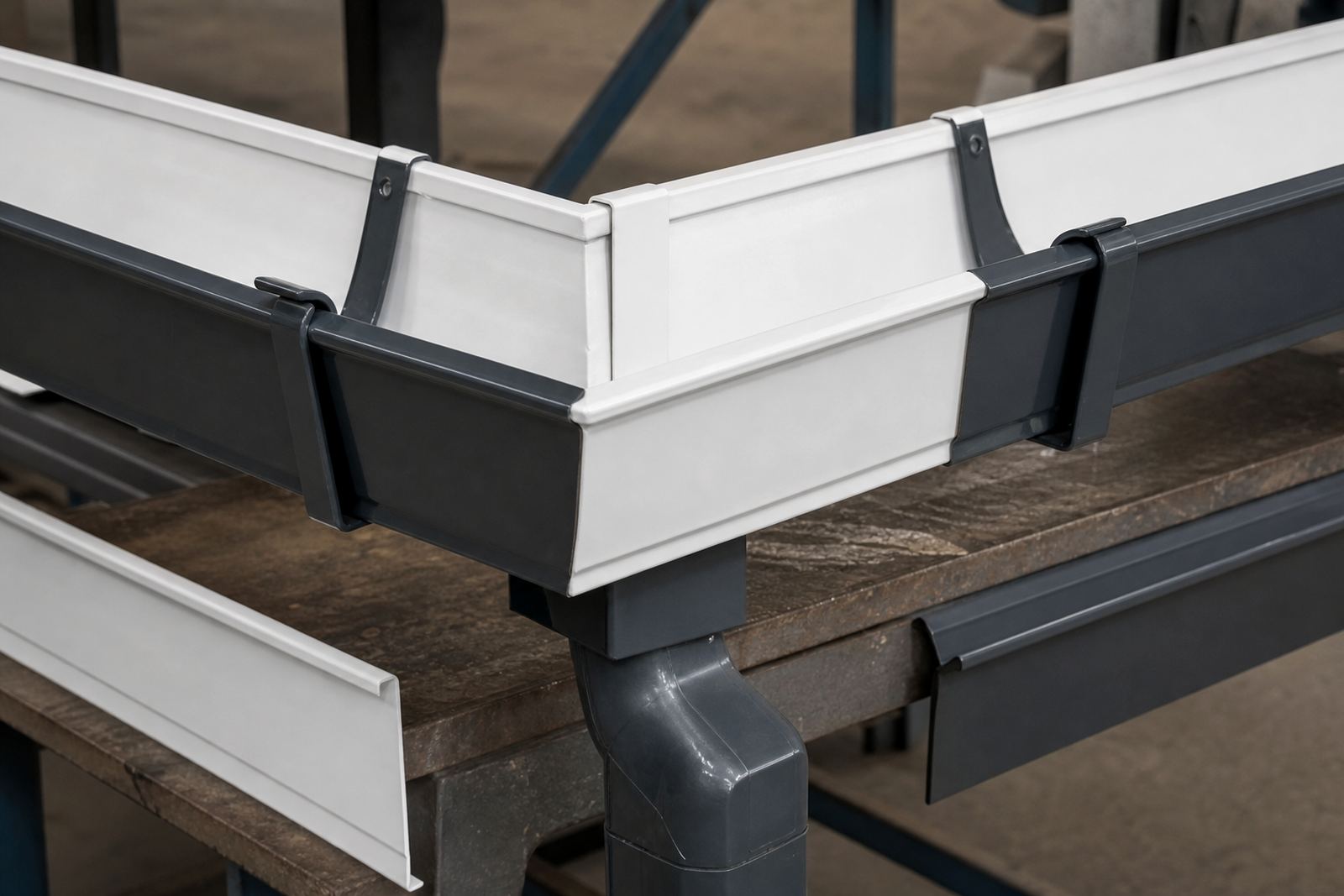
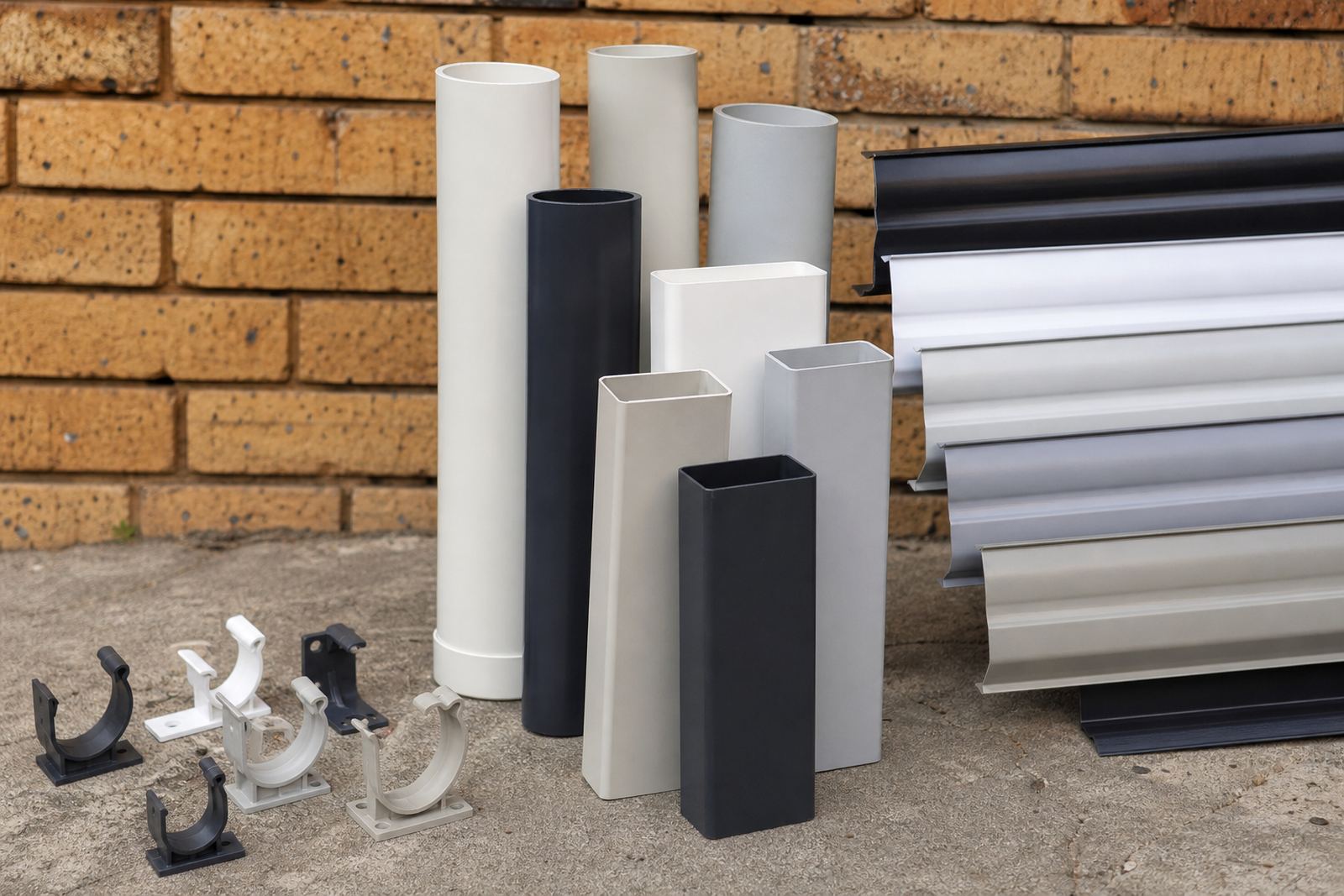
Plastic-steel composite gutters and fascia boards are often chosen because they balance strength with resistance to moisture. The plastic side helps limit corrosion, while the steel component gives the profile better shape retention. That matters where heat, wind and sun can make softer materials sag or twist over time.
When specifying gutter and fascia materials for coastal work, the practical points are straightforward:
- Use fixings suited to salt exposure, not general purpose screws that may rust early.
- Match the fascia profile to the roof edge so brackets sit square and do not pull out under load.
- Choose downpipes with enough capacity for sudden rain, especially on larger roof areas or steep pitches.
- Check that joints, corners and outlets are made to handle repeated wetting and drying without opening up.
In coastal suburbs of Durban, for example, a home with a wide eave and heavy afternoon rain can collect water quickly. A properly sized gutter system with sound outlets and secure brackets will usually perform better than a smaller system that is installed neatly but is undersized for the roof area.
Sizing and falls that matter in wind and rain
Good gutter performance starts with the correct size and fall. The gutter must carry water away fast enough without overflowing at corners, outlets or low points. On coastal homes where rain can arrive sideways, overflow at the edge can soak fascia boards, wall finishes and paving below.
The fall should be planned along the gutter run so water moves toward the outlet rather than pooling in sections. Even a slight sag can create standing water, and standing water brings problems: debris settles there, brackets carry extra weight and the system ages faster. Roofline replacement jobs often reveal that the original fall was lost because brackets were spaced too far apart or because the fascia board had started to move.
Useful checks on site include:
- Confirming the roof span and roof area before choosing gutter size.
- Checking outlet positions so water has a clear path to the downpipe.
- Making sure bracket spacing supports the profile without allowing dip between fixing points.
- Allowing for local rainfall patterns and wind exposure, not just the straight line length of the roof.
Fixings and brackets need extra thought
Inland and coastal installation practices are not the same. Near the sea, fixings should resist rust, and bracket layout needs to handle both water load and wind uplift. A gutter that is secure on a calm day can still work loose if the fixing points are weak or badly positioned. That is why competent roof work at height matters, because the details at the roof edge are what keep the whole system in place.
For fascia installation, the board must sit straight and dry enough for good support. If the fascia is already damaged, the gutter brackets may hold for a while but the line can fail later as the board softens or moves. In many coastal maintenance visits, the issue is not the gutter profile itself, but the timber or support behind it. That is where a careful inspection saves repeated call-outs.
Practical fixing habits include:
- Using corrosion resistant screws and brackets suited to the environment.
- Checking that every fixing bites properly into sound backing.
- Replacing rusted clips and loose brackets before they spread movement along the run.
- Keeping joins neat so wind and vibration do not open them over time.
Leak checks that focus on the real weak spots
Most coastal leaks show up at joints, corners, outlets and points where the gutter has dropped slightly. A slow leak may leave a stain for months before anyone notices it. By then, the fascia board or wall finish may already have suffered. A proper leak check starts at the roof edge and follows the path of water rather than only looking at the drip point below.
On a townhouse complex in the north of Durban, a small leak near one outlet may look minor from the ground. Up close, the cause could be a blocked outlet, a bracket that has loosened from the fascia, or sealant that has broken down after repeated heat and moisture. Once the cause is found, the repair is usually straightforward, but only if the inspection is detailed enough.
During maintenance visits, the useful signs are often visible without special tools:
- Water marks beneath joints or around end caps.
- Rust staining on fixings or brackets.
- Debris collecting at the same low point every time.
- Sagging sections that change the line of the gutter.
A Cape Town roofline example
Take a house in Cape Town with a fairly large roof, exposed to strong winds and winter rain. The owner may notice overflow at one corner after a storm, but the real issue could be a slightly uneven fall and a downpipe that is smaller than the roof runoff demands. If the fascia board has also absorbed moisture, the brackets may no longer hold the same line.
In that kind of job, the practical approach is to measure the roofline, check the existing outlet positions and assess the condition of the support behind the gutter. Sometimes the fix is limited to bracket replacement and a better outlet position. Sometimes the fascia needs attention before new guttering can sit properly. The point is to deal with the source of the problem, not only the visible drip.
On coastal jobs, a lasting roofline usually comes down to three practical choices: suitable composite material, fixings that suit the site, and checks after rough weather.
Keeping coastal systems in service
Coastal maintenance does not need to be complicated. It needs to be regular, practical and tied to the condition of the roof edge rather than the calendar alone. Clearing debris, checking fixings and watching for early rust are small tasks, but they prevent larger repairs later.
When gutters, downpipes and fascia boards are specified with coastal conditions in mind, they can handle more seasons of wet, wind and sun. The aim is not to overbuild every roof line, but to match the system to the site so it carries water cleanly and stays serviceable for longer.
That is the difference between a roof edge that just looks finished and one that works properly through coastal weather.