

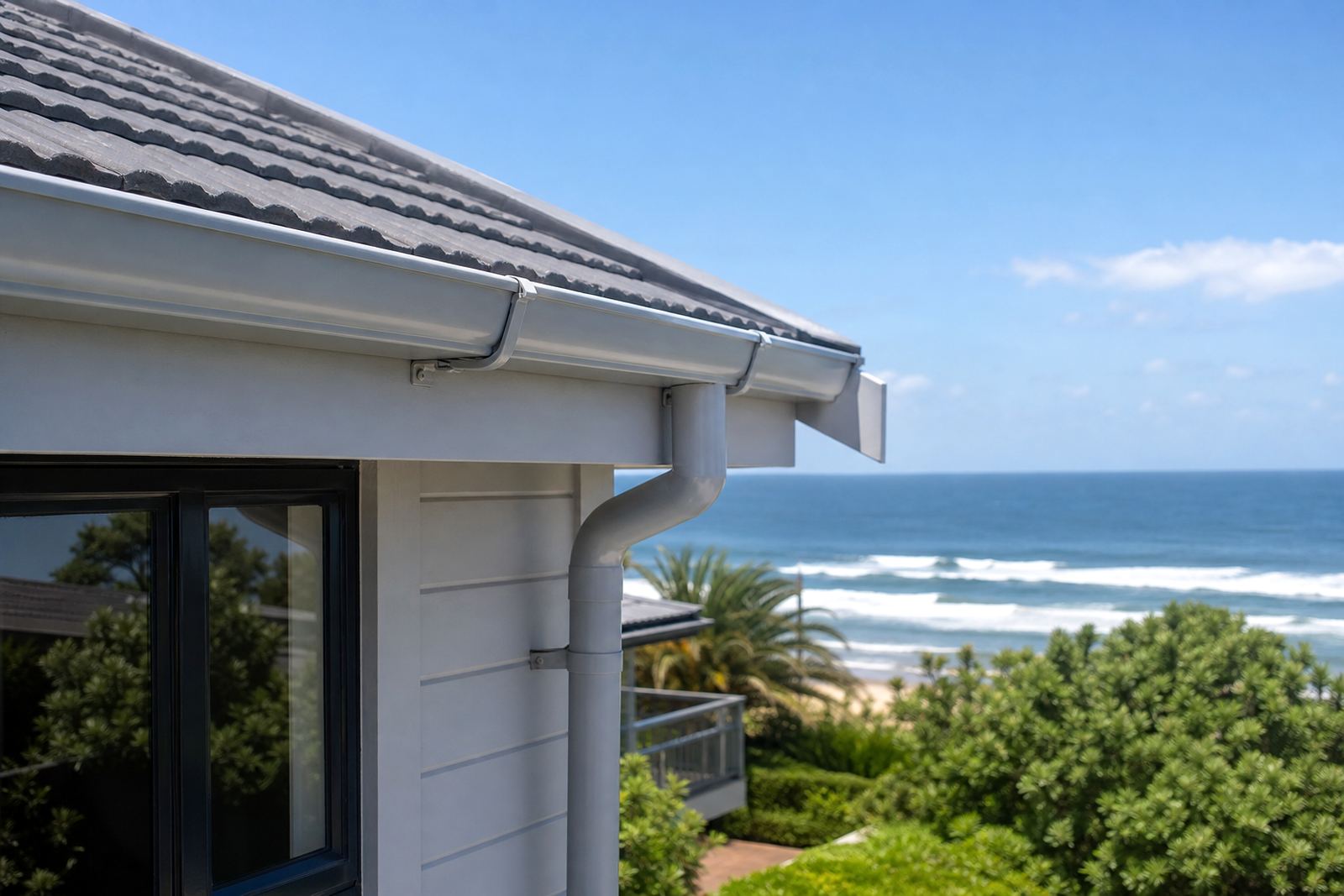

Choose the right roofline profile for the job
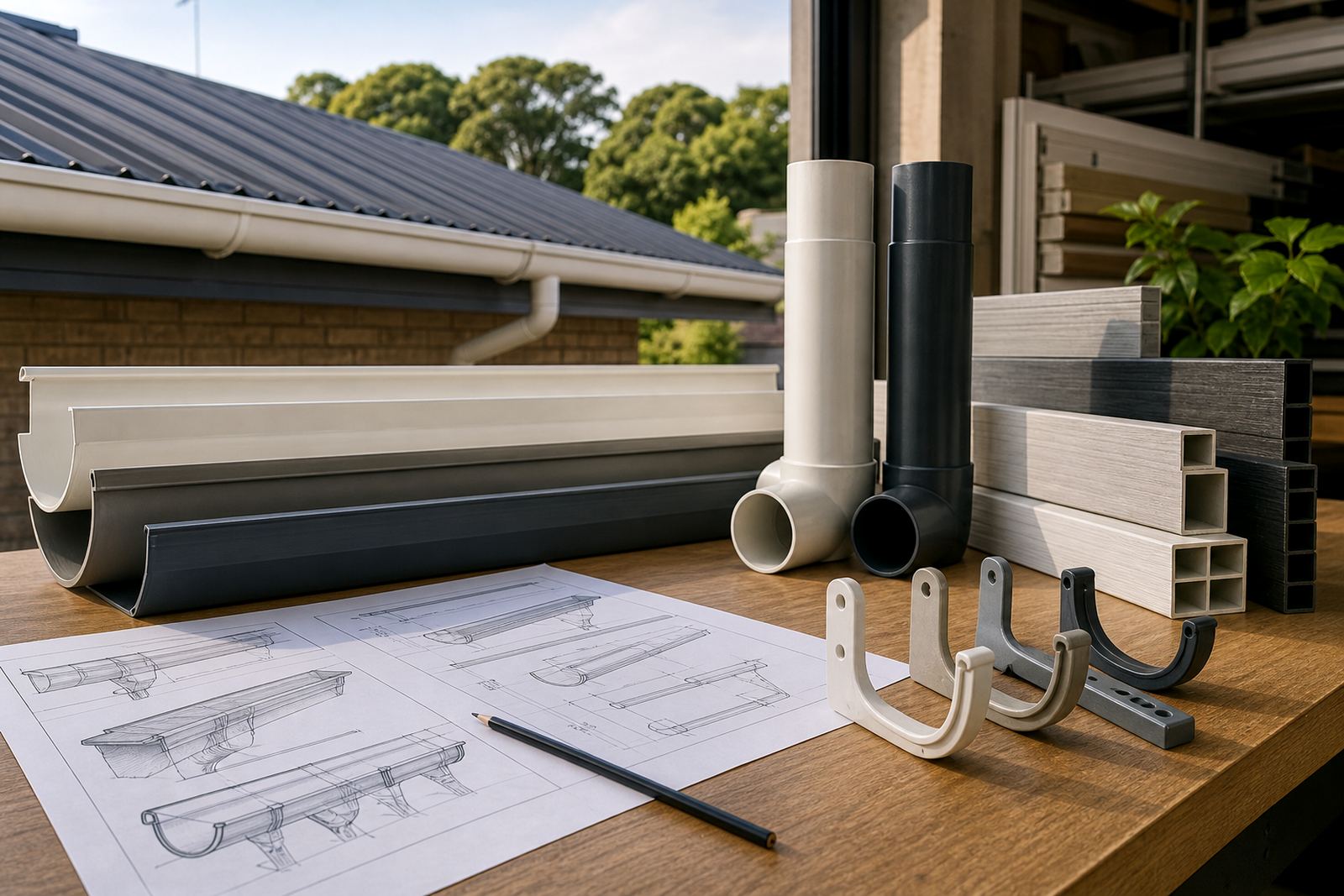
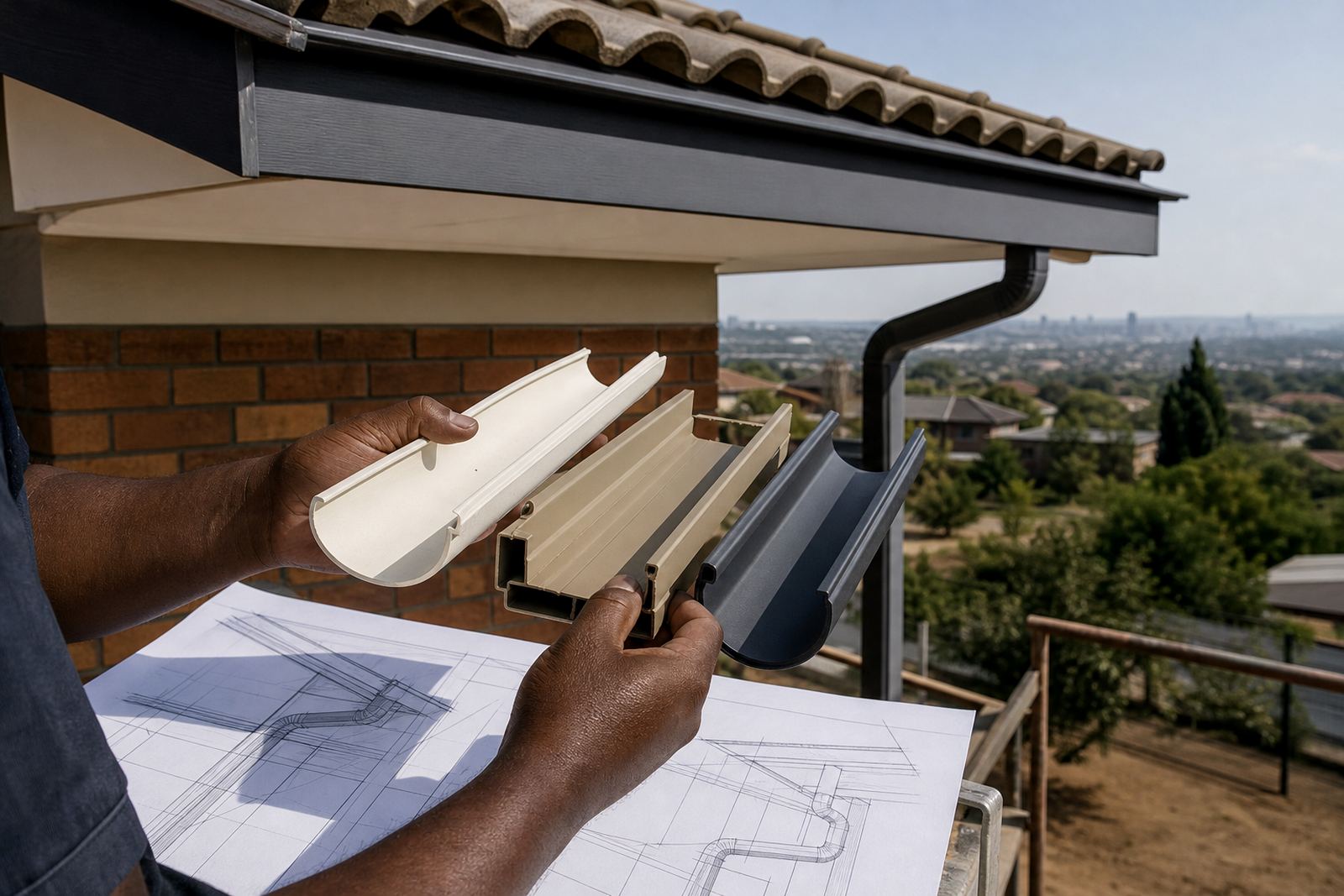
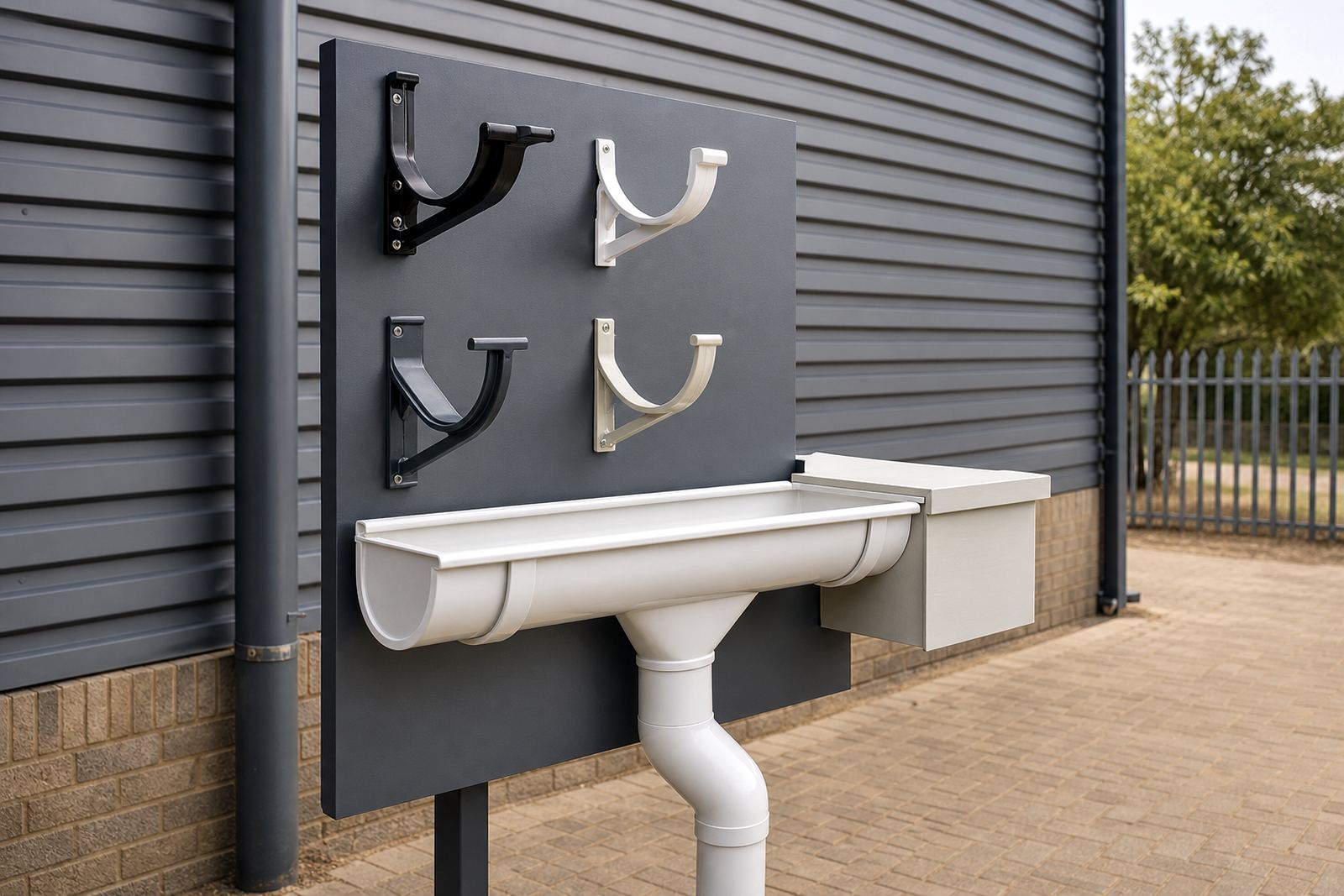
Different roofs call for different gutter shapes and fixing methods. A neat eaves line on a suburban home in Randburg does not call for the same section as a long commercial run in Pretoria or a coastal property in Durban where salt air and heavy rain can test the material. The guides here help you match the profile to the roof pitch, roof edge detail and expected water flow.
When comparing options, think about the amount of runoff from the roof area, the length of each run, and where the outlets will land. A well chosen profile helps reduce overspill at corners and keeps water moving toward the downpipe without ponding at low points.
Sizing matters before the first bracket goes up
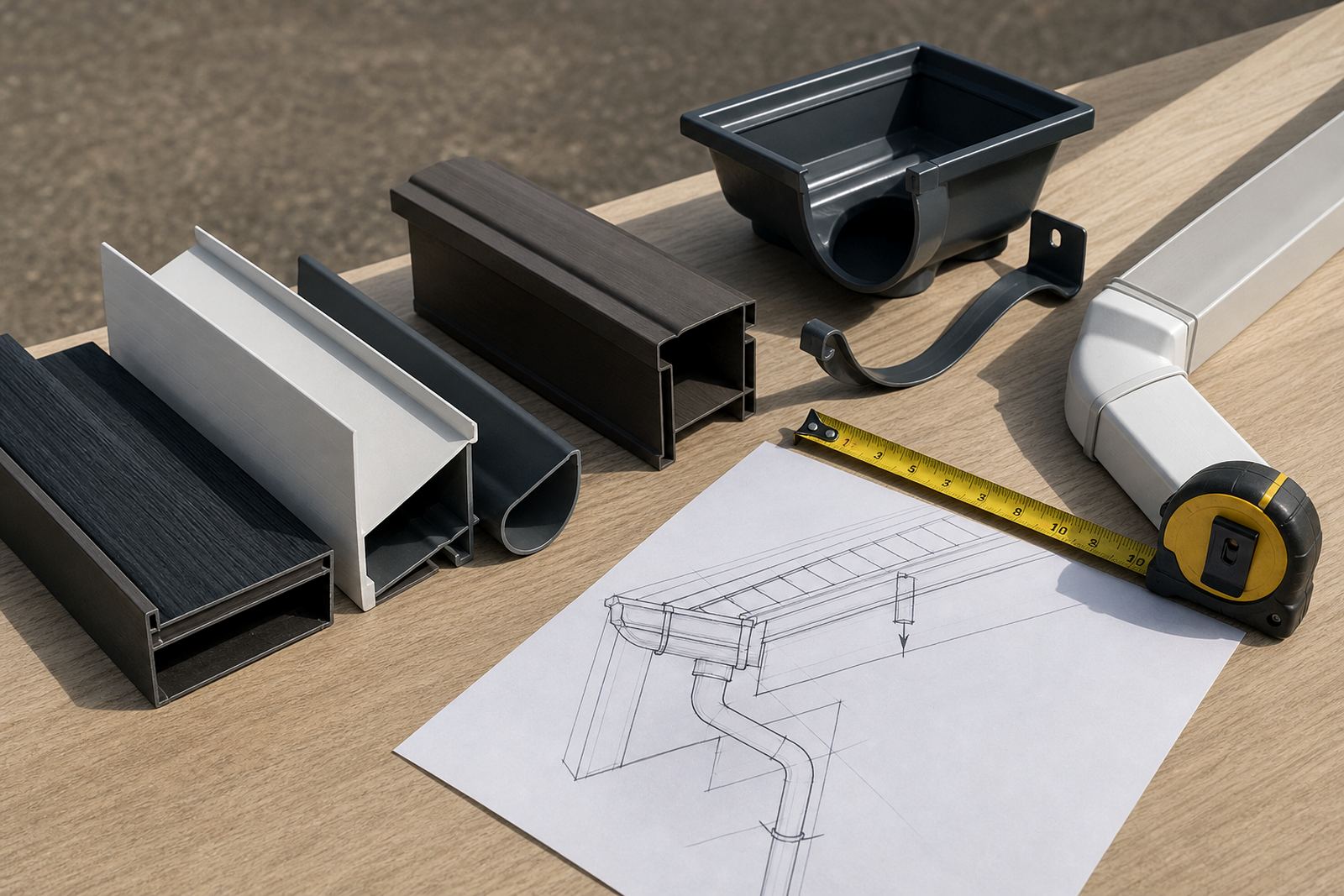
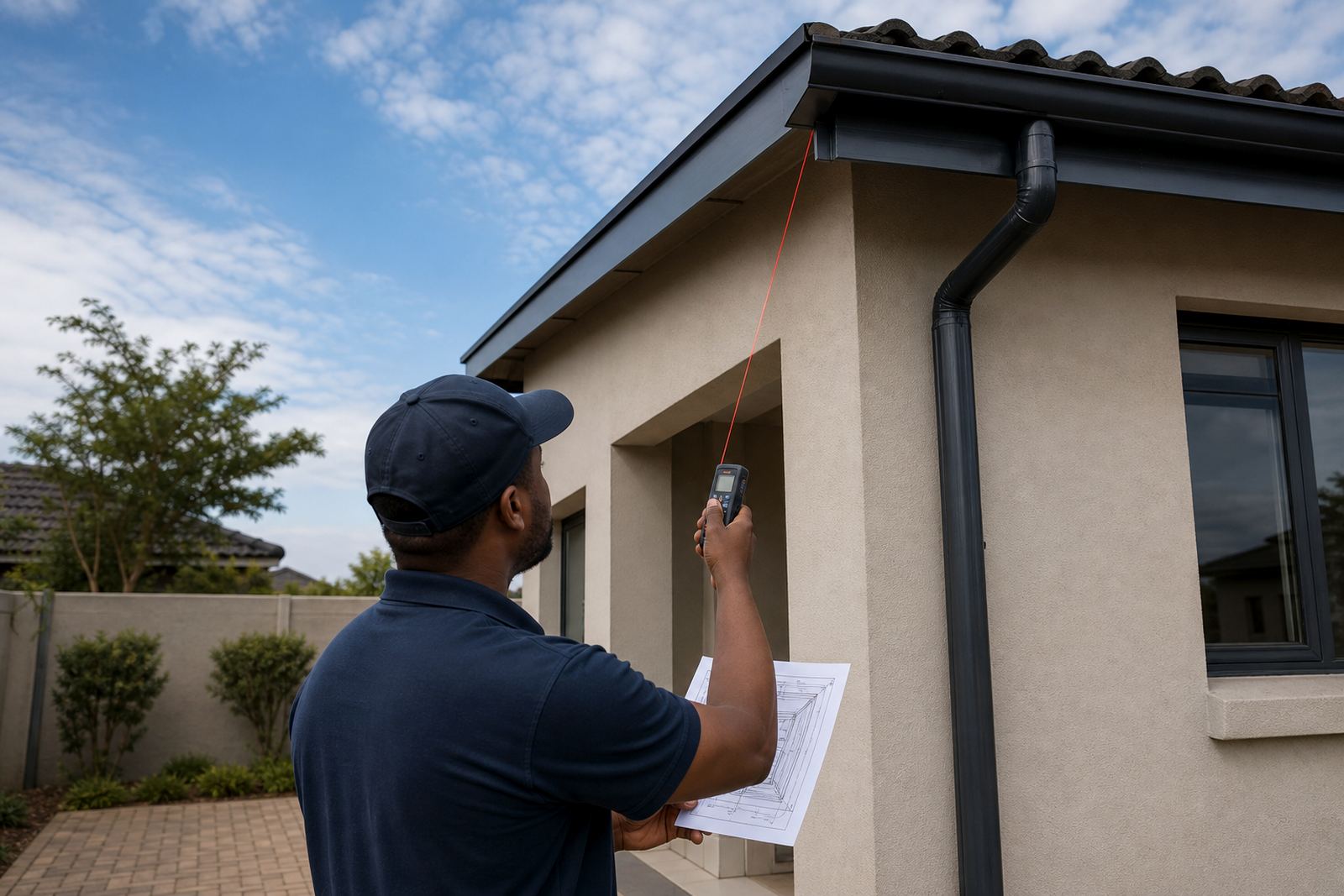
Gutter size is not guesswork. Width, depth and downpipe size all have to work together, otherwise the system can overflow in a summer storm or back up where the fall is too flat. Our sizing notes cover the common building checks used on site, from small house fronts to larger roof planes on commercial units.
- Measure each roof run separately, not as one total length.
- Allow for corners, unions and outlet positions.
- Match the downpipe size to the roof area feeding it.
- Keep enough fall for water to move, but not so much that the line looks uneven.
- Check where water discharges so it complies with local stormwater expectations.
Falls, brackets and the line of the gutter
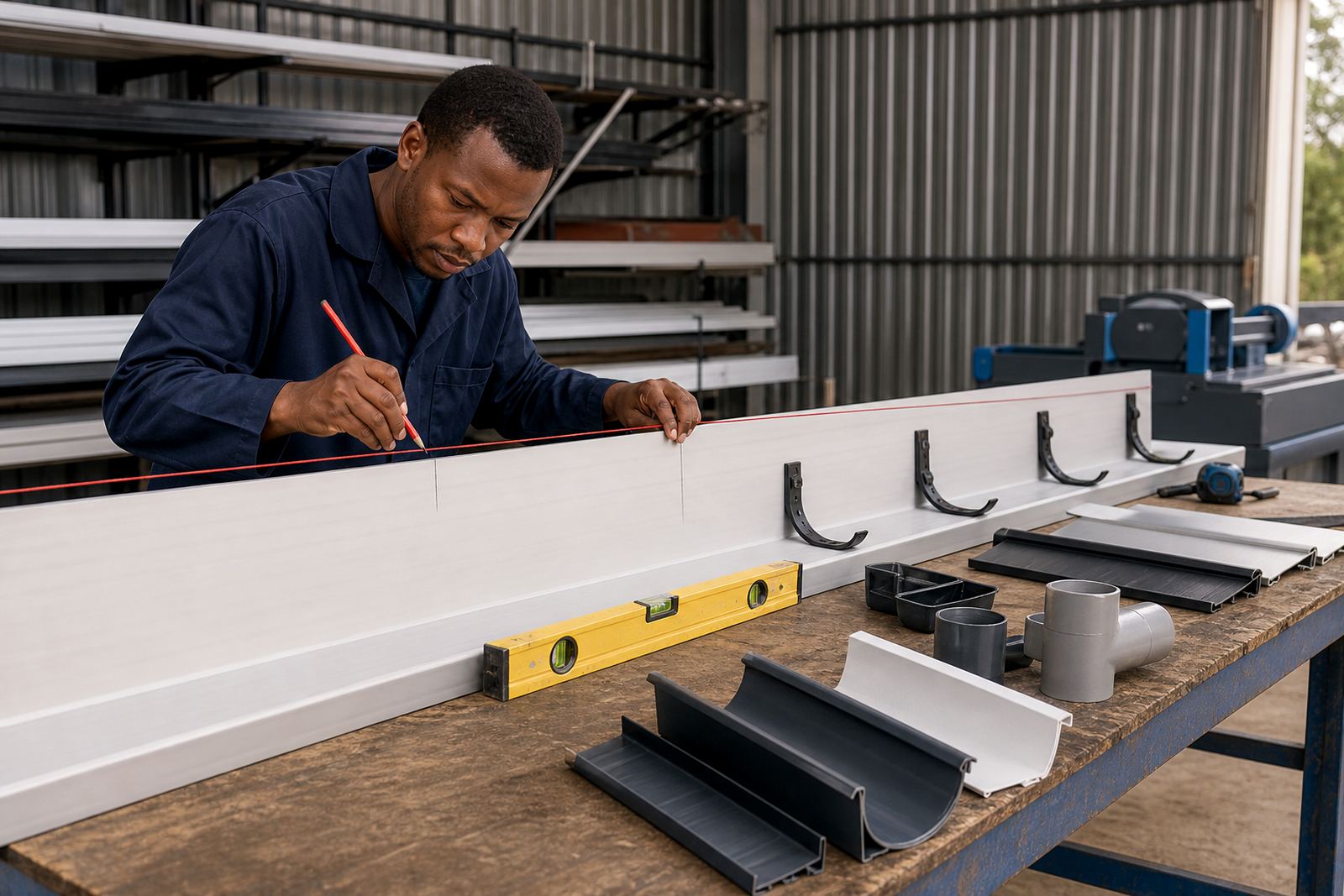
A gutter needs a controlled fall so water runs to the outlet instead of sitting in the channel. On longer runs, the correct bracket spacing and fixing line matter just as much as the profile itself. If the line is set poorly, debris catches faster and the system needs more cleaning.
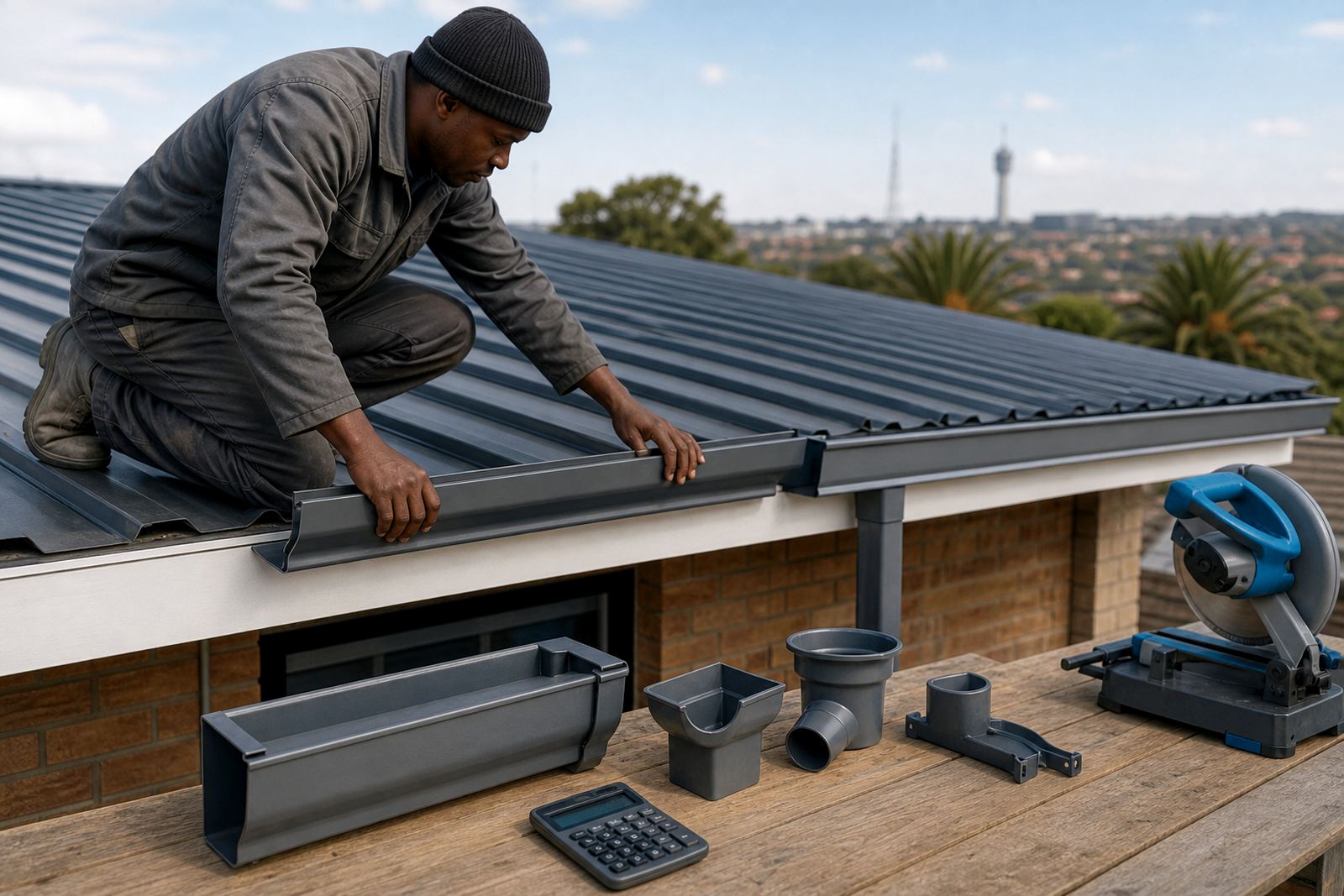
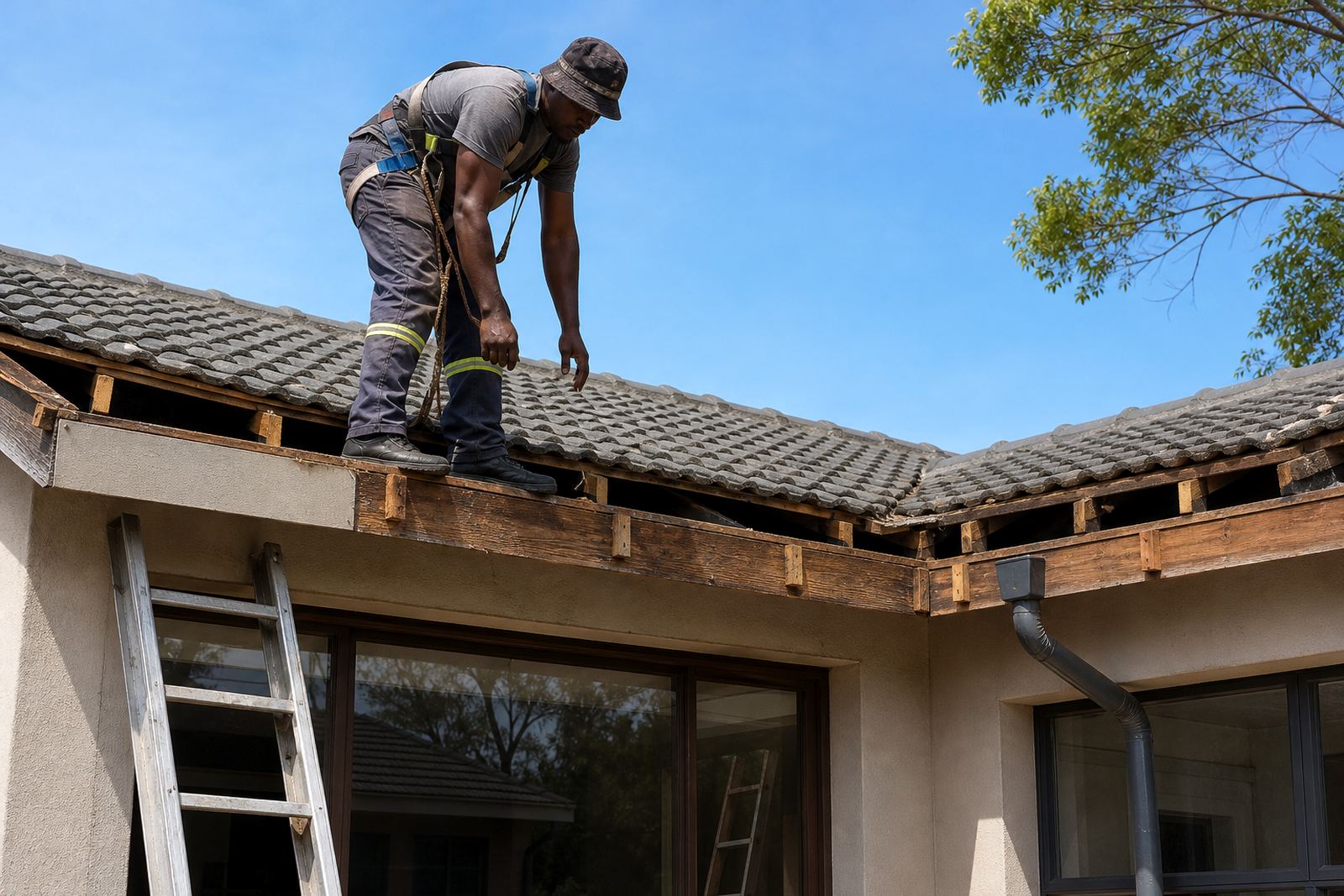
Our guides explain the practical parts of setting out the line, including bracket positions, corner support and the way fascia boards affect the final alignment. Roofline work at height must be done safely by competent people, with proper access equipment and care around slippery surfaces, especially after coastal rain or early morning dew.
Downpipes that carry the load without fuss
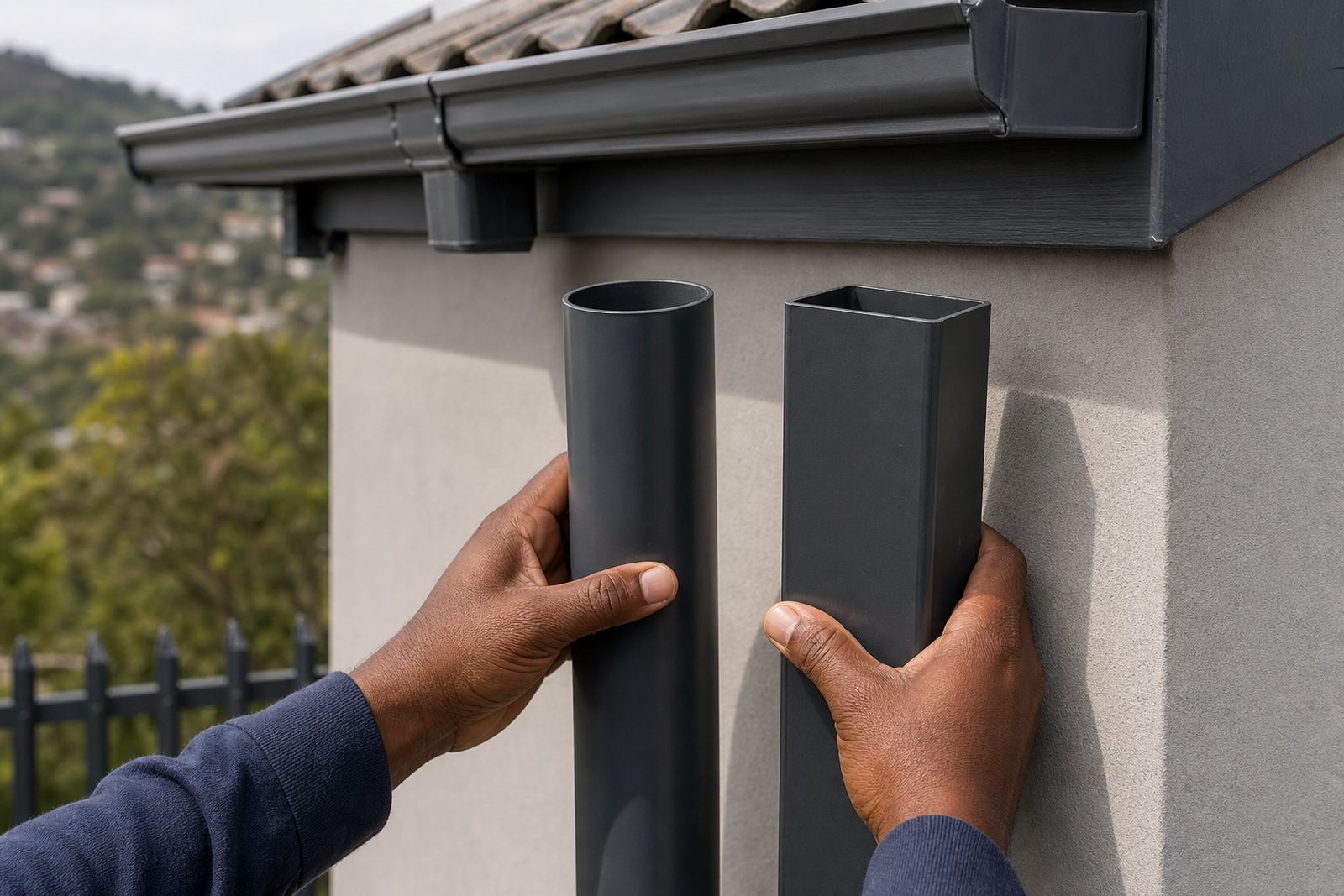
Downpipes need to move water away from the eaves and into a suitable discharge point. The number of downpipes, their size and where they are fixed all affect performance. For some roofs one pipe is enough, for others you need more than one outlet to avoid overflow during intense rain.
The guide set also helps with layout decisions around walls, corners and junctions. That includes where to place offsets, how to keep the run neat against the structure, and how to avoid awkward bends that trap leaves. In areas like Cape Town and Durban, where weather can shift quickly, good outlet planning is worth the effort.
Fascia boards that support the roof edge
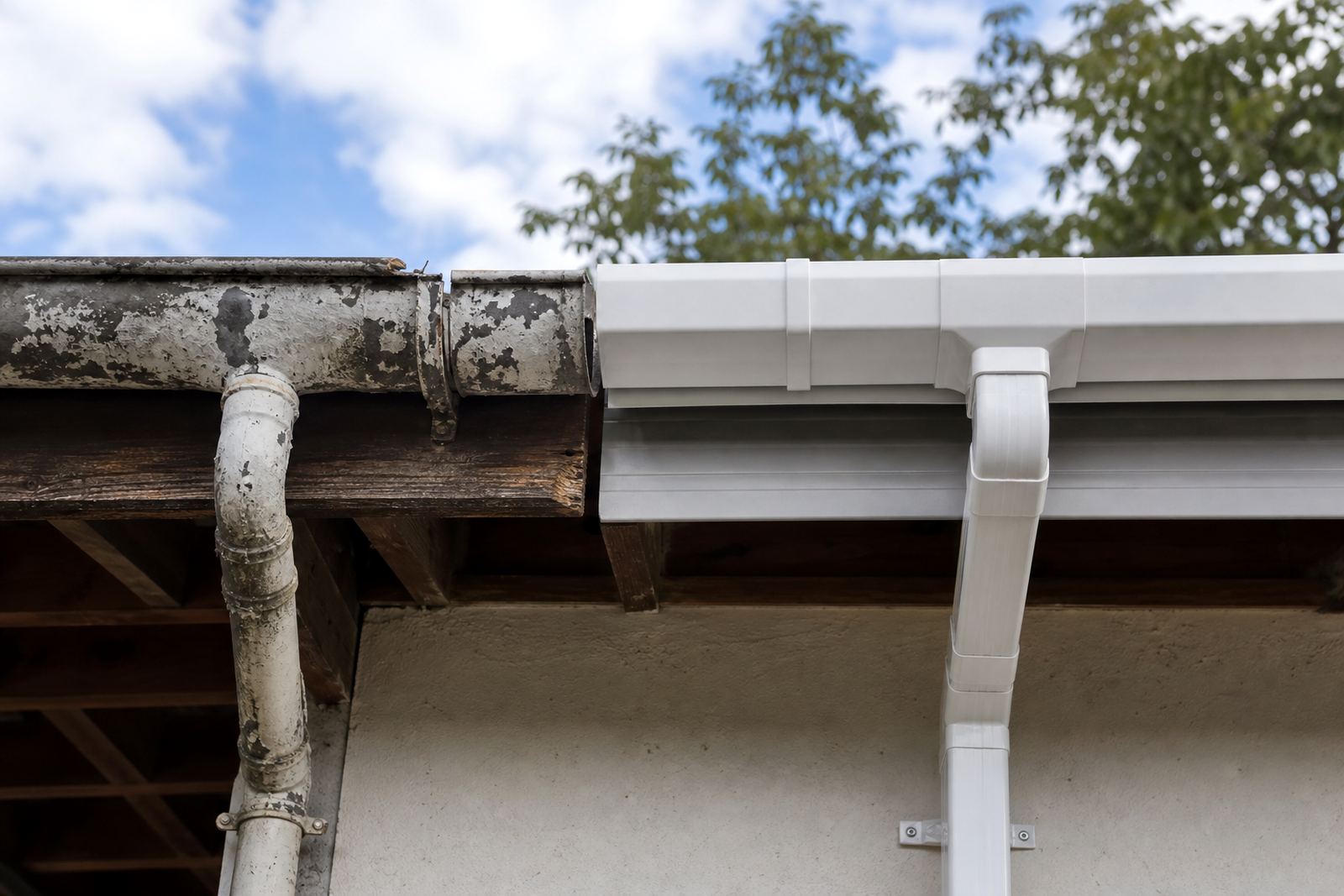
Fascia boards do more than hold the gutter line. They form the visible edge of the roof and help create a straight fixing point for the system. Material choice matters where moisture, sun and airborne grime are common, especially on coastal sites or homes with exposed roof edges.
- Check the board length and thickness against the roof edge details.
- Use straight, sound timber or suitable composite backing where needed.
- Keep fixings neat so the gutter line sits true.
- Inspect the board for rot, staining or movement before installation.
- Allow for paint or finishing where the roofline needs a cleaner look.
Cleaning, leak checks and practical maintenance
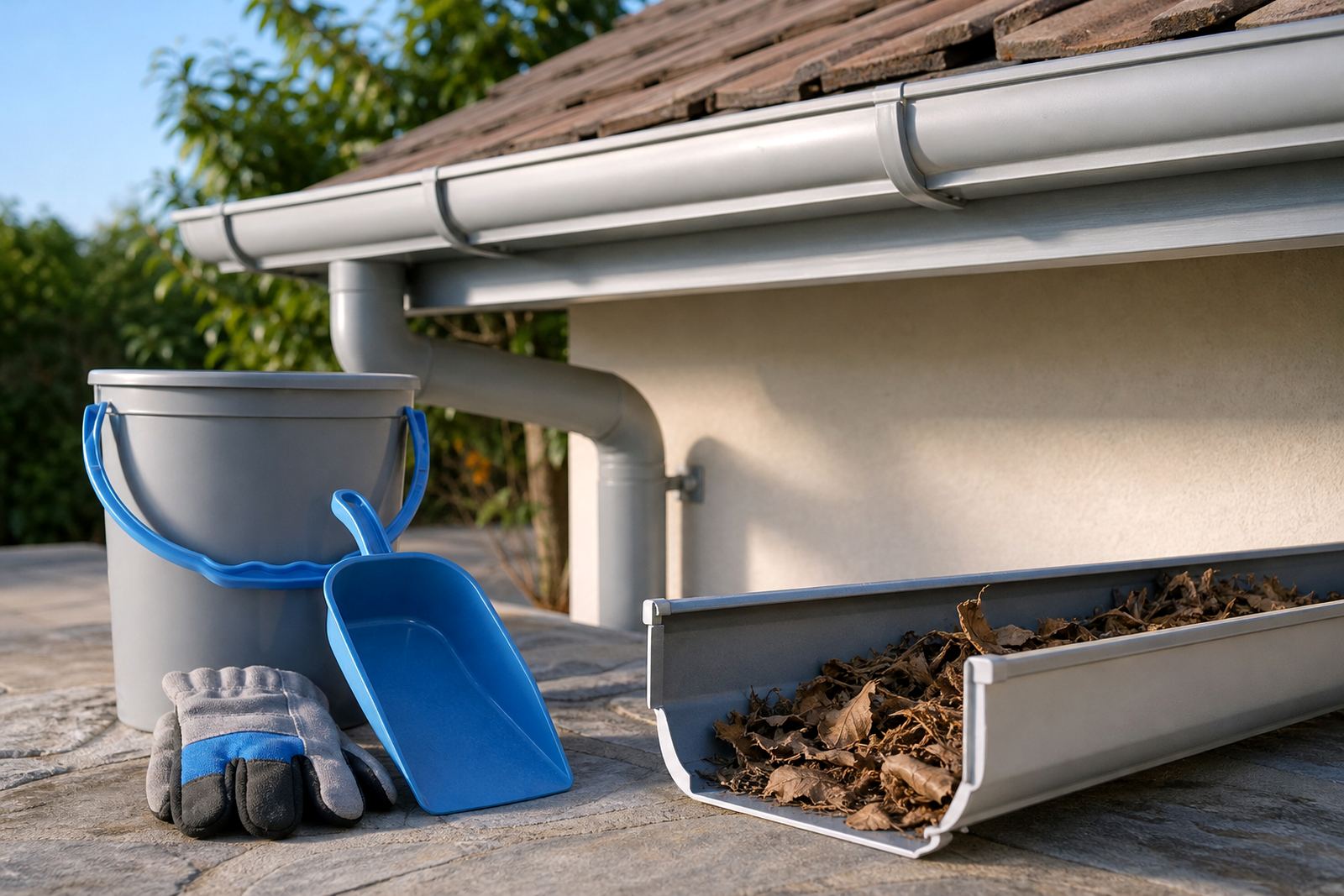
Even a good gutter system needs routine attention. Leaves, sand, roof grit and nesting material can build up, especially on treeside homes and older buildings. Regular checks help spot loose brackets, blocked outlets and small leaks before they lead to damp walls or stained paving.
The maintenance notes here are written for real site conditions, not theory. In Johannesburg and Pretoria, debris from winter winds can collect in corners. Near the coast, fixings and joins deserve extra attention because humidity and airborne salt can shorten service life if the system is ignored.
- Clear outlets and corners first, then wash out the run.
- Check for sagging between brackets.
- Look for small leaks at joins and end caps.
- Inspect downpipes for blockages at bends and ground level.
- Schedule leak checks after storms or roof repairs.
What to plan before ordering materials
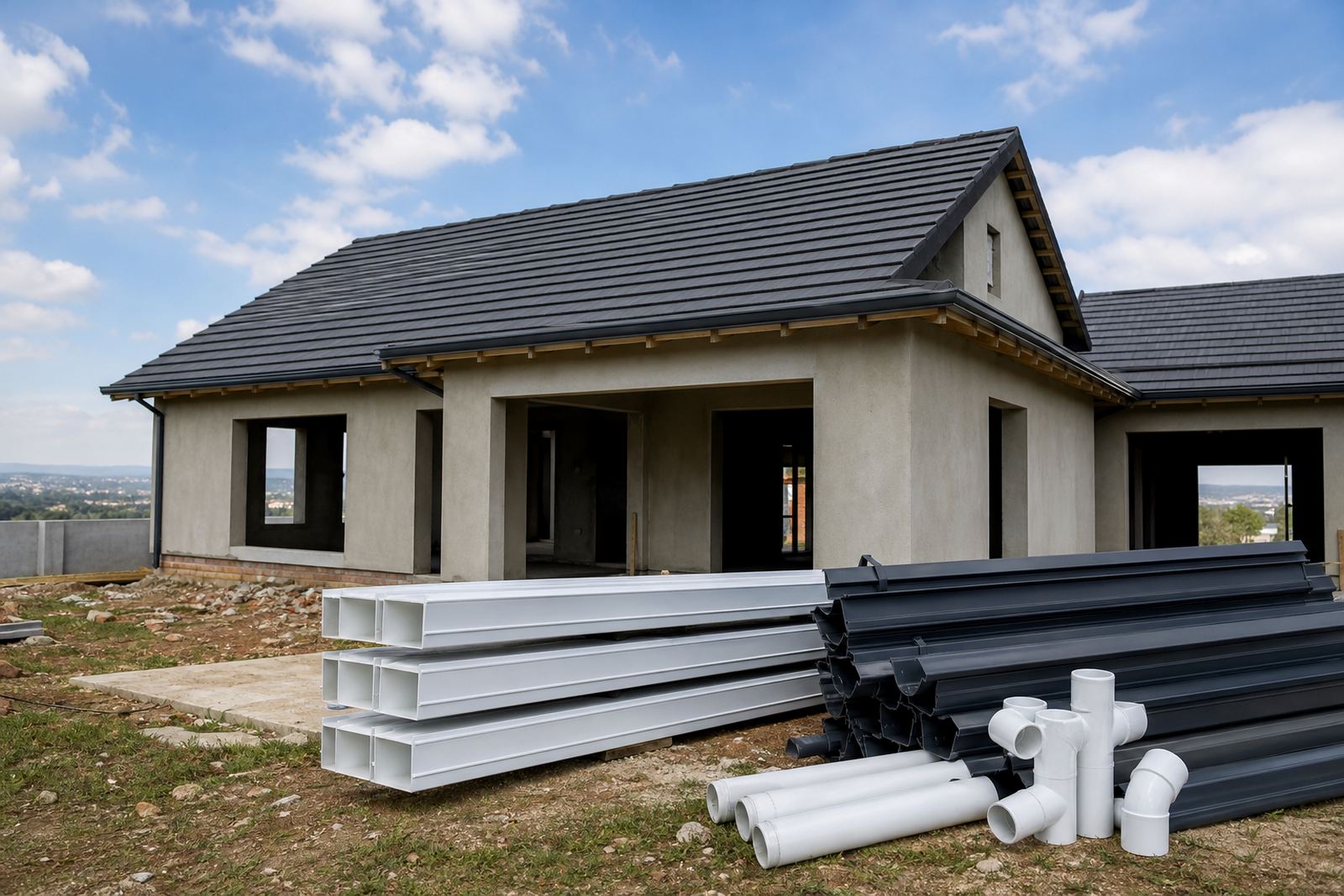
Good roofline planning saves time on site and helps builders order the right lengths, fittings and accessories the first time round. Gutter Guides cover the common choices around material supply, installation planning and delivery coordination for projects in Randburg, Midrand, Roodepoort and beyond.
If you are comparing options for a new build, a roofline replacement or a homeowner repair, start with the roof shape, the water flow path and the fixing surface. From there, the right mix of gutters, downpipes and fascia boards becomes much easier to specify.