What a fascia board is doing at the roof edge
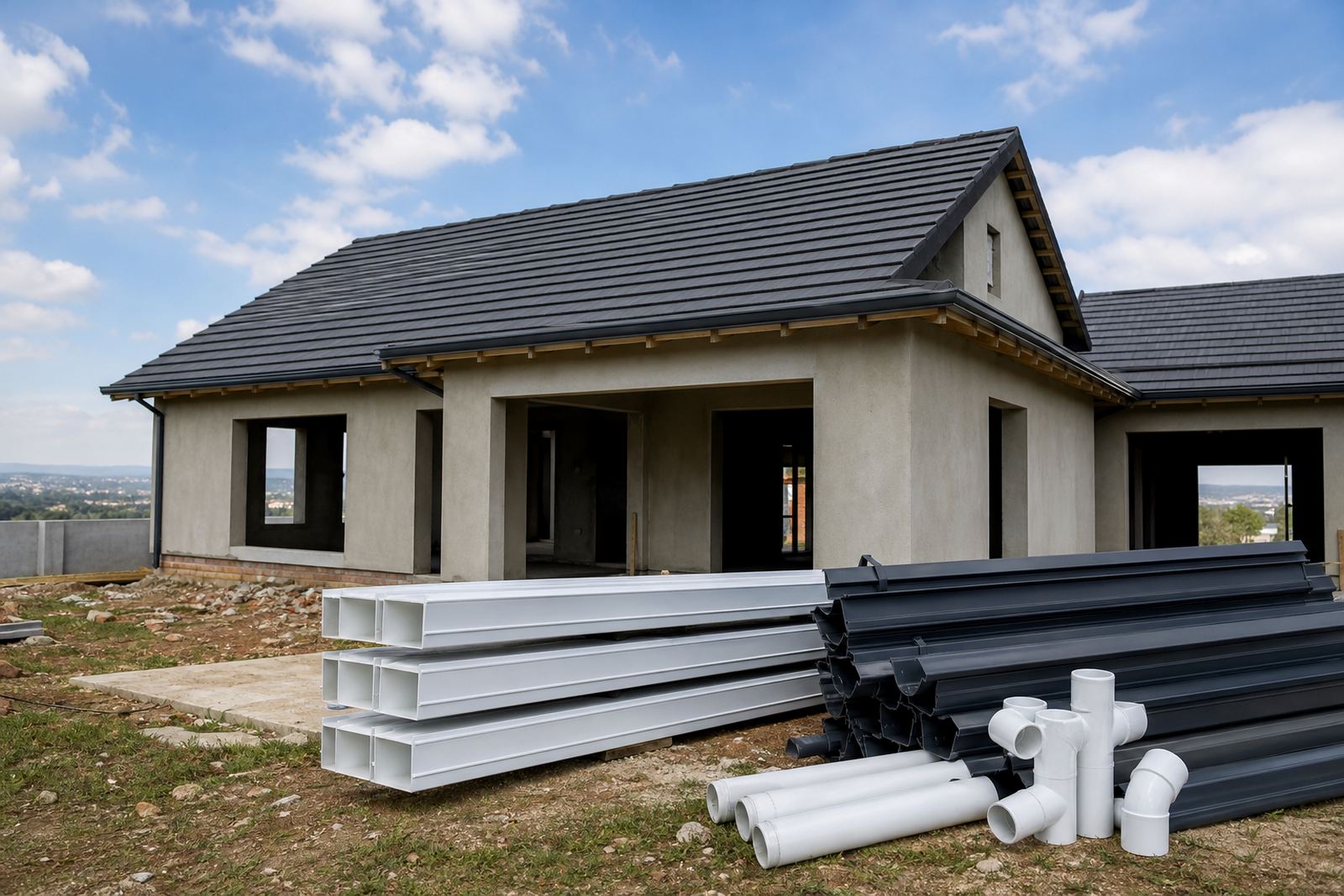
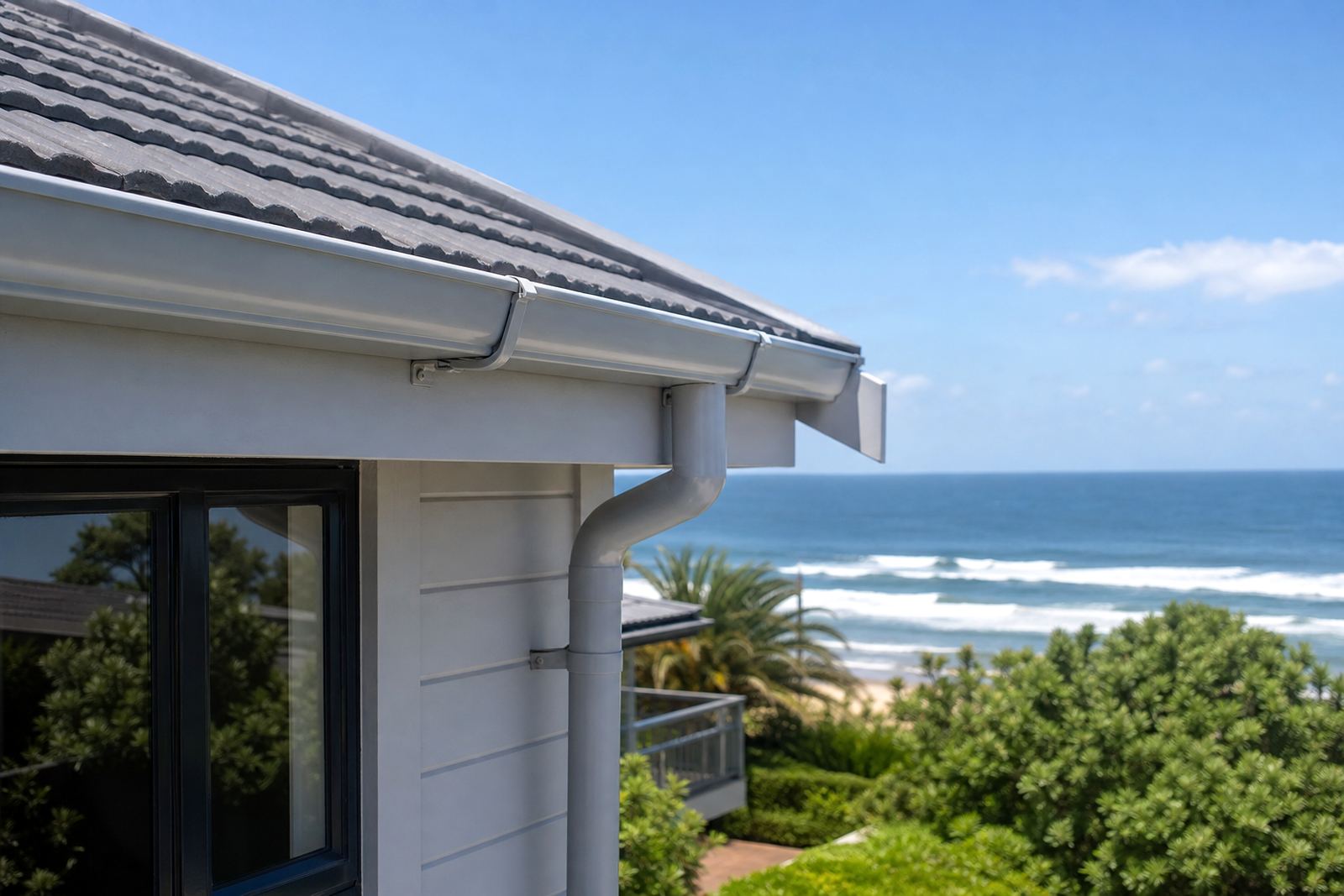
A fascia board runs along the lower edge of the roof and gives the gutter a straight fixing line. It also covers the rafter ends and helps form a neat edge where the roof covering meets the wall line. In many homes and small commercial buildings, the fascia sits in the same line as the gutter brackets so the water can run to the downpipes without awkward dips or twists.
When a fascia is sound, the whole edge looks tidier and the gutter system is easier to service. When it is split, bowed or badly cut, the gutter can pull away from the roof, water can overflow at the joins and the edge can start to trap moisture. In coastal areas and in places with heavy summer rain, that edge detail gets tested quickly.
Choose the right width before you order lengths
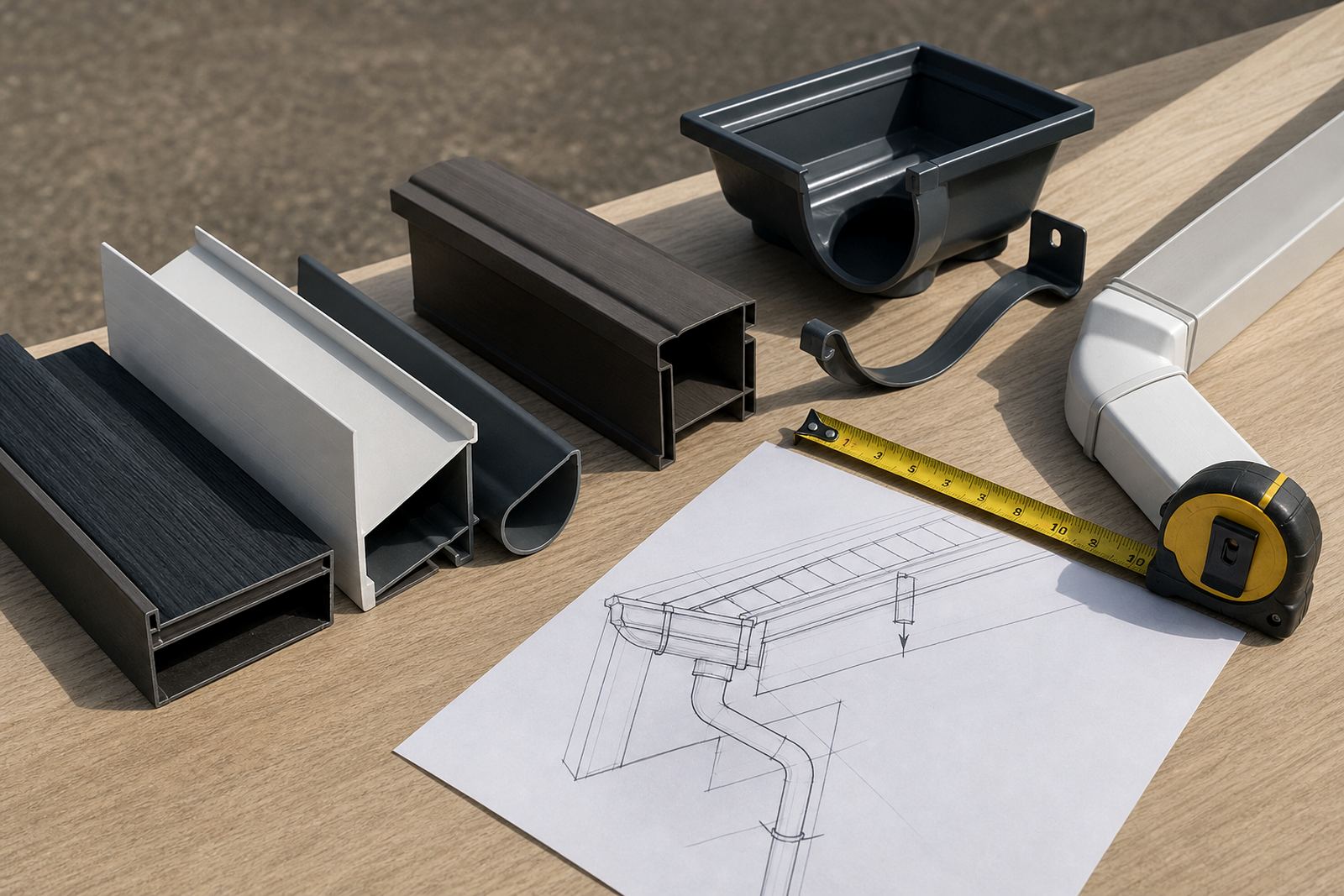
Fascia boards are usually chosen to match the depth of the rafter ends and the profile of the roof edge. A board that is too narrow will leave exposed timber or framing. A board that is too wide can crowd the gutter brackets and make alignment difficult. For replacement work, measure the visible face, the cover required and the return into any corner detail before placing the order.
- Measure the straight run in metres, then add for cuts and joins.
- Check the board width against the rafter end height and the gutter placement.
- Allow for corners, stop ends and any boxed roofline sections.
- Confirm whether the existing board is being covered, replaced or extended.
- Note if the roof edge is level or if there is a slight fall along the run.
On older properties in Johannesburg or Pretoria, you may find mixed fascia sizes where repairs were done in stages. It is worth checking every section instead of assuming the same width runs the full length.
What to inspect before replacing old fascia boards
Before ordering replacement lengths, look beyond the visible surface. A fascia board can look acceptable from the ground while the fixing line behind it has softened, warped or pulled loose. If the gutter has been leaking, water may have entered the board from the top edge and travelled behind the paint or wrap layer.
- Check for swelling, cracking, rot or movement along the full run.
- Look at the junction where the fascia meets the barge or corner trim.
- Inspect the nail or screw line for looseness and rust staining.
- Check whether the gutter brackets are anchored into sound material.
- Look for dark marks, damp patches or insect damage near the roof edge.
If the roofline has been patched more than once, the safest approach is to assess the full section, not just the worst-looking board. A partial repair may work for a while but a badly aligned joint can force the gutter out of line and place extra stress on the fixings.
How falls, brackets and joints affect the board choice
The fascia itself does not set the gutter fall, but it has to support the gutter line without twisting. A proper fall in the gutter helps water move towards the downpipe instead of sitting in low points. That means the fascia must be straight enough for the brackets to follow the line, not the other way round.
Brackets are normally set at regular spacing and should be fixed into solid material. If the fascia is uneven, the gutter can end up with dips, especially after a heavy storm. At joints, the board ends should meet cleanly and be secured so the line stays tight. In windy parts of Cape Town or Durban, loose edges can chatter, shift or open at the joins if they are not fixed properly.
For long runs, check whether you need intermediate support or a joint position that avoids a weak point near a downpipe outlet. A neat board line makes the gutter installation easier and reduces maintenance later.
Material checks for South African conditions
South African roofs face strong sun, dust, summer rain and, in many areas, salty air or high humidity. A fascia board should keep its shape, stay stable in heat and cope with repeated wetting and drying. Where the building is close to the coast, attention to edge sealing and fixing detail matters even more because corrosion and moisture move faster.
When comparing materials, ask how the board handles cutting, drilling and long runs without bowing. Check whether the surface finish will suit repainting or direct exposure. If the board will sit under a metal roof sheet, make sure the top edge and any exposed ends are protected from moisture entry. For builders working on estates, schools or retail blocks, matching the fascia profile across several units helps keep the roofline consistent.
Plasteel supplies plastic-steel composite fascia options for builders and homeowners who want a practical roof edge material for local conditions. The point is not only appearance, but how the board behaves after months of sun and rain.
A practical ordering checklist for replacement lengths
If you are replacing fascia boards, take a clear set of measurements before the materials are cut or delivered. That saves site visits that should have been avoided and helps the installer work with fewer surprises on the day.
- Total length of each straight run in metres.
- Board width needed for the visible face and cover.
- Corner details, joins and stop ends.
- Condition of the existing roof edge and fixings.
- Number and position of gutter brackets and outlets.
- Whether the work is a repair, full replacement or part of a roofline renewal.
For projects in Randburg, Midrand, Roodepoort and across Gauteng, it helps to separate supply details from installation details. Materials can be prepared to suit the roofline, while the actual fitting should be handled by competent people working safely at height. That keeps the edge straight and lowers the chance of avoidable damage to the roof covering.
Keeping fascia boards tidy after installation
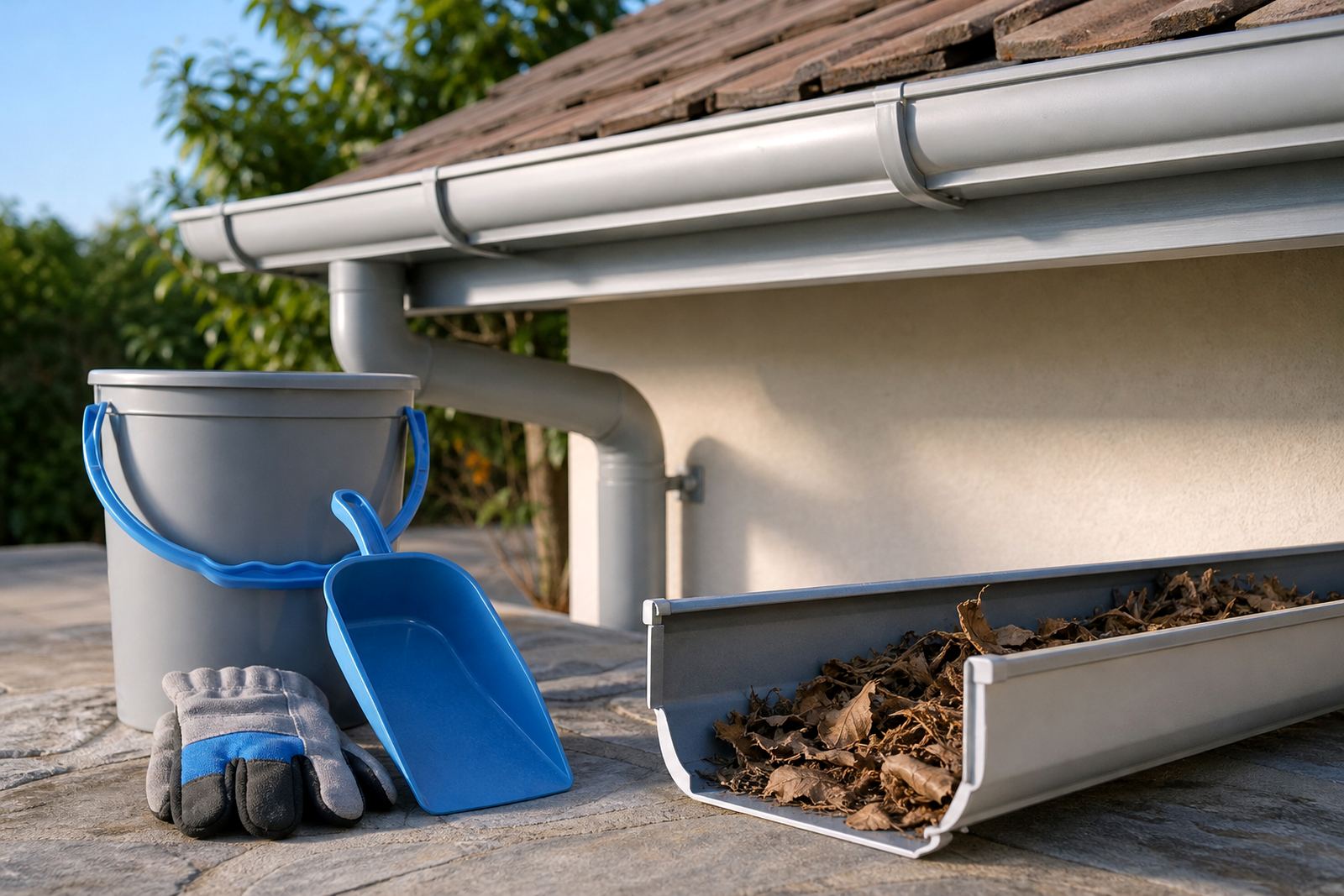
Maintenance is usually straightforward if the board was fitted correctly. Wash off dust, leaf litter and roof grit from time to time so dirt does not hold moisture against the surface. Check after heavy rain for loose joints, overflowing gutters or stains below the downpipe outlet. Small issues are easier to sort before they travel into the roof structure.
Look out for paint failure, movement at the corners and any gaps where birds or debris can settle. If the gutter is carrying water over the edge, the fascia may simply be the first place the problem shows up. A clean roofline, with the gutters aligned and the board ends sealed, gives a better result and less call-out work later on.