


Roof edges that need a neat, measured finish
Roofline work starts at the edge of the roof, where water must move cleanly into the gutter and away from walls, paving and foundations. On tiled and sheeted roofs alike, fascia boards help hold the line straight, support the gutter fixing points and give the eaves a tidy finish. In coastal towns the finish needs to handle salt air, while inland sites often deal with strong sun, dust and heavy summer storms.
Plastic-steel composite materials are commonly chosen for these jobs because they suit long runs, corner changes and repeated wet and dry cycles. The right profile and thickness depend on the roof span, the roof pitch and how quickly water must be carried off the roof face.
Homes, complexes and renovations
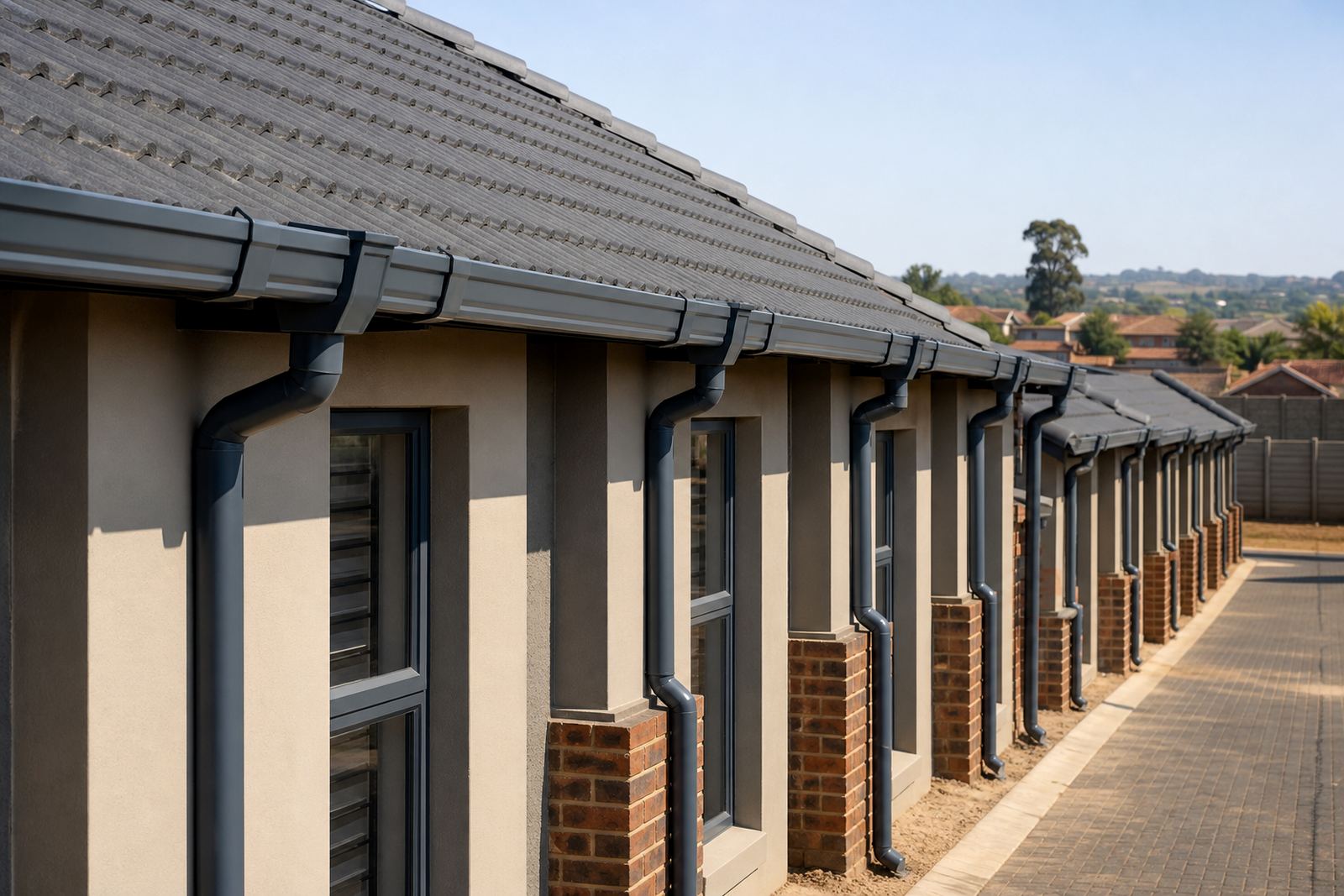
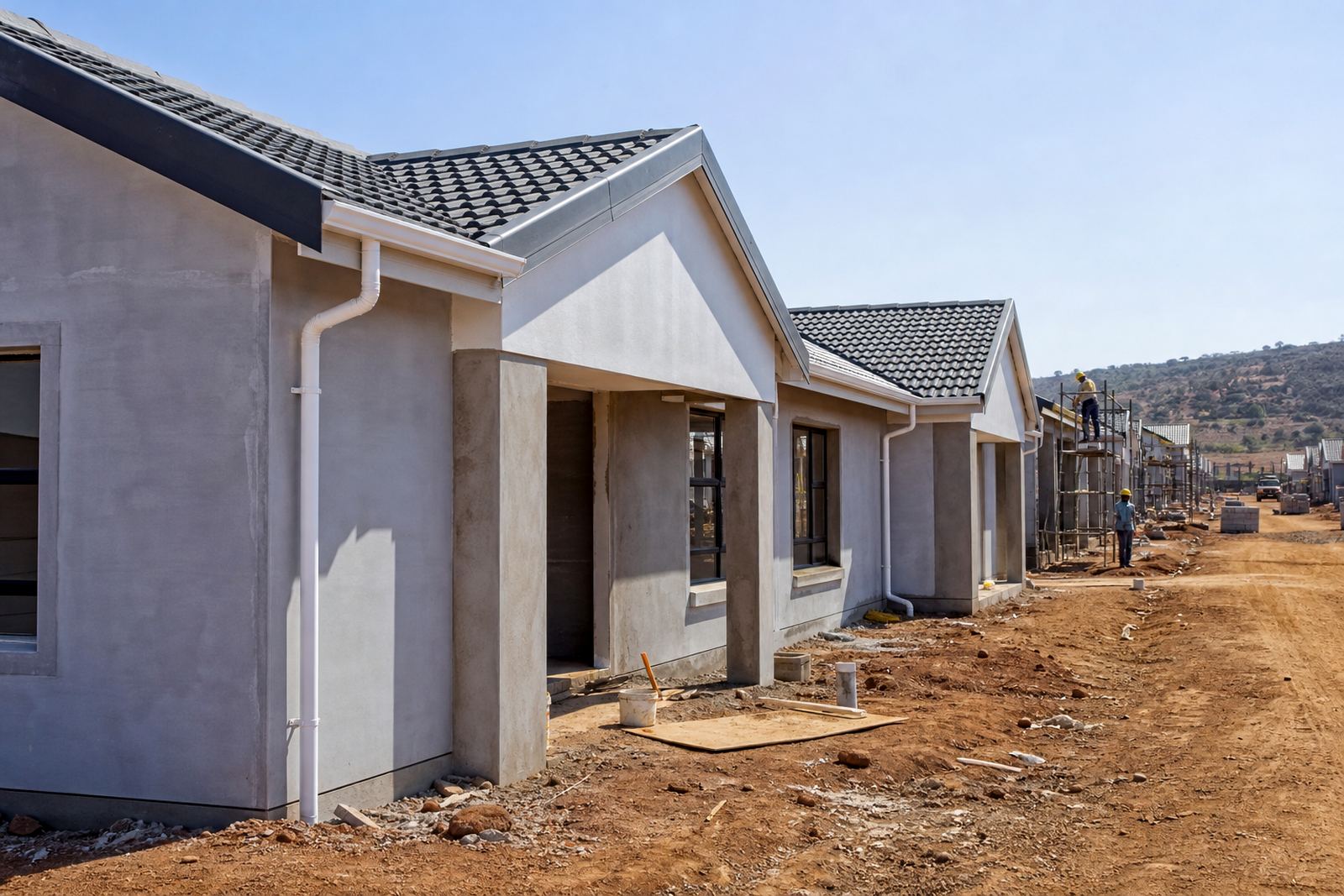
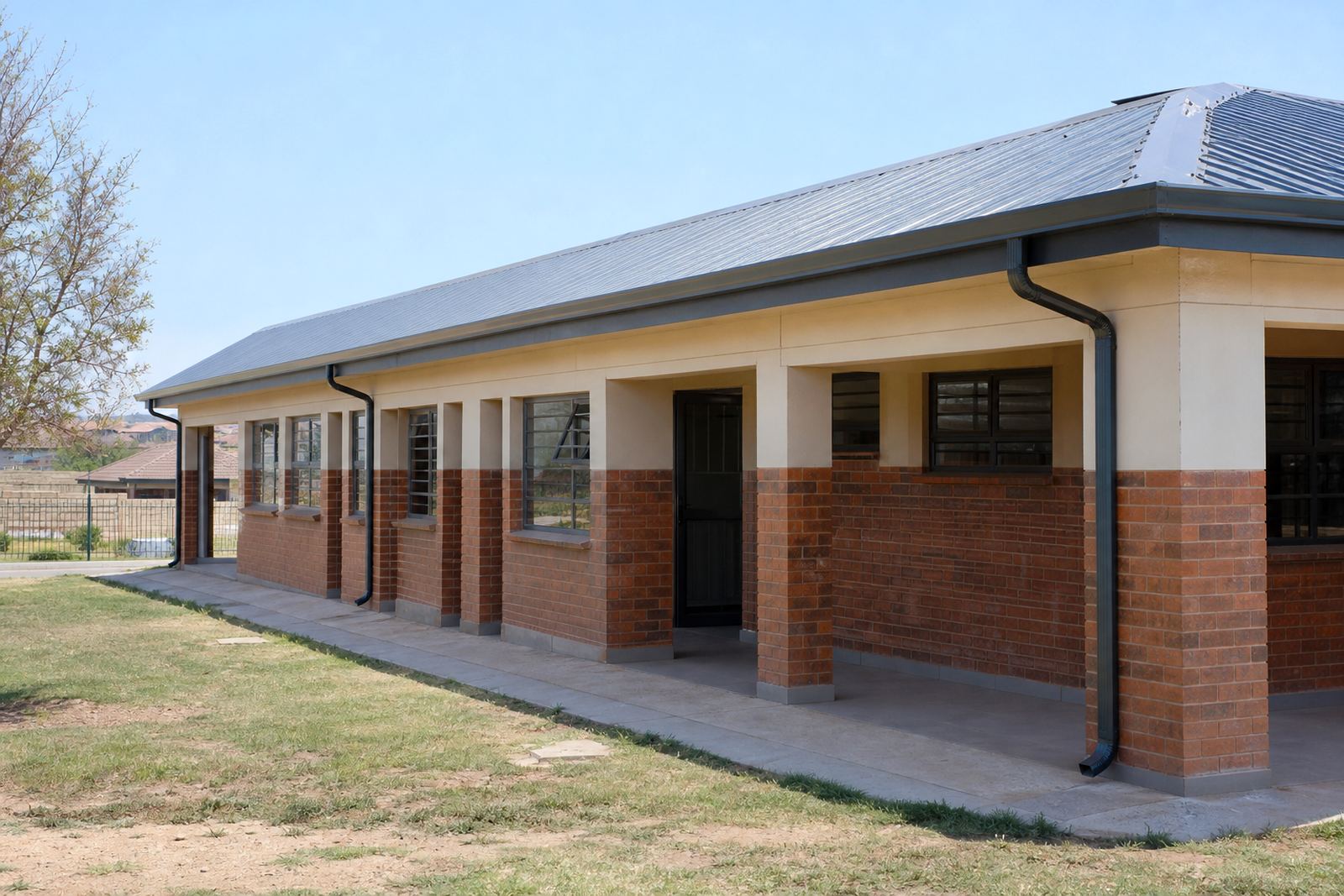
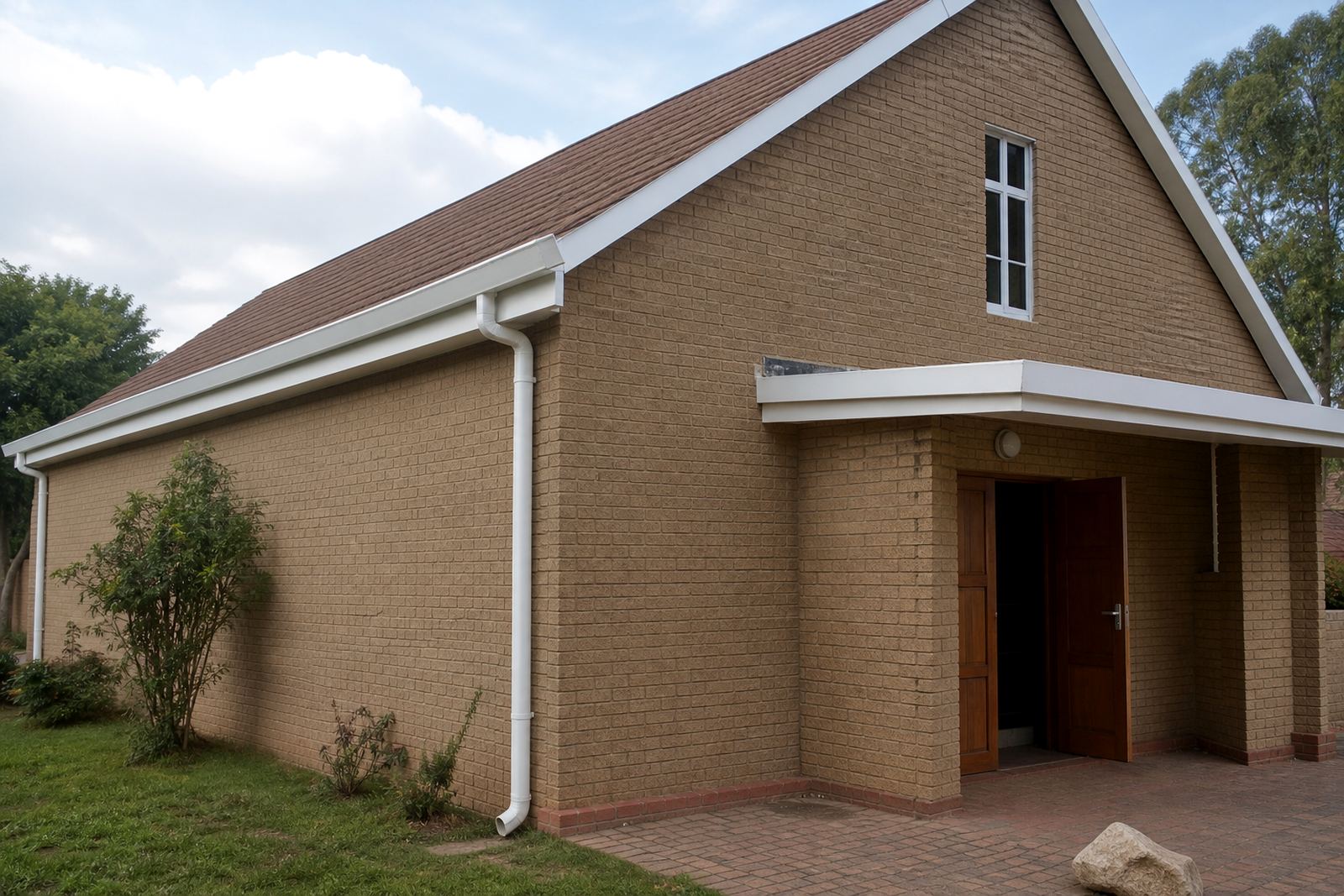
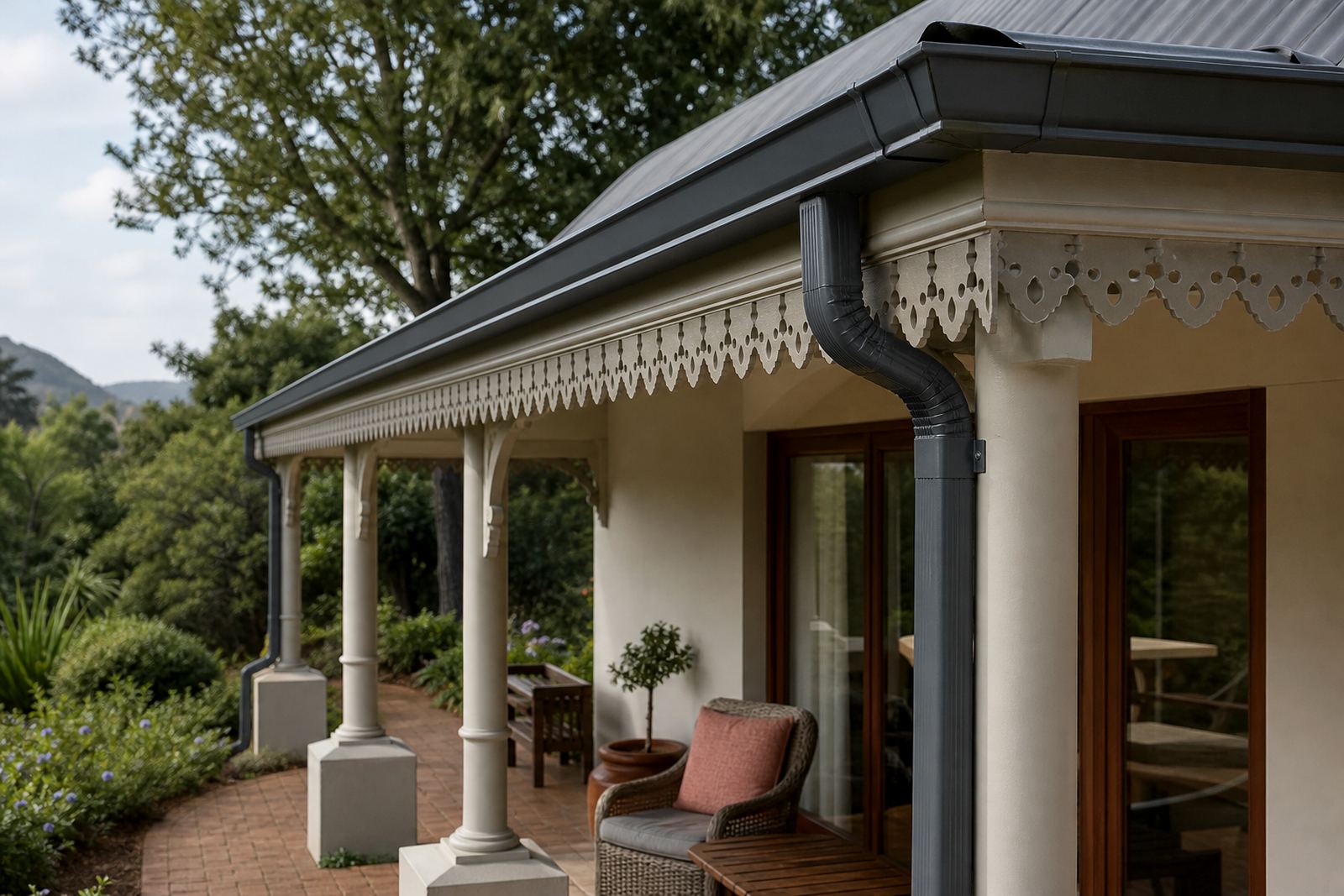
For houses, townhouse blocks and small residential complexes, roofline design usually needs to balance appearance with practical drainage. A narrow gutter on a small verandah is not the same as a long run along a double-storey home, and the fall must be set correctly so water does not sit in the line. Brackets should be spaced to suit the loading and the fixing points in the fascia or rafters.
- Single-storey homes with short eaves and modest runoff
- Double-storey houses needing careful ladder access and safe working at height
- Townhouses, flats and sectional title blocks with repeated roof sections
- Renovations where old timber fascia has to be replaced before new gutters go on
On older properties, a roofline replacement often begins with a check for sagging runs, split boards and old fixings that have pulled loose over time. If the fall is wrong, the gutter may overflow at the low points and show stains on walls below.
Commercial roofs and service buildings
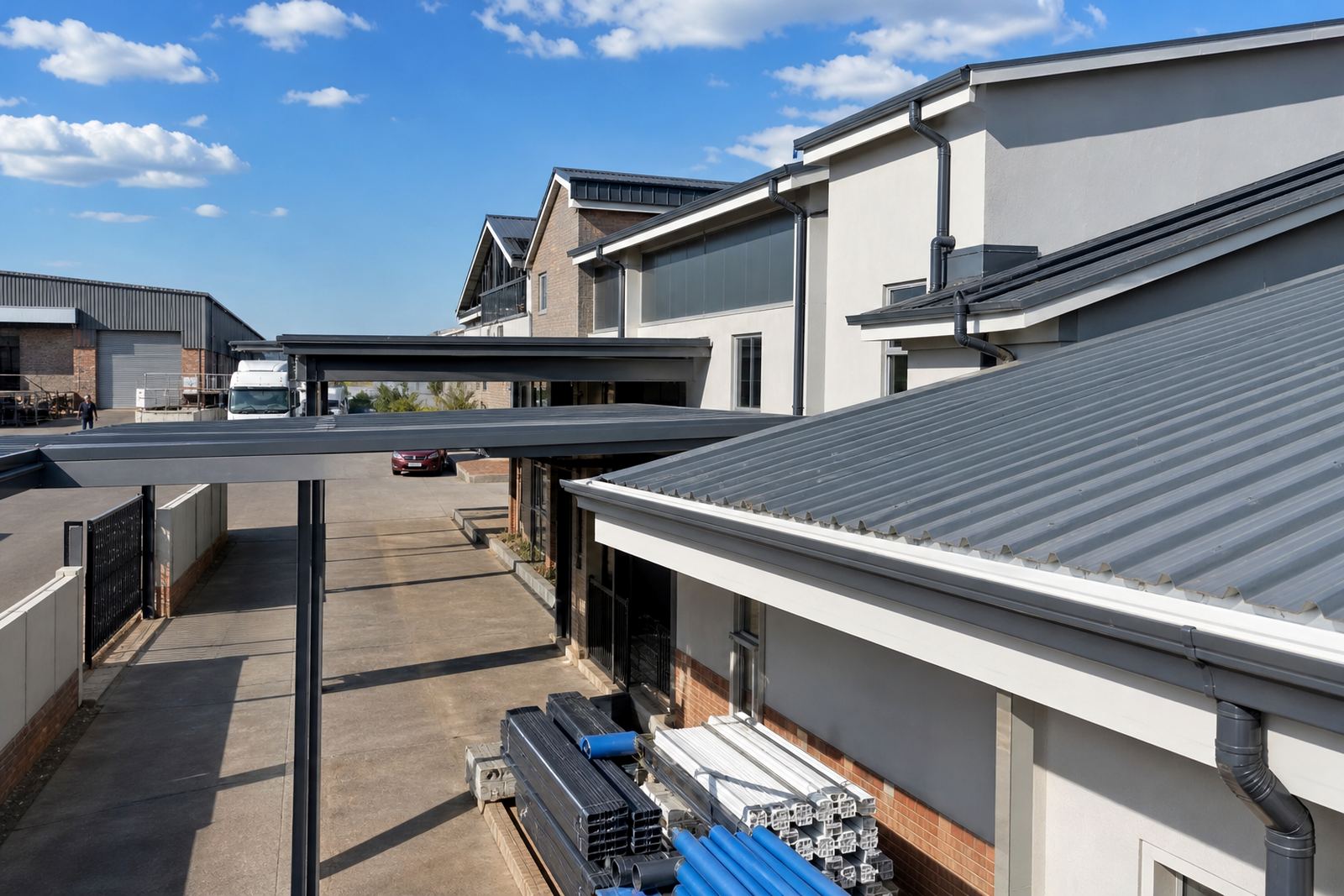
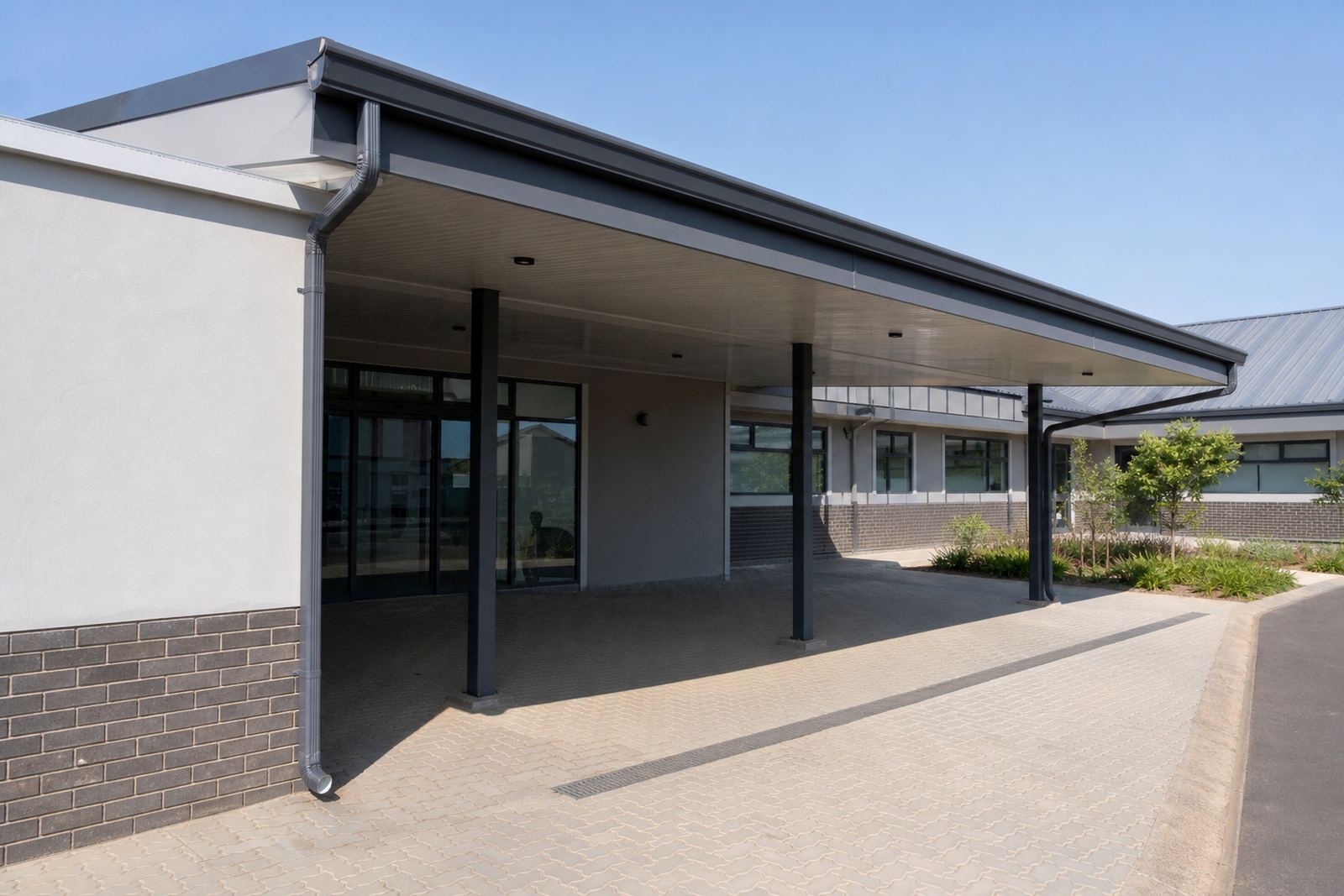
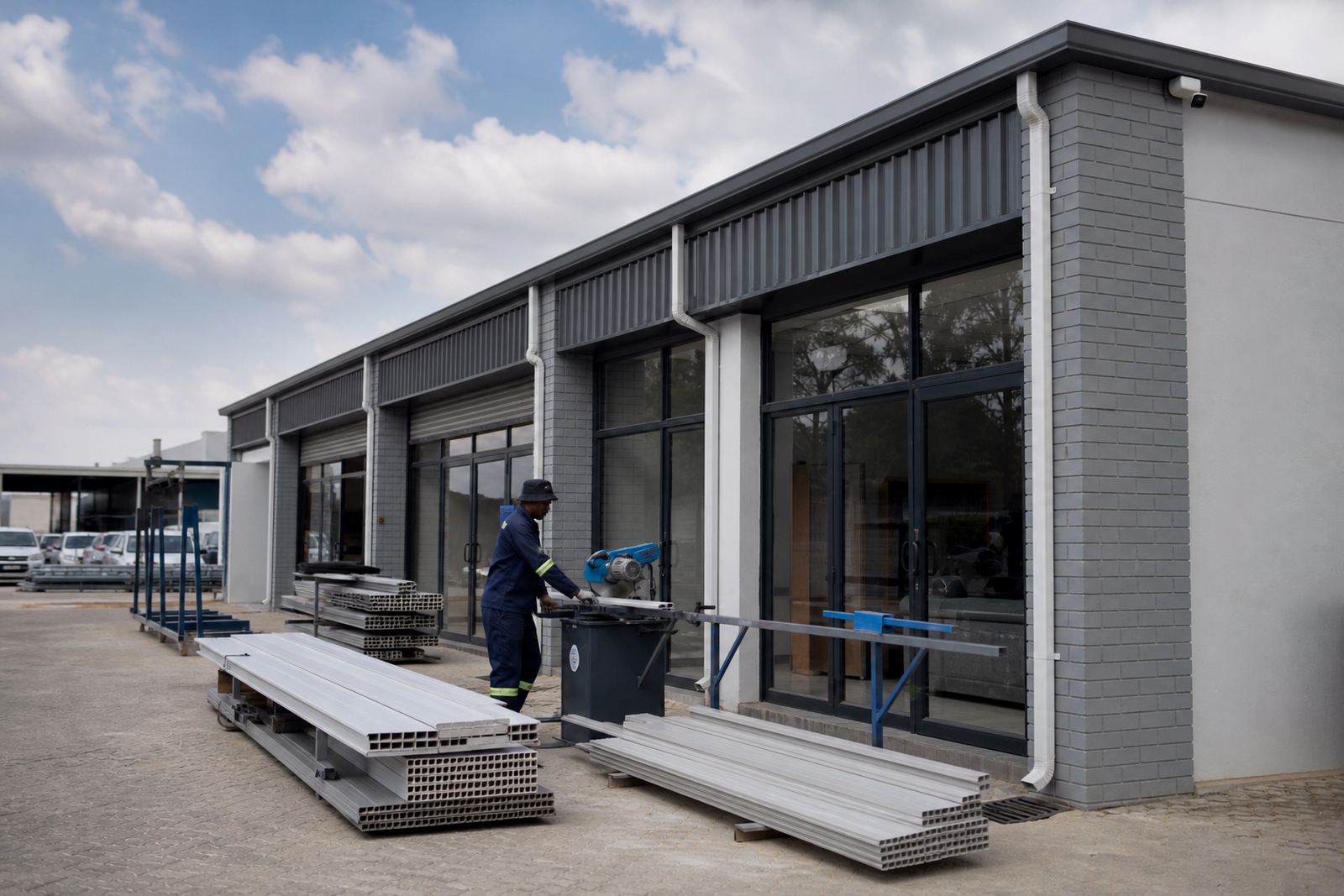
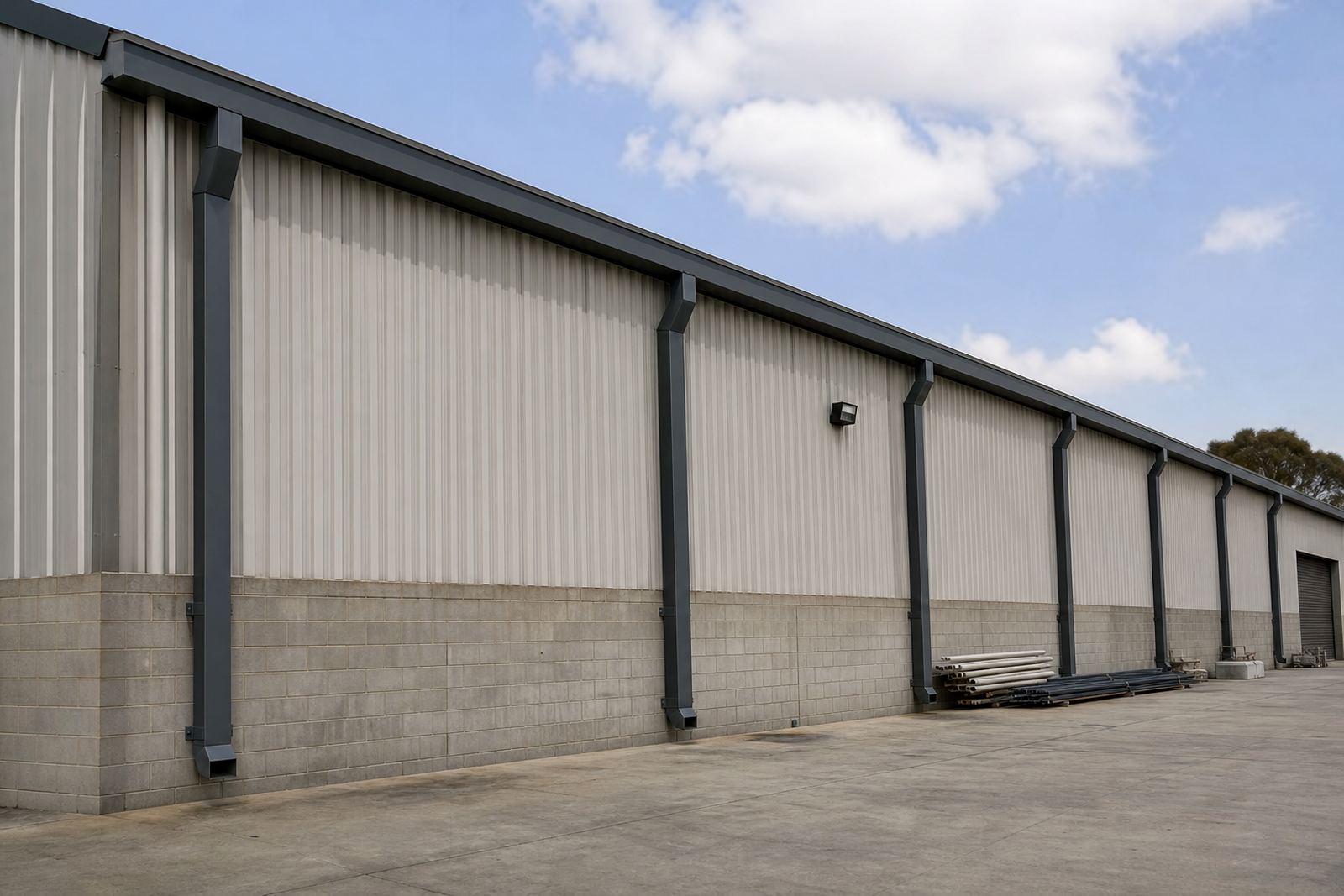
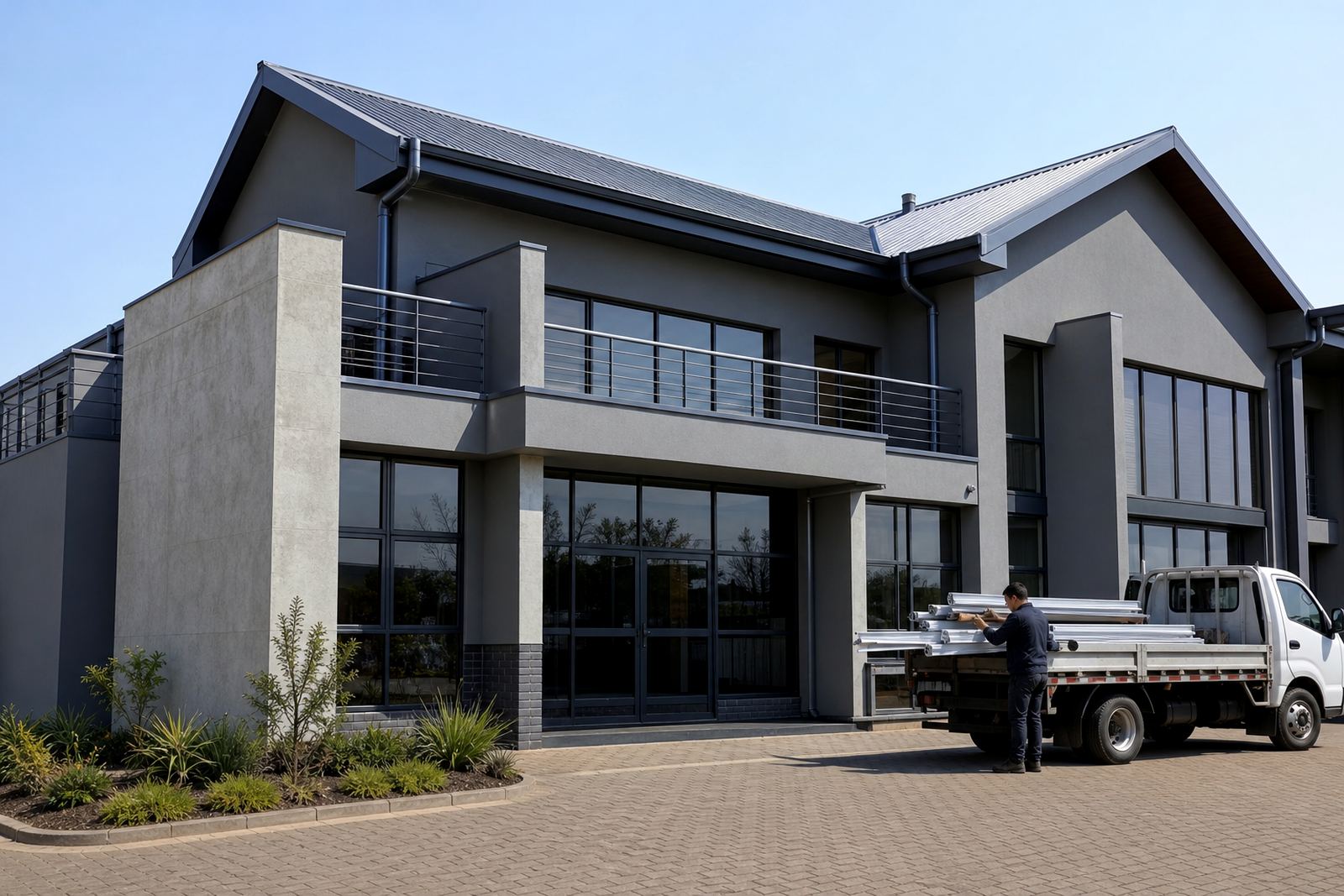
Shops, offices, warehouses and workshops often have longer roof edges and more water moving through the system at once. That means downpipe positions matter, and the layout needs enough capacity for summer downpours. Where the roof edge is high or the run is long, the team planning the installation has to think through bracket spacing, joint placement and access for future maintenance.
Many commercial roofs also need a cleaner external finish for street-facing elevations, loading areas and customer entrances. Fascia boards help cover the edge detail and give a straight line for gutters to sit against. On industrial and service buildings, maintenance access is important because dust, leaves and windblown debris can collect in the line and reduce flow.
What each part does on the roofline
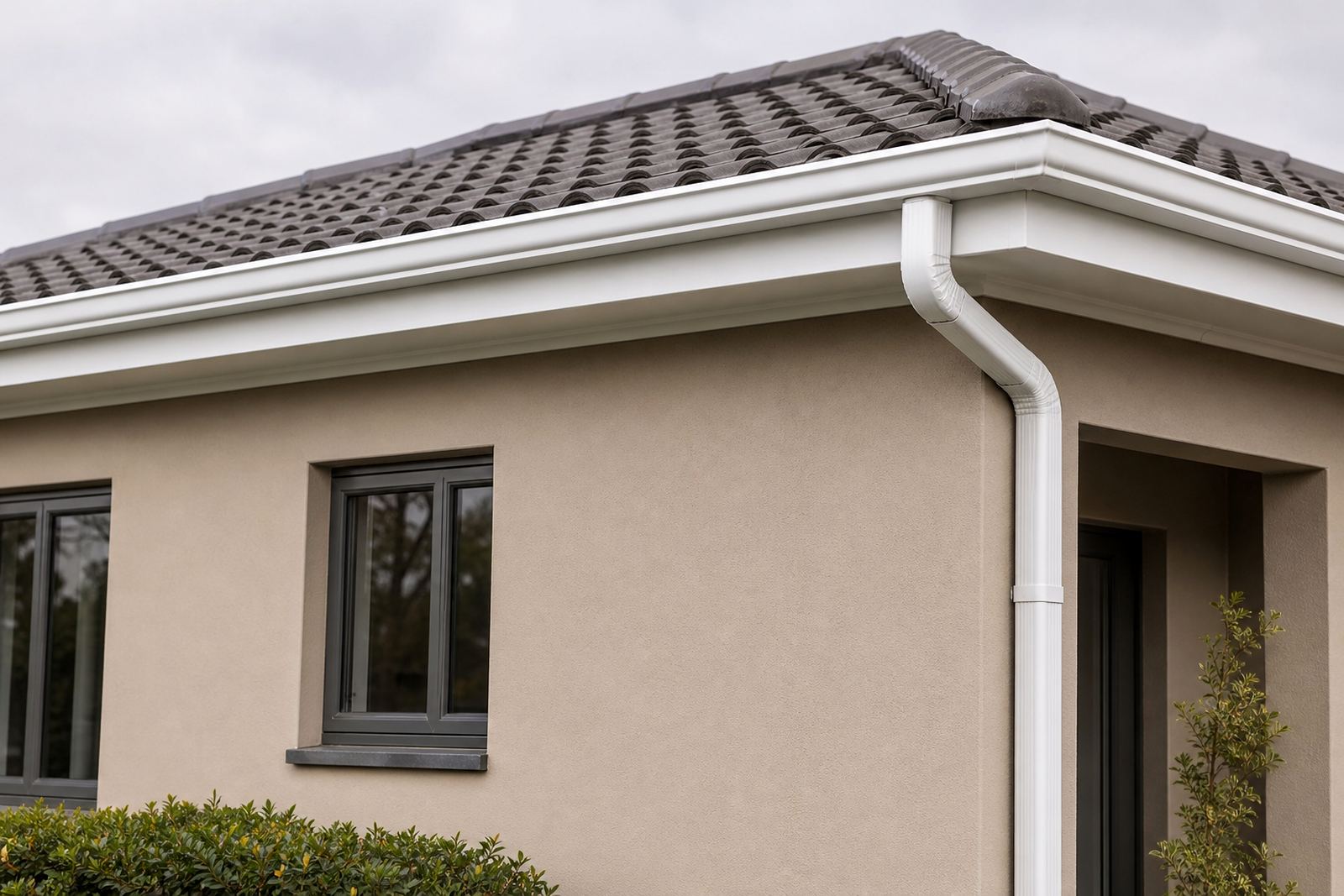
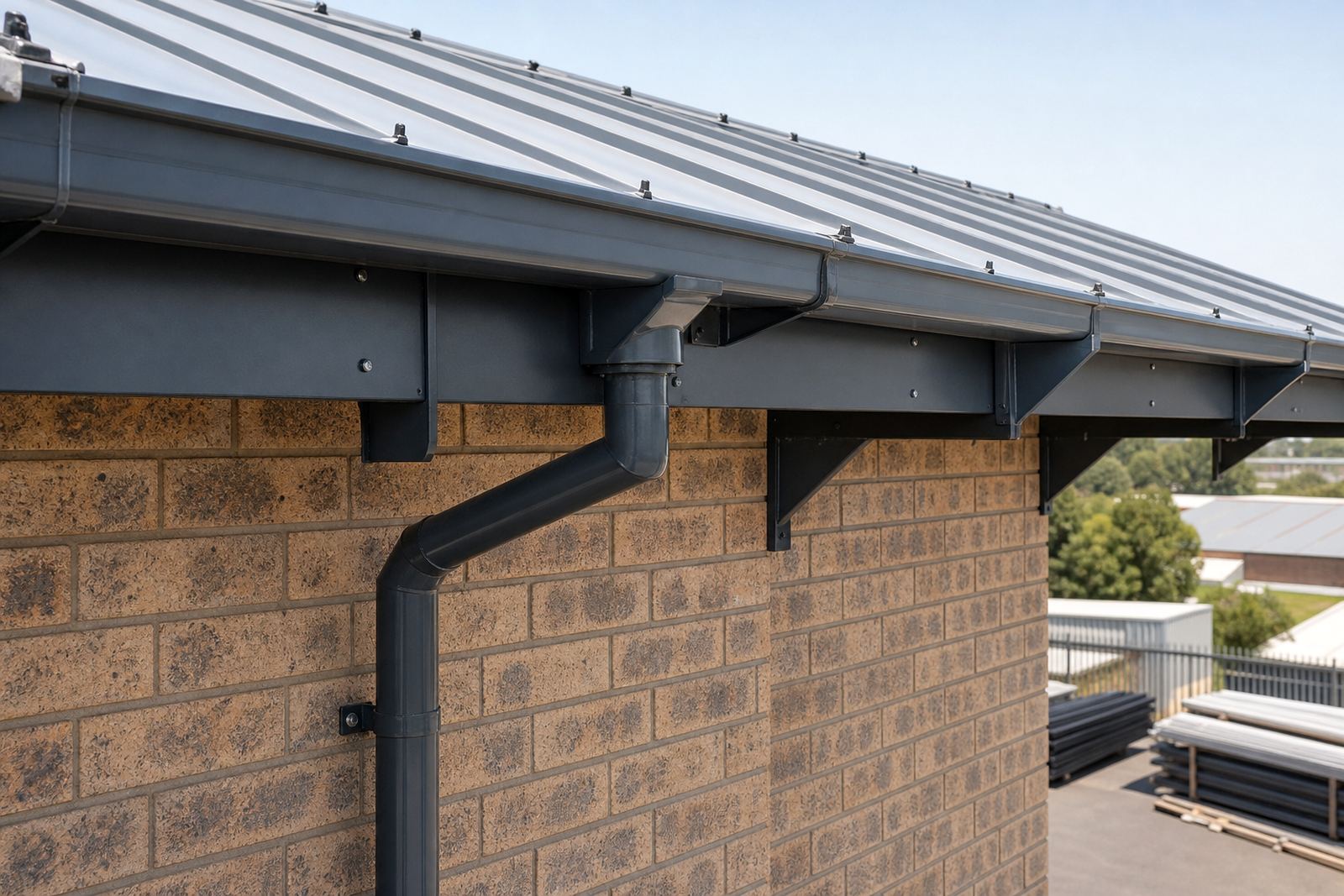
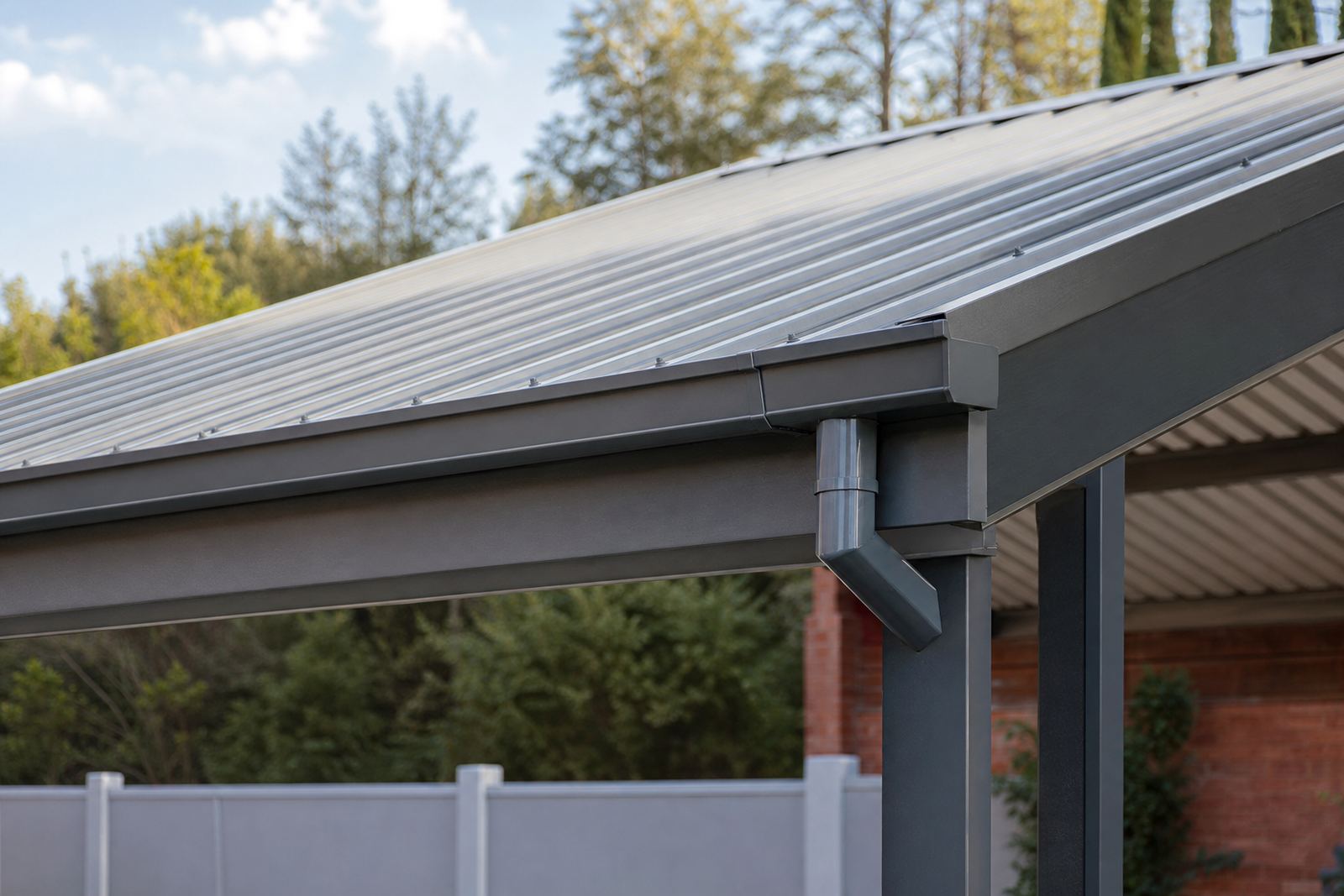
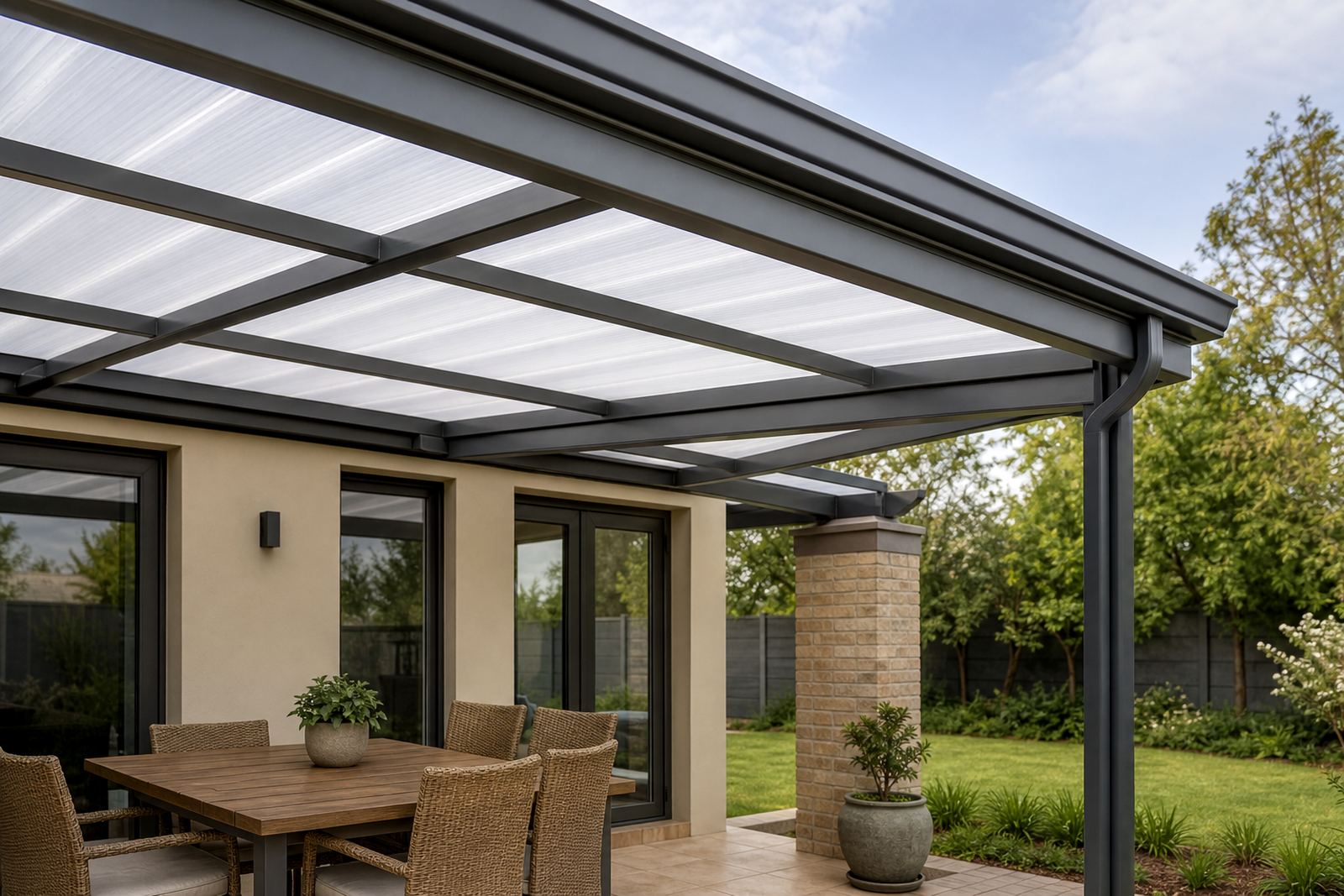
Plasteel roofline systems are used as part of a full edge detail, not just as loose pieces on their own. Gutters carry rainwater along the roof edge, downpipes move it safely to the ground or a drainage point, and fascia boards provide the fixing face and finished edge.
- Gutters: sized to suit the roof area and the amount of water expected in heavy rain
- Downpipes: placed where runoff is controlled and away from walkways and splashback zones
- Fascia boards: used to support the gutter line and close off the exposed roof edge
- Brackets: fixed at the right spacing so the gutter keeps its shape and fall
Correct falls are important on any roofline. If the slope is too flat, water can sit in the gutter. If it is too steep, the line can look uneven and the flow can become noisy at the outlets.
South African conditions that shape the choice
Roofline materials are selected differently in Durban, Cape Town, Pretoria or Polokwane because the weather and exposure are not the same. Coastal humidity, inland heat, wind-driven rain and seasonal hail all affect how a gutter system performs over time. That is why the material, fixing method and maintenance plan should suit the area, not just the building type.
Builders and homeowners often compare more than one option when planning a roofline job. The right choice can depend on whether the building is new, being extended, or having a tired old line replaced. In many cases, a careful site measure and material takeoff save rework later on.
Keeping the system working after installation
Once gutters and downpipes are fitted, regular checks help keep them moving properly. Leaves, roof grit and bird nesting material can slow flow, especially near trees or in sheltered corners. A maintenance visit usually focuses on joints, brackets, fall, seal points and signs of overflow at the corners or outlets.
- Check for blockages after heavy wind or storms
- Look for loose brackets or sagging sections
- Confirm that water is running towards the outlets
- Inspect fascia boards for moisture staining or movement
- Plan safe access before any work at height begins
Roofing work at height must be done safely by competent people, with the right access equipment and care around edges, ladders and slippery surfaces.