

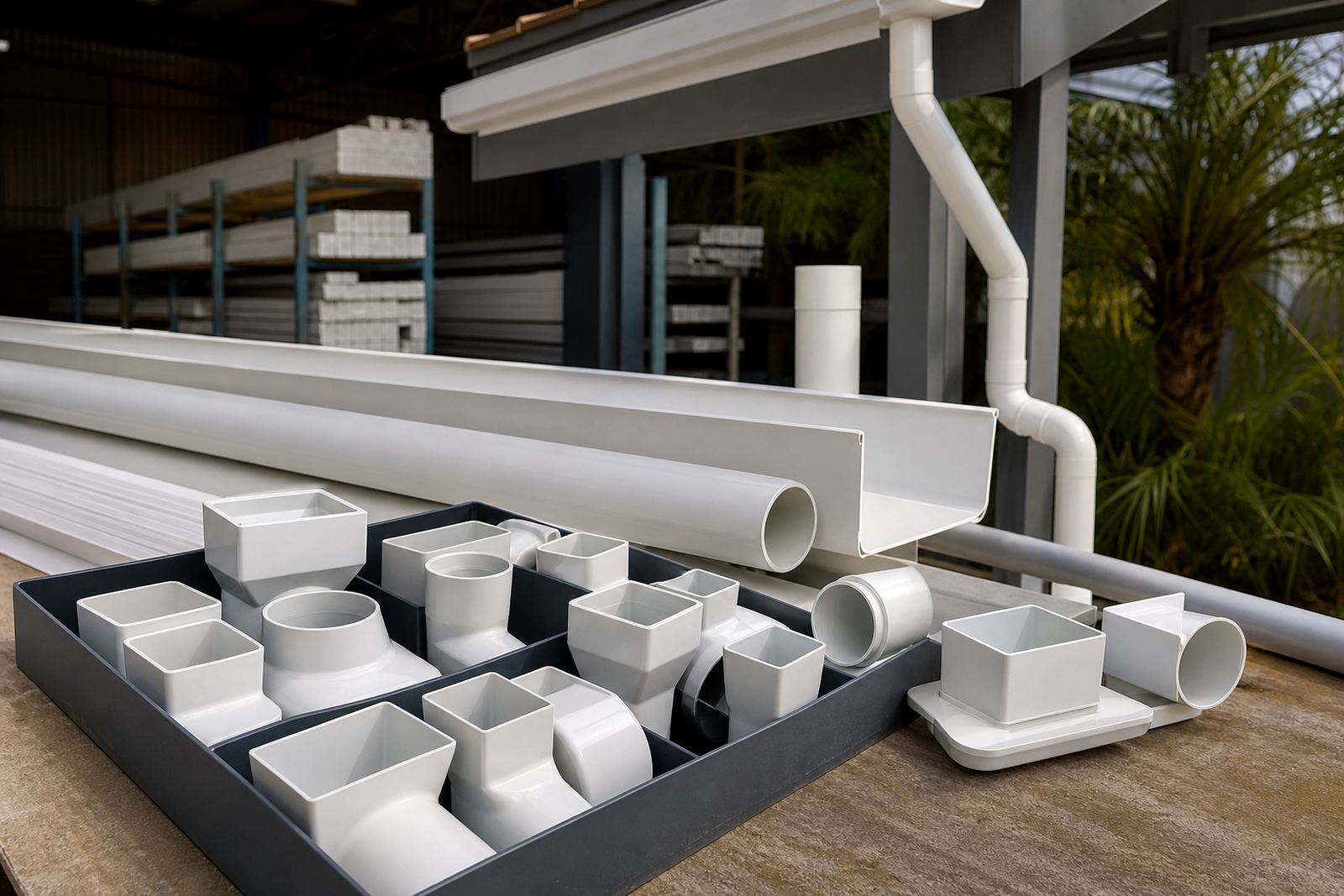
Roofline pieces that do the job properly
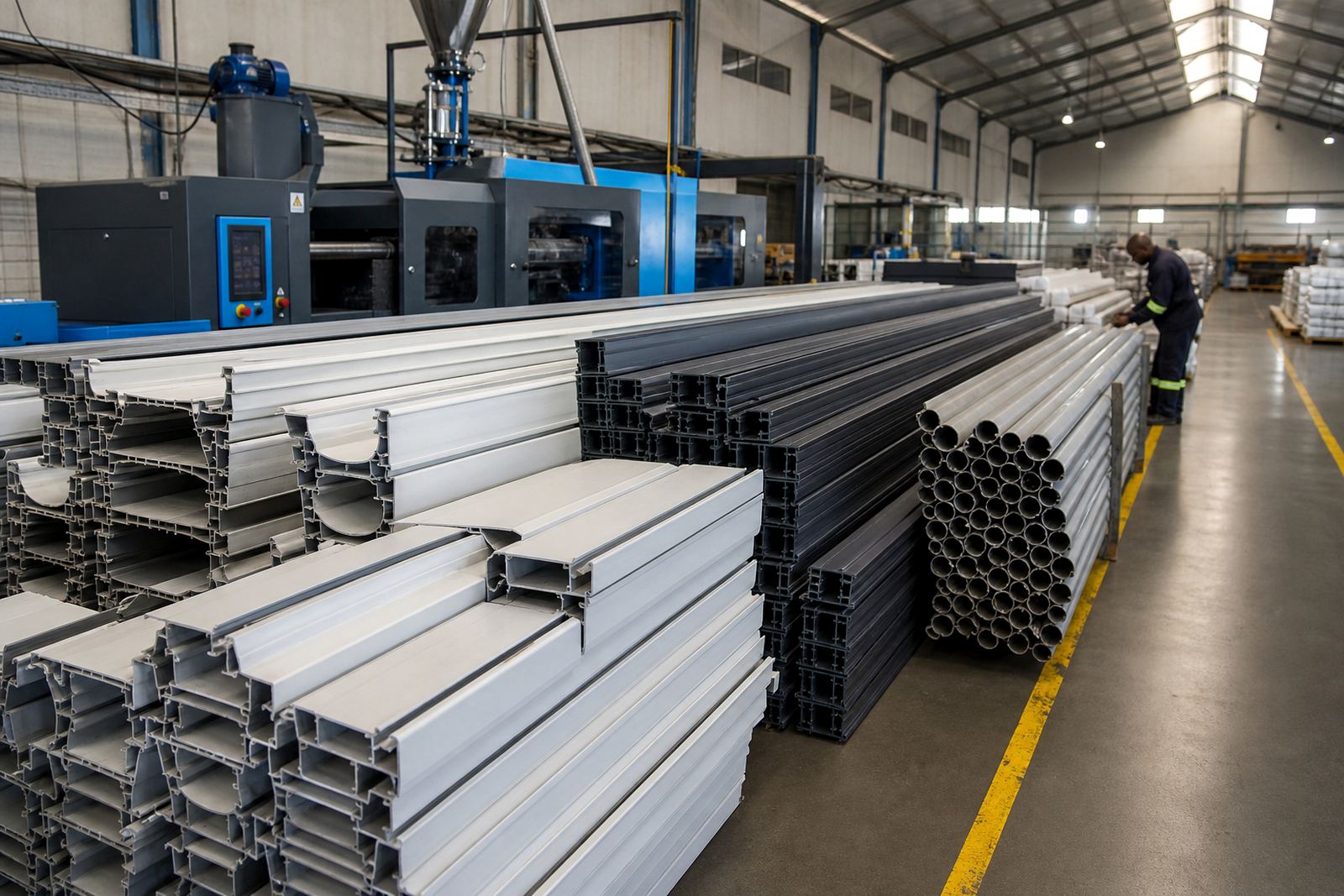
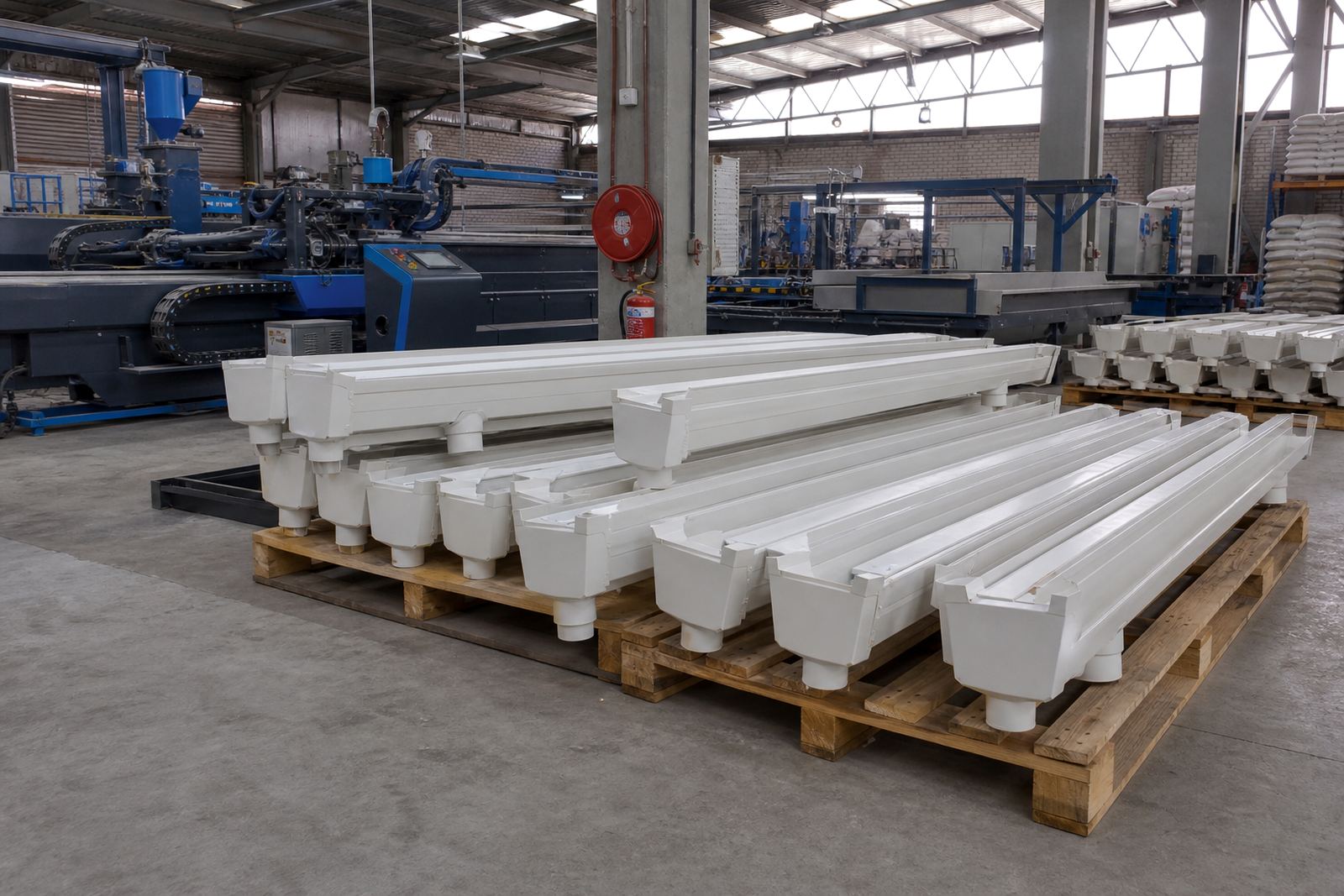
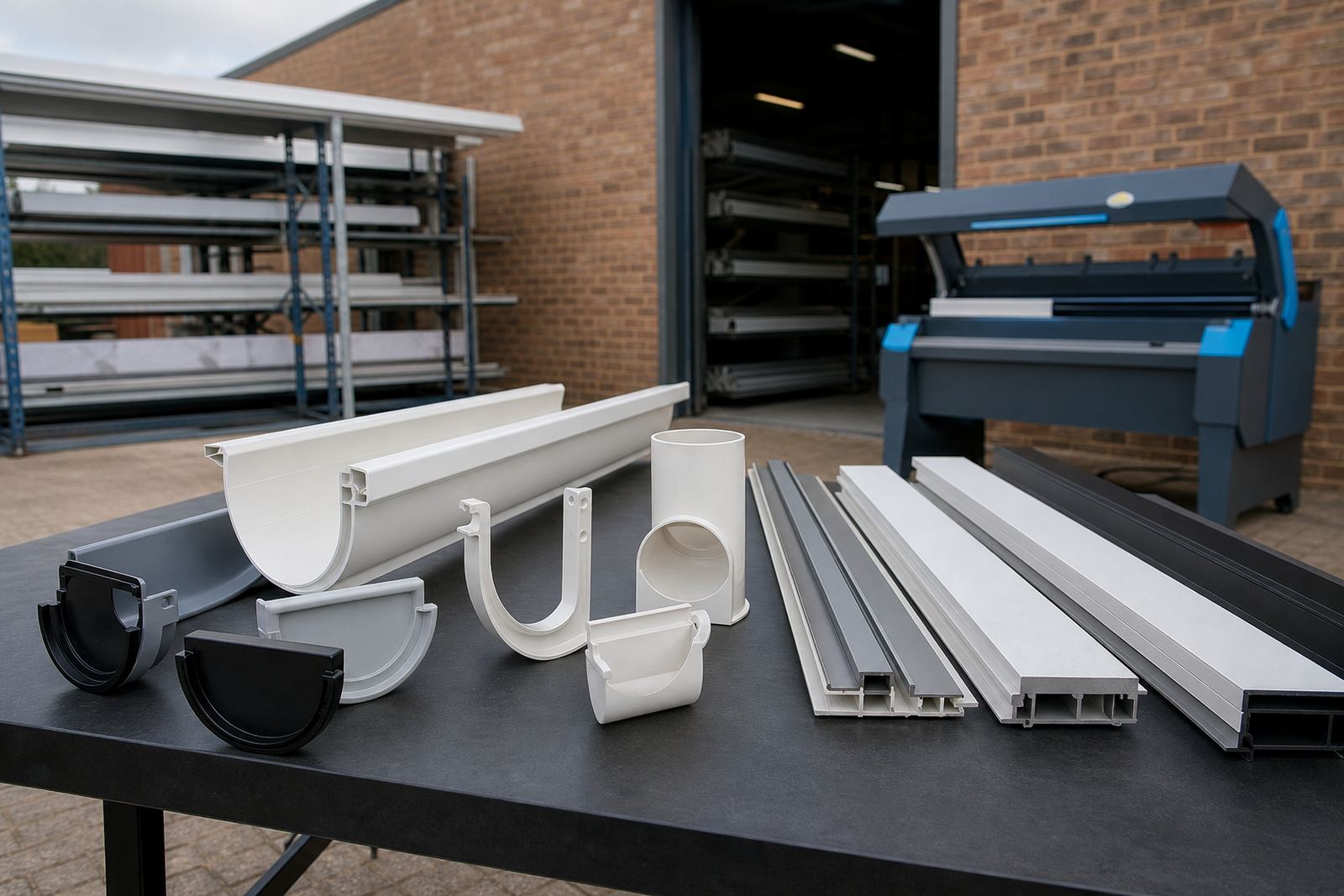
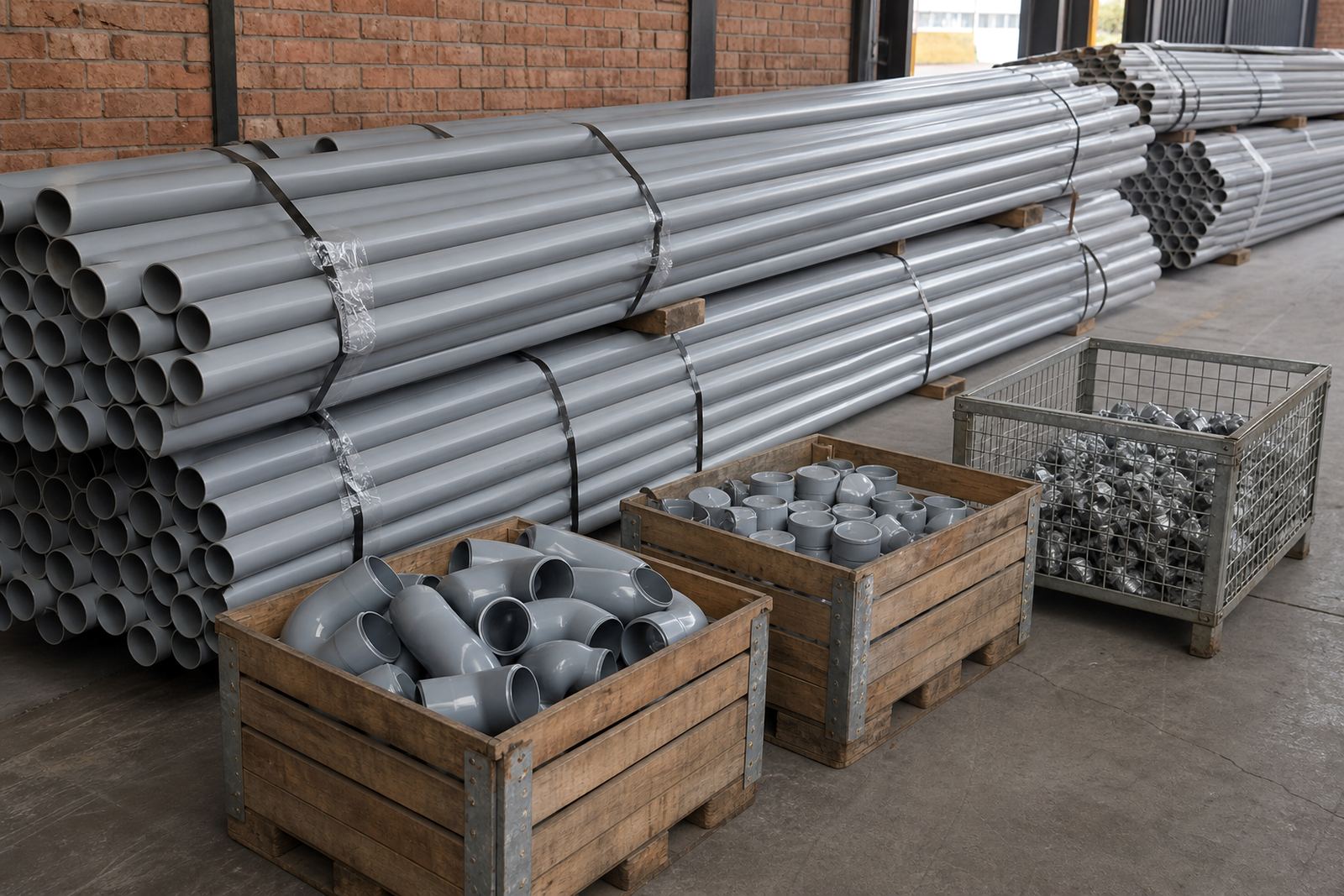
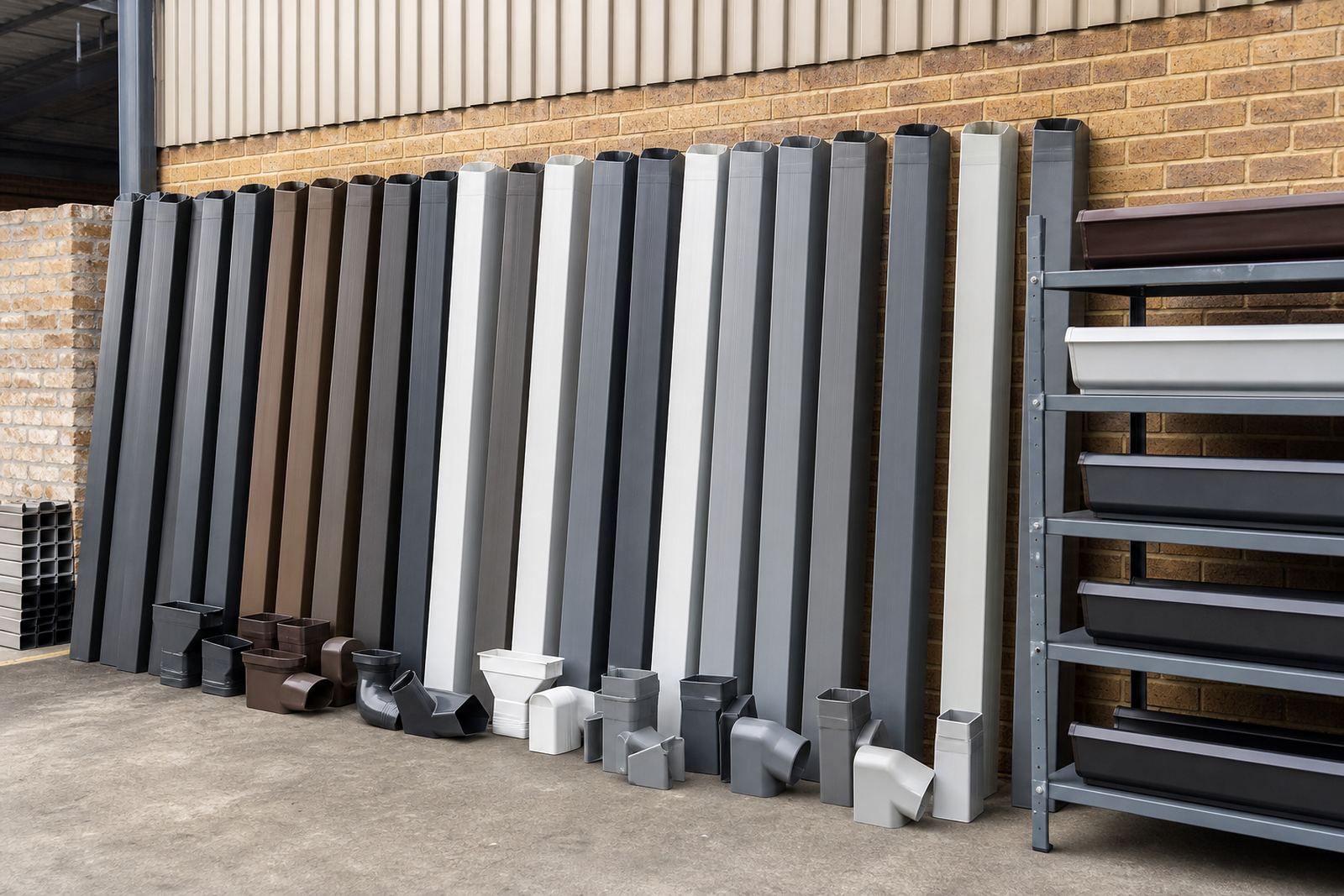
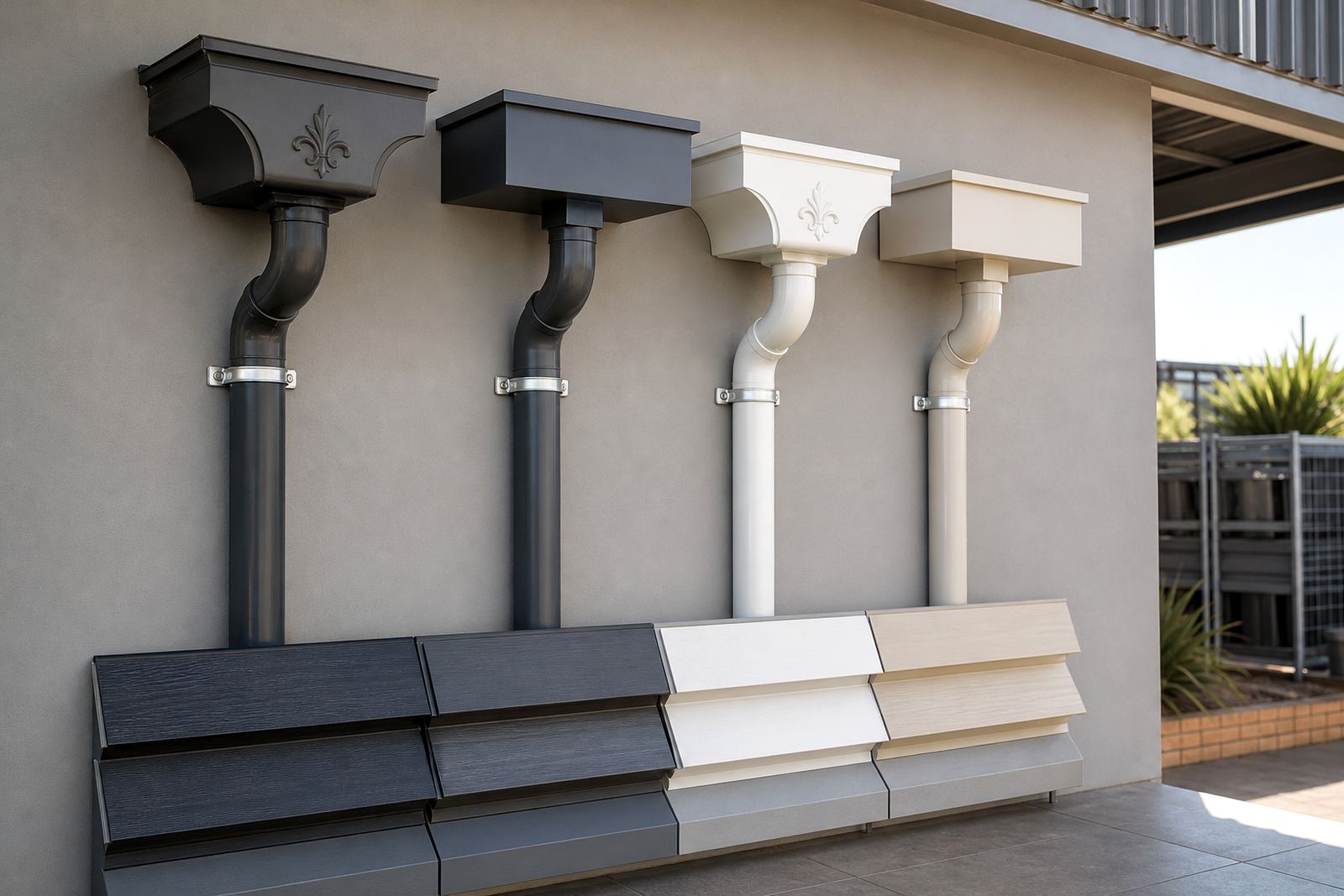
Plasteel supplies plastic-steel composite gutter, downpipe and fascia materials for homes, estates, workshops and commercial buildings. The range is suited to new roof work and replacement jobs where the old line has warped, split or rusted at the fixings. In humid coastal areas, inland heat and hard summer rain, the material choice and fit make a real differnce to how long the roofline stays tidy.
For builders, the value is in having matching components that work together at eaves level. For homeowners, it is about neat water control, sound drainage and a finish that sits straight under the roof edge.
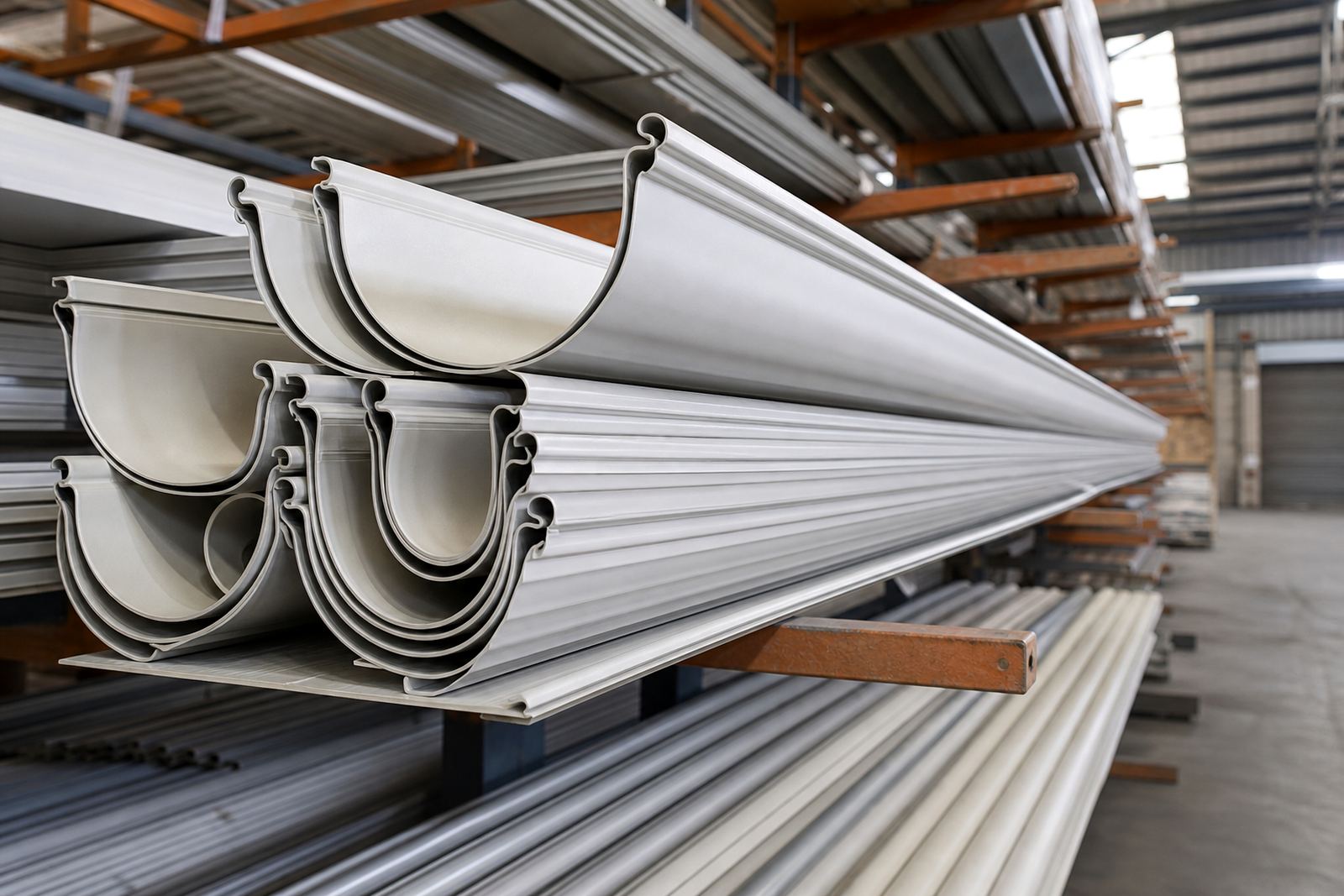
Choosing the right gutter profile
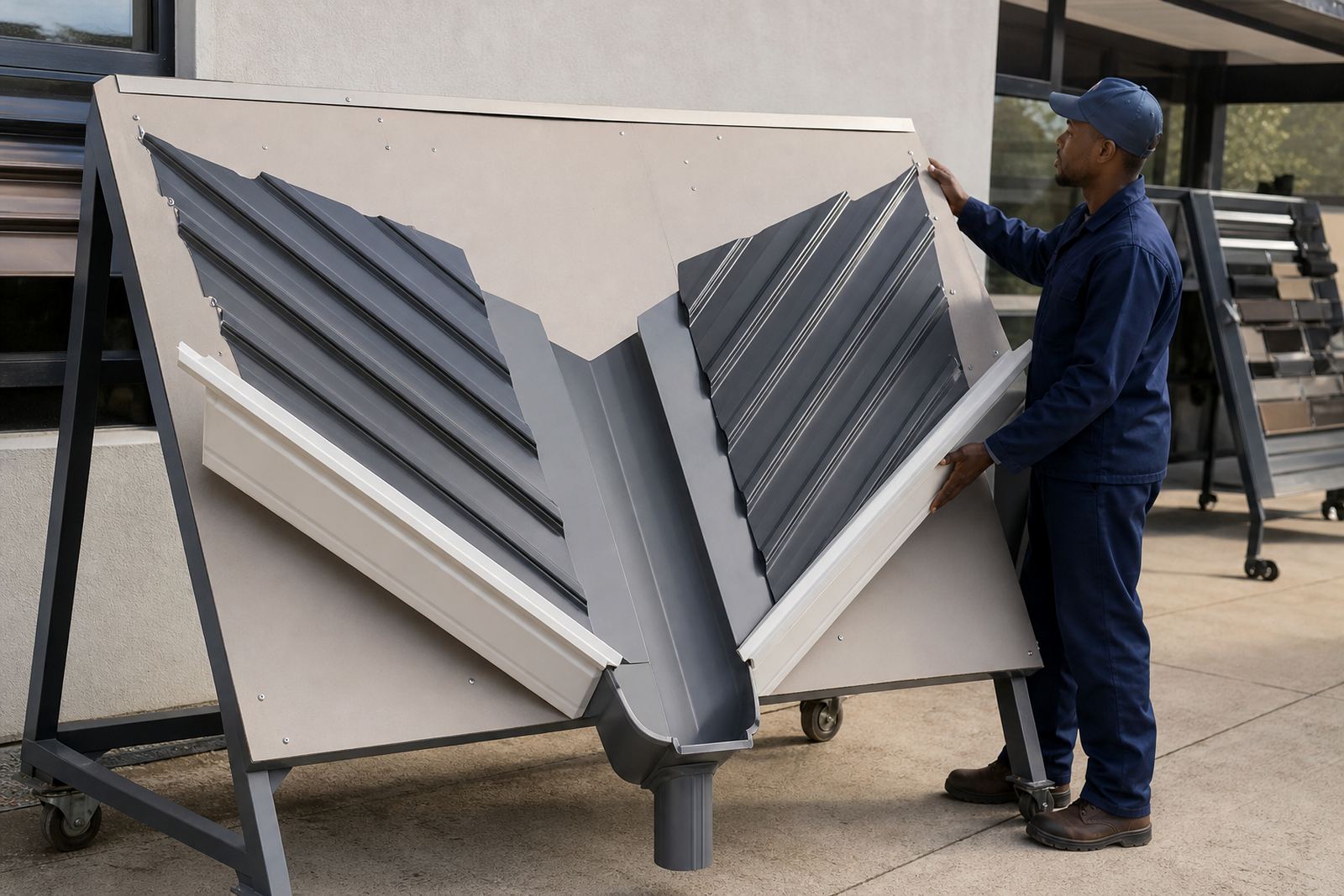
Gutter size and profile should match the roof area, pitch and expected rainfall. A small patio roof needs less capacity than a long warehouse run or a wide home roof with several valleys feeding into one line. Where rainwater is heavy, larger profiles and well placed outlets help reduce overflow and splashback on walls.
- Measure the roof edge length before selecting the run
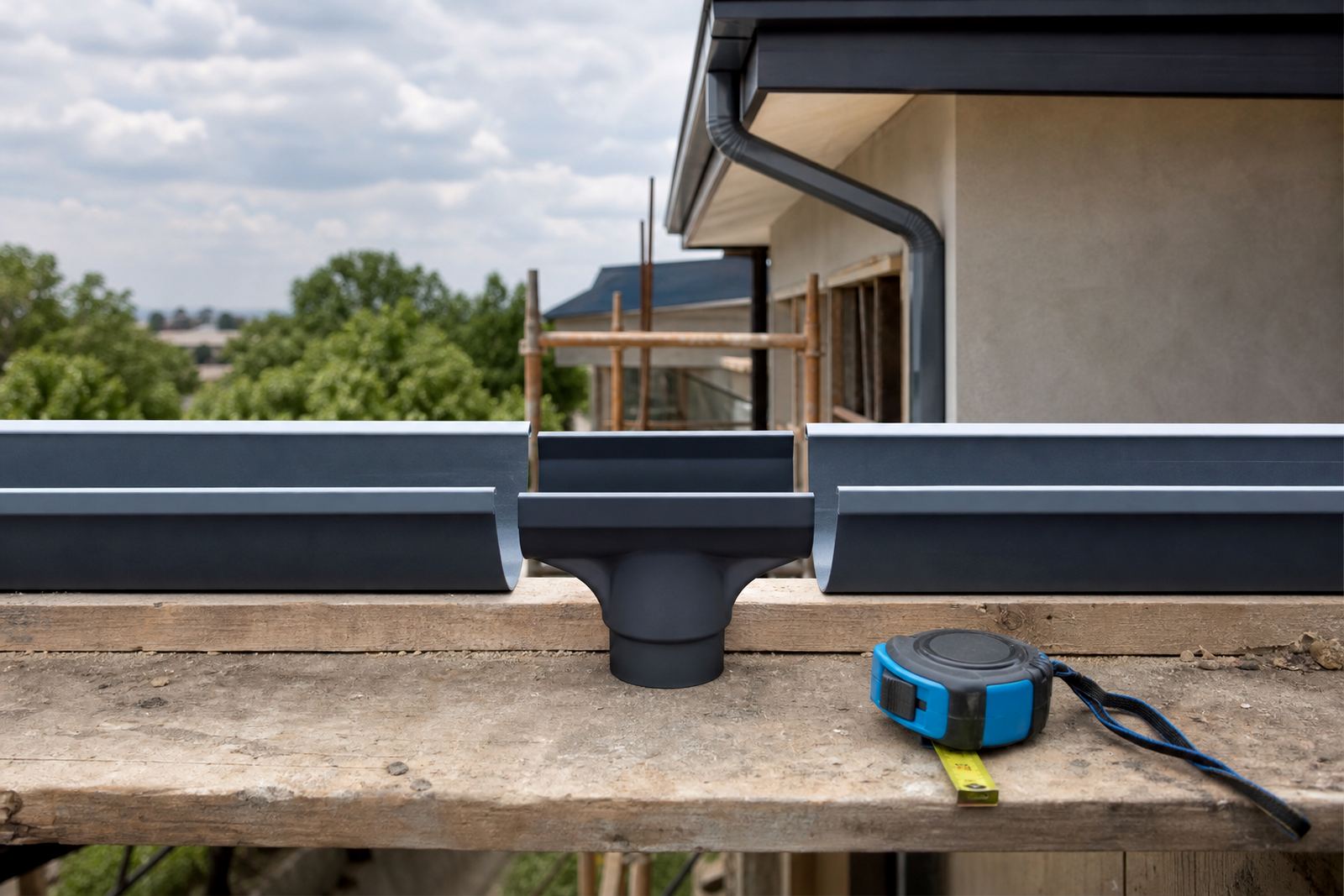
- Check where water will discharge and how many downpipes are needed
- Use a profile that suits the building line and eaves detail
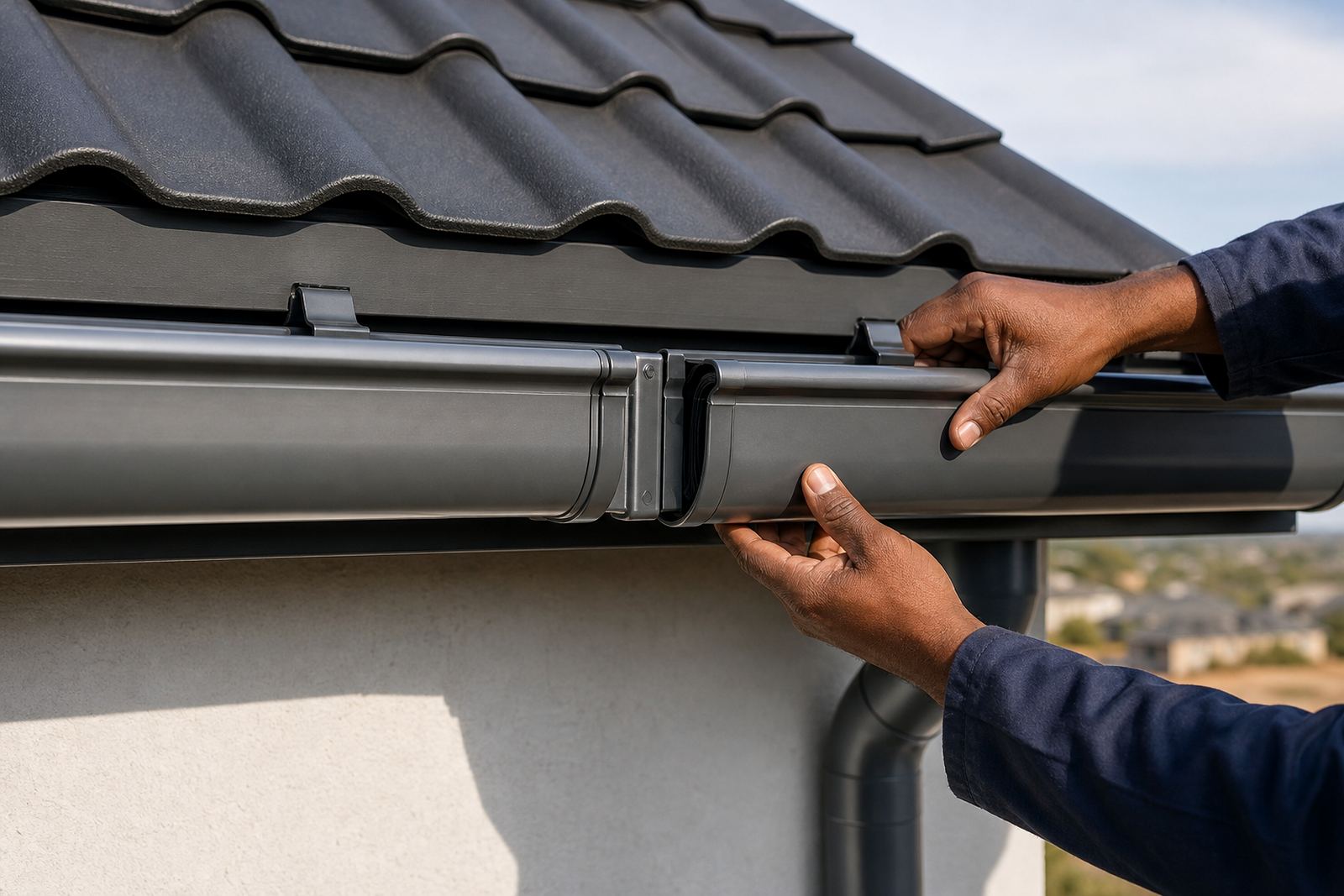
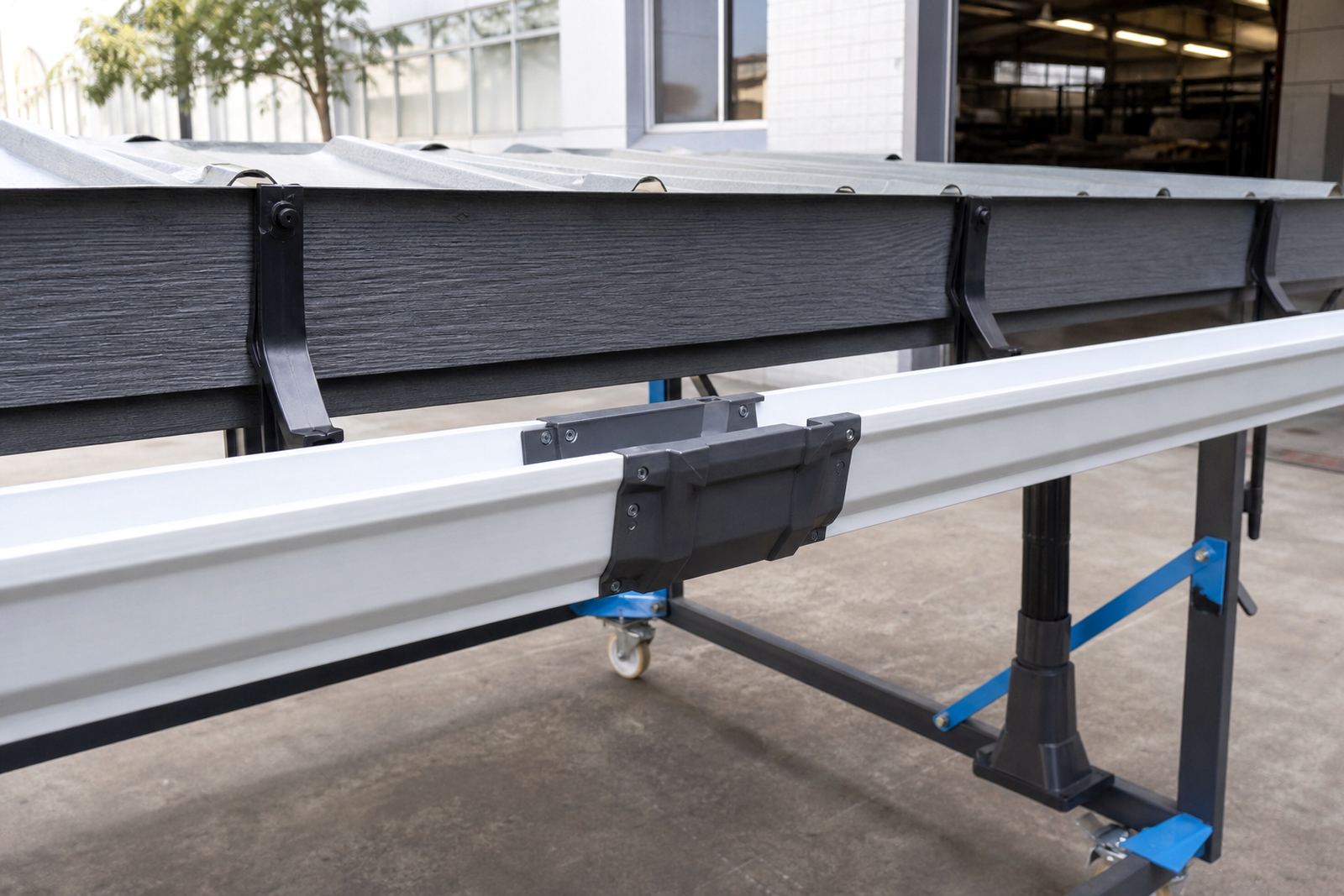
- Allow for expansion, joints and correct bracket spacing
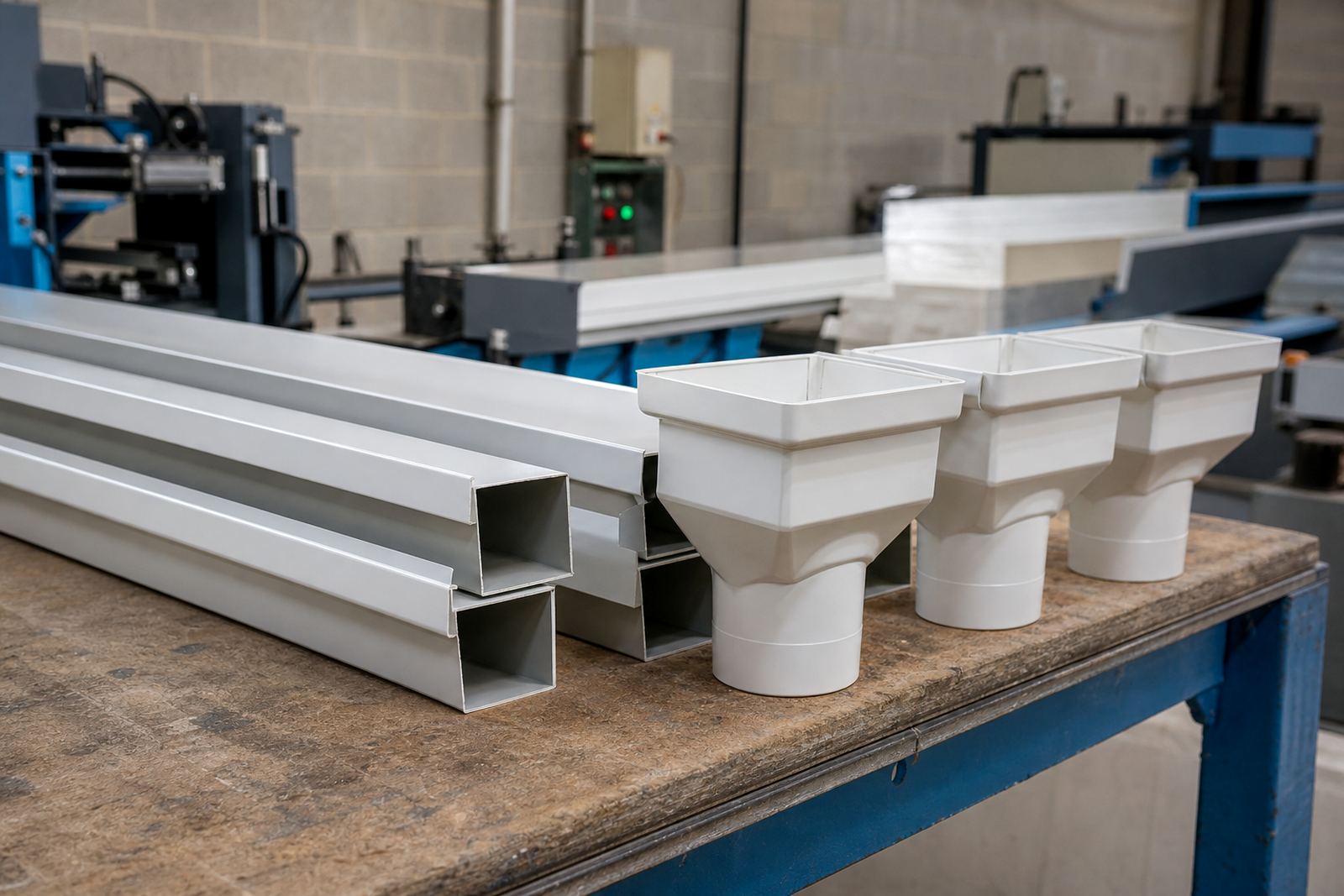
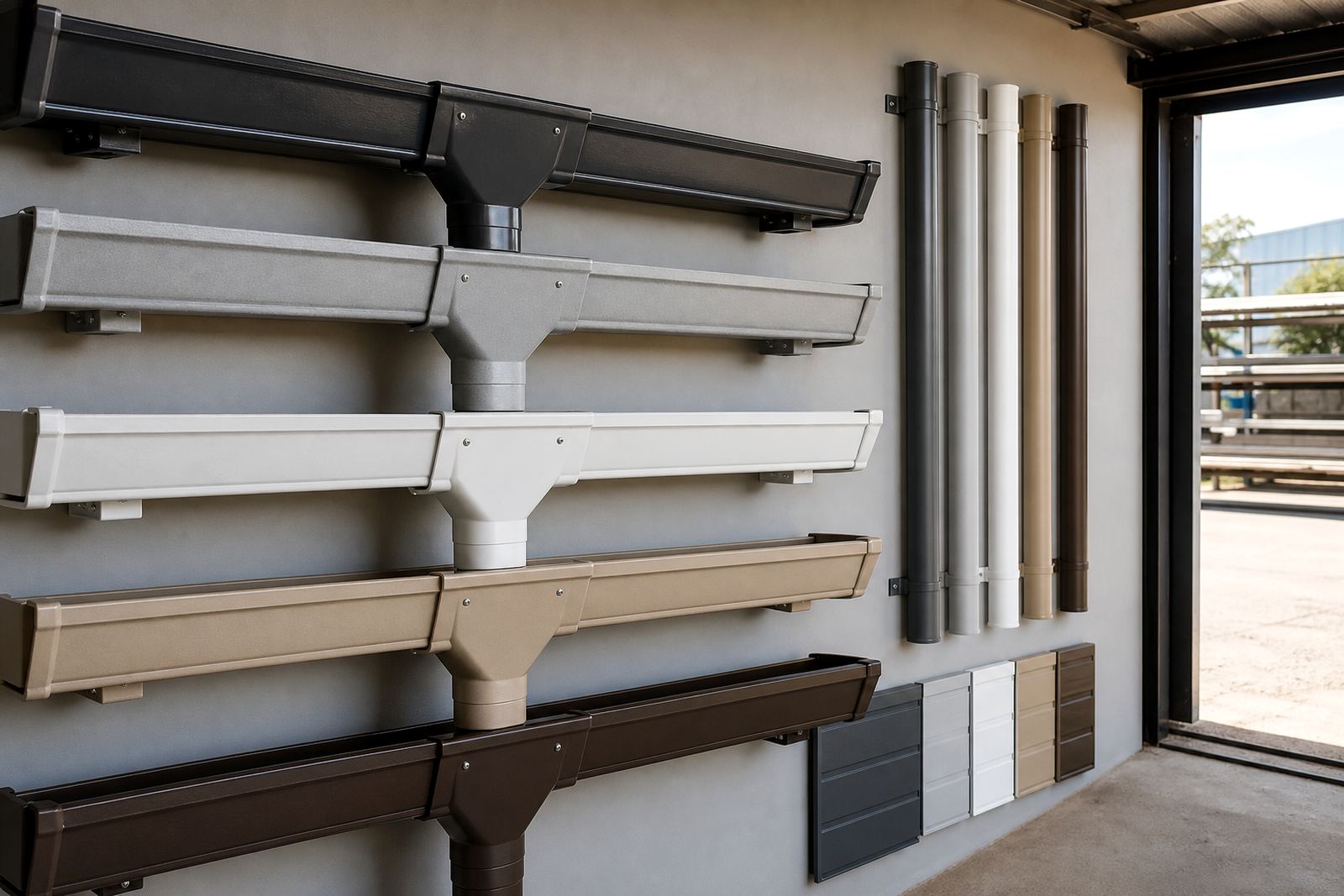
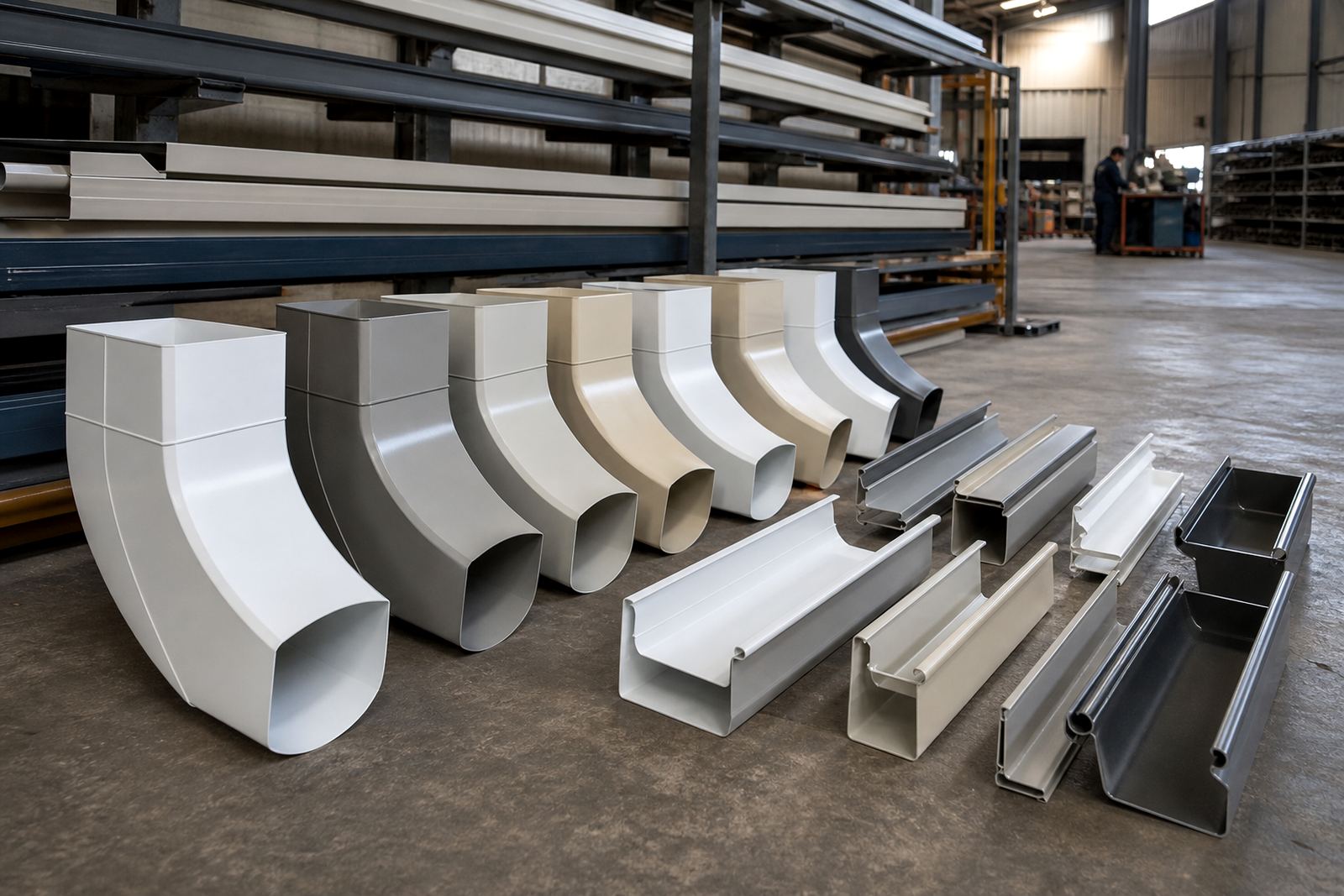
Downpipes, outlets and the fall that keeps water moving
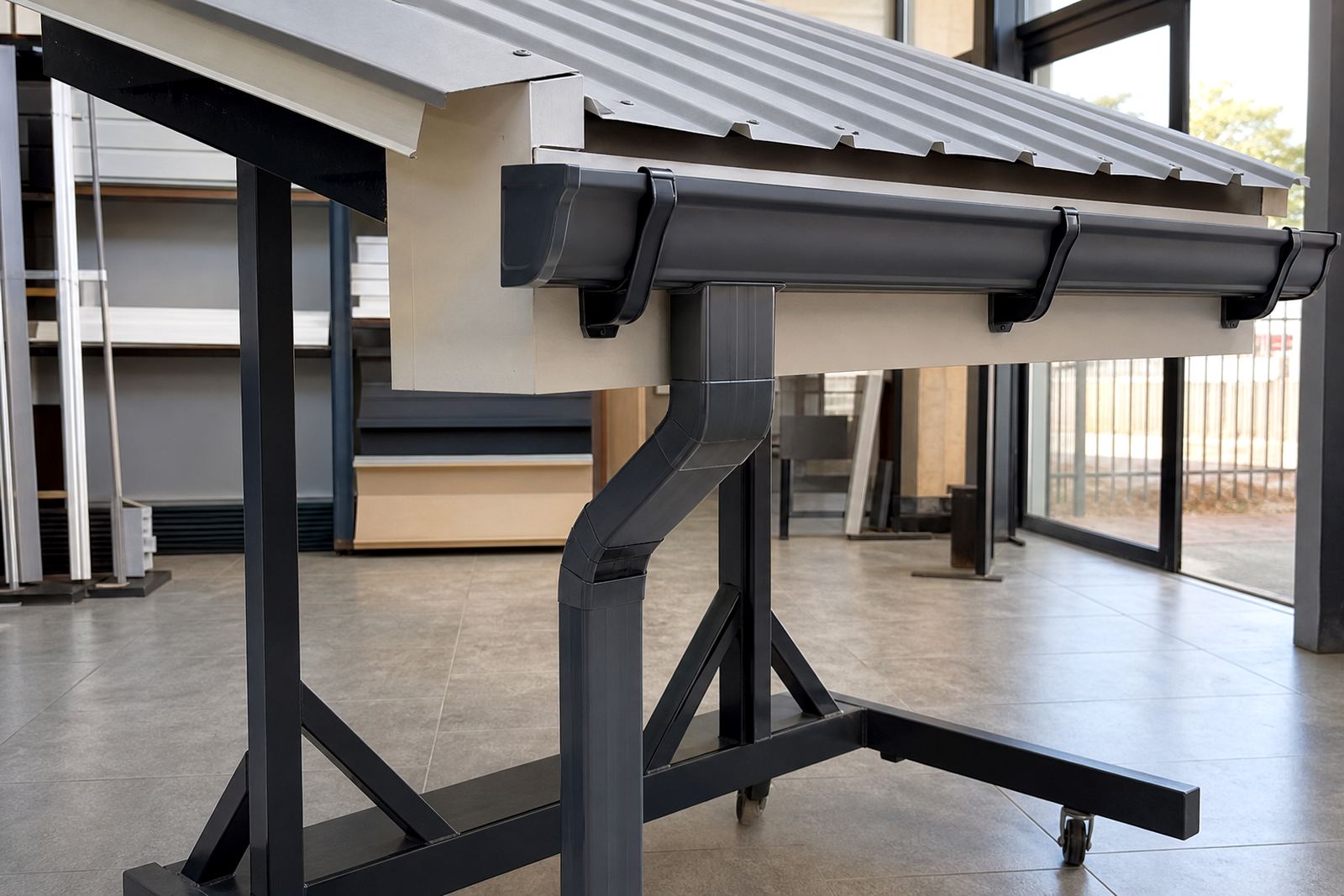
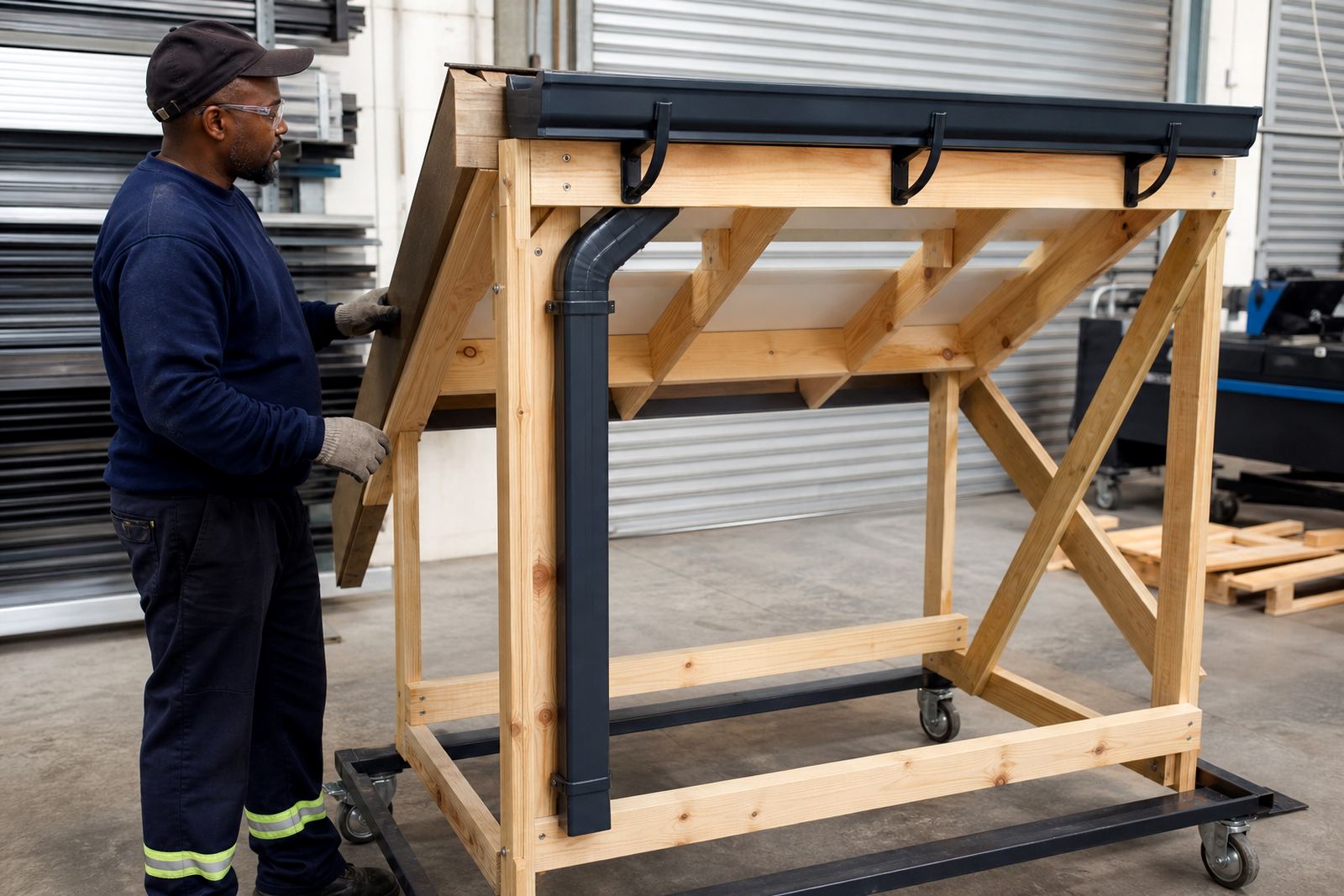
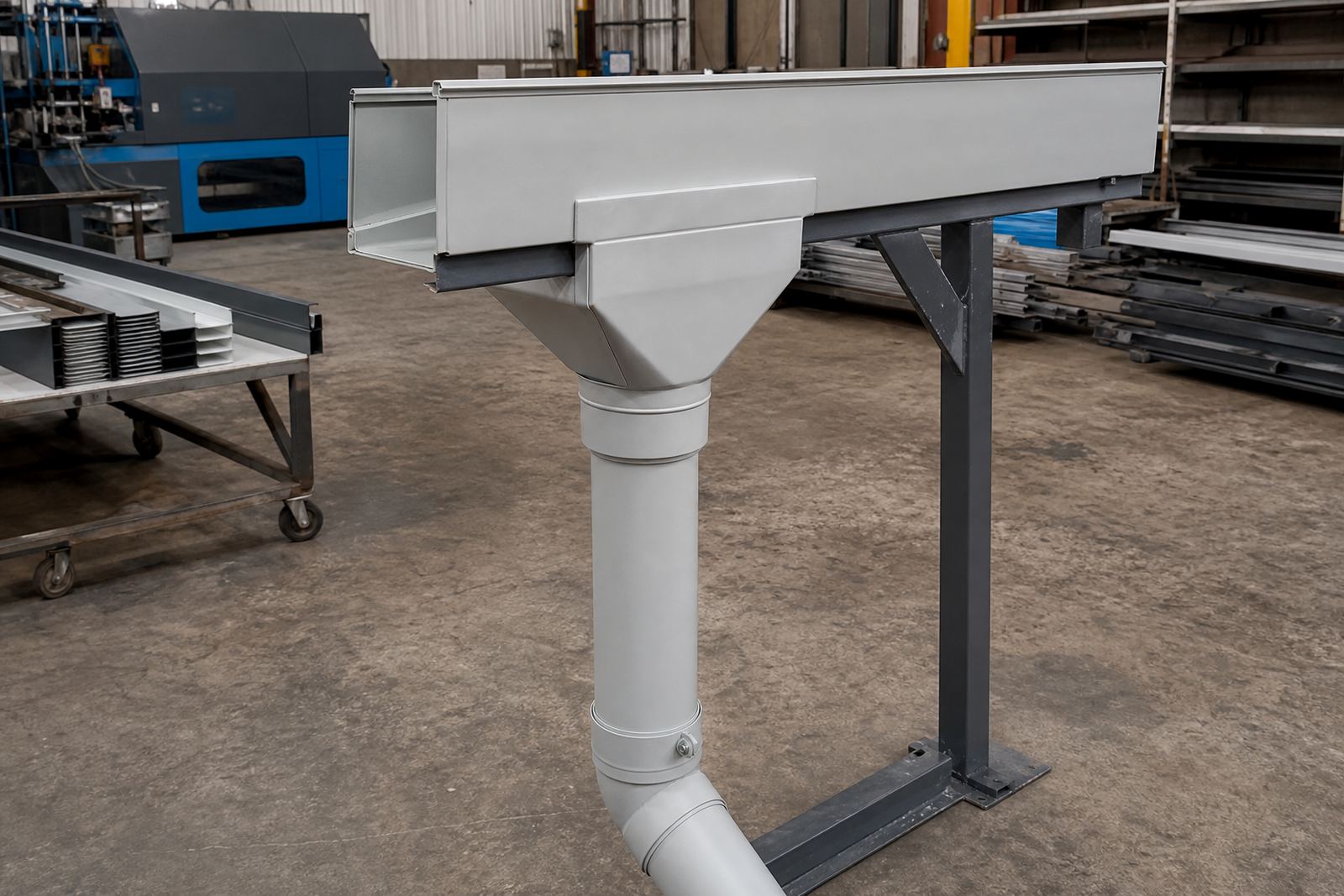
Downpipes need to carry water away cleanly and be sized to suit the gutter outlets feeding them. A run that looks fine on paper can still back up if the fall is too flat or the outlets are placed poorly. Gutters should have a controlled slope toward the outlet so water does not sit in the line after a storm.
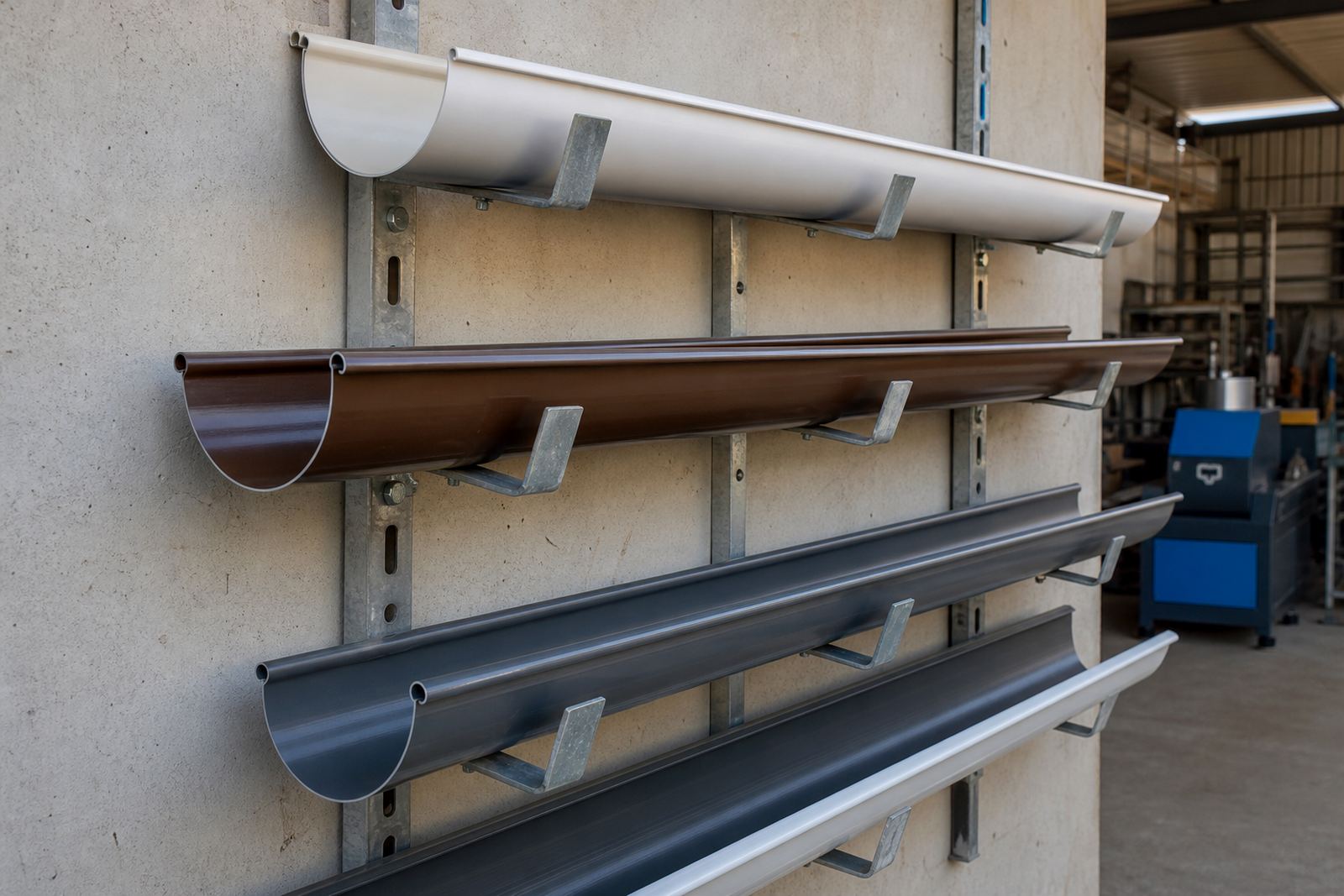
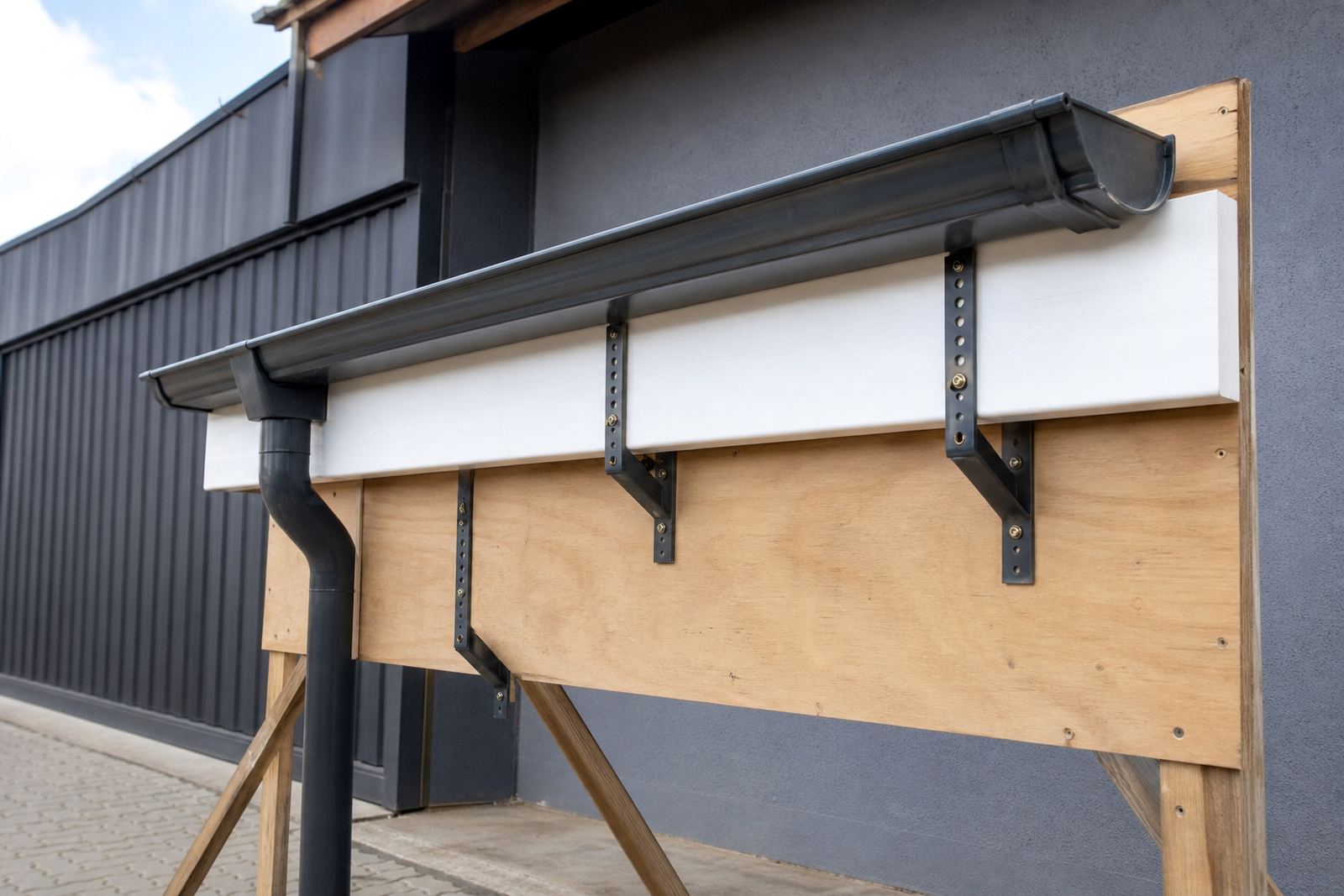
As a practical rule, long runs need enough fall to move water but not so much that it looks uneven along the fascia. Proper brackets keep the line steady while allowing the right slope to be set. Roofline work at height must be done safely by competent people with the right access and fall protection.
Fascia boards that finish the edge neatly
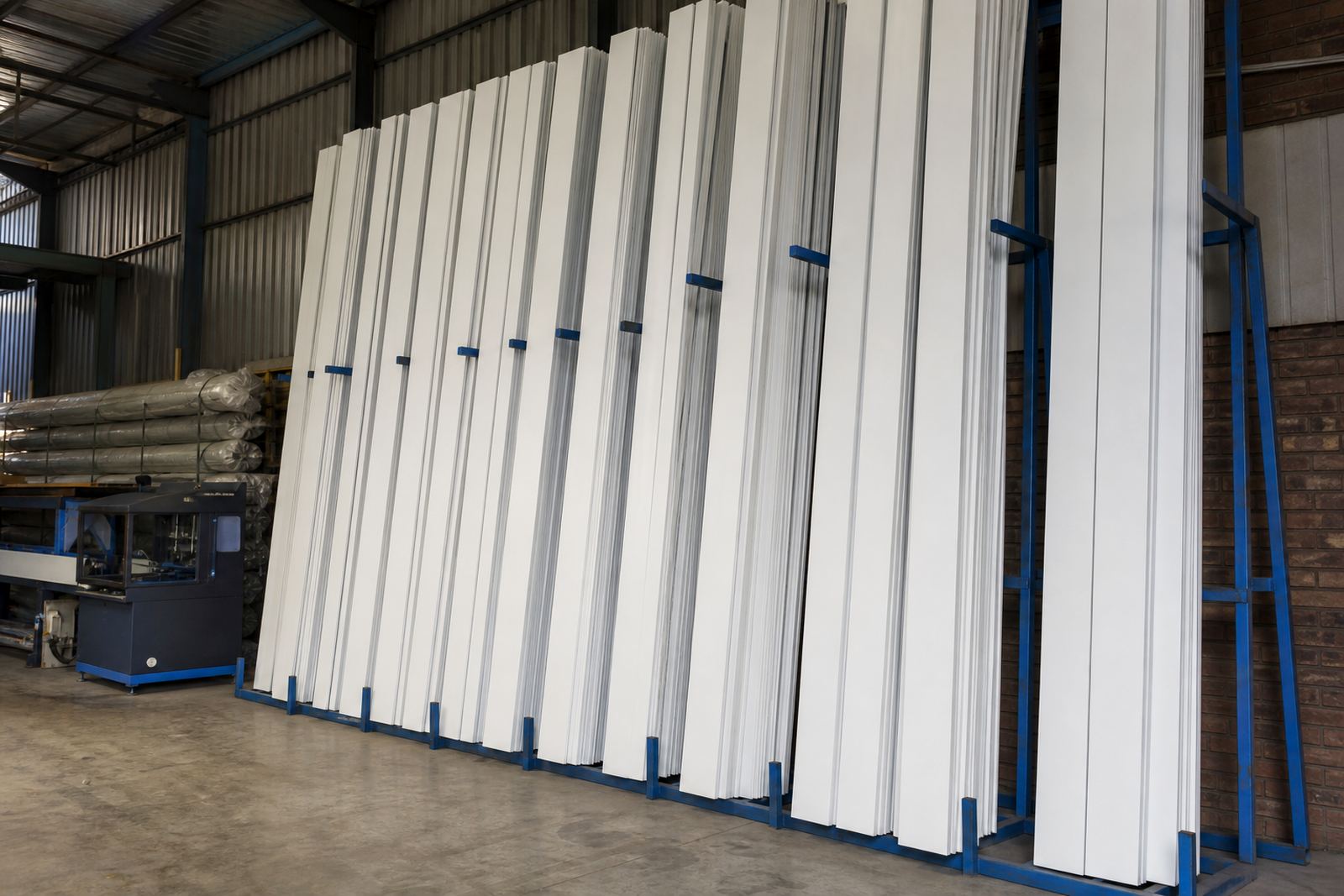
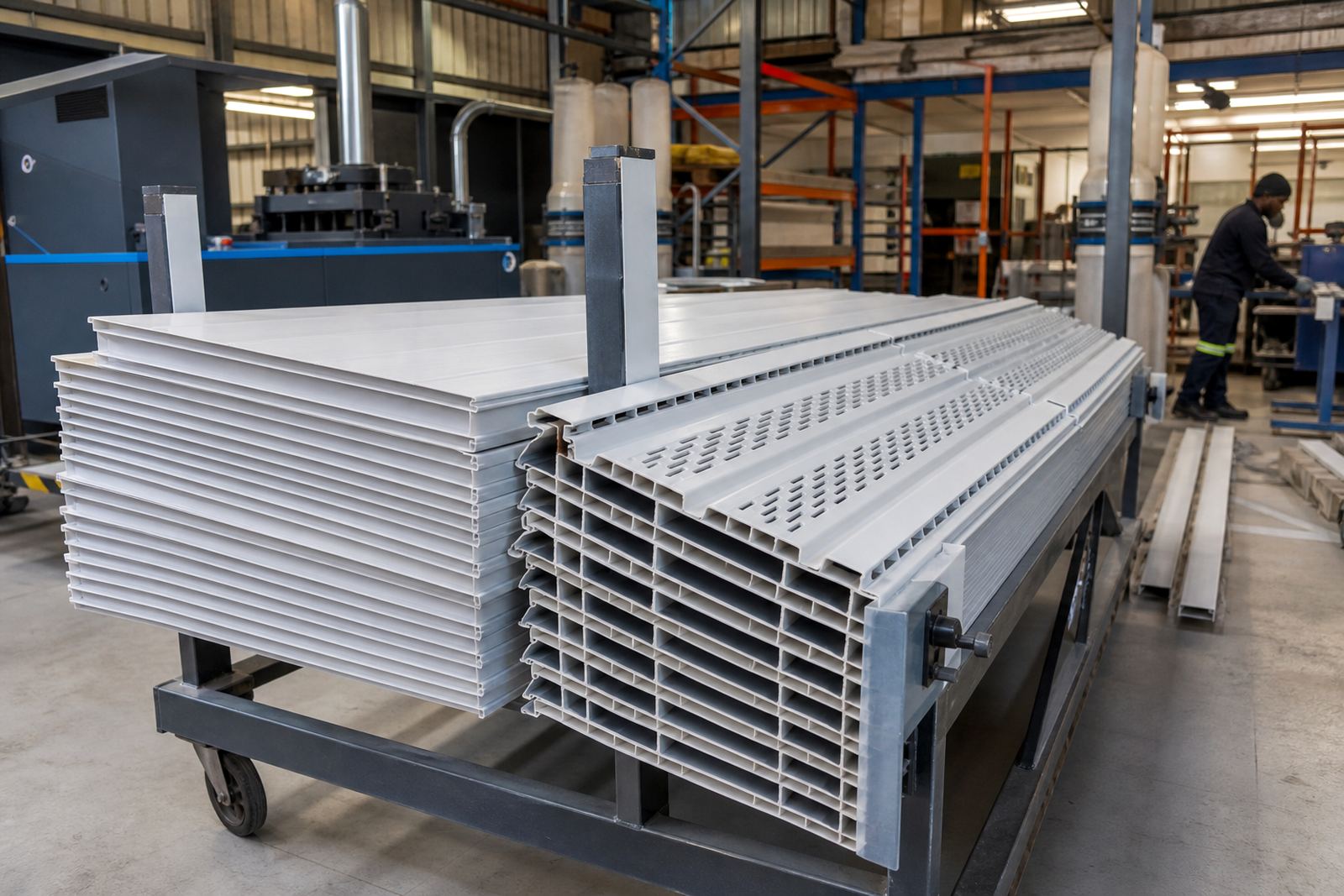
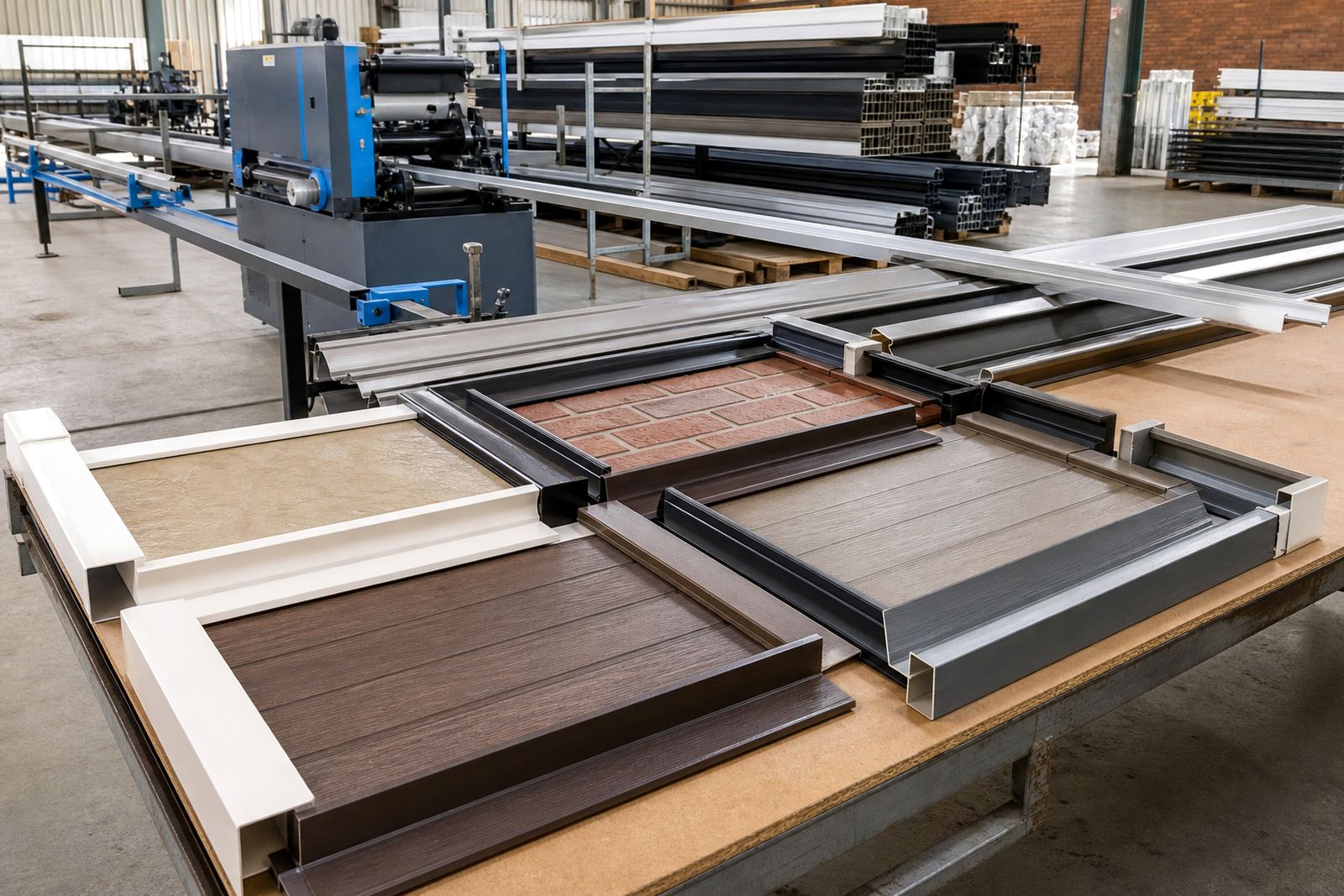
Fascia boards do more than hide the roof edge. They support the gutter line, help close off the eaves and give a straight visual edge under the roof. On replacement work, damaged timber or old boards should be checked carefully before new material is fitted, because hidden rot or movement can affect the whole line.
- Check board straightness before fixing the gutter brackets
- Make sure joints are aligned and sealed where needed
- Allow for neat terminations at corners and roof ends
- Use fittings that suit the board thickness and profile
Fixings, brackets and matching fittings
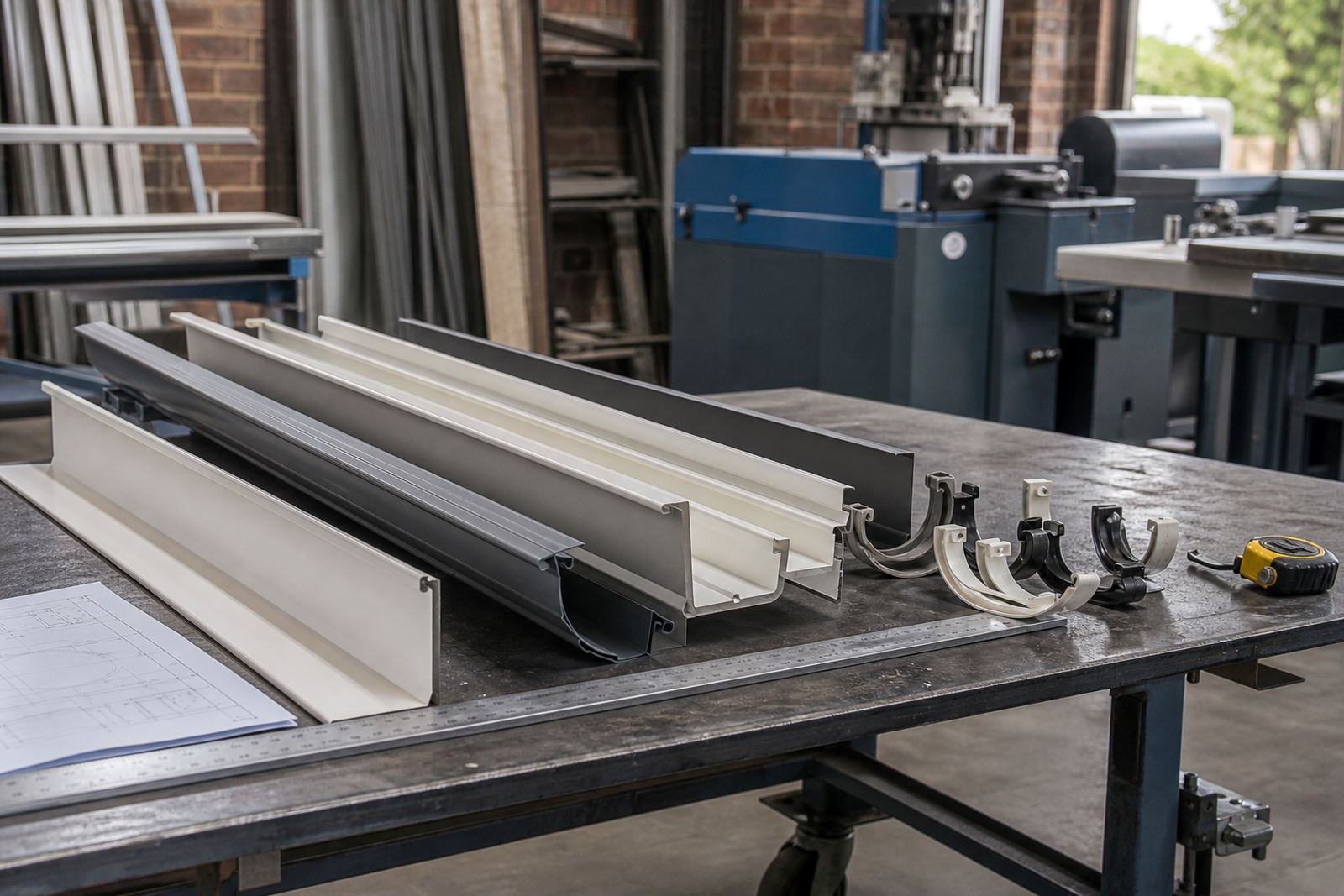
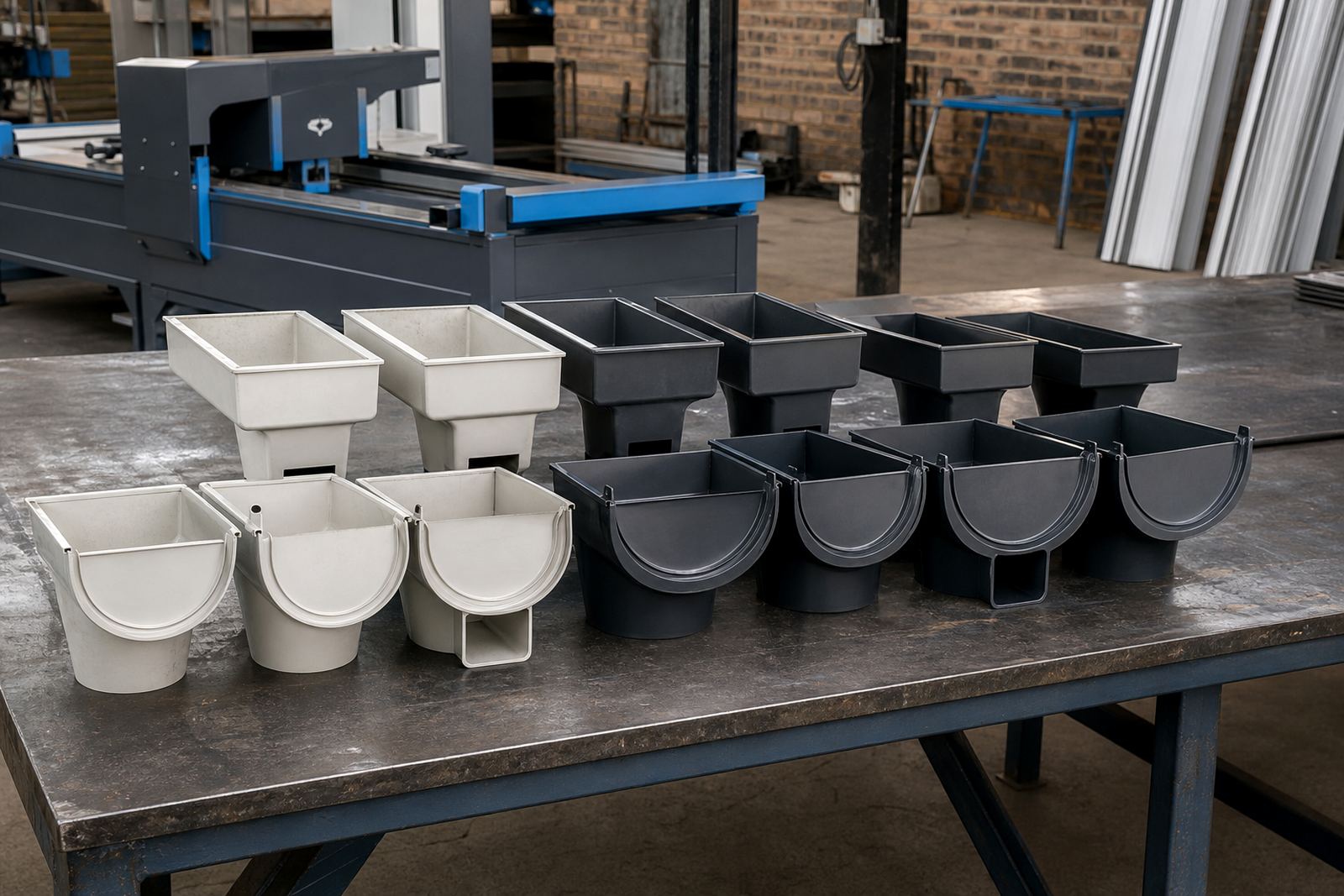
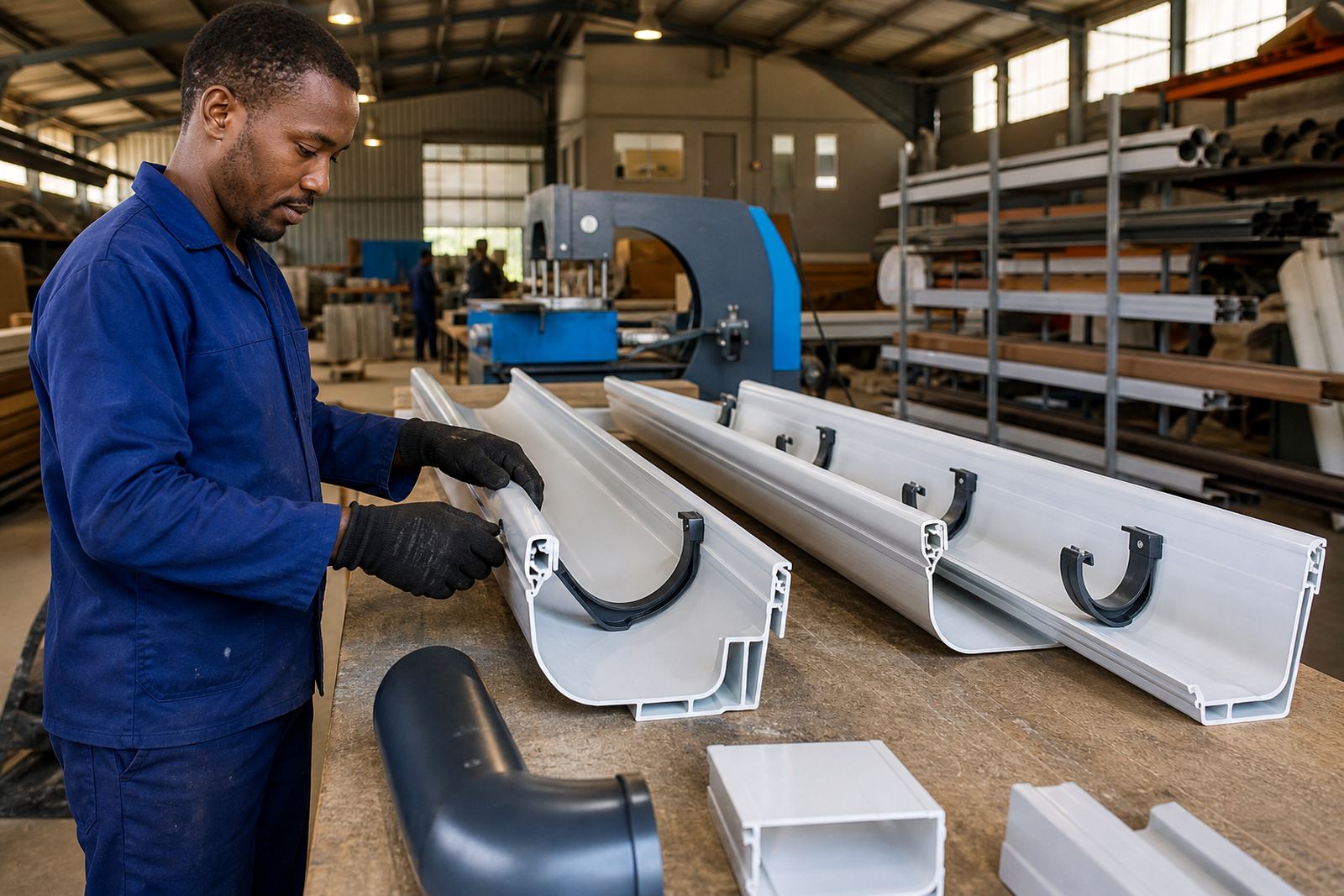
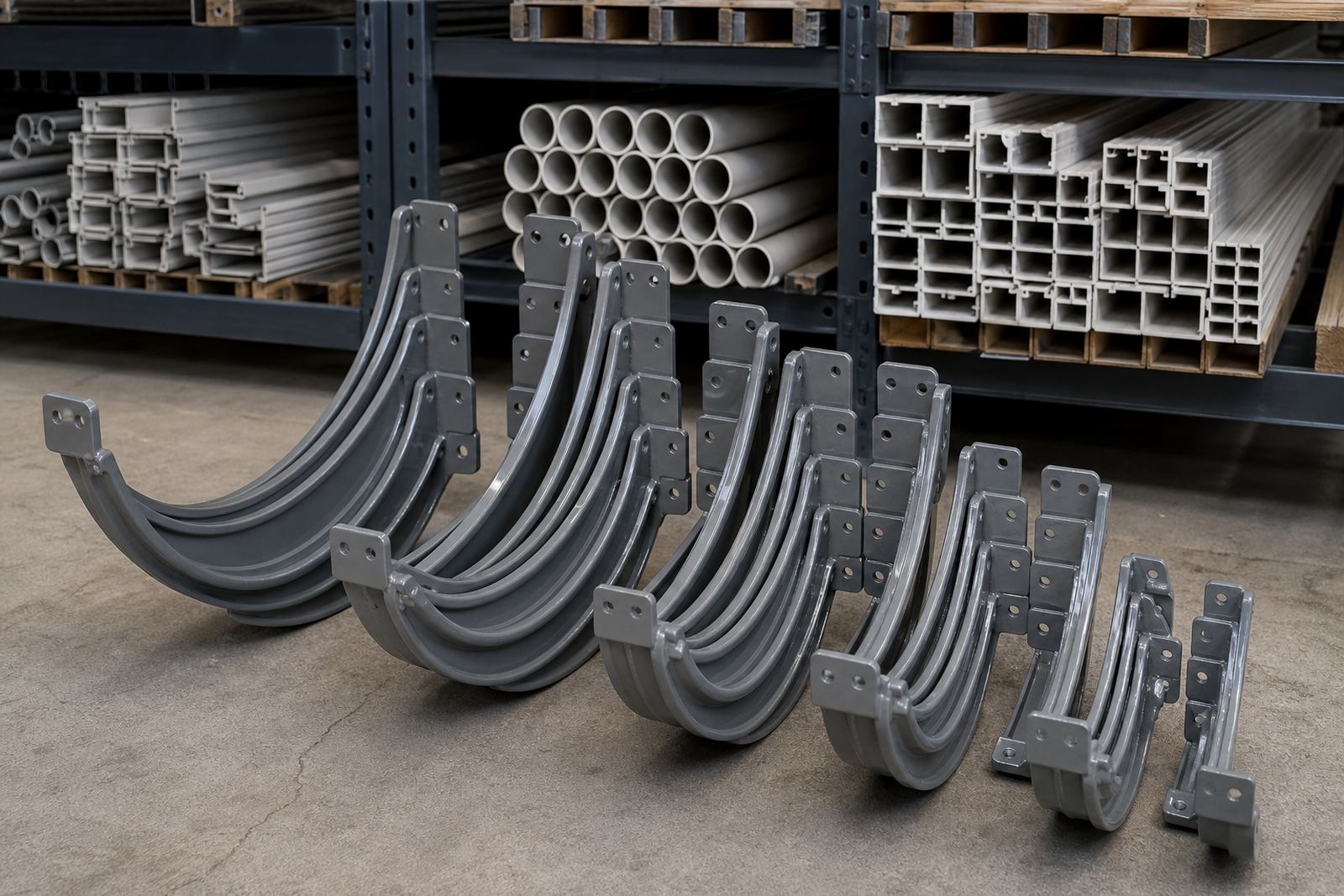
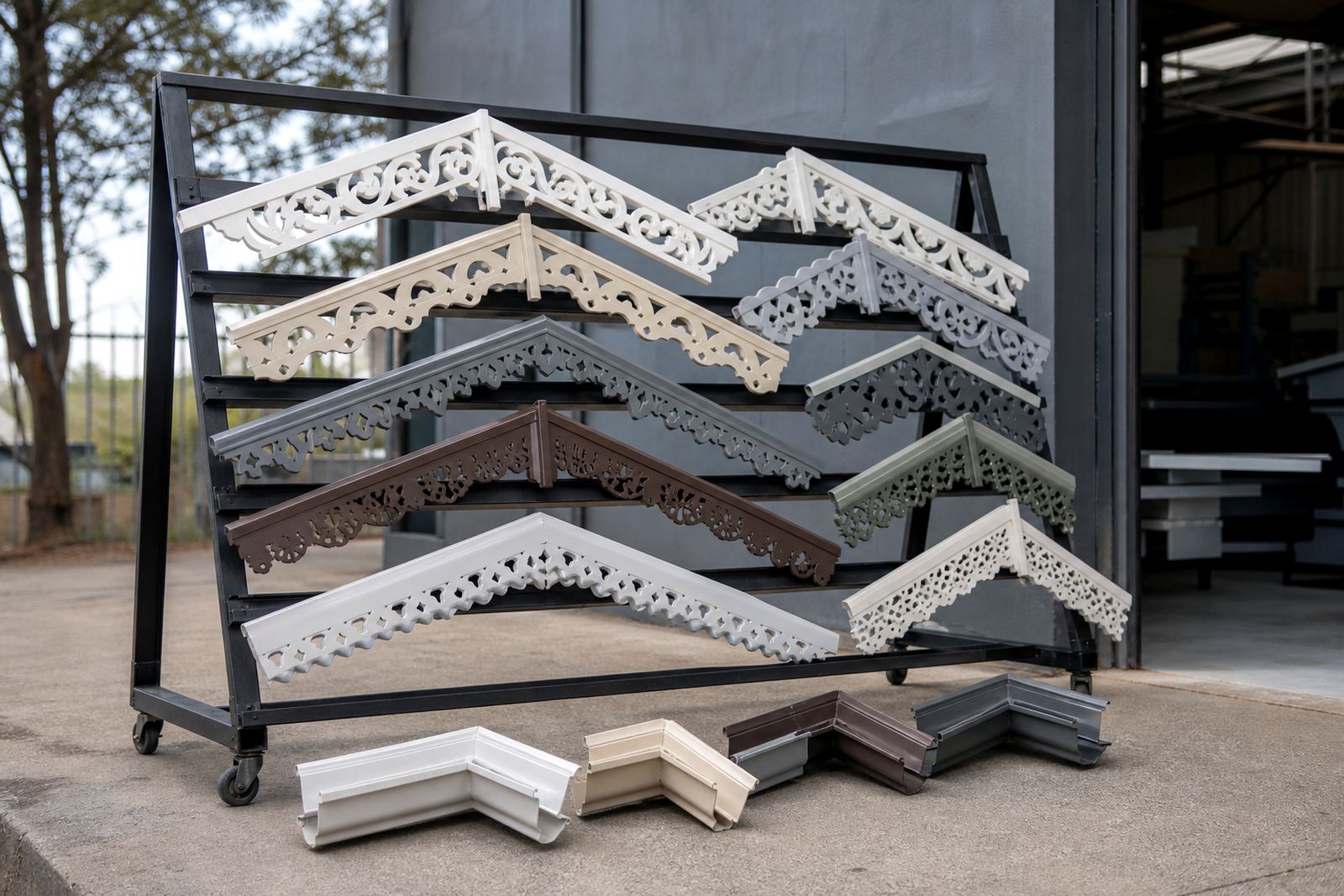
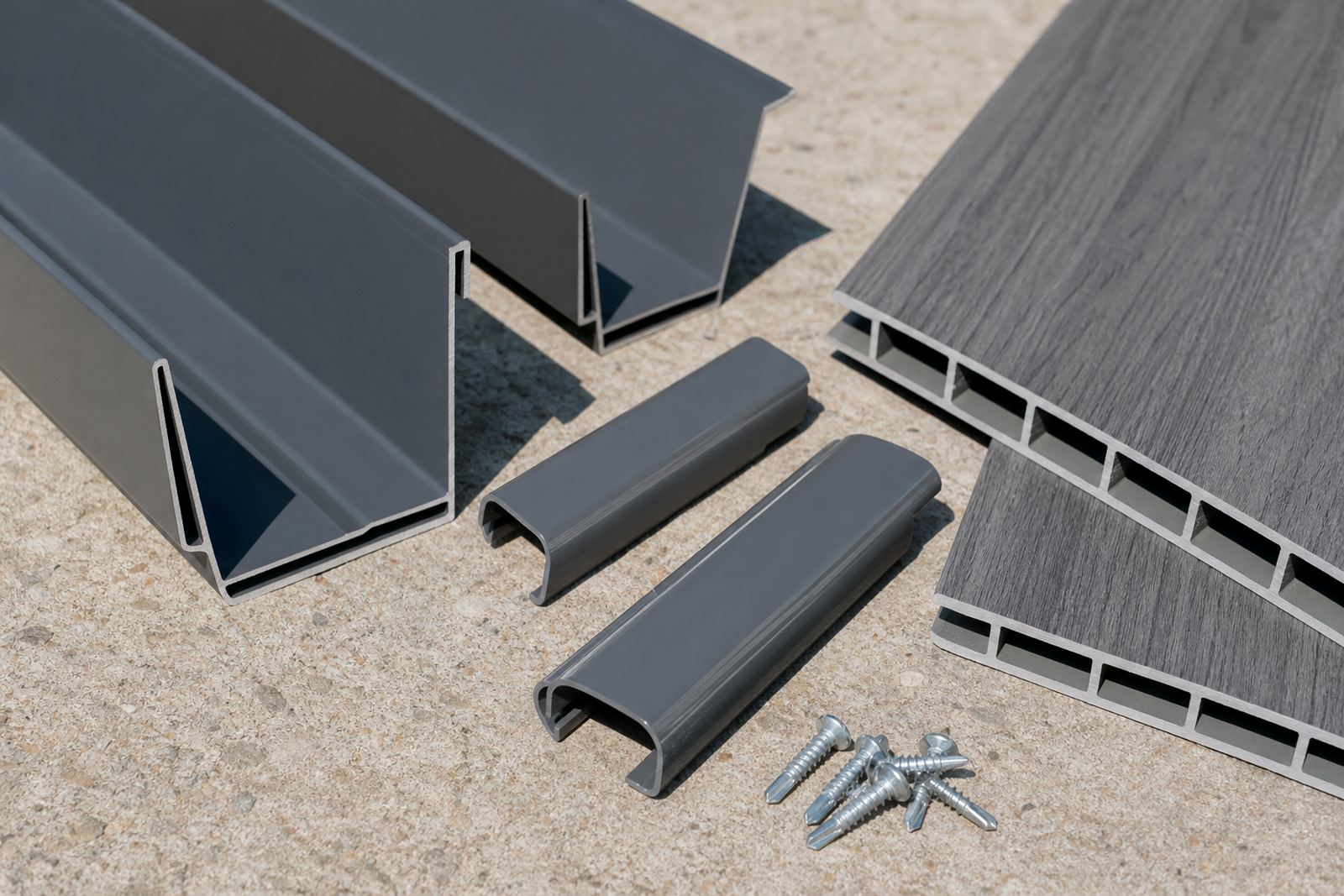
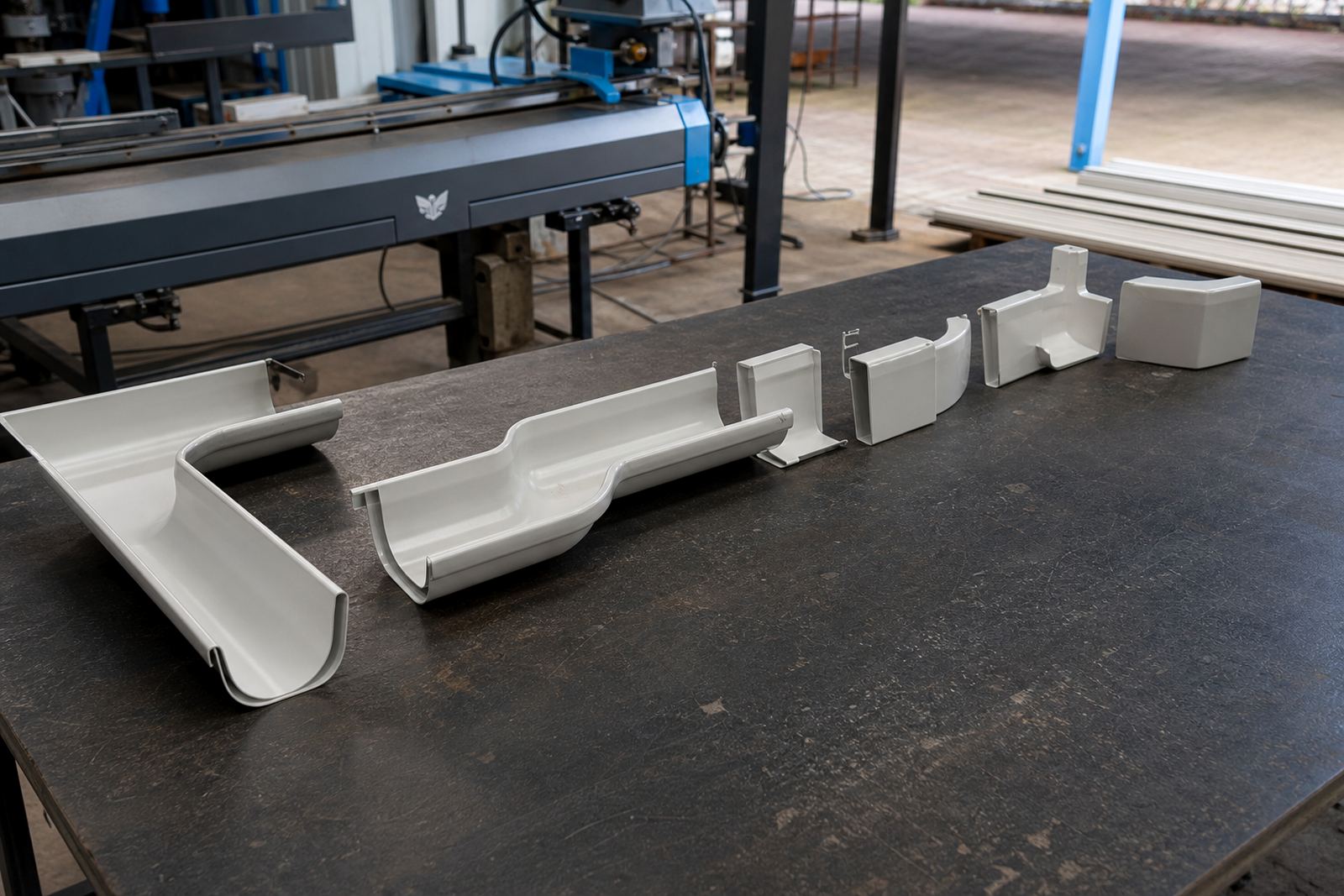
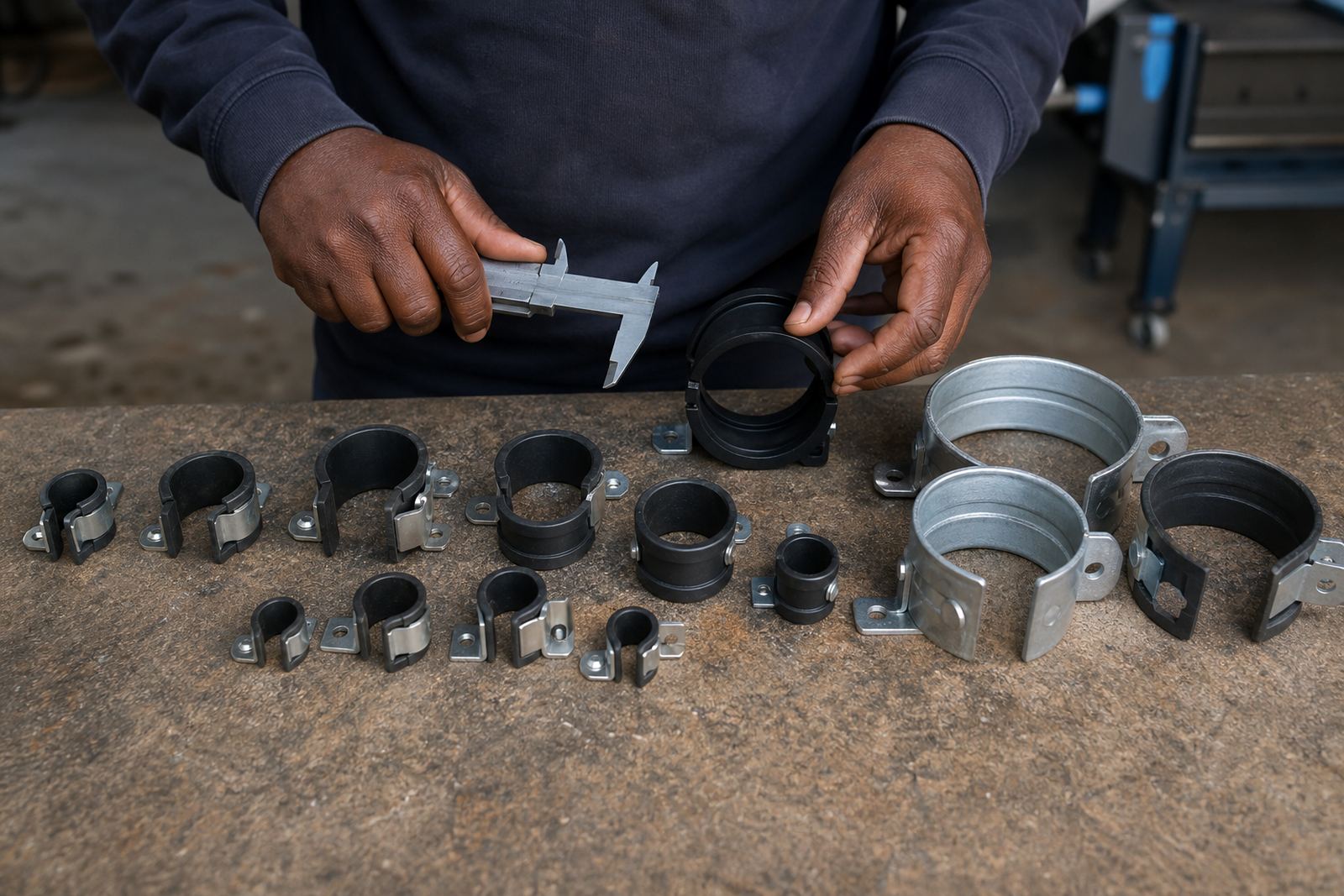
Good roofline work depends on the small parts as much as the main lengths. Brackets, joiners, stop ends, unions, outlets and bends all need to suit the chosen system so the line holds together under summer storms and daily heat movement. A tidy installation also depends on correct spacing so the gutter does not sag between supports.
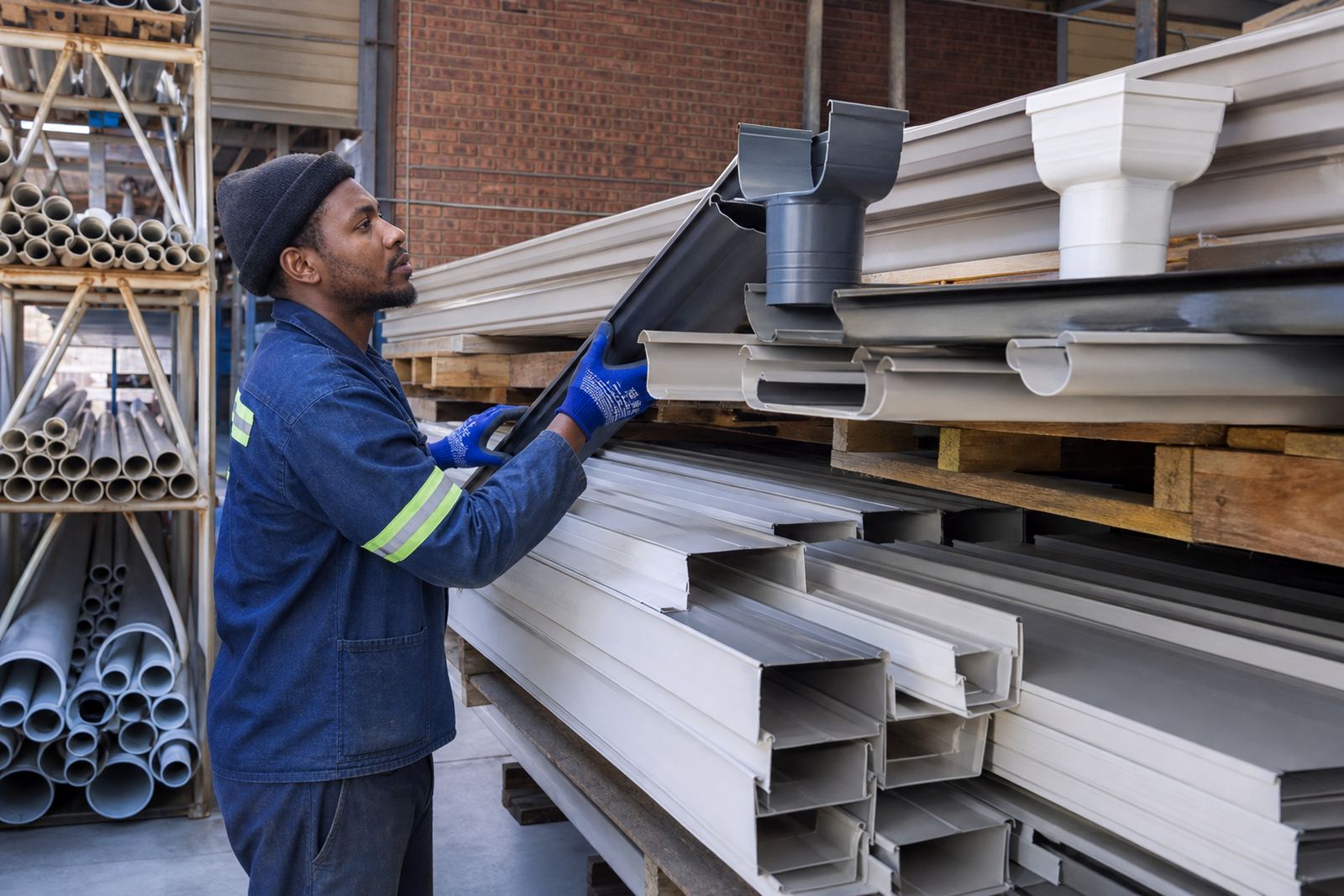
Builders often need a mixed order for a whole site, while homeowners may only need a short repair section. Plasteel supports both with product supply, material takeoff and delivery coordination to Kya Sand, Randburg and surrounding areas.
Maintenance that keeps the line working
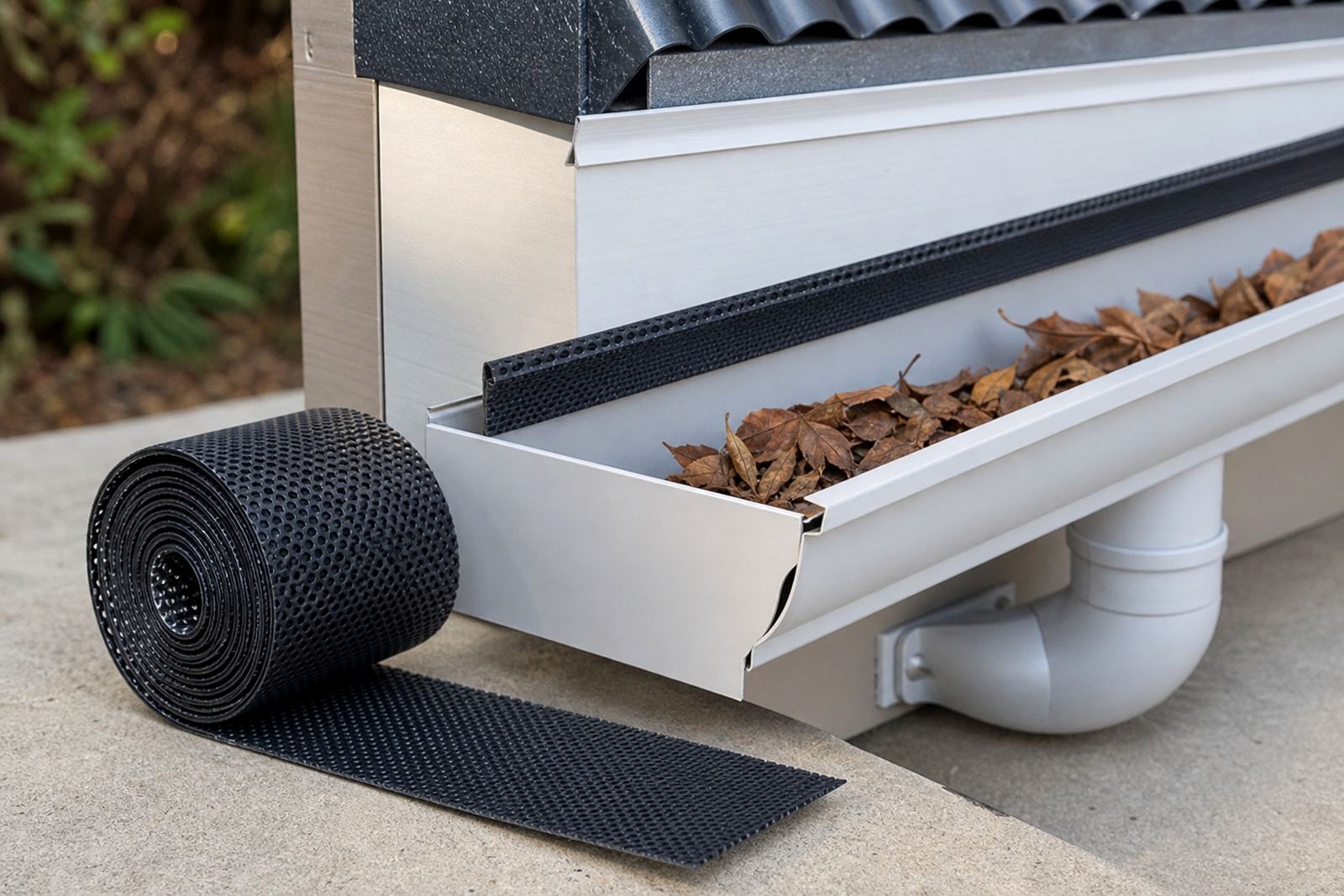
Gutters and downpipes need regular checks, especially where trees drop leaves, where dust builds up, or where coastal air speeds up grime on the roof edge. A blocked outlet can cause overflow, staining on walls and damp around the eaves. Small maintenance visits can pick up loose brackets, opened joints and early leaks before they spread.
- Clear leaves, silt and roofing grit from the gutter line
- Check outlets and bends for blockages after storms
- Look for drips at joints, corners and end caps
- Inspect fascia boards for movement, swelling or water marks
For builders and homeowners across South Africa
From Randburg and Midrand to Johannesburg, Pretoria, Durban, Cape Town and Polokwane, Plasteel supports roofline work across residential and commercial sites. The team works with builders, plumbers, property owners and maintenance crews who need practical guidance on gutter sizing, replacement sections and matching fascia materials. Local conditions matter, and so does getting the line right the first time.
Use the enquiry form on the contact page to ask about site measuring, product supply, installation support or delivery to your area.