How a hopper head fits into the roof drainage line
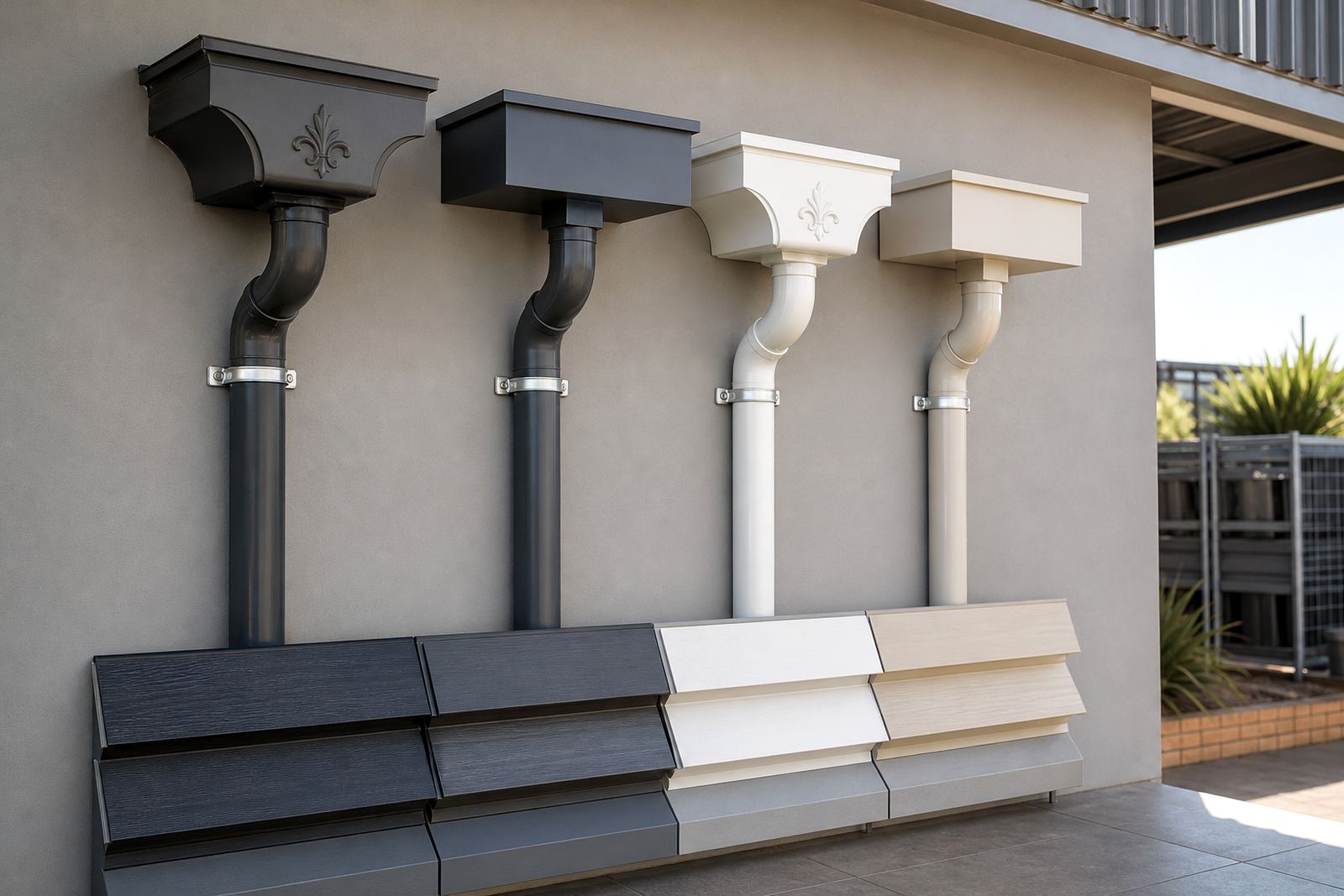
A hopper head sits between the gutter outlet and the downpipe. It gives rainwater a larger chamber to enter before it drops into the vertical pipe, which helps where two roof sections drain into one point, or where a higher volume of water reaches the outlet during summer storms. In practice, it is a useful connector when a standard outlet feels too small for the roof area feeding it.
On South African roofs, especially in places like Johannesburg, Pretoria, Durban and Cape Town, the size and position of the hopper head matter as much as the pipe size. If the chamber is undersized, water can surge over the top during heavy rain. If it is placed too low or too high against the fascia line, the outlet alignment becomes awkward and the flow into the downpipe suffers. A good fit depends on the gutter profile, the roof pitch, and the path the downpipe can take down the wall.
- Used where two gutter runs feed one downpipe
- Suitable for higher roof runoff at valleys and roof junctions
- Can be matched to square or round downpipe arrangements
- Helps control splash at the gutter outlet
Sizes, shapes and outlet options
Hopper heads are usually selected by the outlet size, chamber width and the type of gutter line feeding them. For domestic work, smaller units are often used on single-storey homes and patios. Larger units suit commercial roofs, long runs, or sites where more than one outlet feeds the same downpipe. The opening at the top should allow free entry without creating a bottleneck, while the lower outlet must match the downpipe size closely enough to maintain flow.
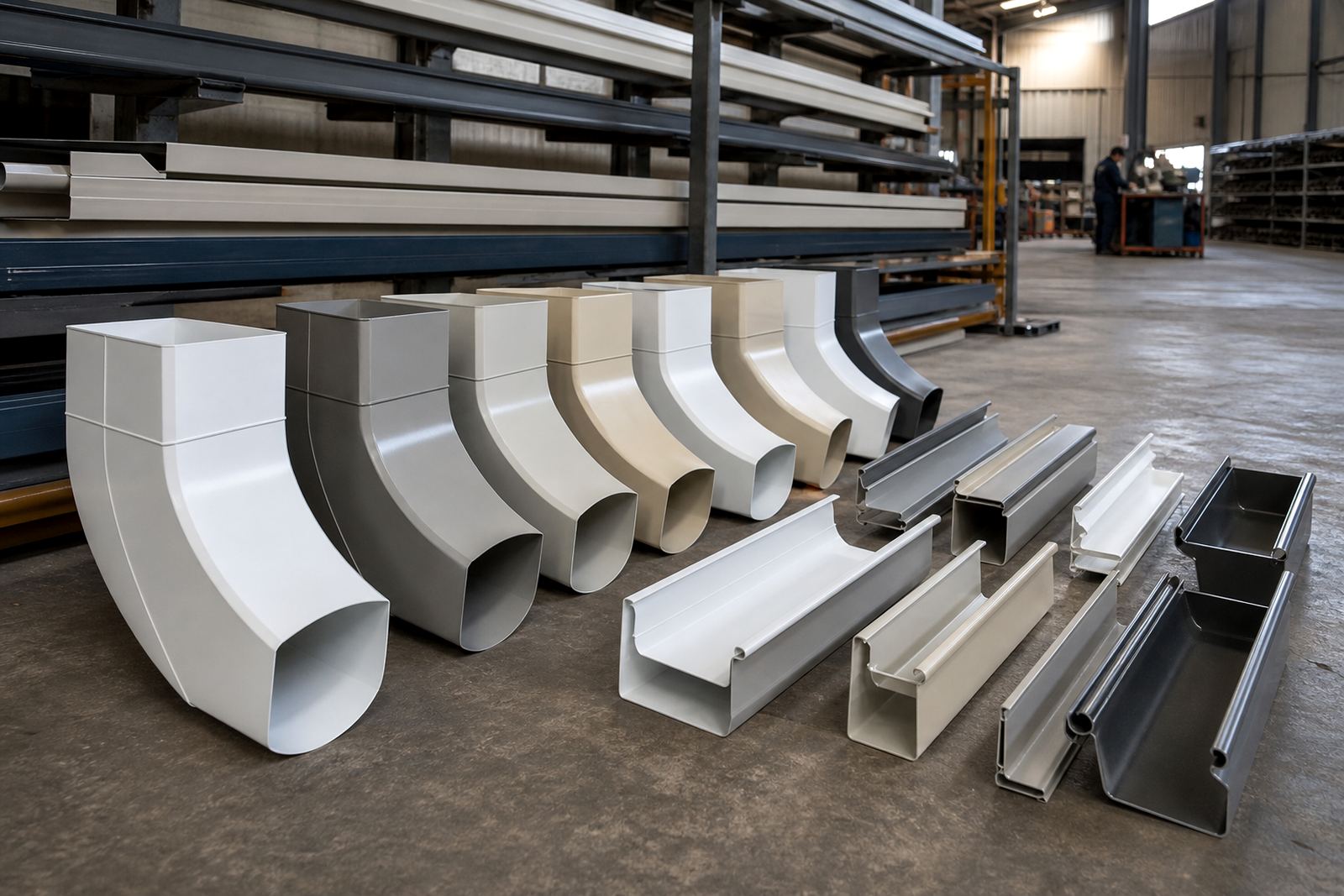
Common options include square, rectangular and tapered forms. Some layouts call for a single inlet and single outlet, while others use a broader chamber to accept water from two directions. In coastal areas such as Durban and Cape Town, builders often look for neat wall fixing and good corrosion resistance at the fasteners, since moisture hangs around fittings for longer and any poor joint shows up quicker.
- Single inlet units for one gutter outlet
- Multi-inlet units for combined roof drainage
- Square or rectangular body shapes
- Compatible with different downpipe sizes
- Can be colour matched to roofline components where required
Where hopper heads work best on site
These fittings are useful on both residential and commercial projects. On houses, they are often placed where a roof valley empties quickly into one outlet, or where two short gutter lengths meet at a corner and need a cleaner transition into the downpipe. On larger buildings, they help manage roof sections that collect a lot of water in a short time, especially where the gutter line is long and the fall needs a tidy discharge point.
They also suit roofline replacement work where the existing outlet position is not ideal. Instead of forcing water through a small opening, the hopper head gives the flow some space before it drops away. That can be practical on older buildings in Randburg, Roodepoort and Midrand, where roof drainage has often been altered over time and the original outlet no longer lines up well with the current gutter run.
- Homes with intersecting roof planes
- Boundary walls or tight wall spaces where pipe routing is limited
- Warehouses, shops and office blocks with larger roof catchment areas
- Sites where maintenance access to the outlet needs to stay simple
Fitting details that affect flow and service life
Fitting a hopper head is not just a matter of screwing it onto the wall. The outlet height must sit in line with the gutter base so water moves in cleanly, and the downpipe connection must be straight enough to avoid a choke point. The wall surface should be sound, the fixing points should be secure and the seal between the unit and the adjoining gutter should be neat. For roofing work at height, competent people should do the installation and use proper fall protection and access equipment.
The gutter fall leading into the hopper head should be checked before final fixing. Even a well made chamber will struggle if the gutter run is flat, back-falls toward the house, or holds leaf debris near the outlet. On metal roofs and composite roofline systems, installers also need to allow for movement from heat and sun exposure. A hopper head that is fixed too rigidly against an expanding line can place stress on the adjoining fittings.
- Confirm gutter fall before cutting the outlet opening
- Use suitable brackets and fixings for the wall substrate
- Keep the downpipe vertical where possible
- Seal joints neatly to reduce seepage and staining
- Allow for thermal movement in hot sun
Maintenance that keeps the outlet open
Like any roof drainage fitting, a hopper head works best when it stays free of silt, leaves and roof debris. In leafier suburbs and after a windy spell, material can settle inside the chamber and slow the flow into the downpipe. A quick check during regular gutter maintenance usually catches this early. If water sits in the unit after rain, the outlet may need clearing or the adjoining gutter may need its fall corrected.
Plastic-steel composite parts are chosen for their weathering performance and tidy appearance, but they still benefit from basic care. Wash down dirt from the face of the unit, check the fixings for movement and inspect the seal line where the gutter meets the hopper. If the roofline has been painted or repaired nearby, make sure no paint, mortar or sealant has entered the chamber. In coastal humidity, fastener condition should be watched carefully, because rust on one small bracket can lead to a loose fitting over time.
- Clear leaves and grit from the chamber and outlet
- Check after heavy rain for overflow marks or splash back
- Inspect seals and brackets during routine roofline maintenance
- Watch for staining on the wall below the outlet
Ordering details to confirm before supply
When ordering hopper heads, the important details are practical rather than decorative. The team needs to know the gutter profile, the number of inlets, the downpipe size, the wall finish and the site location. It also helps to know whether the unit is going onto a new build, a roofline replacement or a repair where the existing pipework must stay in place. A clear photo of the roof edge and the outlet position usually helps avoid a wrong fit.
For builders working on projects in Pretoria, Polokwane, Johannesburg or Cape Town, it is worth checking the roof area that drains into the unit and whether any other sections share the same outlet. That affects chamber size and pipe capacity. If the site has a long gutter run, shallow fall or an awkward corner, those details should be shared before supply so the correct component is selected for the line.
- Gutter profile and width
- Downpipe size and shape
- Single inlet or multi-inlet layout
- Approximate roof area feeding the outlet
- Wall type and fixing surface
- Delivery area or collection point
Typical specifications for hopper heads
Plasteel hopper heads are made for roof drainage applications where a neat transition from gutter to downpipe is needed. The exact configuration depends on the project, but the unit is generally supplied to suit the selected gutter and pipe arrangement. For builders and homeowners, that means a practical fit for fascia lines, roof valleys and combined discharge points across South African homes and commercial buildings.
Because every roofline is different, the final specification should always match the outlet count, the pipe diameter and the available fixing space. On coastal properties, on busy industrial sites and on homes with high rainfall exposure, the right size and correct installation matter more than visual matching alone. A good hopper head should carry water away cleanly and sit neatly against the wall without forcing the gutter into a bad angle.
Key facts
| Product type | Hopper head for gutter to downpipe transition |
|---|---|
| Typical use | Collects water from one or more gutter outlets before feeding a downpipe |
| Common shapes | Square, rectangular and tapered forms |
| Size factors | Gutter profile, inlet count, chamber width and outlet diameter |
| Material focus | Plastic-steel composite roofline component |
| Installation note | Should be fitted by competent people with safe access at height |