

Rooflines That Need More Than a Quick Patch
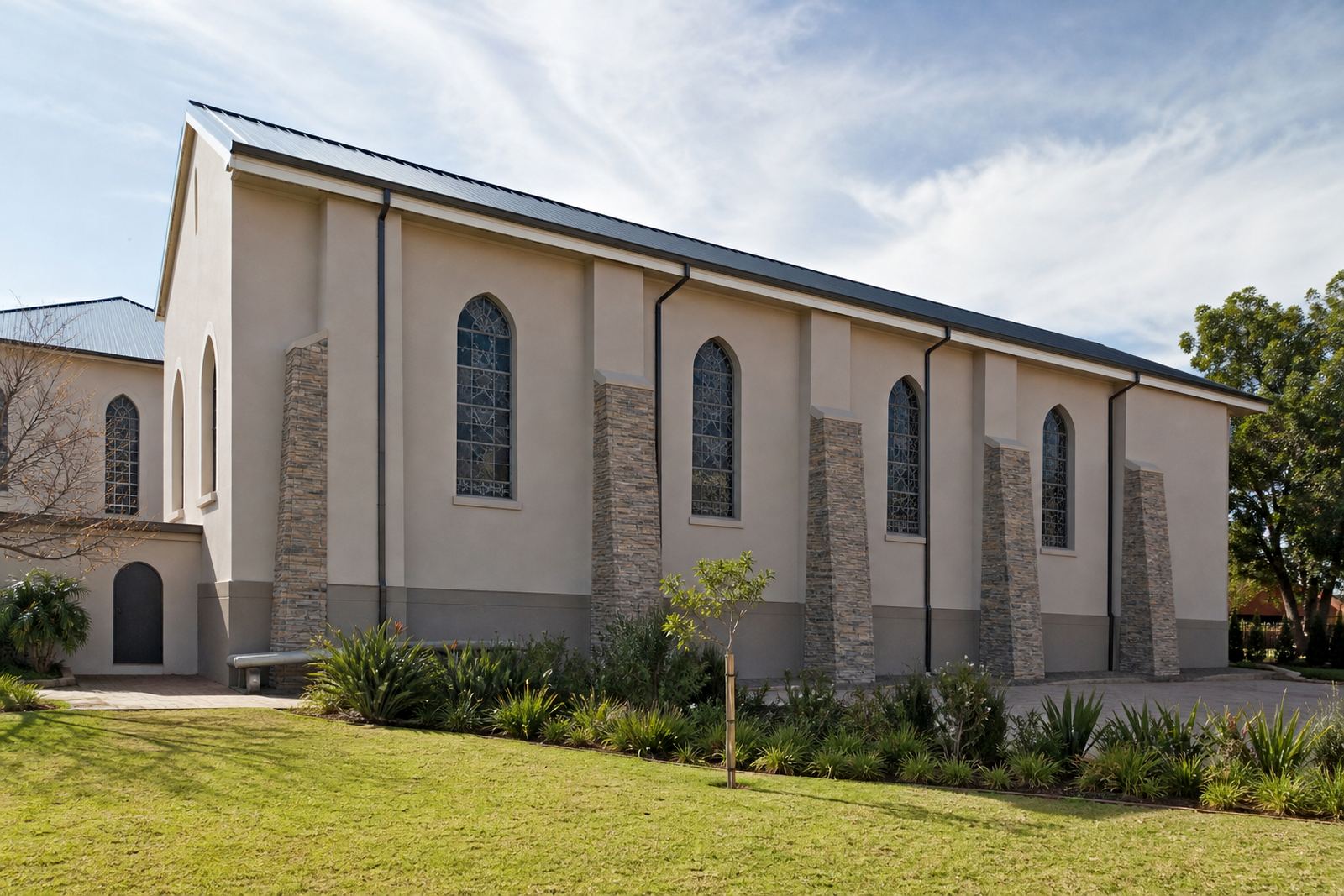
Roofline work can mean a small section change on a townhouse, or a full replacement on a long commercial run. The jobs below cover common South African conditions such as summer downpours, coastal humidity, dusty inland suburbs and older roofs where the fascia has softened at the nail line.
Most projects start with a site measure, then a takeoff for gutter lengths, downpipe positions, brackets and joiners. That makes it easier to match the roof edge, control overflow at the right points and keep the finished line neat from street level.
How to Read the Job Examples
Each example is grouped by place and client type only, so you can compare a home in Randburg with a small block in Pretoria or a larger roofline in Cape Town. Some jobs focus on replacement, others on new installation or maintenance after leaks and sagging.
- Look at roof pitch, because steeper roofs can move water faster into the gutter.
- Check the gutter size against the roof area and the length of each run.
- Match downpipe placement to the natural fall so water does not sit in low points.
- Choose fascia material that stays straight and holds fixings well over time.
Typical Materials Used On South African Roofs
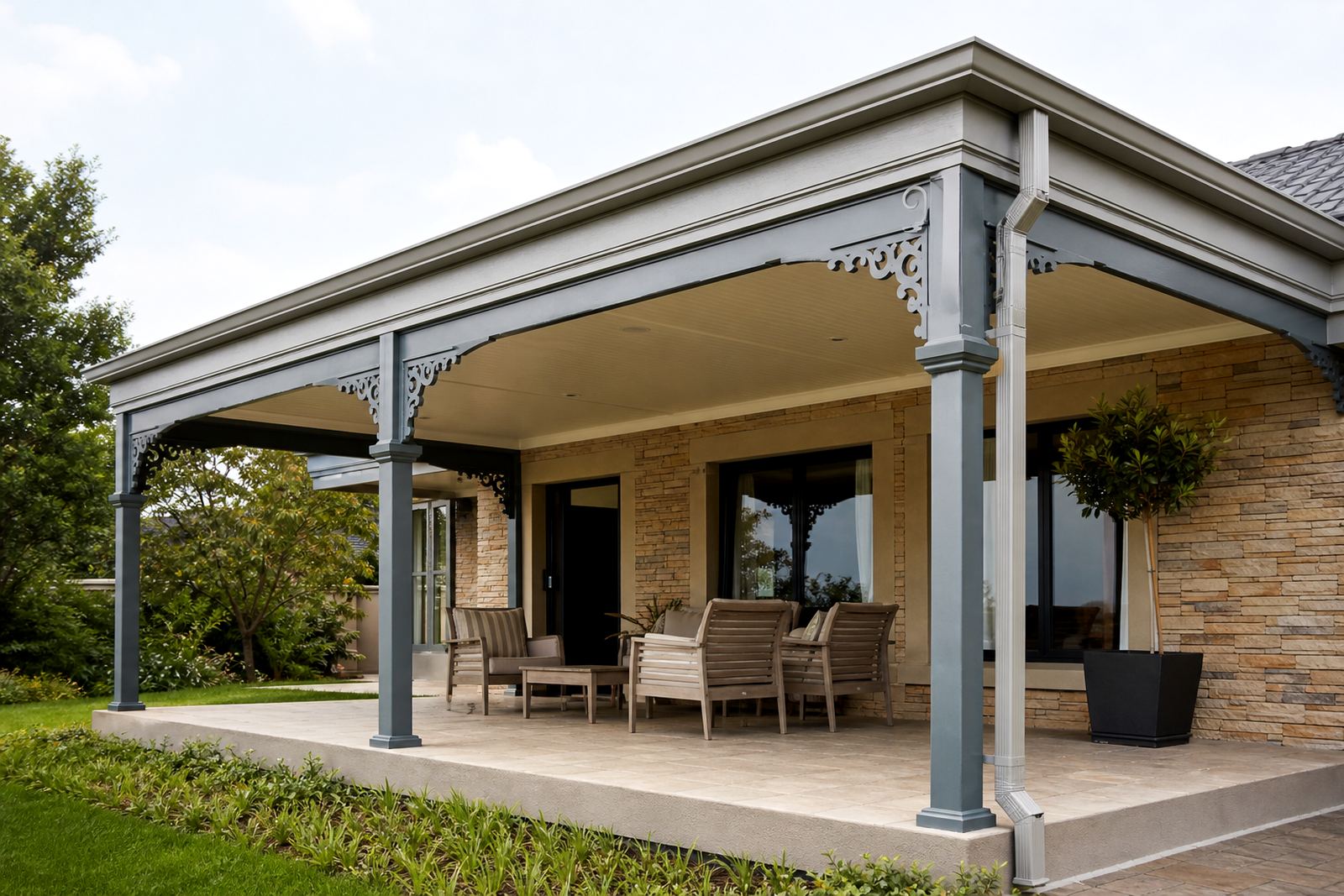
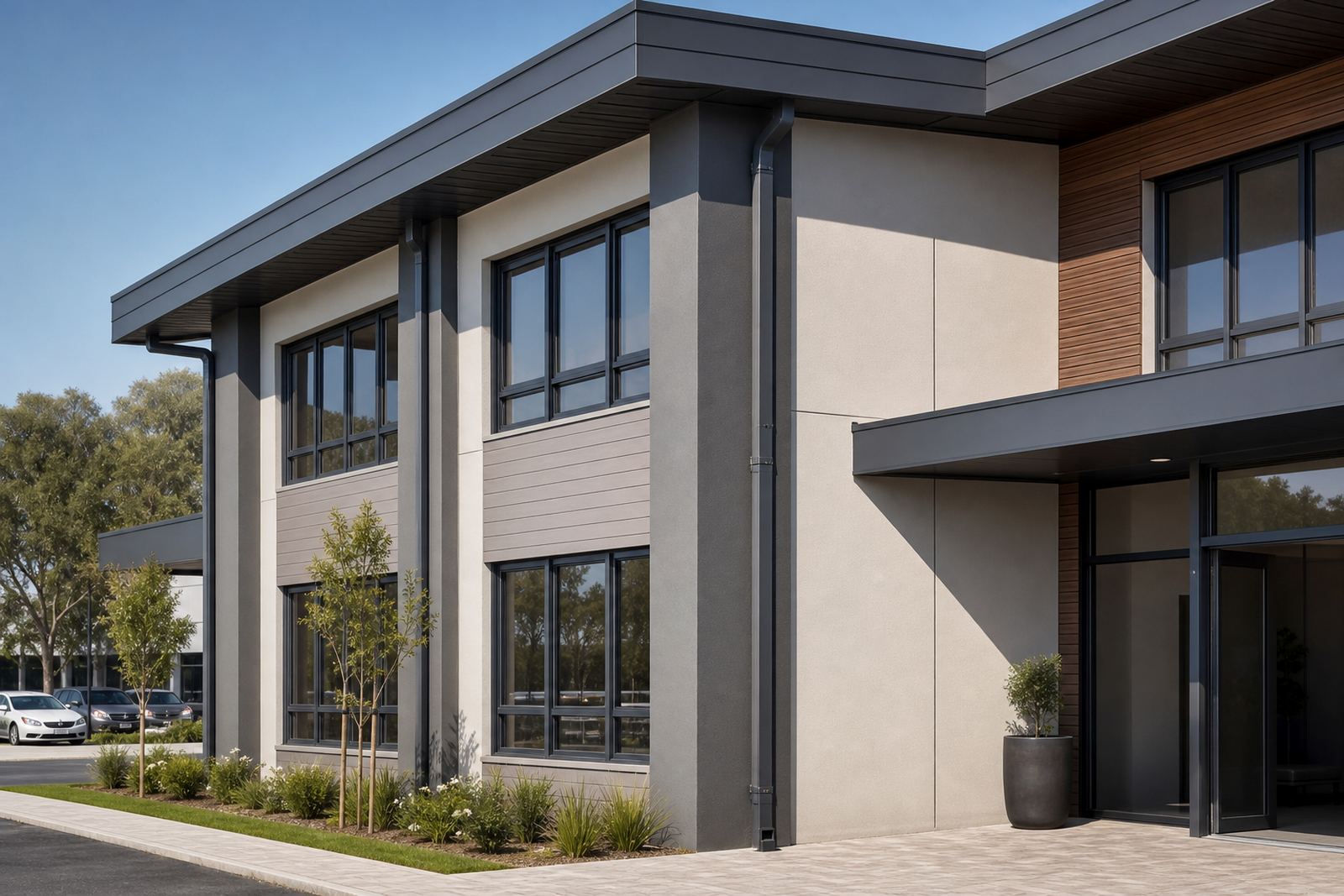
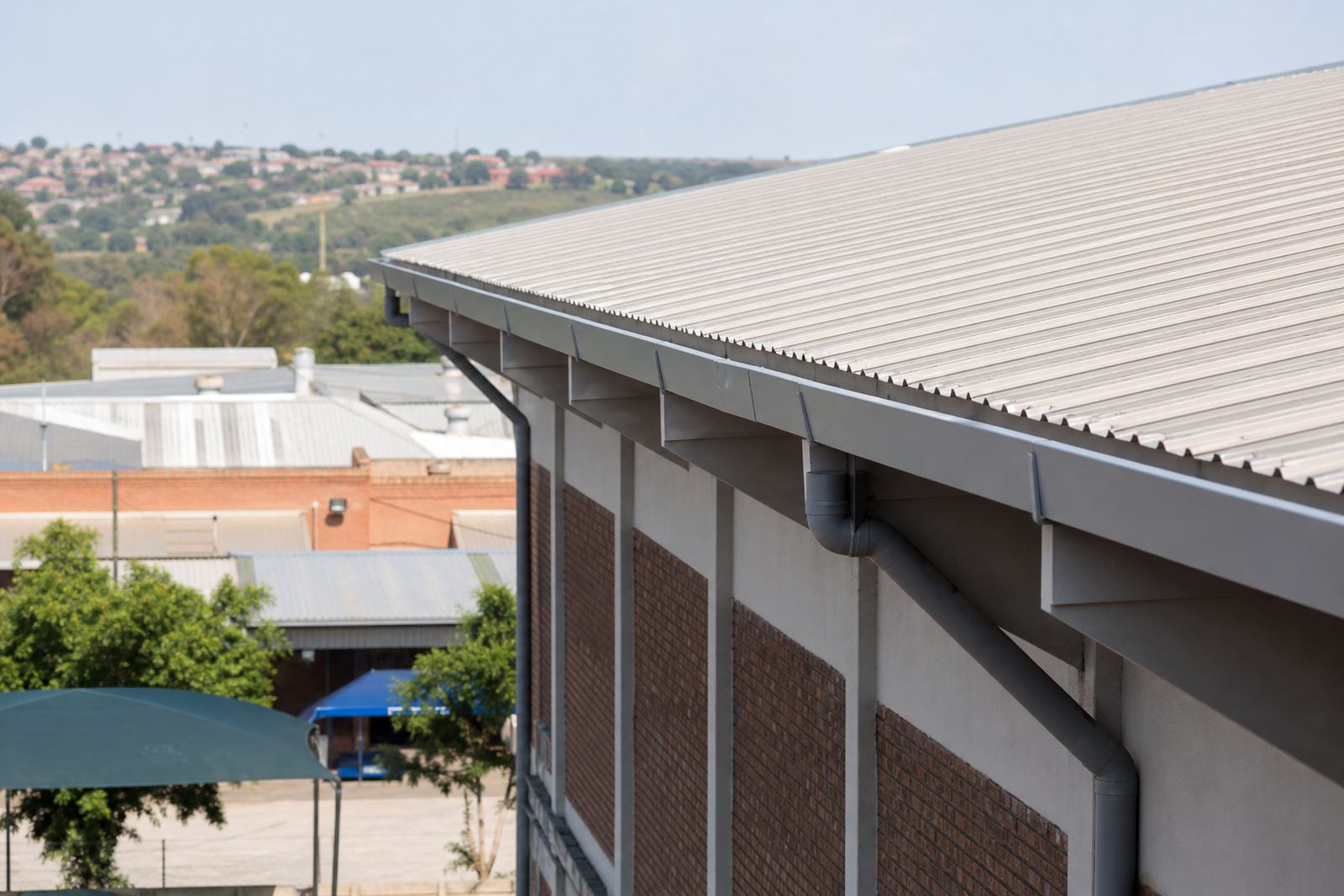
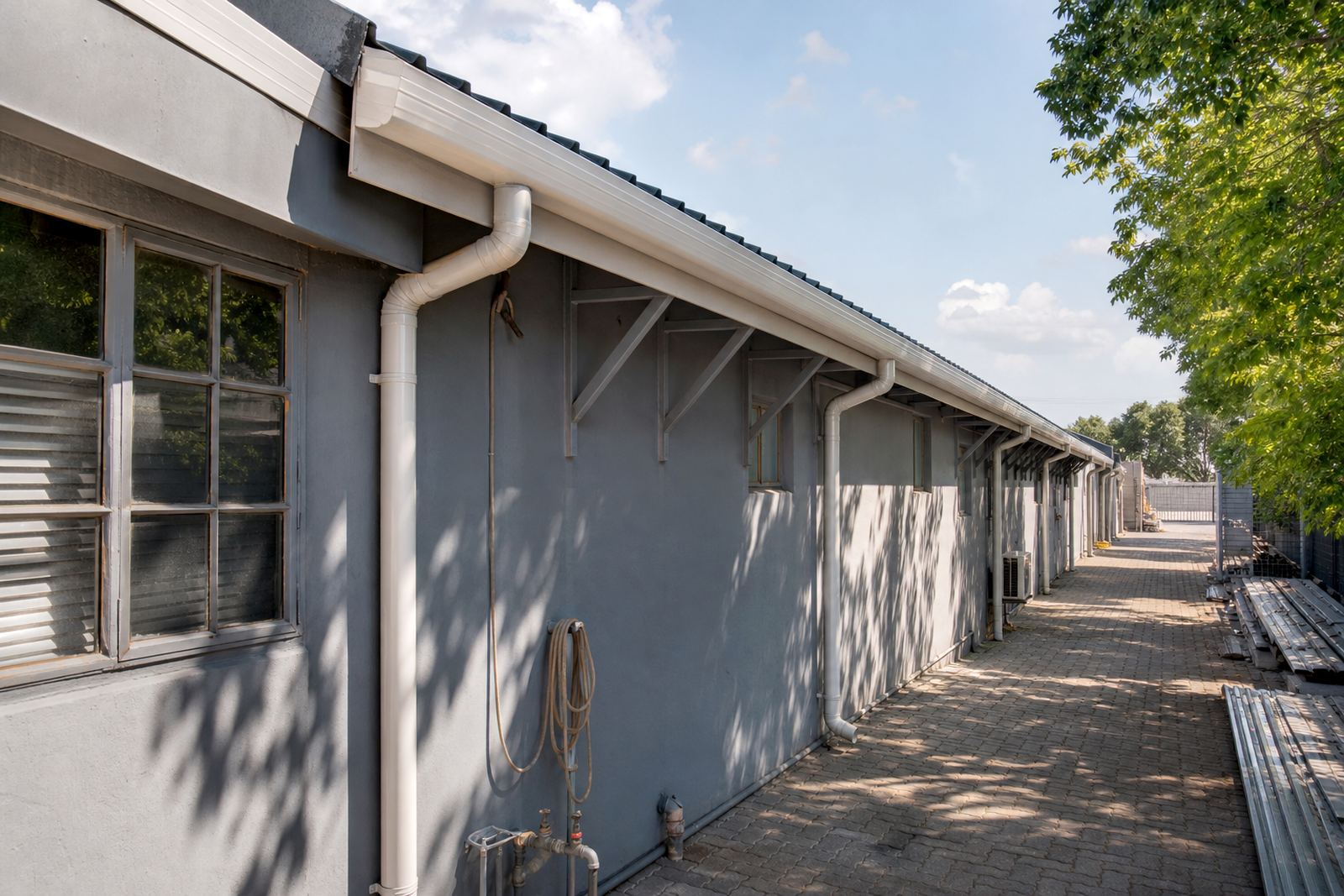
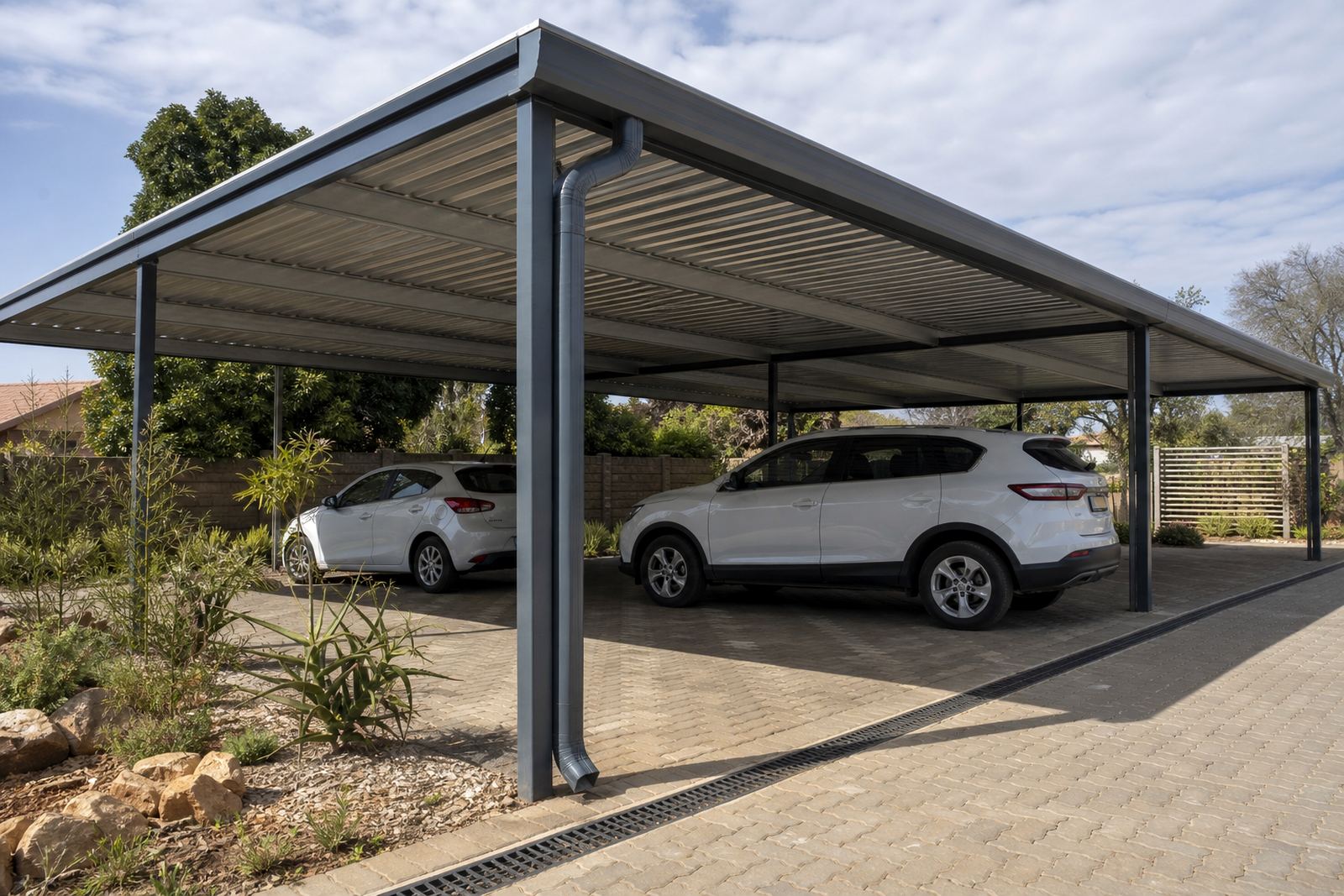
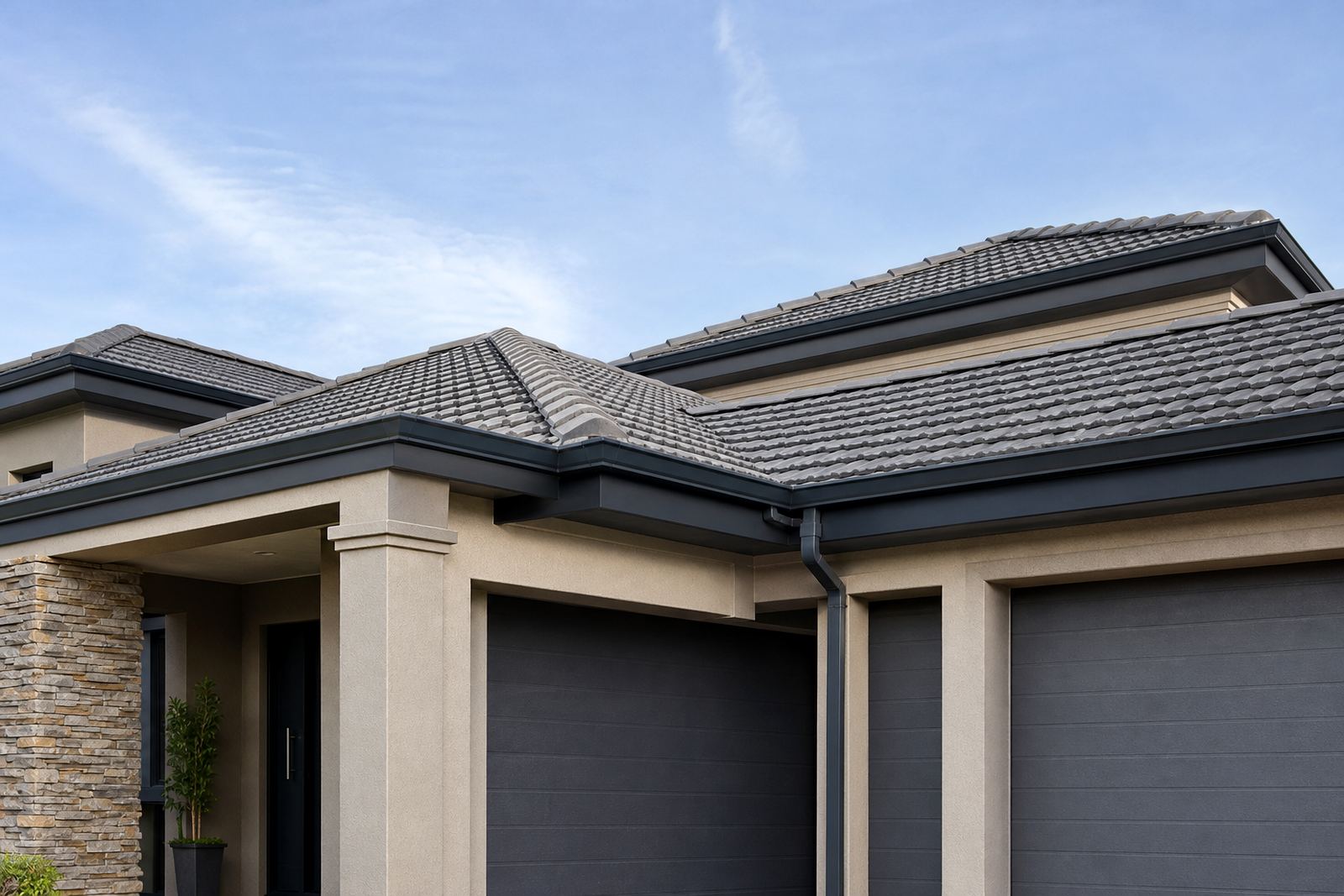
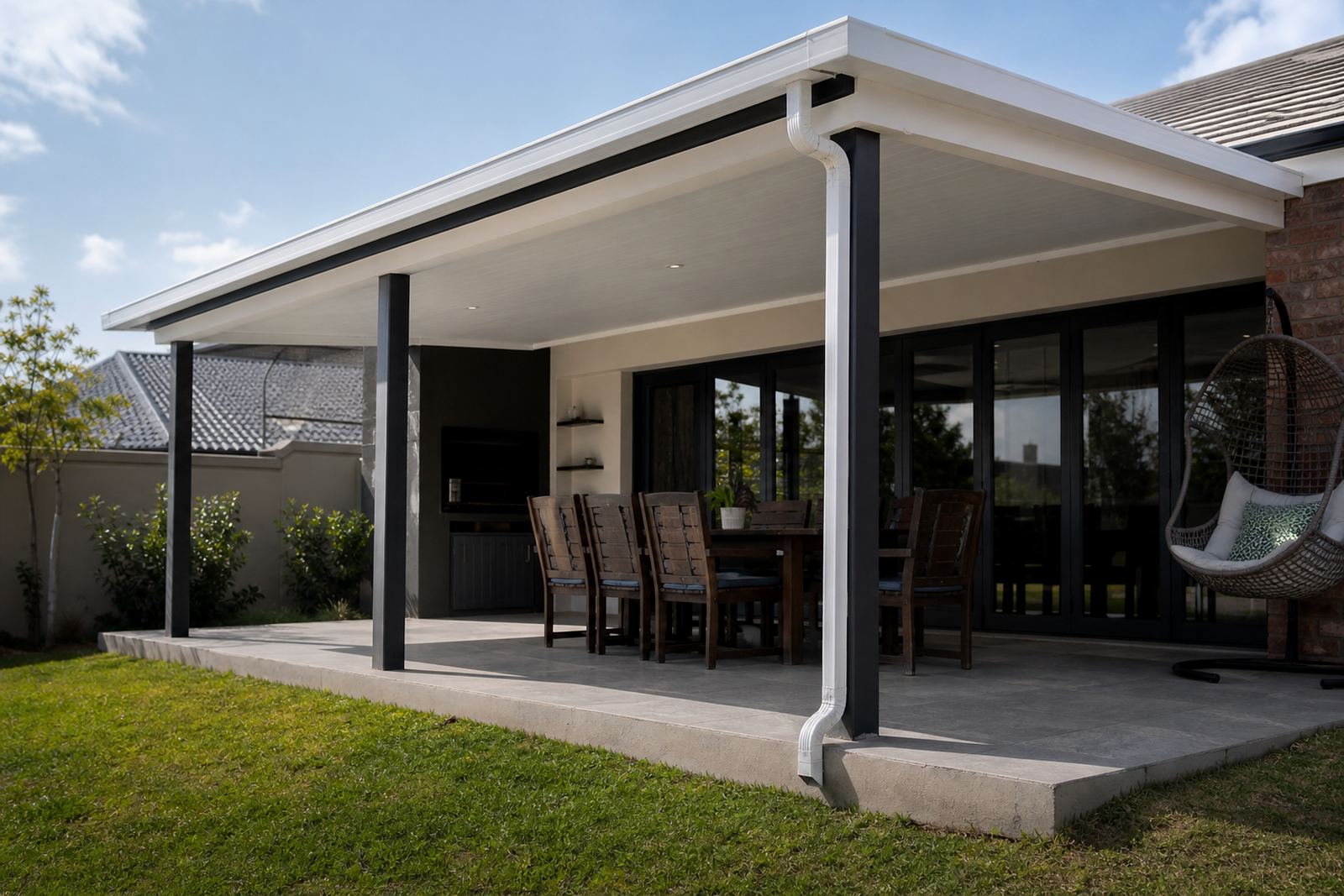
Plastic-steel composite roofline parts are often chosen where durability and a cleaner maintenance cycle matter. Gutter sections need consistent dimensions, sound joins and brackets spaced to suit the run. Downpipes should be sized to move heavy rain without backing up at the outlet, while fascia boards need enough stiffness to support the gutter line and keep the roof edge tidy.
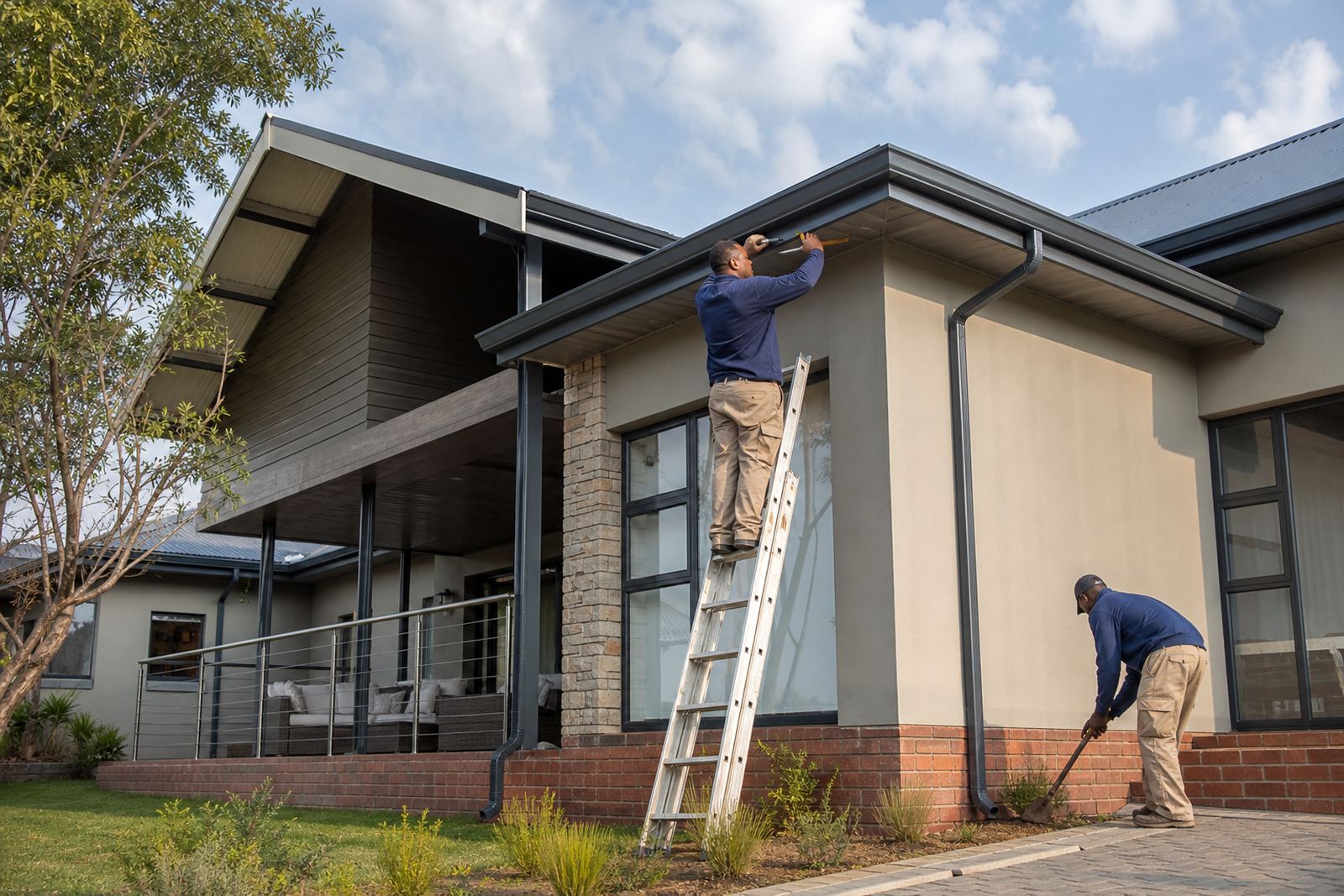
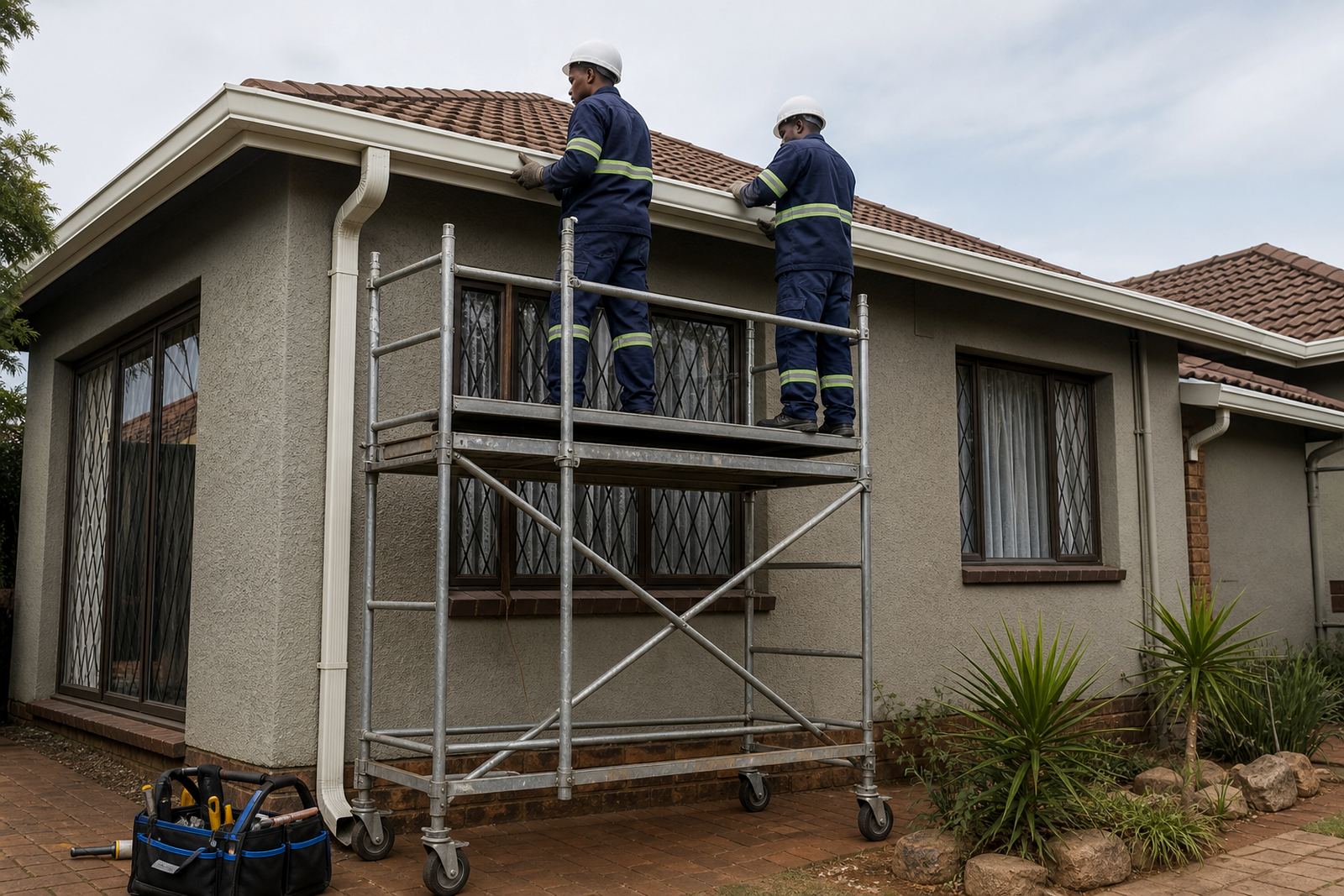
On many jobs the crew checks for correct fall first, then marks bracket spacing and downpipe positions before fixing anything. If the line is off by even a little, water can pool in one bay and stain the fascia or overrun the front edge.
Example Jobs By Place And Property Type
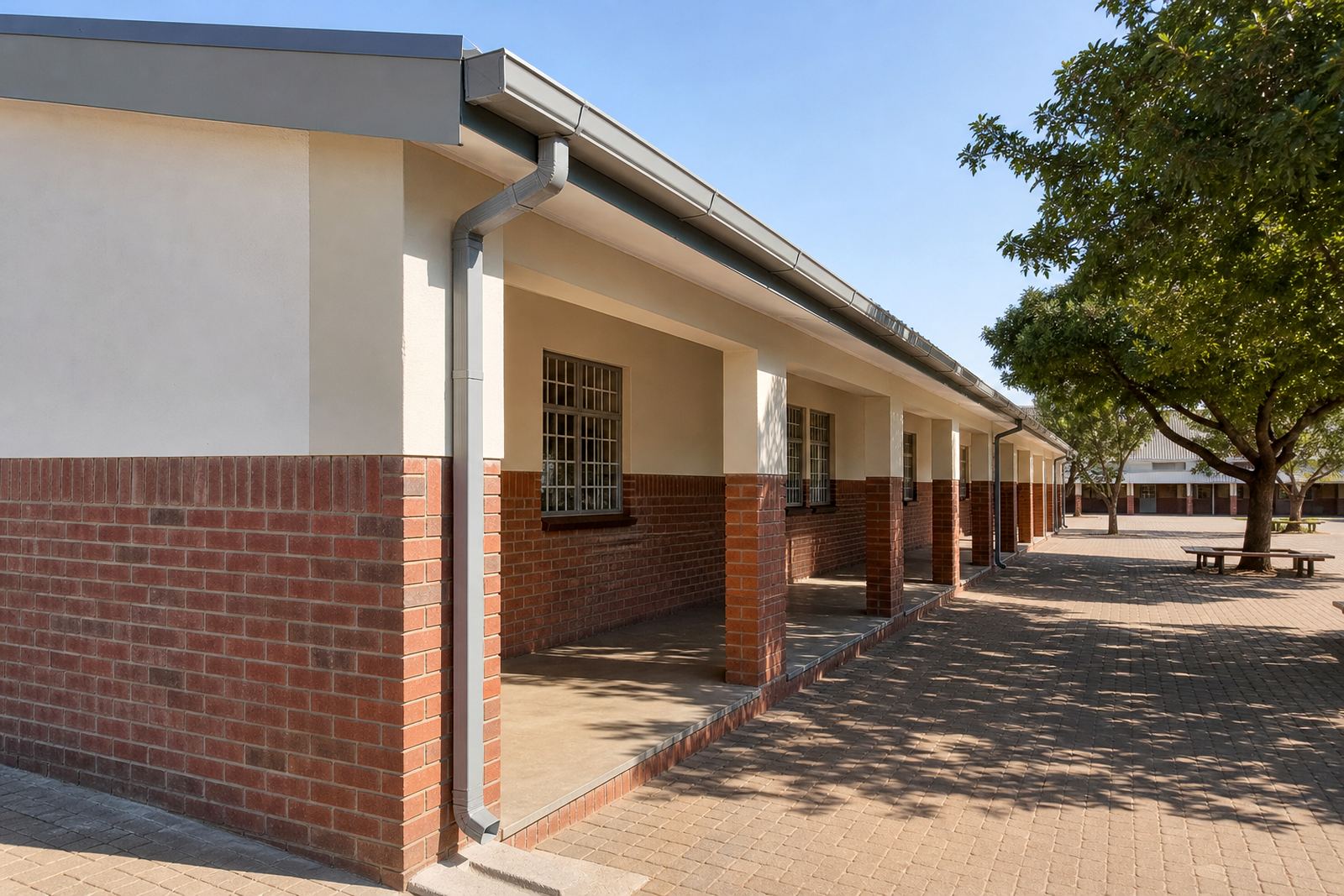
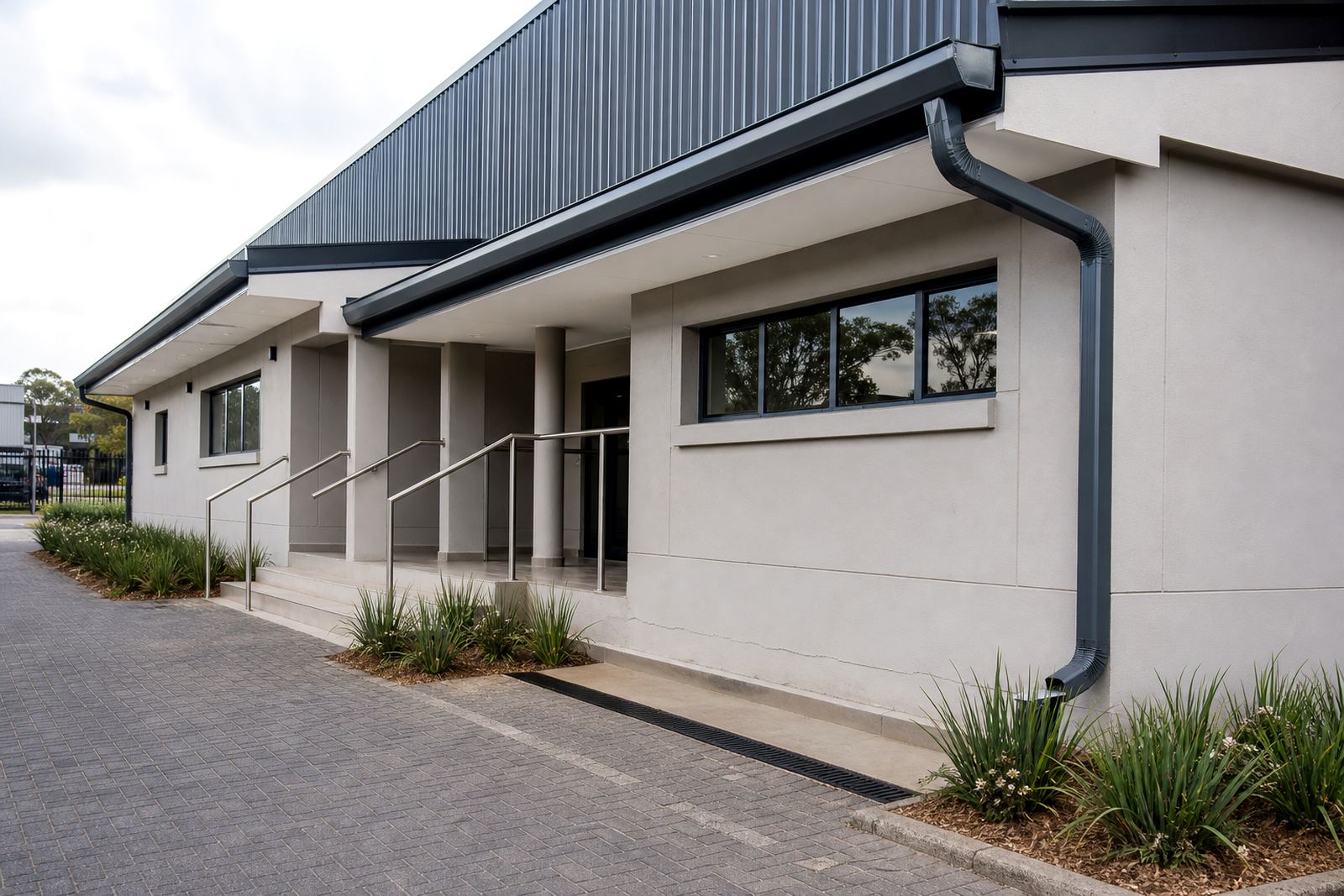
Roofline work across Johannesburg, Pretoria, Durban, Cape Town, Polokwane, Midrand and Roodepoort includes both supply-only and installation jobs. Examples include family homes, sectional title blocks, retail units and builder handover work.
- Randburg home: fascia replacement with new gutter brackets and a leak check at two corners.
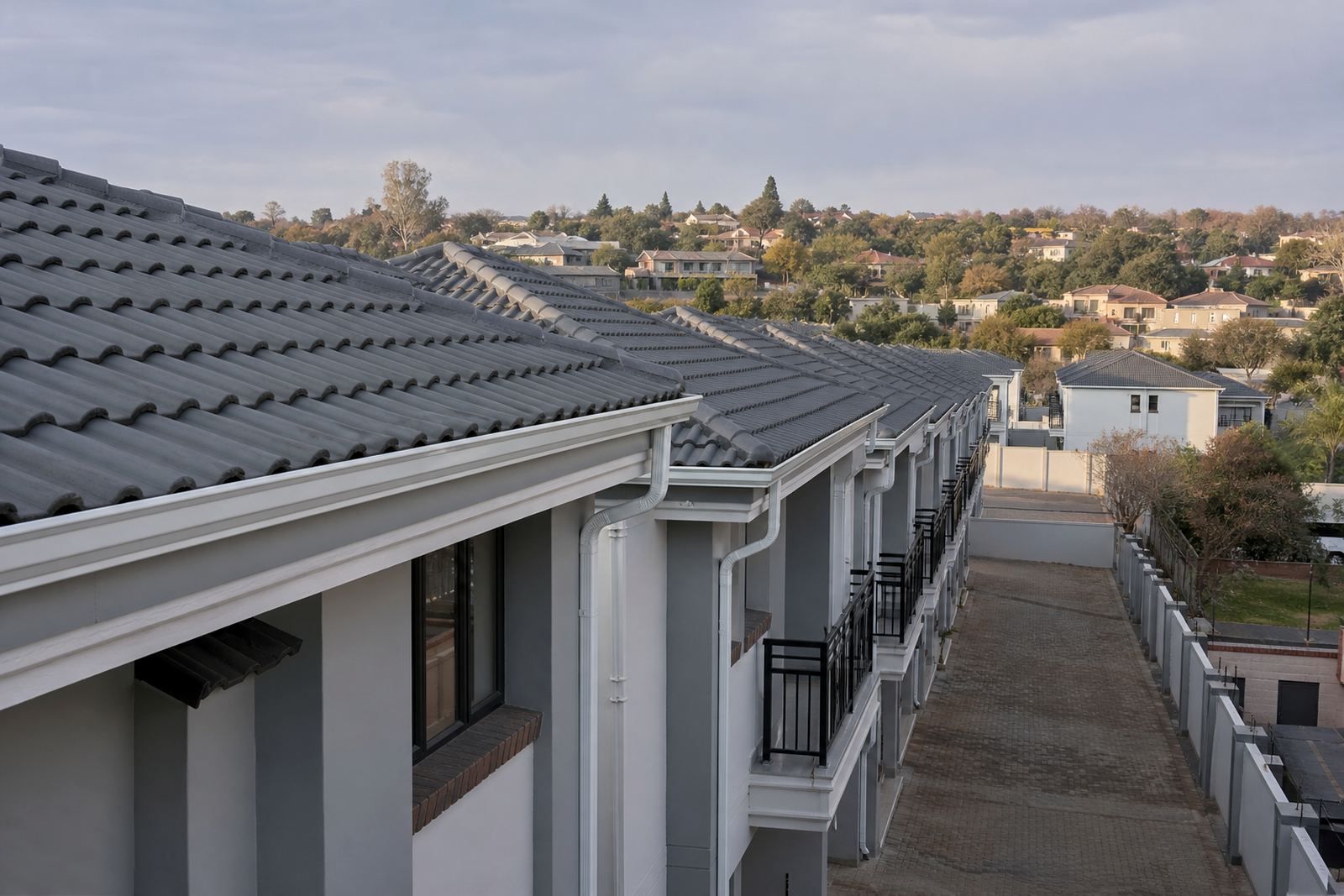
- Pretoria townhouse: short-run gutter installation with downpipe relocation for better fall.
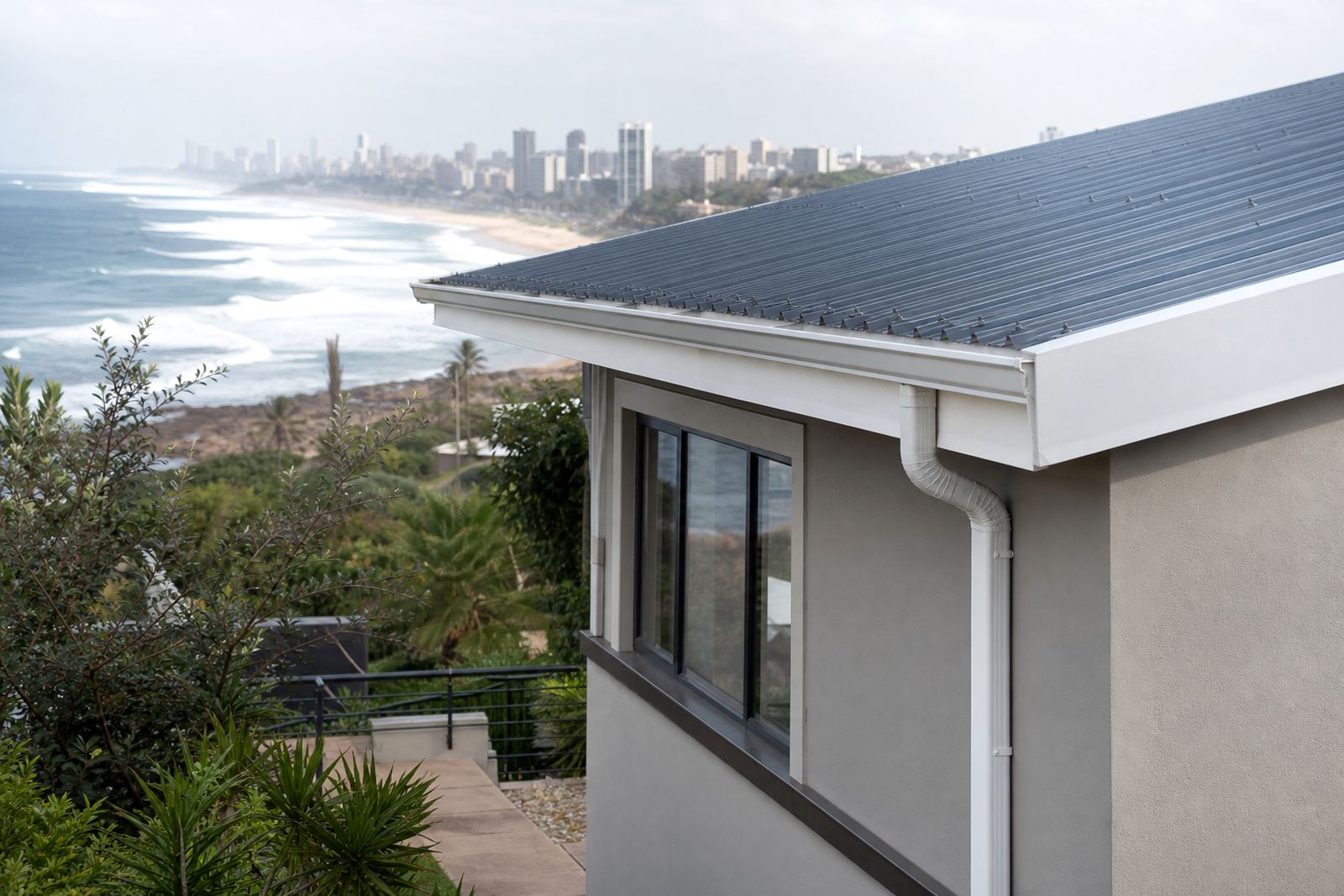
- Durban property: coastal maintenance visit to check fixings and washout at roof edges.
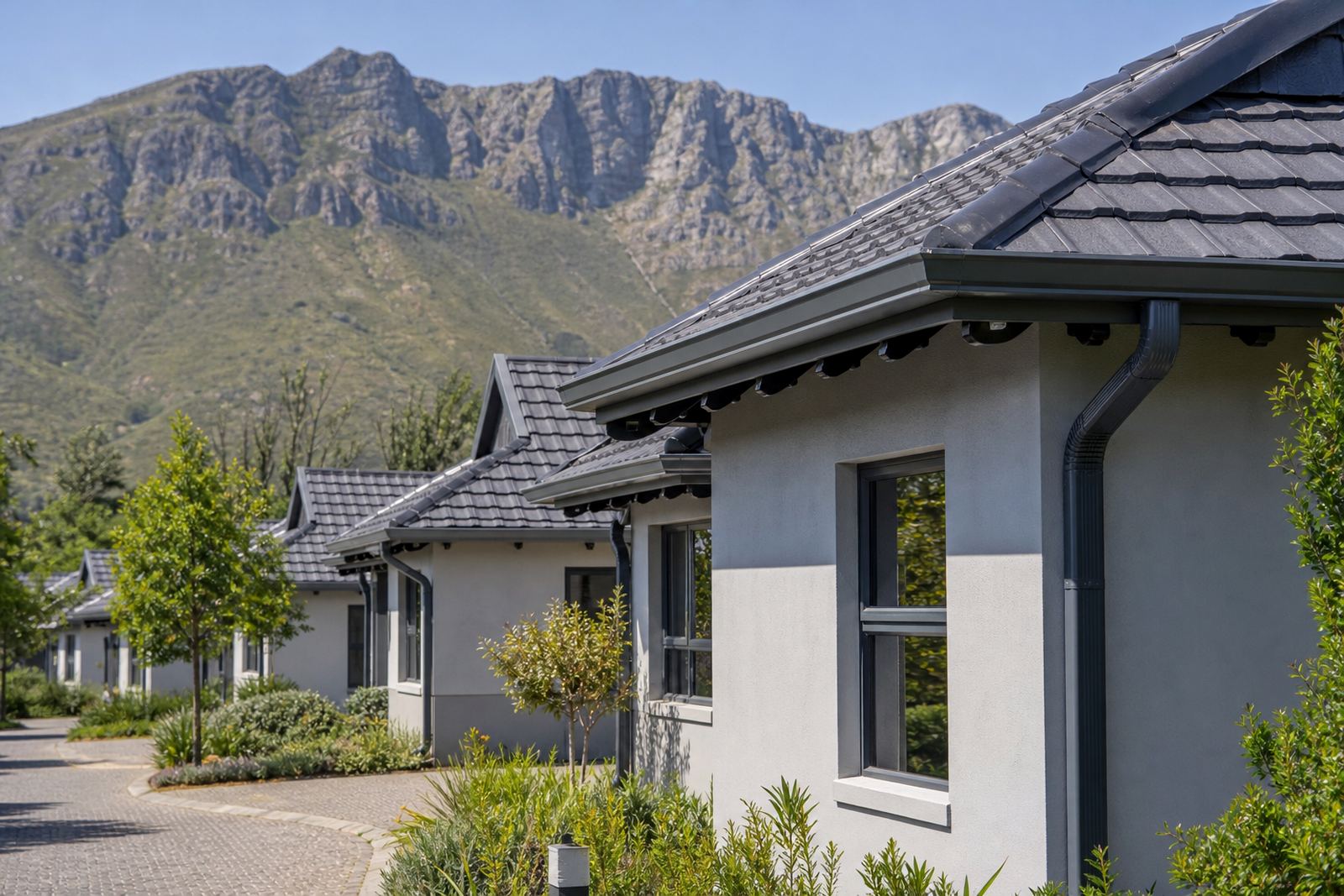
- Cape Town builder project: supply and fit of fascia boards across multiple units with matched downpipes.
What A Clean Roofline Finish Depends On
A good finish is not only about the visible front edge. It depends on straight fascia lines, even spacing on the brackets, correct outlet sizing and careful sealing at joints and corners. On longer roofs, extra attention is needed where the gutter crosses valleys or changes direction, because those are the points that collect debris and stress.
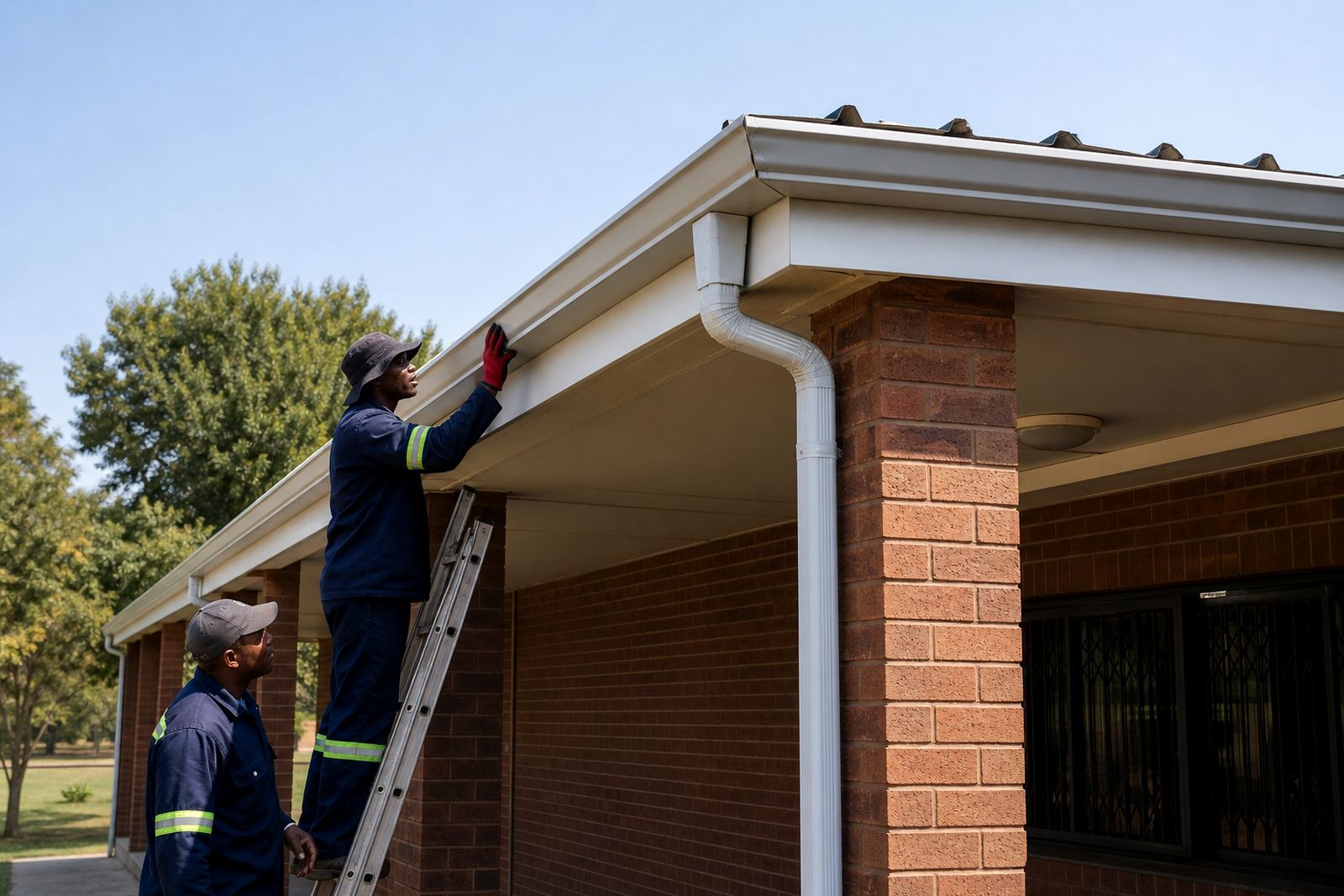
In maintenance work, a simple clean-out can reveal whether the slope is right or whether a section has dropped. Small shifts are common on older timber, especially where moisture has been sitting behind the board.
Maintenance That Keeps Water Moving
Roofline maintenance is usually practical and light, but it matters. Leaves, silt and loose roof grit can slow drainage, while a missed bracket or tired joint can lead to sagging. In humid coastal areas, regular checks help catch movement early, and in dusty inland areas it helps to clear fine build-up before the next storm.
- Clear gutter channels and outlet points before the rainy season.
- Check downpipes for blockages at bends and ground level outlets.
- Inspect fascia fixings where paint has lifted or the board has started to bow.
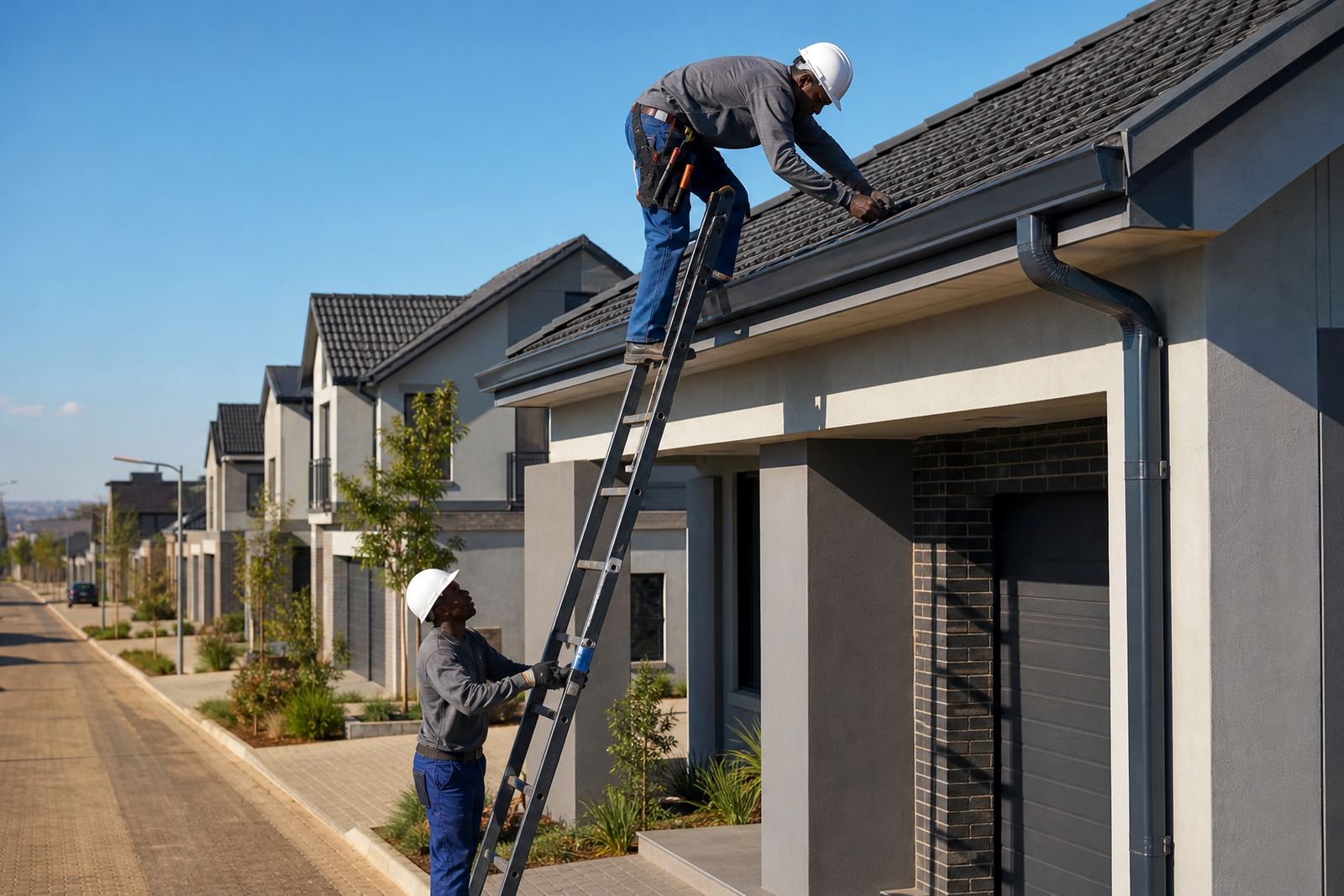
- Use competent people for work at height and keep roof access safe.
Choose The Right Route For Your Property
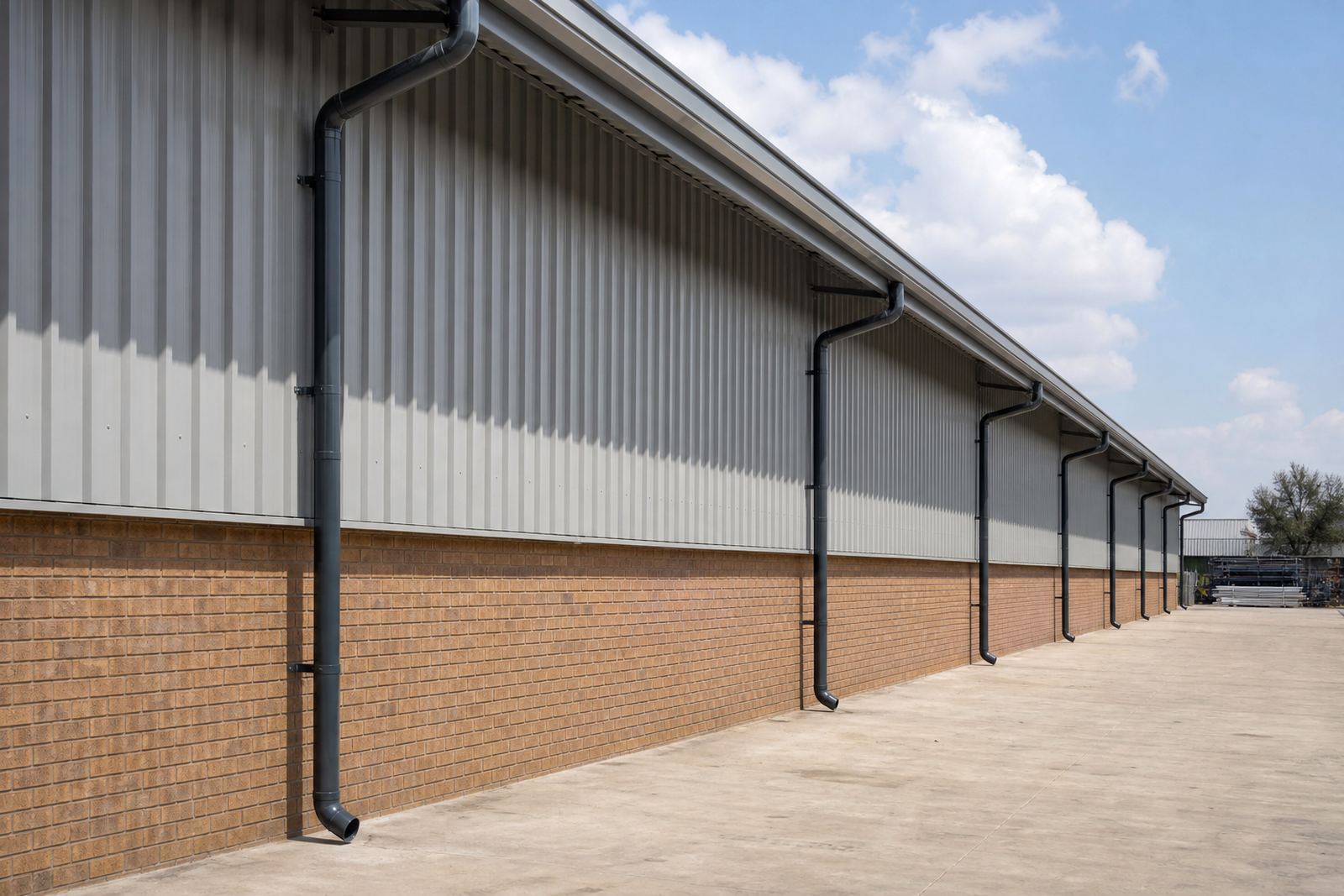
Some jobs only need supply and measured quantities, while others call for full roofline replacement, leak checks and support for a builder on site. The examples here help you compare what suits a single home, a cluster of units or a bigger commercial roof edge. If you are matching existing profiles, the detail that matters is often the bracket type, board depth and downpipe position rather than the colour alone.
For properties in places like Kya Sand, Randburg, Midrand or Roodepoort, local delivery and careful packing make a difference on site. For larger works in Durban, Cape Town or Polokwane, the same principle applies: measure properly, keep the fall correct, and use materials that hold their shape under South African weather.