How an expansion joint sits in the roofline
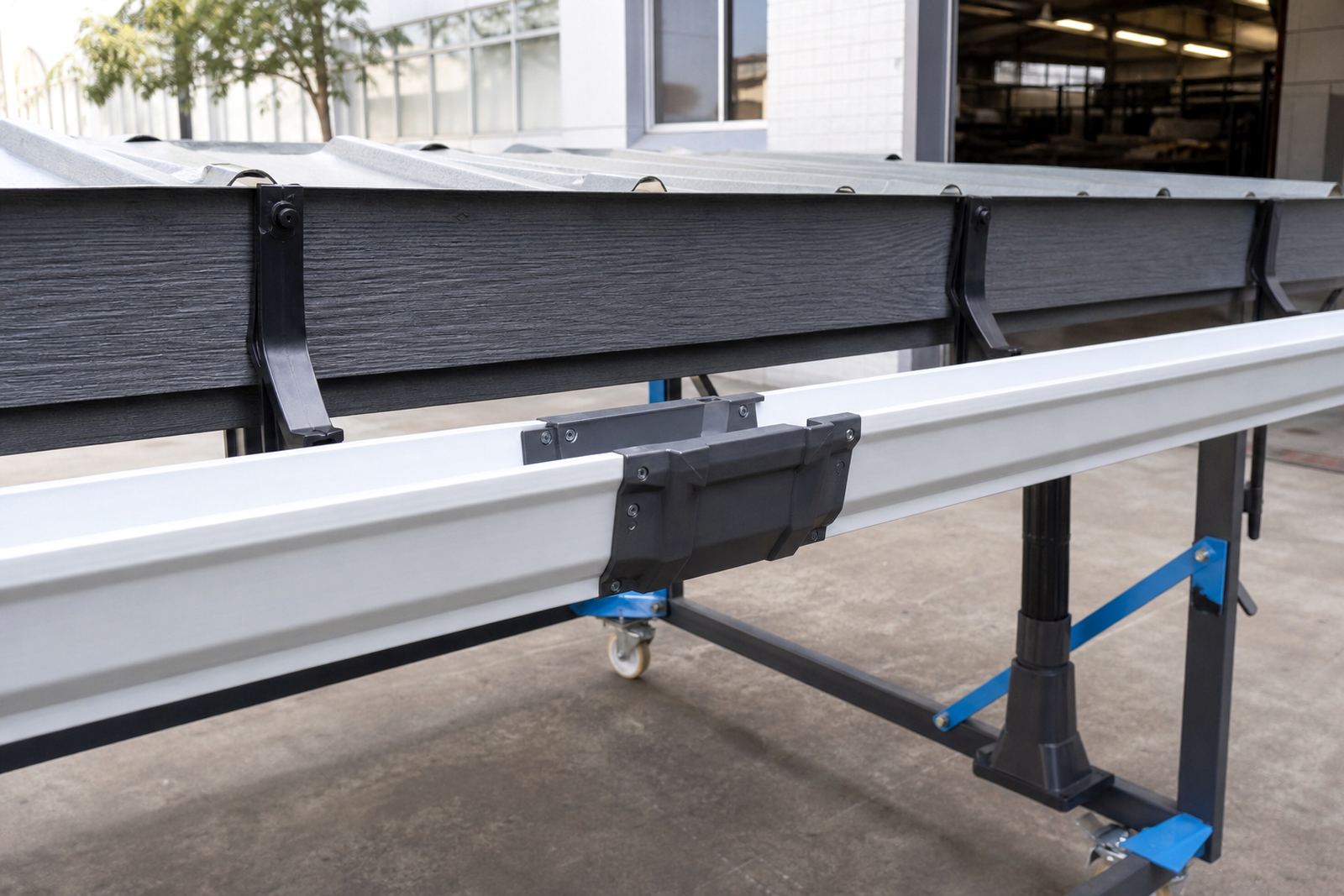
An expansion joint is a fitted section used in a gutter or fascia line where the run is long enough for movement to build up. On hot summer afternoons and cooler nights, plastic-steel composite material can move slightly, and a fixed line needs a planned break so stress does not collect at the joins. In practical terms, the joint gives the run a controlled point to open and close a little without pulling on the brackets or seal lines.
In gutter work, the joint is usually placed where a long run crosses a change in length, such as past a corner, between downpipes, or along a wide eave. For fascia boards, the joint helps keep the front edge neat on longer straight stretches and reduces visible bowing or cracking at a single point. Fitters normally allow the joint to sit square, with both sides supported and the fall still carrying water to the outlet.
Sizes and profile choices for different roof lengths
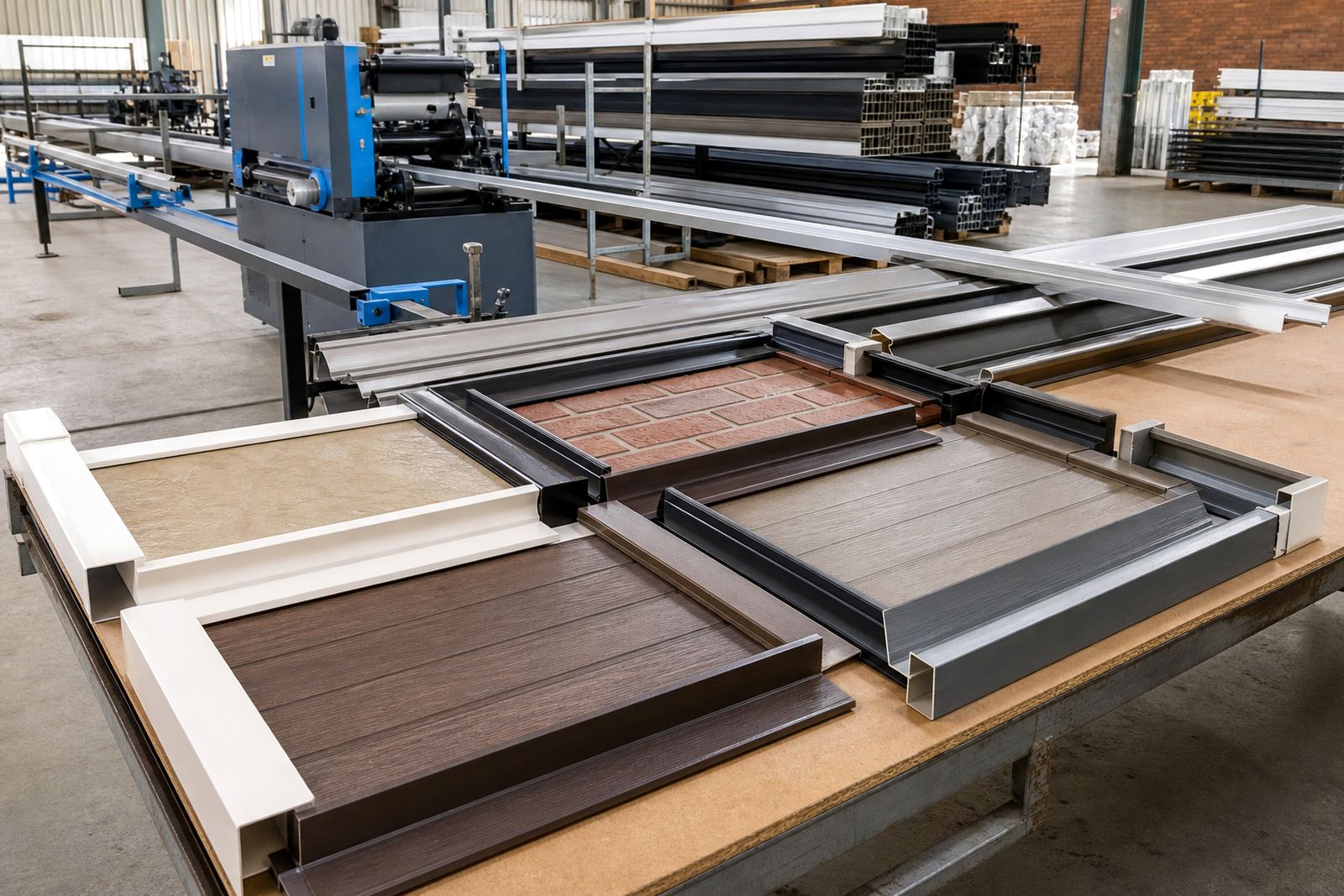
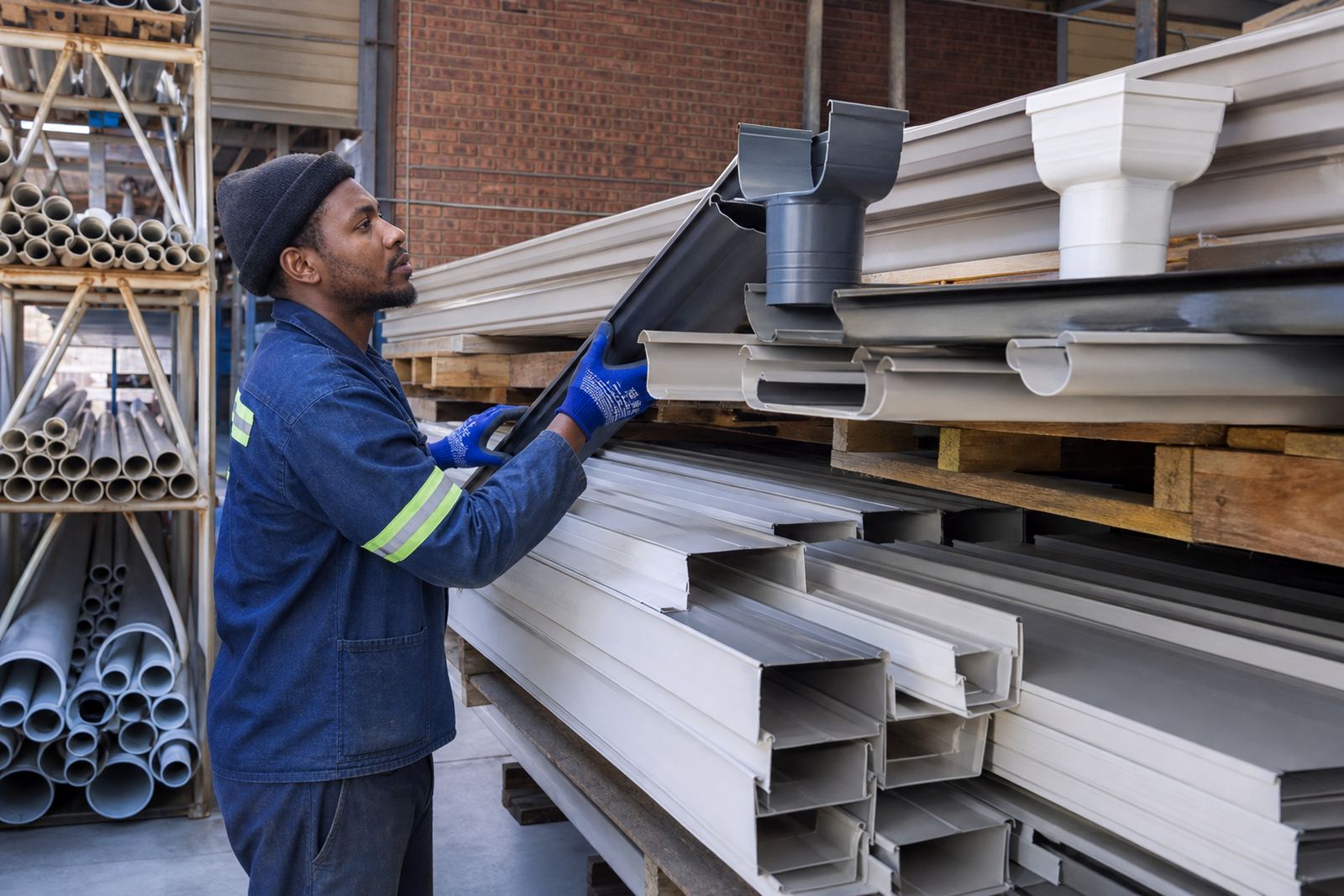
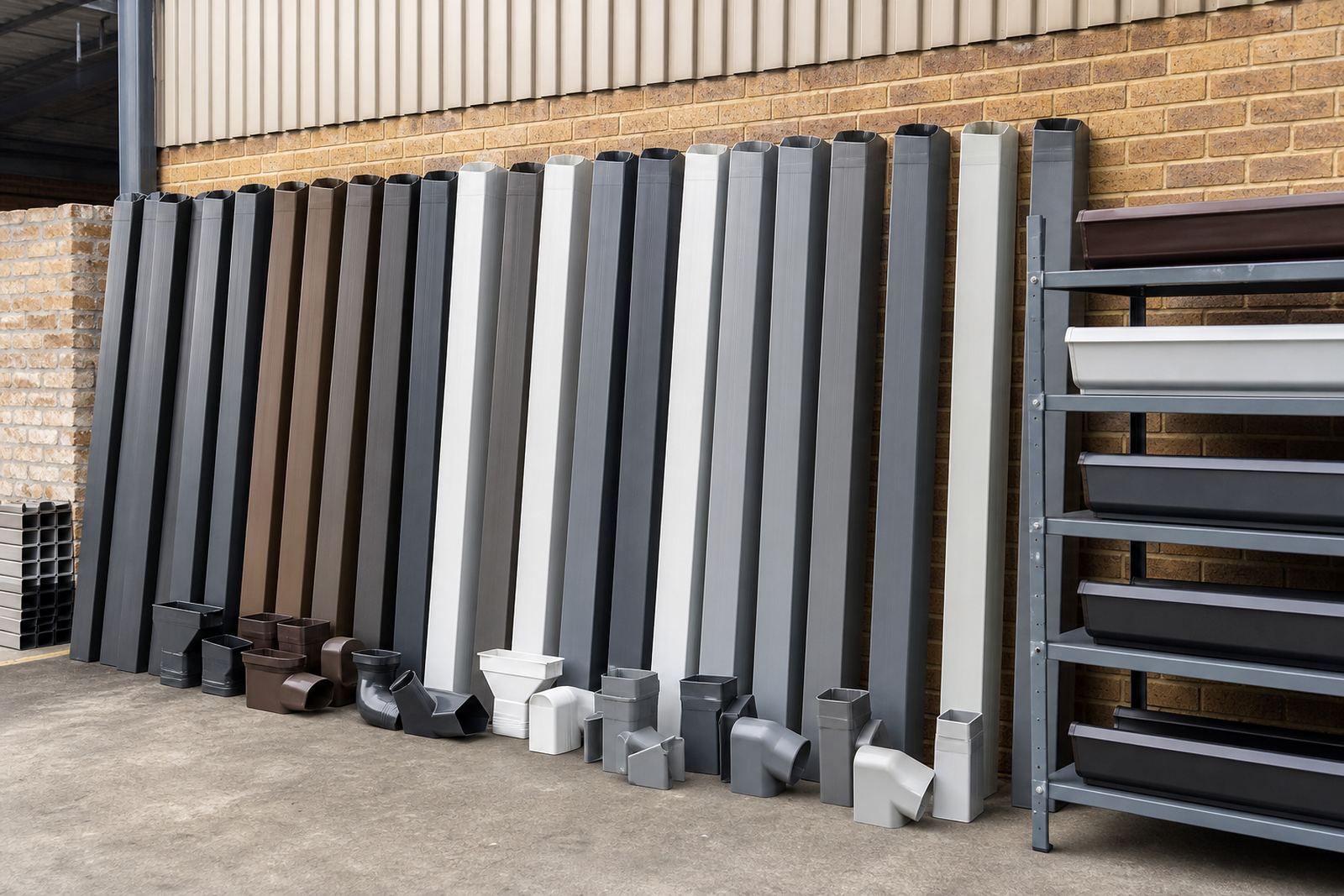
Expansion joints are usually matched to the gutter profile and fascia section already running on the building, so the line stays consistent. Typical order details include the profile depth, face width, wall thickness and the colour finish. For longer residential runs, a standard joint is often placed at regular intervals, while commercial roofs and wide verandas may need more than one break depending on the total length and layout.
Common choices to confirm include:
- Profile match for box gutter, domestic half-round or custom fascia line
- Overall section width and depth so the joint aligns with the adjoining pieces
- Movement allowance suited to the run length and sun exposure
- Left hand or right hand orientation where the profile requires it
- Colour match for a clean line under painted or natural finishes
- Seal interface that works with the gutter jointing method used on site
For coastal properties in Durban, the finish should be checked for weather exposure and salt in the air, while inland sites often need attention to direct sun and heat build-up along the roof edge.
Where expansion joints are worth including
These fittings suit long eave runs, large house fronts, sectional industrial roofs, boundary structures and any roof edge where the gutter line is stretched over distance. They are also useful where the roofline steps around changes in structure, or where a single run passes over several bays. On bigger homes and commercial work, the joint can help keep the gutter from distorting between brackets, which matters when water flow must stay steady during heavy rain.
They are generally considered where there is enough length for thermal movement to matter, or where the building has changing surface temperatures through the day. This is common on north-facing walls, wide courtyards and steel roof edges that heat up quickly. In Johannesburg and Pretoria, strong sun can drive sharp temperature swings, while in Cape Town wind exposure makes a straight, secure fit important too.
- Long straight gutter runs with limited natural breaks
- Roof edges exposed to strong sun, wind or coastal humidity
- Commercial and light industrial rooflines with repeated bays
- Homes with wide fascia faces and extended eaves
- Replacement work where old cracks show at the same points
Fitting points that matter on site
Good fitting starts with correct support, proper bracket spacing and a clear fall to the outlets. The joint itself must not be forced into position. It should sit with room for movement, with the adjoining lengths level and securely supported so the joint does not carry the full weight of water, leaves or debris. On longer rooflines, fitters often check the line with a string or laser before fixing the sections in place.
Roofing work at height must be done safely by competent people using suitable access equipment and fall protection. The substrate also needs to be sound, because a joint cannot compensate for rotten timber, bent steel or loose fascia boards. If the line is being replaced, the installer should check that the existing fall still runs toward the downpipe and that the outlets are not set too high or too low for proper drainage.
- Keep bracket spacing even so the joint is not overloaded
- Allow the gutter fall to continue through the jointed section
- Use compatible seals, clips or joiners for the profile supplied
- Check corner pieces and outlet positions before final fixing
- Leave access for future cleaning and maintenance visits
Care, cleaning and practical maintenance
Expansion joints need the same basic care as the rest of the gutter line, with a little extra attention where movement is expected. Leaves, grit and roof sediment can collect around the joint if the slope is too flat or the roof sheds debris heavily. Cleaning should be done carefully so the joint is not prised or twisted out of shape. On coastal properties, salt film and moisture can speed up surface staining, so a regular washdown helps keep the line neat.
When carrying out maintenance, look for opened seams, hairline splits, blocked outlets and any area where the gutter seems to have lifted away from its brackets. If a joint is working hard because the line is too long or the supports are too far apart, it may show repeated movement marks or seal wear. A planned maintenance visit can catch these problems before they turn into leaks along the eaves or staining on painted walls.
Expansion Joints: what the quote needs from you
To supply the right expansion joint, the key details need to match the existing roofline and the intended use. A site measure and material takeoff help with this, especially on longer runs or mixed roof types. The more exact the information, the cleaner the fit and the less trimming is needed on site.
- Gutter or fascia profile already in use
- Run length and the position of each joint needed
- Colour finish and visible face dimensions
- Bracket type, spacing and fixing substrate
- Downpipe positions and outlet sizes
- Whether the work is a new installation or roofline replacement
For builders, it helps to confirm the wall line, roof pitch and whether the section is on a residential or commercial building. For homeowners, photos of the roof edge and a rough measure of the run can help identify the right section before delivery is arranged to Randburg Supply, Johannesburg Delivery, Pretoria Delivery, Durban Delivery, Cape Town Delivery, Polokwane Delivery, Midrand Supply or Roodepoort Supply.
Key facts
| Product type | Expansion joint for plastic-steel composite gutter and fascia systems |
|---|---|
| Typical profiles | Box gutter, domestic gutter and fascia compatible sections |
| Common sizes | Matched to the installed profile, with section width, depth and face confirmed to order |
| Colour options | Profile-matched finishes for visible roof edges |
| Installation points | Used on long straight runs, between supports and at planned movement points |
| Trade use | Residential, commercial and light industrial roofline work |