Extra depth for heavier roof runoff
Deepflow gutters are a practical choice where a standard half round or smaller profile is working too close to capacity. The deeper body gives more holding volume, which helps on wider roof spans, steeper pitches and larger catchment areas where rain can arrive fast. In South African conditions, that matters on long tiled roofs, corrugated roofs, and commercial roof edges where a sudden storm can send a lot of water into one run of guttering.
The profile is used with compatible brackets, joiners, stop ends and outlets so the water can move cleanly to the downpipes. The gutter line still needs correct fall, sound fixing points and enough outlets for the roof area, otherwise even a deeper gutter can struggle. On coastal properties, especially in Durban and Cape Town, the deeper section also helps when wind driven rain adds to the runoff load.
- Deeper profile for larger roof catchment areas
- Suitable for residential and light commercial roof edges
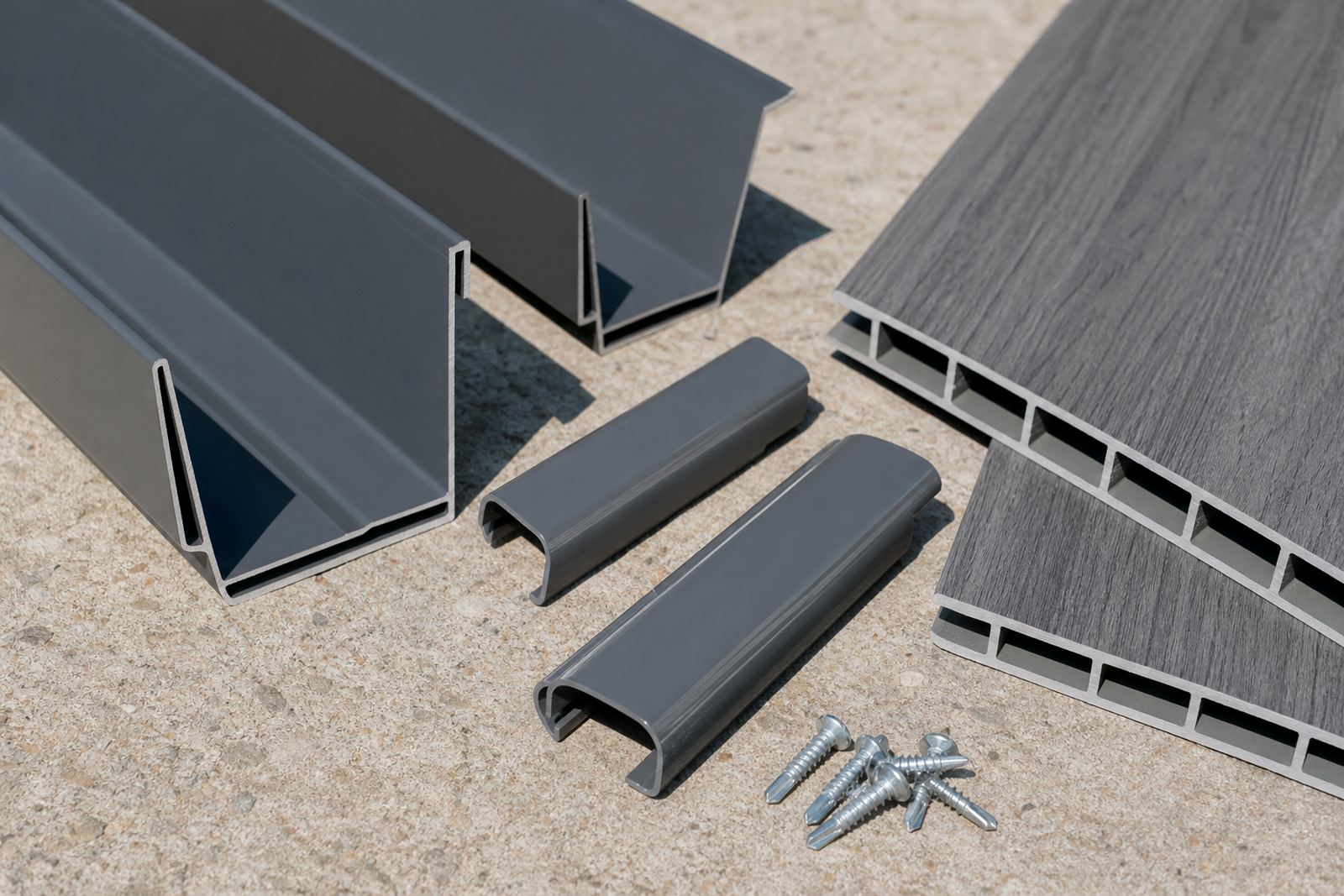
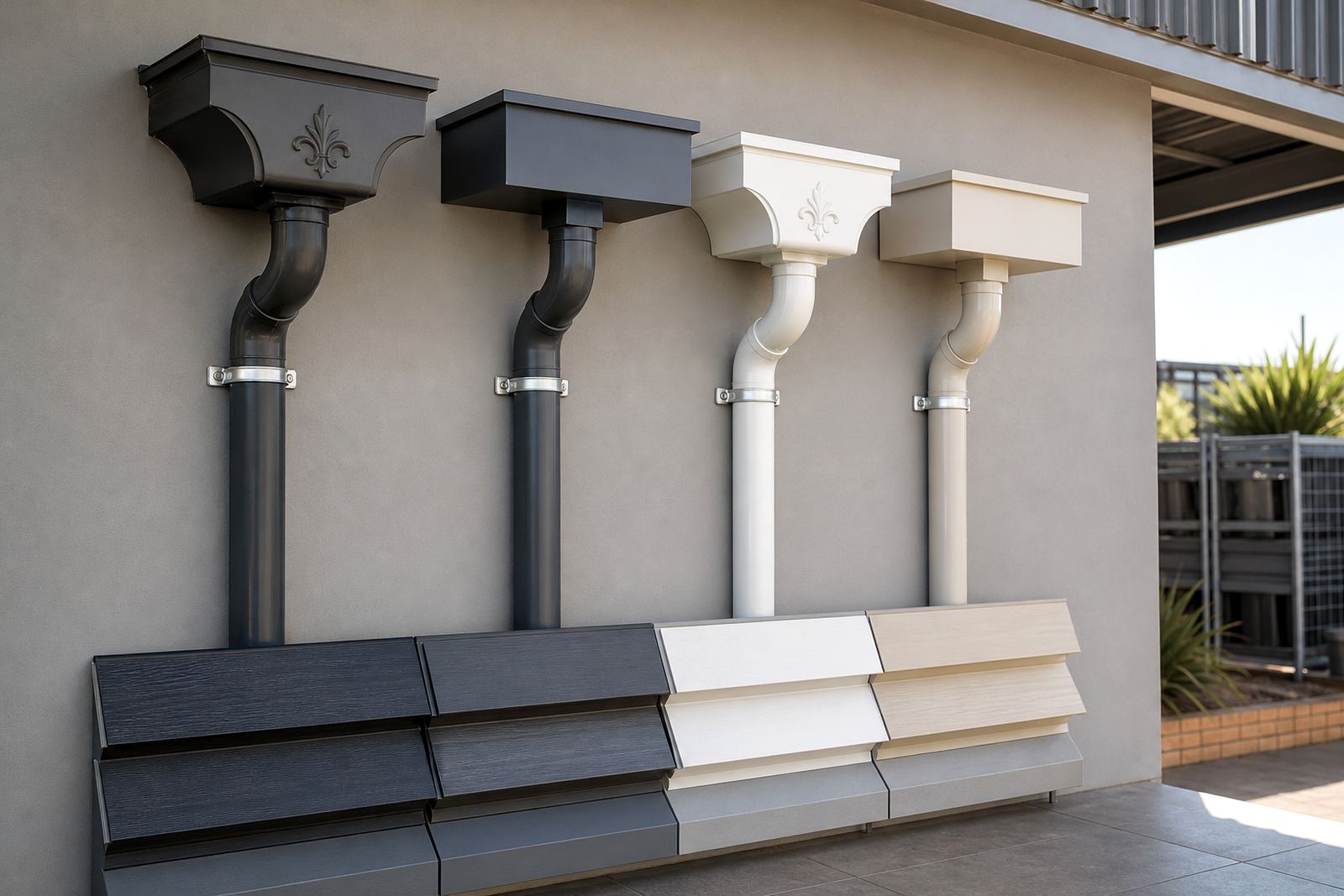
- Works with matched fascia and downpipe accessories
- Useful where heavy rain or fast roof runoff is expected
Sizes, sections and matching parts
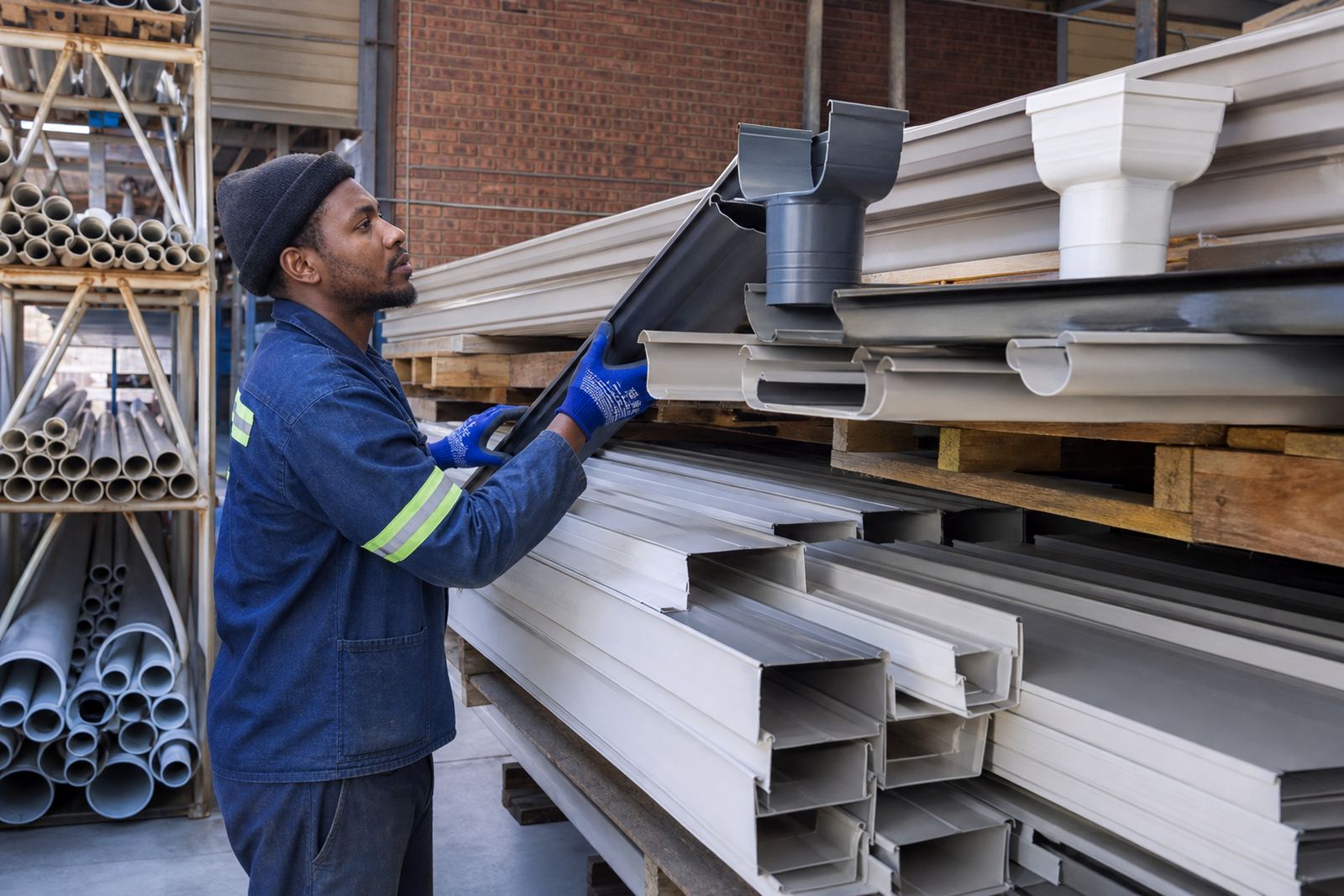
Deepflow gutter systems are usually selected by the roof size, the water volume, and the length of each run. Common lengths are supplied in manageable sections for site handling and neat joints. The exact profile and outlet position need to suit the roof line and the fascia board being used. Where a roof has a long run, extra outlets or a larger downpipe size may be needed so water does not back up in one section.
For the best fit, builders normally confirm the fascia depth, bracket spacing, outlet size and the fall direction before ordering. If the roof is stepped or has multiple valleys, the material takeoff should include all bends, unions, end caps and any special connectors required to finish the line neatly. A proper count at the start helps avoid missing parts on site, which can hold up the job.
- Typical lengths and profile options to match roof layout
- Compatible with standard brackets, stop ends and outlets
- Downpipe sizes selected to suit rainfall and roof area
- Colour and finish options can be matched to the roofline
Where deepflow gutters make the most sense
These gutters suit houses with broad roof planes, verandas, carports, schools, shopfronts and industrial type roofs where runoff is more demanding than usual. They are also useful on homes in wet or coastal areas where the system must cope with stronger rainfall and occasional gusty storms. In places like Randburg, Pretoria and Midrand, they are often chosen for new builds and roofline replacements where the gutter run needs more capacity than a basic profile can give.
Deepflow is also a sensible option where the fascia line sits higher and the roof covering sheds water quickly. Builders often prefer a deeper section when the roof edge is exposed and the gutter needs a bit more reserve during peak rainfall. On older properties, replacing a tired gutter line with a deeper profile can improve water handling and reduce overflow stains on walls and paving.
- Large roof areas with faster water discharge
- Homes and commercial buildings in high rainfall regions
- Roofline replacements where the old profile overflowed
- Projects needing a neater water path to downpipes
Fitting the gutter line properly
Deepflow gutters must be fixed to a straight, secure line with the correct slope toward each outlet. The bracket spacing should be set to suit the material and the roof edge so the run stays supported under heavy rain. Joints need careful alignment, and the outlet positions should be marked before installation starts. Roofing work at height should only be done by competent people using the right access equipment and fall protection.
When the gutter is installed against a fascia board, the board needs to be sound and level enough to take the bracket load. Downpipes should be sized and placed so water can clear the gutter quickly, especially at corners and longer runs. If the roof has valleys or areas that feed one point heavily, that section may need an extra outlet or a larger downpipe to keep the system balanced.
- Set the fall before fastening the full run
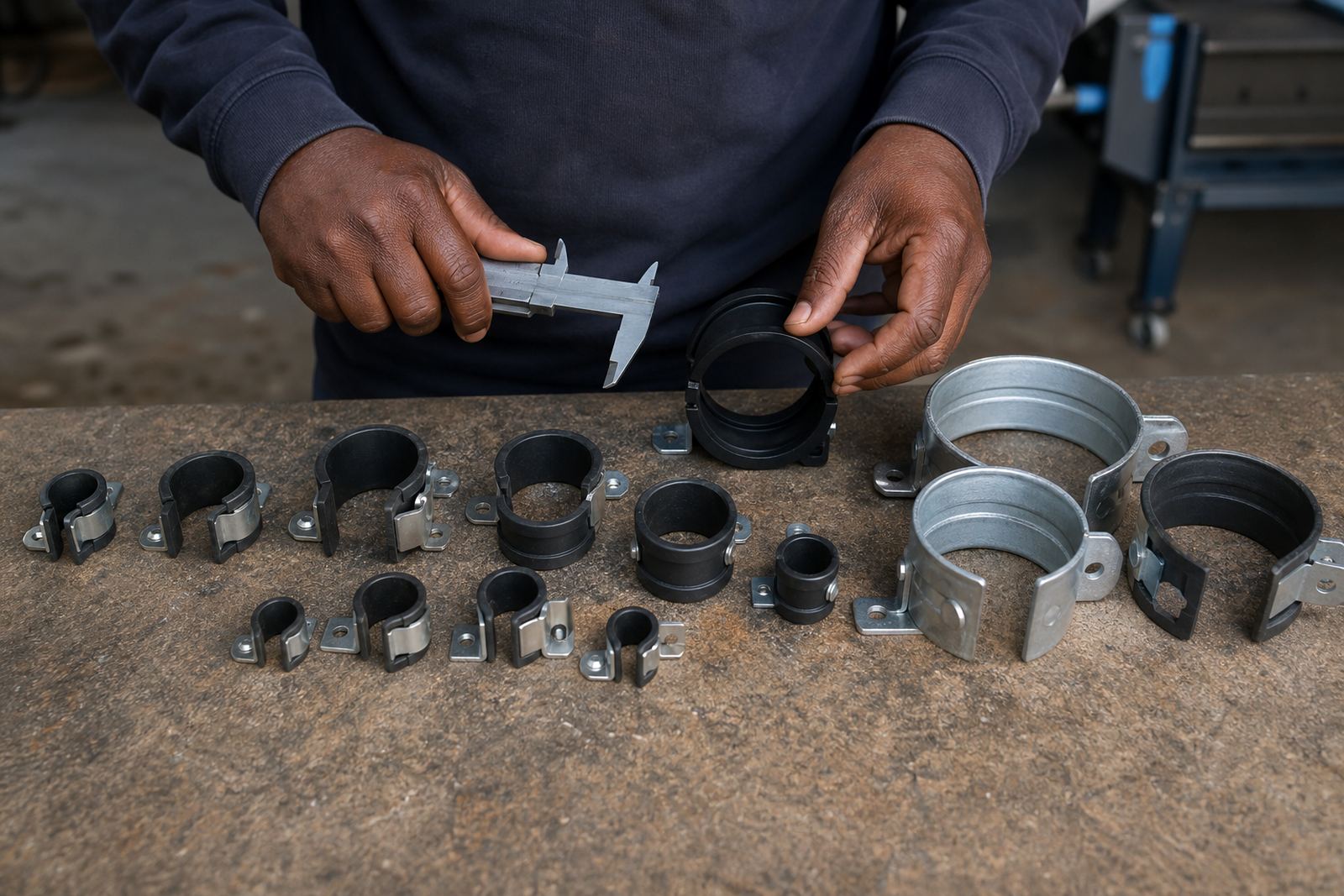
- Use brackets at suitable centres for the profile and span
- Check fascia soundness before fixing gutter brackets
- Match outlet size and downpipe route to the roof layout
Care, cleaning and service life in local weather
Like any roof drainage system, deepflow gutters work best when they are kept clear of leaves, grit and roof debris. In leafy suburbs and around trees, regular cleaning matters because blockages cause water to stand and overflow at the joints. In coastal conditions, airborne salts and sand can build up on exposed fittings, so a periodic wash down helps keep the system tidy and easier to inspect.
Maintenance visits usually focus on checking for sagging sections, loose brackets, worn seal points and downpipes that have shifted after wind or roof work. Small issues are better sorted early, before they turn into staining on walls or damp patches near the foundation. A clean gutter line also makes it easier to spot cracked fascia boards, loose fasteners or areas where the fall has moved over time.
- Clear leaves and grit from gutters and outlets
- Inspect joints after stormy weather
- Check for loose brackets or movement in the run
- Wash exposed fittings in coastal areas when needed
Ordering notes builders ask for first
When ordering deepflow gutters, the key details are the total linear metres, roof pitch, number of corners, outlet positions, fascia size and the downpipe route. It also helps to know whether the project is a new roofline, a replacement, or a section repair. For material takeoff, the gutter run, returns, end caps, outlets, joiners, brackets and downpipes must all be counted accurately.
For a cleaner supply order, confirm colour preference, section lengths, delivery point and whether the job is for a home, estate, workshop or larger commercial roof. If the roofline is long or stepped, it is worth checking the fall direction and whether more than one downpipe will be required. That detail saves time on site and helps the installer set out the work correctly the first time.
- Total metres of gutter required
- Number of corners, joins and end stops
- Outlet size, downpipe length and discharge point
- Fascia dimensions and bracket count
Supply support from Kya Sand, Randburg
Plasteel supplies deepflow gutter materials, matching fascia boards and downpipe components from Kya Sand, Randburg for projects across Johannesburg, Pretoria, Durban, Cape Town and Polokwane. Our team works with builders and homeowners who need the right profile for a roofline, whether the job is a straight replacement or a full roof edge upgrade. Delivery coordination is available to the listed service areas, while supply support also covers Midrand, Roodepoort and Randburg.
For site measuring, product supply, builder support and homeowner advice, the focus is on getting the roof drainage details right before materials leave the yard. That includes the run length, outlet count, bracket spacing and fascia fit. Deepflow works best when the whole line is planned as one system, not as separate pieces bought in isolation.
- Deepflow gutter supply for homes and commercial roofs
- Matching fascia boards and downpipe accessories available
- Support for measuring, takeoff and delivery coordination
- Service coverage across major South African centres
Key facts
| Profile | Deepflow gutter, extra depth section |
|---|---|
| Common use | Higher roof runoff volumes and long roof edges |
| Material | Plastic-steel composite gutter system |
| Length options | Supplied in standard trade lengths and cut sections |
| Compatible parts | Brackets, joiners, stop ends, outlets, downpipes |
| Service area | Kya Sand, Randburg and delivery across major SA centres |