Corner Pieces That Finish the Roof Edge Properly
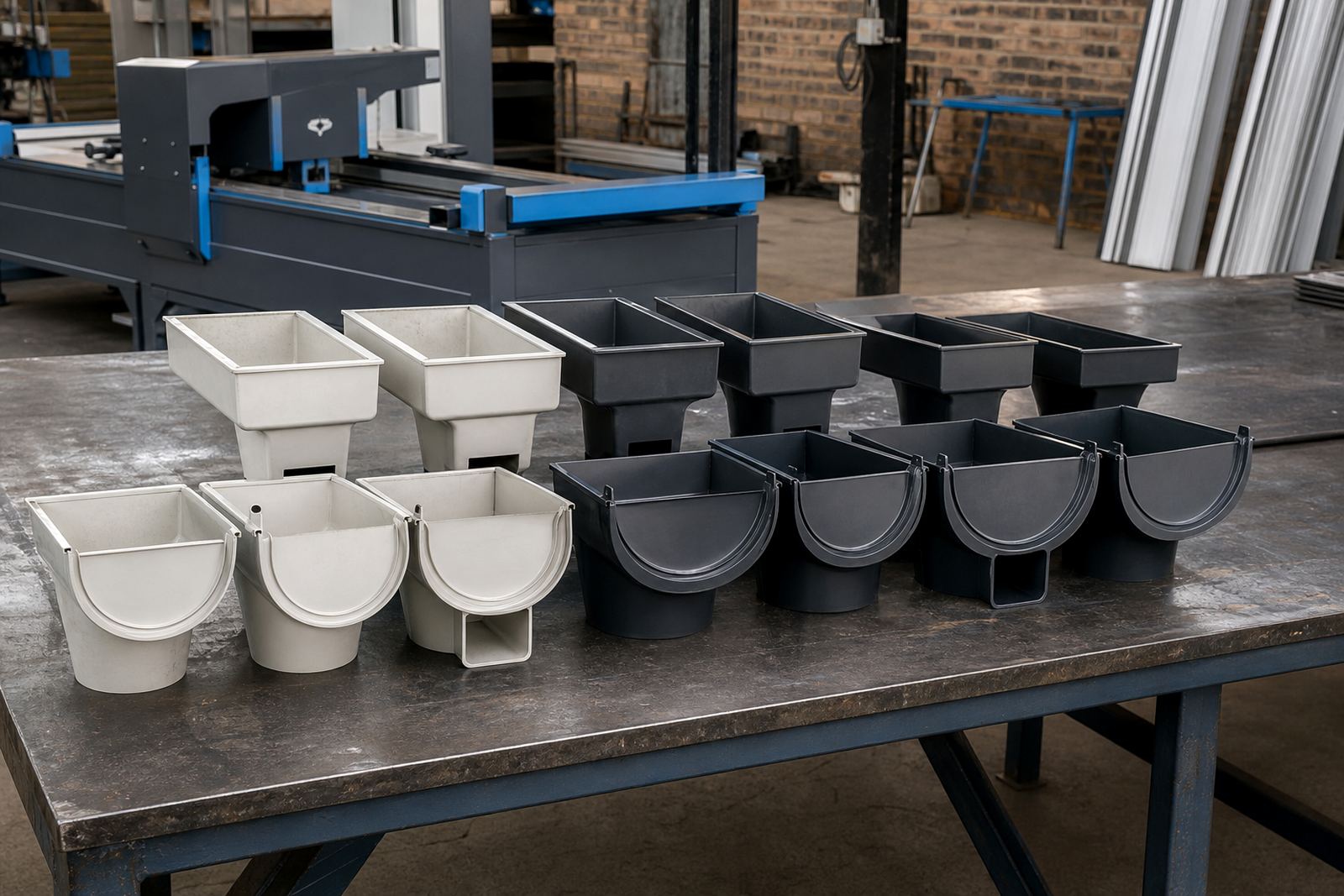
Fascia corners are formed pieces used where fascia boards change direction at external or internal angles. On a roofline, that means the corner is not left open, stepped or patched with thin offcuts. The result is a cleaner finish, better alignment for the gutter line, and less chance of water working into rough joins.
In plastic-steel composite roofline work, the corner piece has to match the fascia profile and line up with the adjoining boards so fixings land where they should. It is a practical part of the system, especially on homes with multiple roof faces, verandas, bay sections or side returns. On sites around Kya Sand, Randburg and further afield, a neat corner can make the whole roof edge look straighter and easier to maintain.
- Used at external and internal fascia changes
- Supports a tidy, continuous roof edge
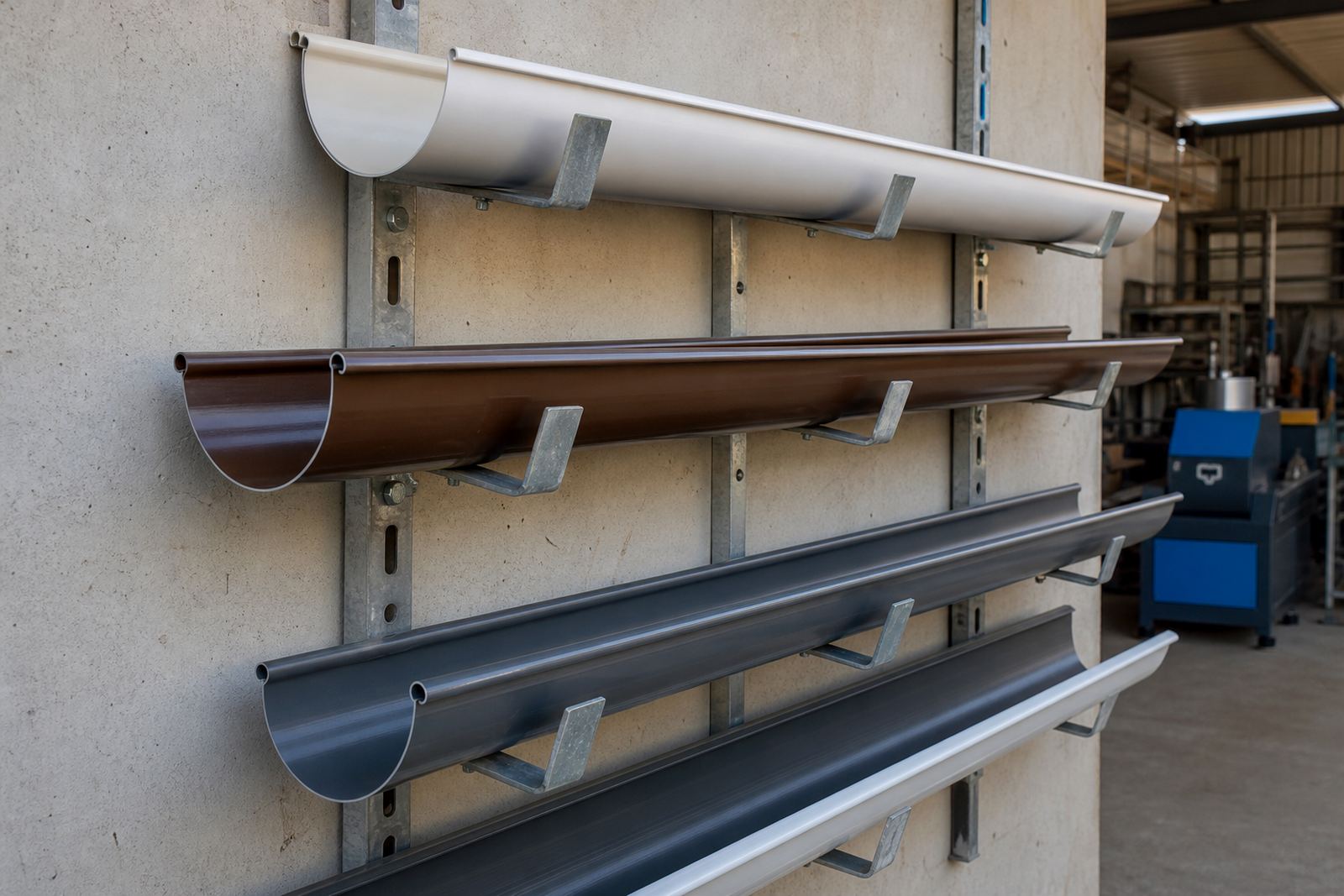
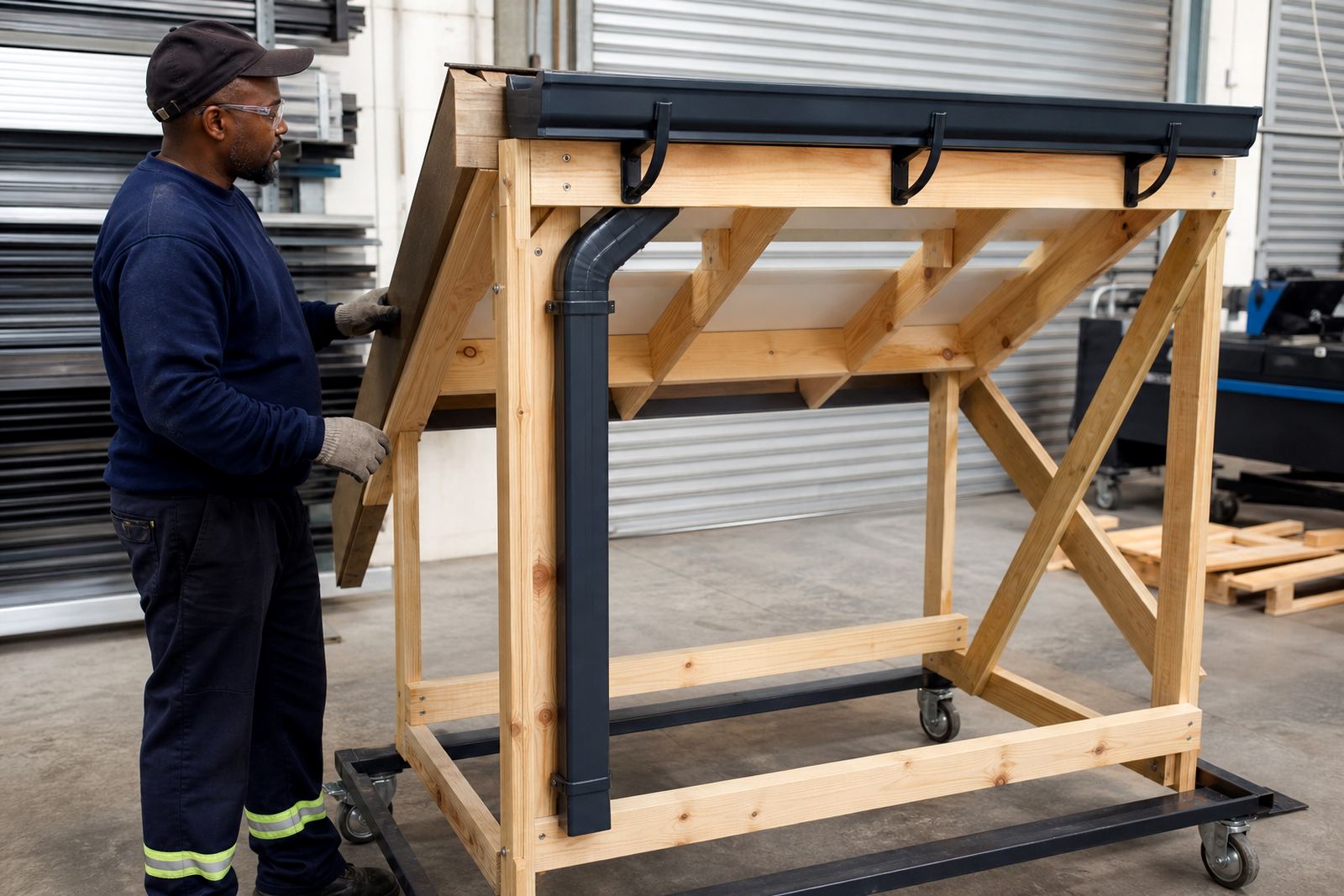
- Helps the gutter line follow the fascia without awkward cuts
- Suitable for residential and commercial rooflines
Sizes And Profiles To Match Common Fascia Runs
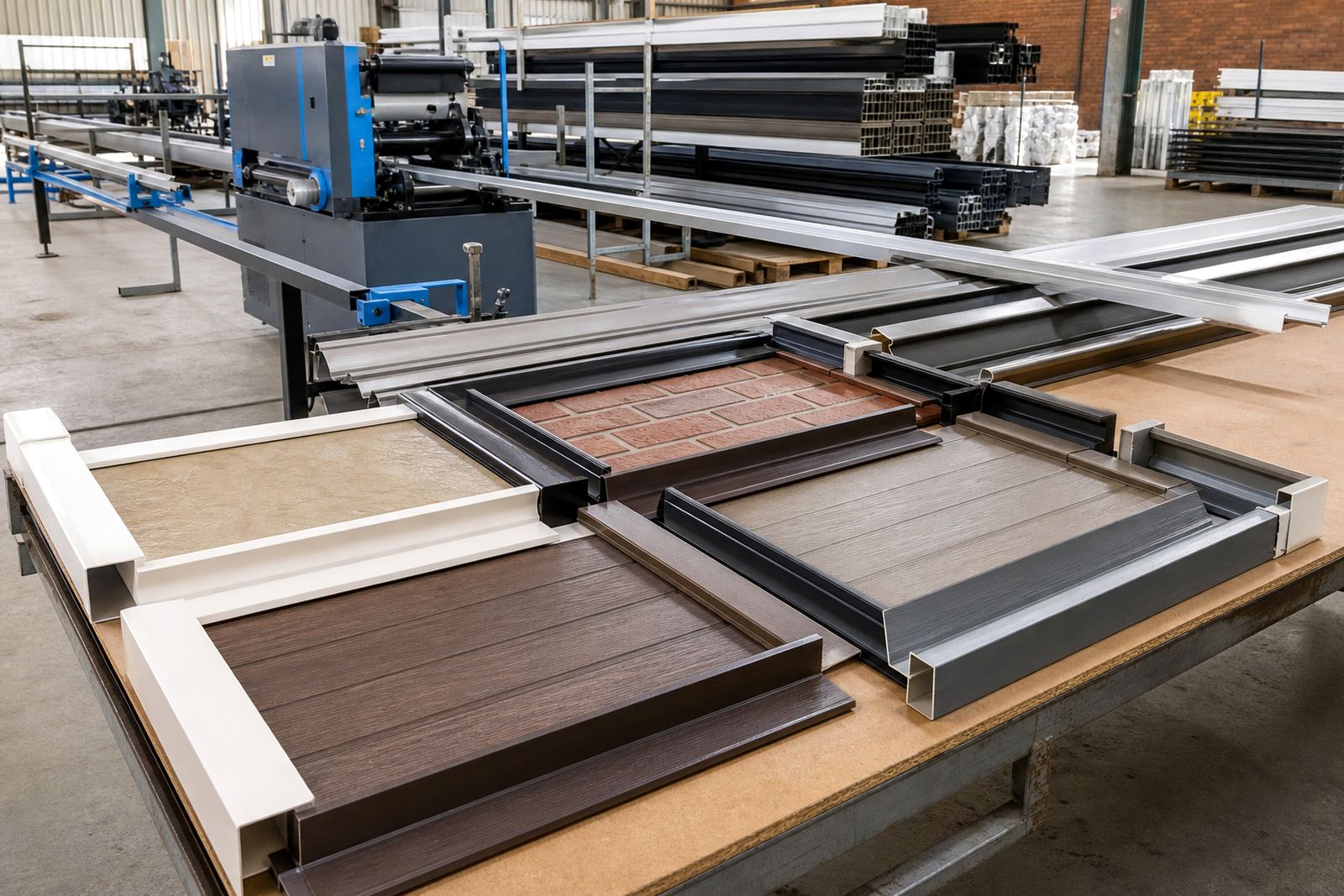
Fascia corners are normally matched to the board height, profile depth and thickness used on the rest of the roofline. Typical fascia boards in this trade are made to suit standard eaves work, with widths commonly around 150 mm, 225 mm and 300 mm, although the exact size depends on the roof detail and the gutter set-out. The corner piece must carry the same face, depth and fixing line so the join does not show under the soffit or from ground level.
When ordering, confirm whether the corner is for a square external corner, an internal return, or a special angle. Some roofs are close to 90 degrees, while others are slightly open or tight due to old framing and uneven wall lines. A measured site take-off avoids awkward trimming and helps keep the fascia board lengths consistent across the job.
- Match board height and thickness to the installed fascia system
- Confirm external or internal corner type
- Check the angle on site, especially on older buildings
- Allow for overlaps, mitres and trim lines at the joins
Where Fascia Corners Work Best On South African Rooflines
These pieces suit homes, townhouse blocks, rental properties, warehouses and shopfronts where the fascia changes direction around a roof face. In coastal areas like Durban and Cape Town, a continuous roofline finish helps reduce exposed edges that collect salt grime and moisture. Inland, the benefit is mainly a cleaner, more consistent line and easier maintenance after summer storms and wind-blown dust.
Fascia corners are often used during roofline replacement, new gutter work, or when builders are correcting damaged timber or mixed-material edges. They are especially useful where gutters, downpipes and fascia all need to meet neatly at the same corner point. If a roof has box gutters, stepped parapets or unusual angles, the corner detail needs to be checked carefully before the fascia is cut and fixed.
- Residential homes with pitched roofs and eaves
- Complexes, schools and office blocks with repeating roof modules
- Renovation work where old fascia has been removed or damaged
- Sites exposed to heavy rain, wind or coastal humidity
Fitting Notes For Clean Joints And Safe Work
Good fitting starts with a measured corner and a level fascia line. The board lengths must be set so the corner piece sits flush, without forcing the material or leaving a gap that opens up later. Fixings should be placed into sound framing or approved supporting members, with the gutter line checked for correct fall so water moves toward the outlet and not back toward the corner.
Roofline work is done at height and should only be handled by competent people using safe access, stable ladders, fall protection and the right tools for the site. Where cutting is required, use sharp hand tools or powered cutting equipment suited to the composite material and keep the cut edges square and clean. On windy days or wet roofs, fitting becomes harder and the risk rises quickly, so the work sequence matters.
- Check the roof angle, fascia line and gutter fall before fixing
- Use correct fixings for the substrate and support spacing
- Keep mitres tight and seal exposed cut ends where needed
- Allow for movement at long runs and hot weather expansion
Care, Cleaning And Long-Term Appearance
Fascia corners should be checked as part of normal roof maintenance. Dirt, bird droppings, leaves and moss can collect at the joint and along the top edge of the board, especially where trees overhang or gutters overflow. A soft brush and clean water are usually enough for routine washing, with care taken not to damage the face of the material or force water into the fixing points.
After heavy rain, it is worth looking for signs of movement, open joints or staining below the corner. If the gutter is blocked, water can back up and leave marks along the fascia and corner piece. In coastal towns, regular rinsing helps remove salt film and keeps the finish looking more even. Small defects are easier to correct early than after the joint has been left open through a rainy season.
Details To Confirm Before Ordering Corner Pieces
Because fascia corners are matched to the rest of the roofline, the order should be based on the actual site measurements and the board profile being used. The more detail given at the start, the fewer site cuts are needed later. For builders and homeowners, it helps to note the roof shape, the board width and whether the corner will sit under a gutter, beside a barge board or against a parapet return.
- Fascia board width and thickness
- External or internal corner type
- Corner angle, where the roof is not a perfect right angle
- Colour and finish required for the run
- Quantity needed for the full roofline and any spare pieces for repairs
- Whether the job includes gutter, downpipe or full fascia replacement
For projects in Johannesburg, Pretoria, Durban, Cape Town, Polokwane and surrounding areas, the corner pieces are usually planned together with the rest of the roofline materials so delivery, installation and final set-out all line up properly.
Key facts
| Product type | Fascia corner piece for roofline transitions |
|---|---|
| Use | External and internal corners on fascia runs |
| Material | Plastic-steel composite roofline component |
| Common fascia widths | Around 150 mm, 225 mm and 300 mm depending on the system |
| Finish | Matched to adjoining fascia boards for a continuous line |
| Typical use | Homes, townhouses, commercial buildings and roofline repairs |