A clean connection under the gutter line
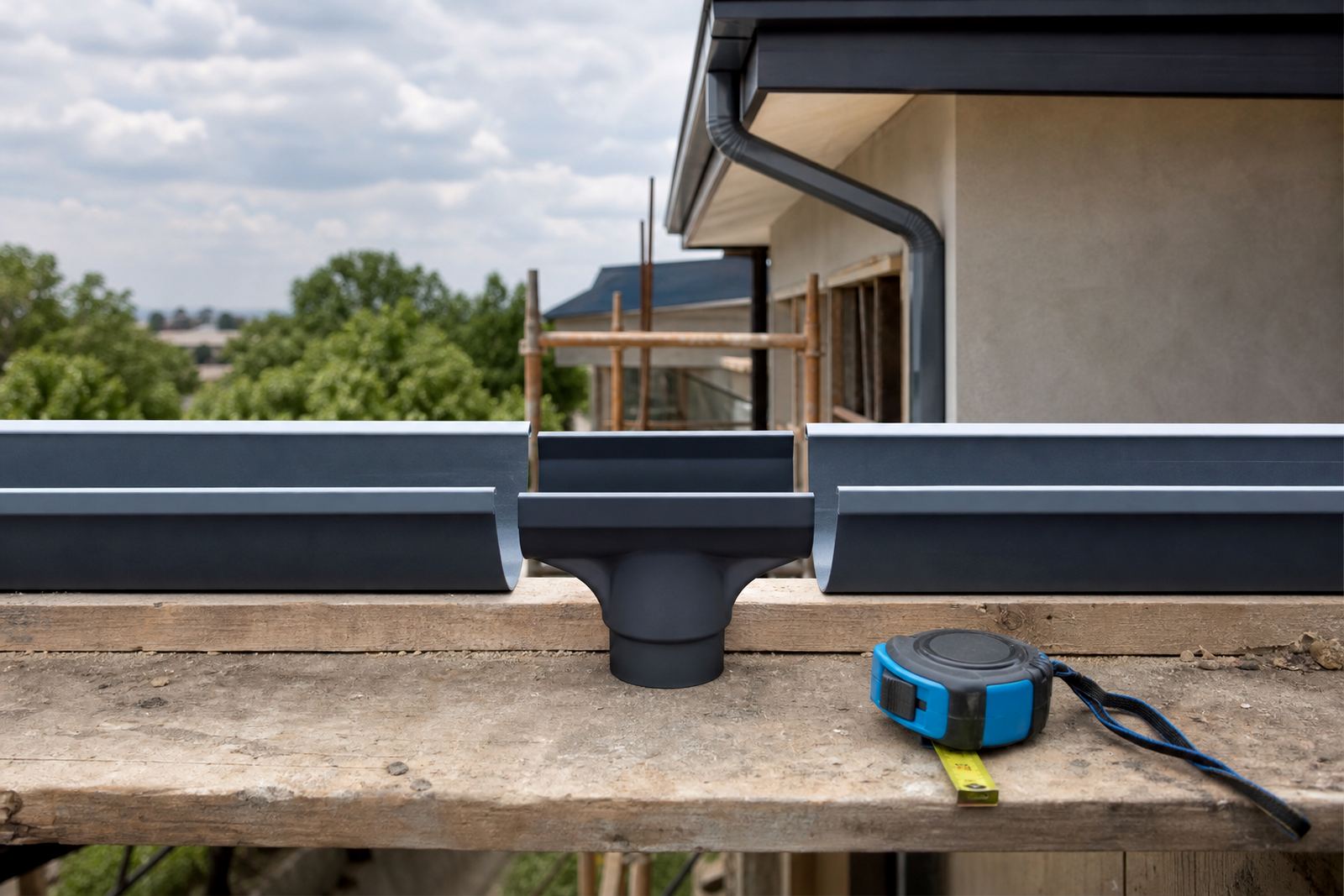
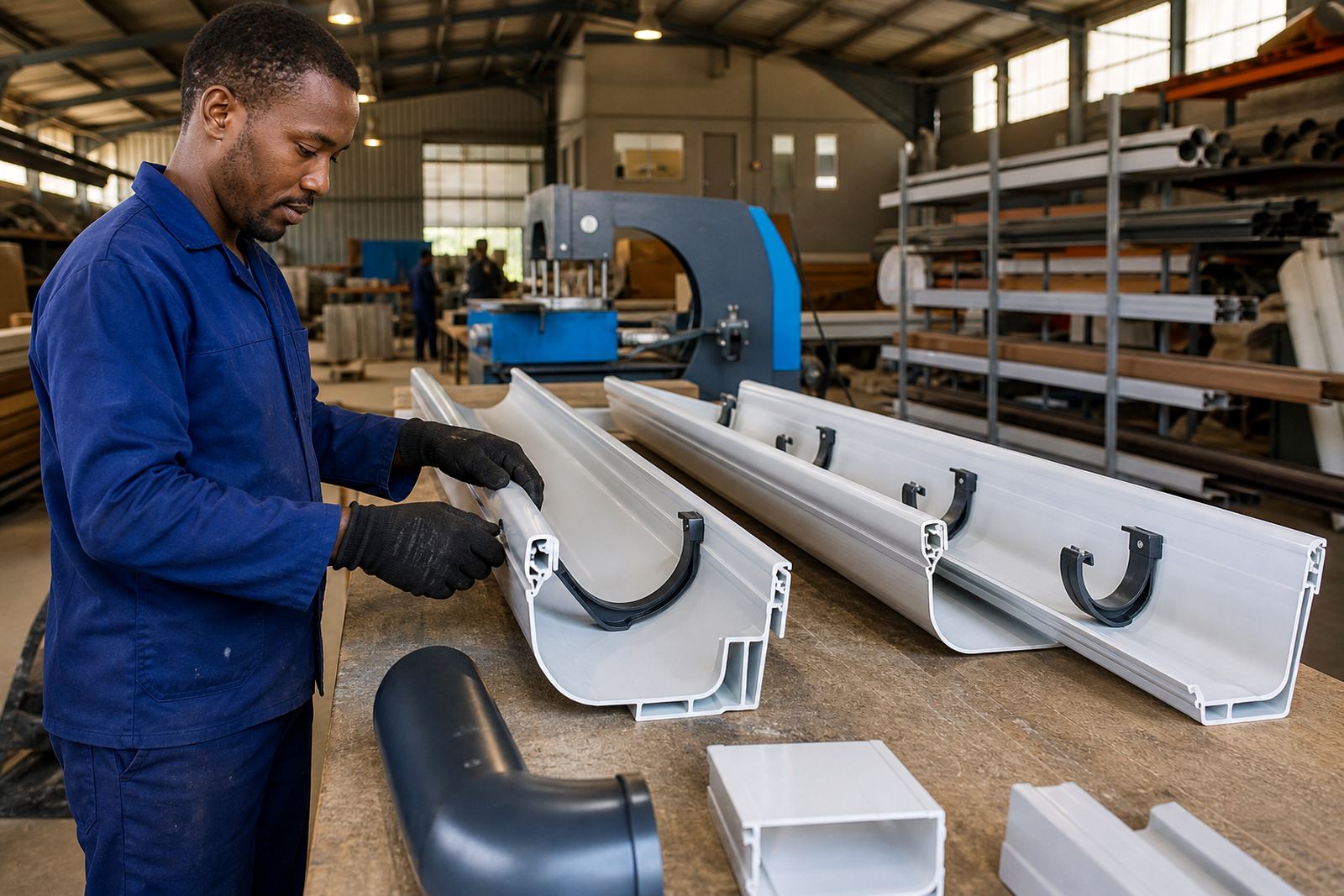
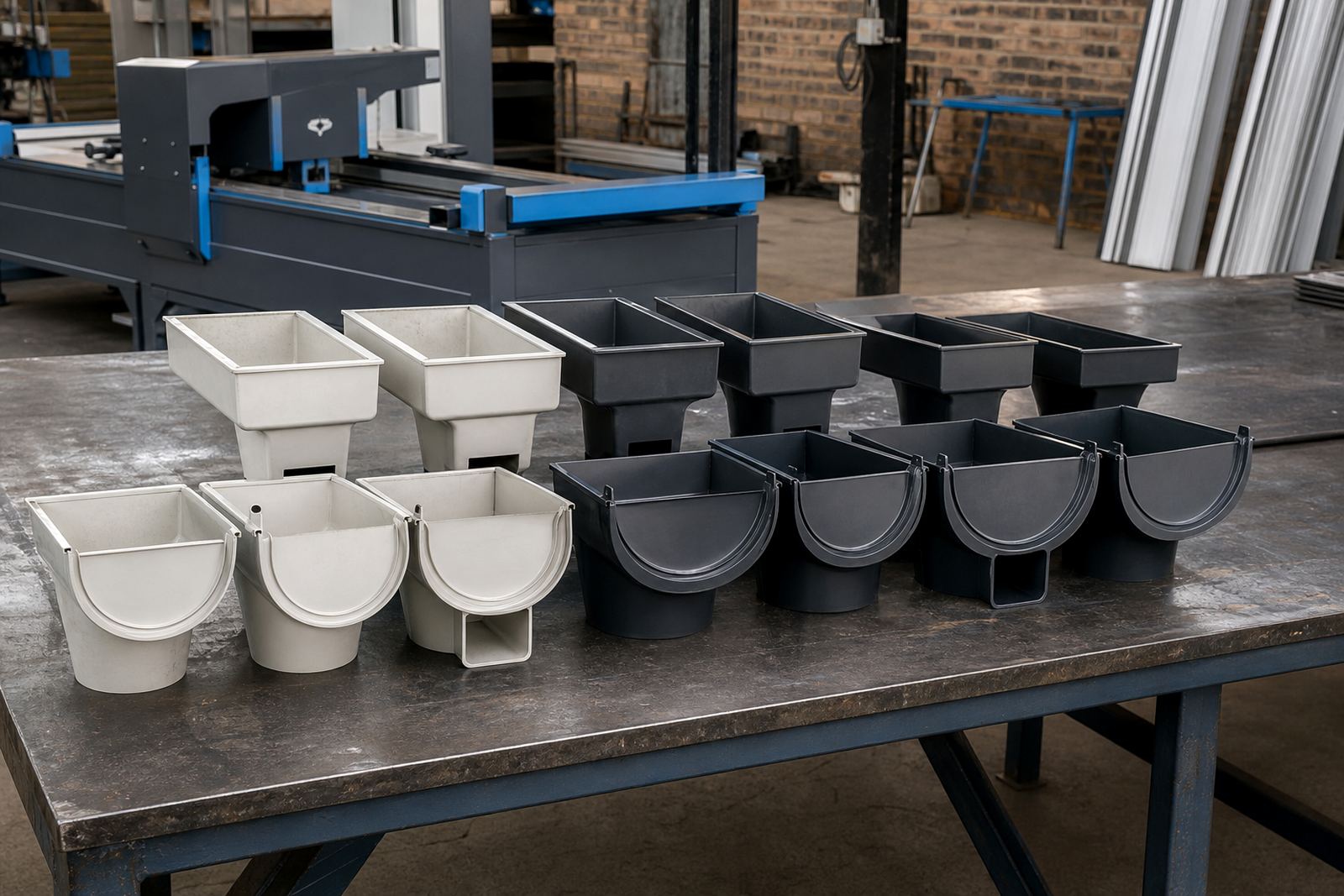
An internal outlet is the fitting that links the gutter channel to the downpipe from inside the gutter profile. It is used where the water outlet needs to sit neatly under the roof edge, with less visual bulk on the face of the gutter. In practice, it forms the drain point at the low side of the run and helps control the discharge into the vertical pipework.
A tidy roofline with a direct flow path into the downpipe is usually the main benefit for both builders and homeowners. It is commonly used on fascia mounted gutter runs, and on roof edges where the outlet position must be kept inside the line of the gutter for appearance or layout reasons. A proper fit matters, because any poor opening or rough edge can affect flow and lead to drips at the roof edge.
- Connects gutter channel to the downpipe at the drain point
- Sits inside the gutter profile for a neater finish
- Useful on residential and commercial roof edges
- Works with matching gutter, fascia and bracket layouts
Sizes and outlet options that match the run
Internal outlets are usually selected to suit the gutter profile and the downpipe size being used on the building. The opening must match the water volume expected from the roof area, the pitch of the gutter, and the discharge arrangement below. On larger roof spans or heavy rainfall areas, the outlet size and downpipe diameter need to be checked carefully so the water does not back up during a storm.
Common coordination points include the gutter profile width, outlet throat size, and the round or rectangular downpipe format. On some jobs the outlet is paired with a short connector or adaptor to meet the pipework below, especially where the downpipe route needs to turn around wall features or align with a stormwater discharge point.
- Match the outlet to the gutter profile and wall fascia detail
- Confirm the downpipe diameter before ordering
- Check whether the outlet needs a round or square transition
- Allow for roof catchment size and rainfall intensity in the area
Where internal outlets suit best
These fittings are often chosen where a plain outer face is preferred, or where the gutter arrangement is being kept tight to the building line. They are suitable for homes, light commercial buildings, complexes, boundary walls, workshops and office blocks. In Kya Sand, Randburg and across areas such as Midrand, Roodepoort and Johannesburg, they are often specified on rooflines where the front edge must stay uncluttered and maintenance access is still needed.
They also work well where fascia boards are carrying the gutter line and the outlet position must be set with care to avoid clashes with brackets, joins or roof water pathways. On coastal jobs, such as Durban and Cape Town deliveries, the material pairing and fixing detail should take corrosion exposure into account, especially where the rest of the roof edge is exposed to salt air and wind driven rain.
- Residential roof edges with fascia mounted gutters
- Commercial buildings needing a tidy underside outlet
- Sites with repeated gutter lines along a long elevation
- Projects where visual clutter on the front face must be reduced
Fitting details that keep the water moving
Correct fitting is important because the outlet is part of the drainage path, not just a separate clip on piece. The gutter should be set to the correct fall toward the outlet, with the opening cut cleanly and the edges finished so water enters freely. The outlet must sit square, sealed where required, and aligned to the downpipe route below. Roofing work at height must be done safely by competent people using proper access equipment and fall protection.
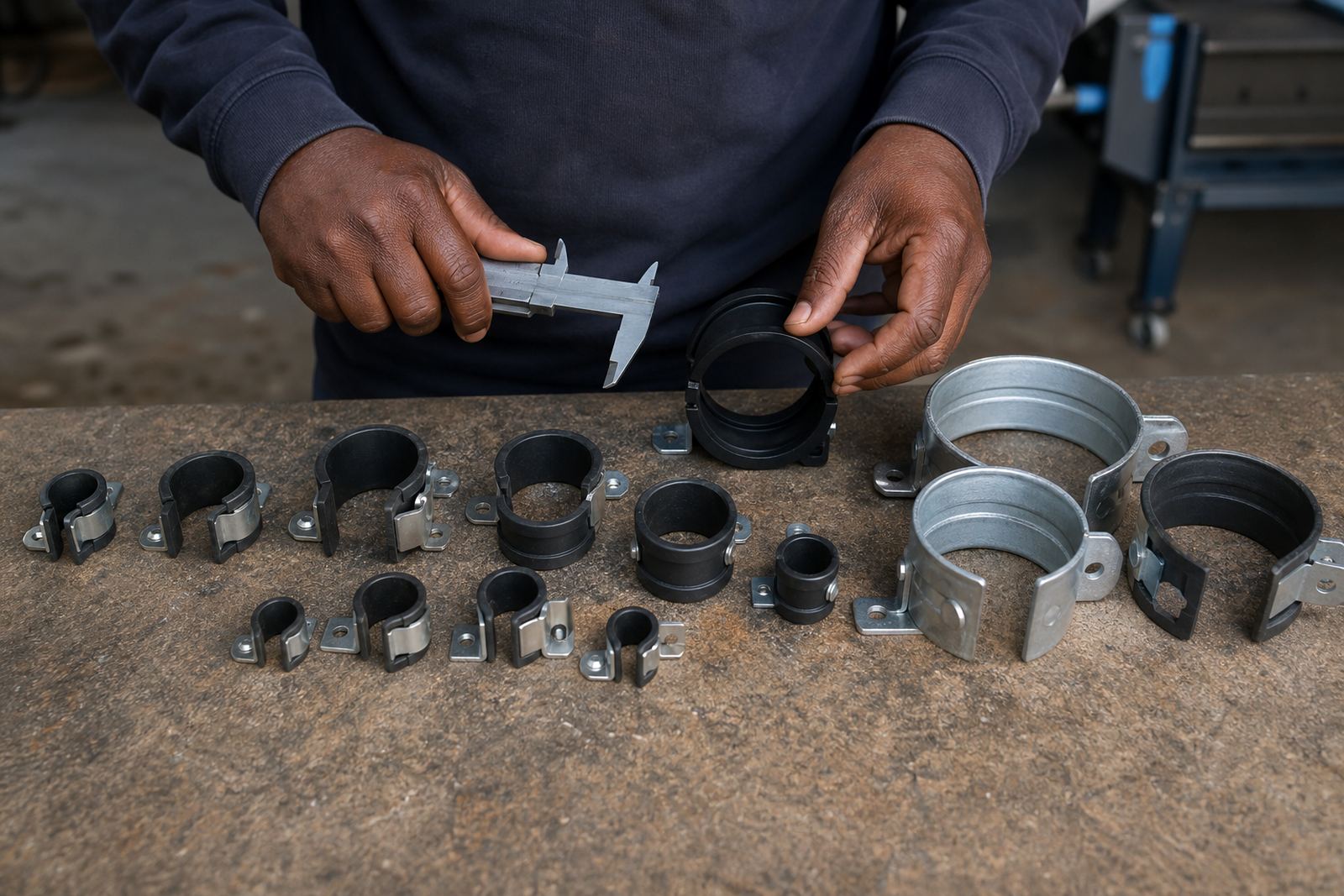
Brackets should support the gutter firmly near the outlet, but not so close that they obstruct flow or make cleaning difficult. On longer runs, it helps to position the outlet where the gutter can drain fully without water standing at the low end. If there is a join nearby, allow enough room for movement and servicing. Where the roofline includes multiple outlets, each one should be set out to suit its own catchment area.
- Set the gutter fall toward the outlet before fixing fully
- Cut the aperture neatly to the correct opening size
- Seal and align the outlet to the downpipe connection
- Keep brackets clear of the discharge path
Care for the outlet and the gutter around it
Like the rest of the roof drainage system, an internal outlet works best when debris is kept out of the channel. Leaves, roof dust and bird nesting material can collect near the low point of the run, so periodic cleaning is important. If the outlet becomes blocked, water can overflow at the roof edge or push back along the gutter.
Basic maintenance includes checking that the outlet remains firmly seated, that the seal line is sound, and that the downpipe below is clear. In humid coastal areas and in towns with heavy seasonal rain, it is worth inspecting the outlet after storms. If the system has been carrying silt or plant debris from nearby trees, a rinse and visual check will usually show whether flow is still free.
- Clear leaves and debris from the gutter channel
- Check for standing water near the outlet after rain
- Inspect seals, clips and joins around the drain point
- Rinse the downpipe if flow slows or backs up
Internal Outlets: profile and colour checks
To make sure the outlet suits the job, confirm the gutter profile, wall fixing method, downpipe size and the roof edge detail. It also helps to know whether the project is new work or a replacement, because an existing run may have fixed bracket spacing or a set fascia line that limits the fitting position. Builders often include the outlet in the material takeoff with the gutter lengths, corners, unions and brackets, so the full roof edge can be supplied together.
For supply to Johannesburg, Pretoria, Durban, Cape Town and Polokwane, delivery planning should allow for the number of outlets needed per elevation and the route from the outlet to the stormwater discharge point. If the building has a long roof face, ask for the exact outlet count and layout positions before materials are packed for site.
- Gutter profile and wall fixing type
- Downpipe diameter and shape
- Roof edge length and outlet position per elevation
- Number of brackets, joins and corner pieces in the run
Key facts
| Material | Plastic-steel composite |
|---|---|
| Use | Gutter to downpipe connection at an internal drain point |
| Typical gutter match | Profile-specific outlet to suit the installed gutter line |
| Typical downpipe match | Round or rectangular, depending on the pipework layout |
| Application | Residential and commercial roof drainage |
| Installation note | Set with correct fall and safe working at height by competent installers |