
A Joint and Outlet in One Fitting
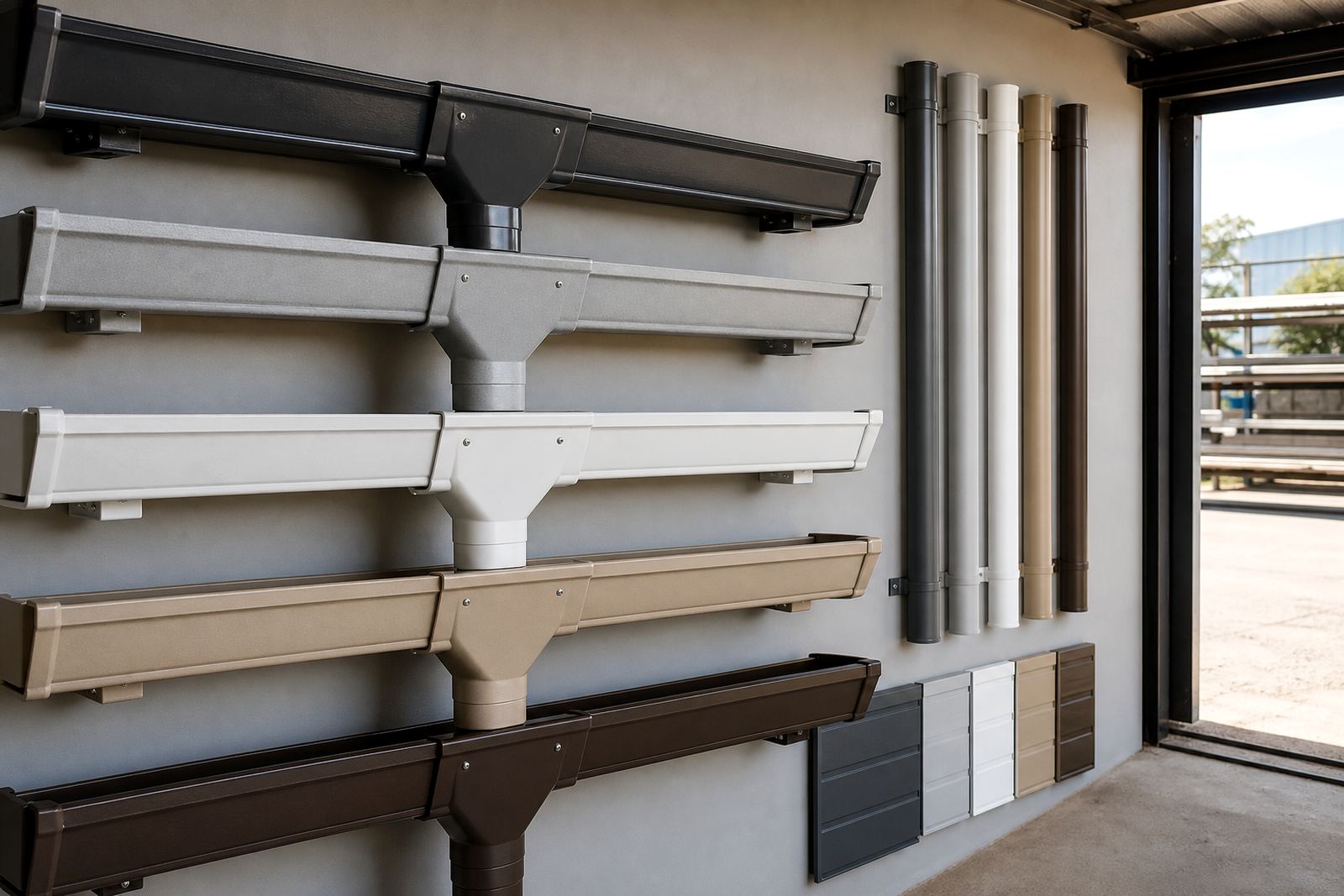
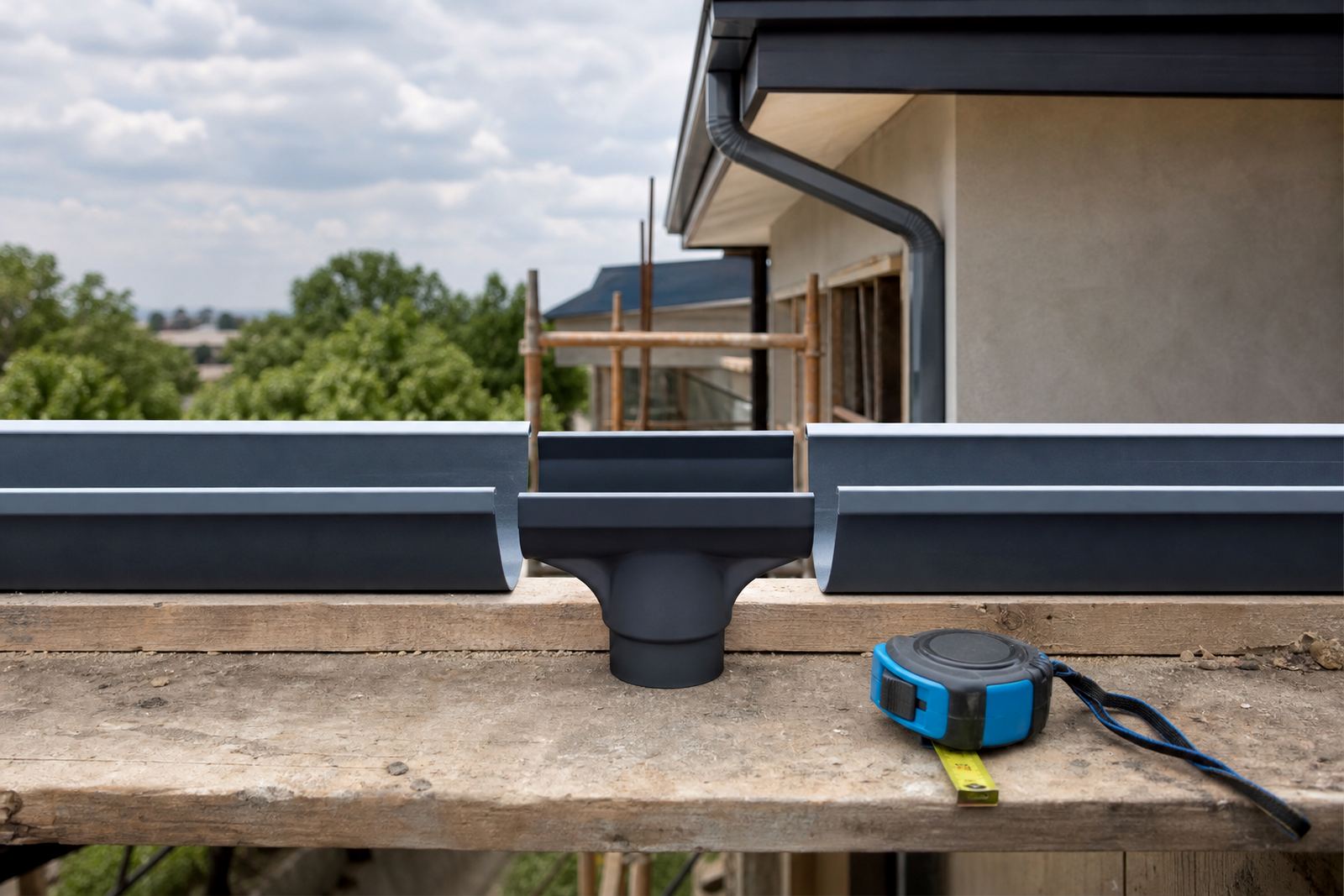
A running outlet is used where a gutter run needs a controlled discharge point without adding a separate cut-in outlet piece on site. In practice, it gives the installer a joint at the gutter line and a formed outlet in the same component, which helps with alignment on long roof edges and reduces awkward cutting around the outlet position.
Layout control is often the main value here for both builders and homeowners. The gutter can be set out with the correct fall toward the outlet, while the downpipe location is fixed early in the job. That matters on carports, boundary walls, patio roofs and full house runs where the roofline must look neat from the street.
Plastic-steel composite gutter parts are used where a balance of rigidity and weather resistance is needed. In coastal areas such as Durban and parts of Cape Town, the material choice helps with humid conditions and daily sun exposure, while inland sites in Johannesburg, Pretoria, Polokwane and Randburg often need straightforward handling during installation and later maintenance.
Sizes, Profiles and Outlet Layouts
Running outlets are selected to suit the gutter profile, the pipe size and the way the roof water is being managed. Typical roofline work calls for matching the outlet opening to the gutter width and the downpipe diameter so the water does not bottle up at the discharge point.
- Gutter width matched to the roof edge and water load
- Outlet opening matched to the downpipe size
- Outlet position set to suit the gutter fall
- Single or multiple outlets used on longer roof runs
- Suitable for straight runs, corners and sectional rooflines
Where roof sheets or tiles carry a heavier flow, the outlet point may need to be positioned closer to the lowest section of the gutter run. On lighter domestic sections, one outlet can often handle a shorter span if the fall is correct and the bracket spacing is even. The right choice depends on the roof area, the pitch, and the discharge route to the stormwater line or soakaway.
Where Running Outlets Fit Best
Running outlets suit new builds, roofline replacements and local repairs where the gutter has to feed a downpipe in a set position. They are often used on homes, shops, workshops, schools and sectional commercial roofs where the installer wants a clean discharge point without extra site work at the edge.
They are useful on eaves that run for several metres before the first downpipe. They also help on roof sections where the fascia line is straight but the gutter needs a careful drop toward the outlet to avoid standing water. On older properties, a running outlet can be part of a roofline upgrade when the existing outlet position no longer suits the roof drainage pattern.
- Domestic houses with long eaves lines
- Boundary wall returns and garage roofs
- Commercial roof edges with regular downpipe spacing
- Roofline replacement projects where old outlets are worn or cracked
- Sites needing tidy, repeatable gutter positioning
For building teams, the component is handy where time on the scaffold or ladder must be used carefully and each fixing point needs to line up the first time. Roofing work at height must be done safely by competent people, with the right access equipment and fall protection for the job.
Fitting, Falls and Bracket Spacing
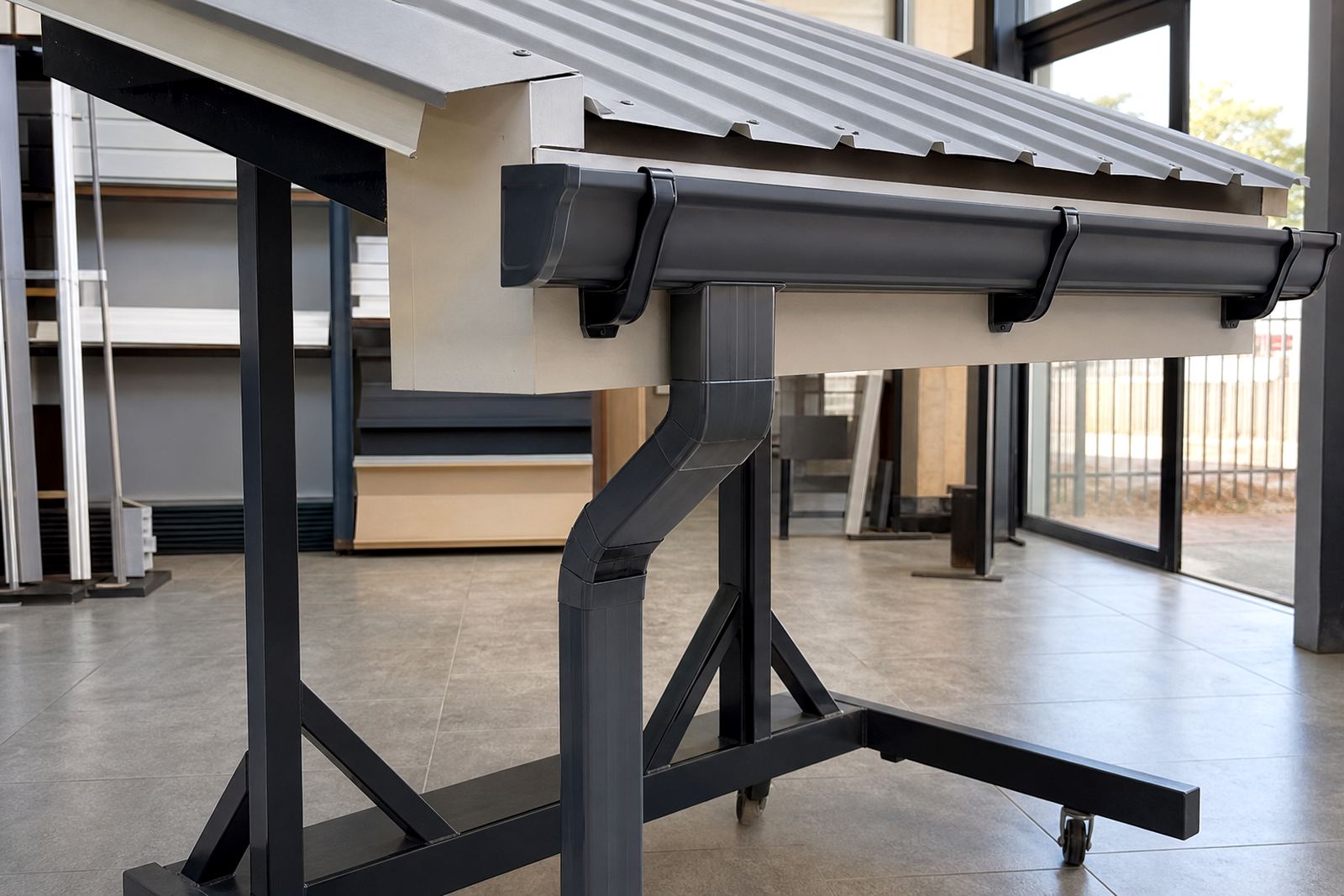
Good performance depends on correct installation. The gutter should fall gently toward the running outlet so rainwater does not sit in the channel after a shower. On most roof edges, the fall is set with bracket placement and careful marking before the gutter is fixed off.
The outlet must be sealed and seated properly so the joint line stays watertight. If the outlet is not square, the pipe can pull the gutter out of line or create strain at the join. That is why a competent installer checks the fascia line, the bracket centres and the position of the downpipe before final fixing.
- Set the gutter fall before drilling final fixings
- Use brackets at even centres for the gutter profile
- Keep the outlet square to the gutter run
- Seal joints and outlet edges as specified for the system
- Check that the downpipe path is clear and vertical
On windy coastal sites, loose or poorly spaced brackets can cause movement and wear at the joint. Inland, heavy rain can expose weak falls quickly, especially where long gutters carry water to one side. Careful marking and solid support make a big difference to how the outlet performs over time.
What to Confirm Before Ordering
Before a running outlet is supplied or fitted, the critical details should be checked against the roofline and the rest of the gutter system. A small mismatch at this point can mean extra cutting on site or a downpipe that lands in the wrong place.
- Gutter profile and width
- Outlet size and downpipe diameter
- Left hand or right hand outlet orientation if applicable
- Roof length, fall direction and outlet position
- Colour match for fascia and gutter line
- Whether the job is new work, replacement work or a repair section
It also helps to confirm whether the outlet will feed into a wall-mounted downpipe, a rainwater head or a ground level discharge run. On homes and light commercial buildings, those details affect the height of the pipe, the bend arrangement and the way the water is taken away from paving, garden beds or paved entries.
Care, Cleaning and Long Use
Running outlets need the same basic care as the rest of the gutter line. Leaves, dust, roof grit and bird nesting material can build up around the outlet first, because that is the point where water speed changes and debris tends to collect. A periodic check makes it easier to spot early blockage or seal wear.
Where trees drop debris onto the roof, clean the gutter before the rainy season and after any heavy weather. Look for cracked seals, loose brackets, signs of overflow staining and any movement at the outlet joint. If the gutter has been overfilled, the outlet and the first section of downpipe should be inspected for distortion.
In humid coastal conditions, regular cleaning matters more because wet debris stays in place longer and can lead to staining or algae build-up. Inland, dust and dry leaf matter often compact around the outlet, so a simple maintenance visit can save a lot of water damage later.
Supply for Builders and Homeowners
Running outlets are supplied as part of a planned roofline package or as a replacement fitting for a specific gutter run. For builders, the benefit is consistency across the project, especially where multiple roof edges need the same outlet position and size. For homeowners, the advantage is a neater roofline with less guesswork when a downpipe needs to be added or moved.
Plasteel supplies across Kya Sand, Randburg and into Johannesburg, Pretoria, Durban, Cape Town, Polokwane, Midrand and Roodepoort through local delivery and supply channels. Material takeoff, site measuring, builder support and homeowner advice all help to keep the outlet position in step with the rest of the roof drainage layout.
If the roofline is changing, the outlet should be checked against the fascia, gutter fall and pipe route before work starts. That keeps the installation orderly and helps the finished line look straight and properly set out from end to end.
Key facts
| Product type | Running outlet for gutter systems |
|---|---|
| Function | Combines gutter joint and outlet in one component |
| Compatible use | Residential and commercial roof drainage |
| Common matching items | Gutters, downpipes, brackets and fascia boards |
| Key size checks | Gutter profile, outlet opening, downpipe diameter |
| Typical site use | New builds, replacements, repairs and roofline upgrades |