
What internal brackets do on a roof edge
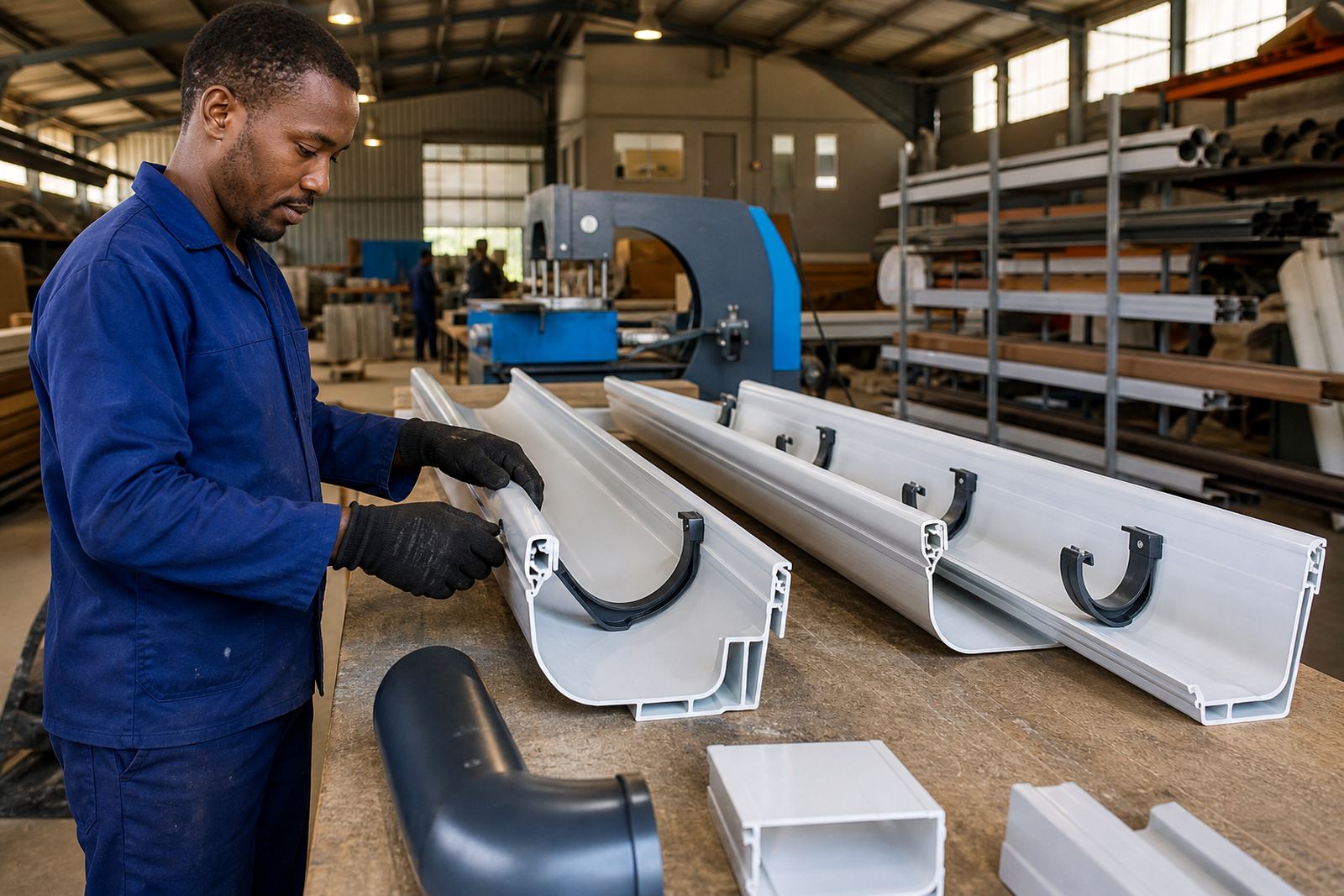
Internal brackets sit inside the gutter profile and support the channel from within, so the outside face stays clean and uninterrupted. On a finished roofline this gives a neat look, while the bracket still carries the load from rainwater, leaf build-up and the usual movement that comes with hot days, cool nights and coastal humidity.
In practical terms, the bracket must hold the gutter at the right level, keep the front edge true and allow the installer to set the fall toward the downpipe. A gutter that is not supported properly can sag between fixing points, lose its line and start holding water in low spots. That is where leaks, overflow and staining usually begin.
- Supports the gutter from inside the channel
- Helps keep the outside face neat and even
- Assists with correct fall toward outlets
- Reduces visible fixings on the roof edge
Sizes and fit for common gutter profiles
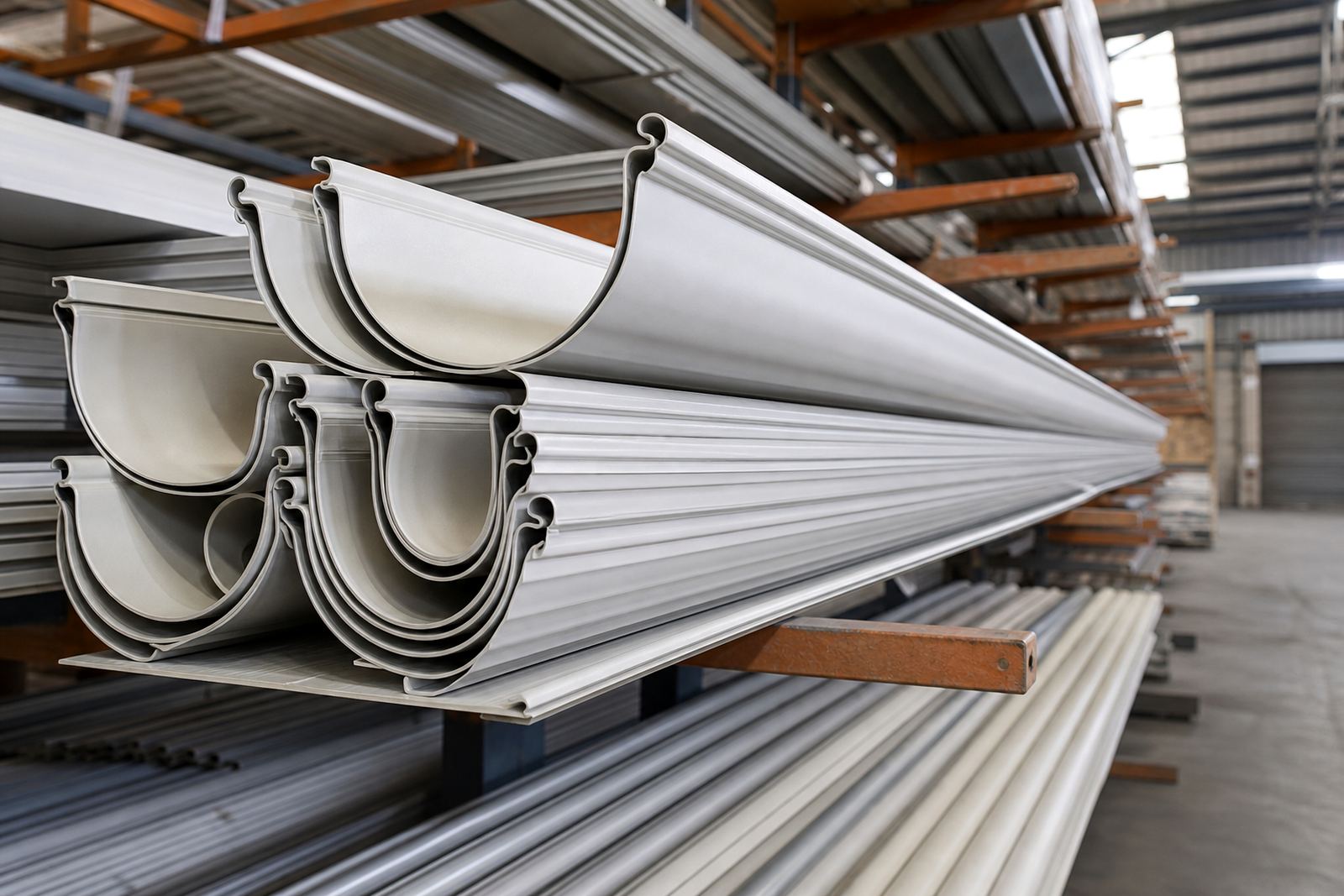
Internal brackets must match the gutter profile closely, because the depth, width and lip shape all affect how the channel sits. For residential work the most common sizes are set to suit standard roof edge runs, while larger spans, commercial roofs and long facades may call for a heavier support pattern. When a bracket is too small it can pinch the gutter, and if it is too open the channel may move under load.
Before ordering, the main details to confirm are the gutter profile, the face depth, the back leg height and the fixing method into the fascia board or support structure. On replacement work, the existing roof edge often tells a story of what was fitted before, but it is still worth measuring the actual channel and not guessing from the old parts. In windy areas and on long coastal runs, spacing and fixing quality matter just as much as the bracket shape.
- Profile match for the gutter channel in use
- Depth and lip dimensions for a proper seat
- Fixing style to suit fascia or support structure
- Spacing to suit the run length and expected water load
Where internal brackets make sense
These brackets suit roof edges where appearance matters and a tidy outside line is wanted. They are a good fit for houses with painted fascia boards, modern perimeter lines and projects where the gutter must sit close to the roof edge without visible external support brackets. They also work well where the gutter run is long and the installer wants a cleaner finish on the street side.
For builders, internal brackets help keep the roofline consistent across a row of units or a mixed development. For homeowners, they are useful when replacing tired gutters on older homes in Randburg, Roodepoort, Midrand and across Gauteng, or on coastal homes where regular maintenance is already part of the plan. In heavy rain areas, the bracket layout should always suit the expected runoff and the downpipe positions, not just the look of the job.
- Residential rooflines with a neat visible finish
- Commercial facades where the edge must look tidy
- Replacement work on existing fascia and gutter runs
- Projects needing close alignment to the roof edge
Fitting details that keep the line true
Correct fitting starts with a sound fascia board and a straight reference line. The installer sets the bracket positions first, then checks the fall before locking the gutter in place. On long runs, even a small error in spacing can show up later as ponding, misaligned joins or water spilling over the front edge during a summer storm.
Roofline work at height must be handled safely by competent people, with the right access gear and fall protection where needed. If the gutter is being changed during a roof repair, the downpipe connections, outlets and end closures should all be checked at the same time. That saves going back later to fix a leak that was really caused by a loose bracket or poor outlet line.
- Set the gutter fall before final fixing
- Check fascia straightness and fixing soundness
- Match bracket spacing to the run and load
- Inspect joints, outlets and end stops during installation
Keeping the support clean and working
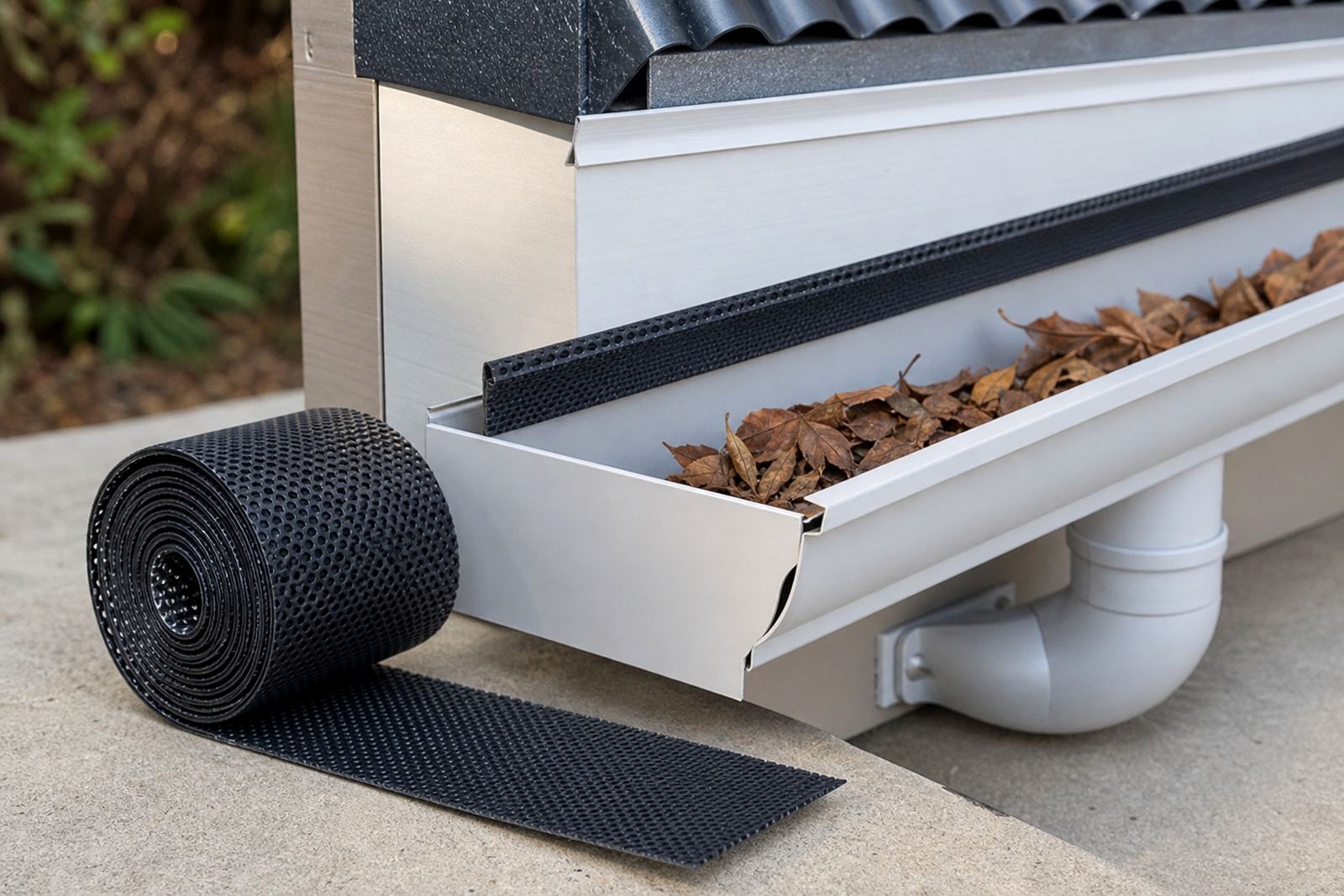
Internal brackets do not need much attention, but the gutter around them does. Leaves, silt and roof grit can collect in the channel and hold moisture against the system, especially in shaded areas or where trees overhang the roof. In humid coastal towns, regular clearing helps prevent staining and keeps the support points dry.
A maintenance visit should look at loose fasteners, movement in the channel, cracked seal areas and any signs of corrosion around dissimilar metals if other roof parts are mixed in the same system. If a gutter has started to dip between brackets, the problem is usually not only the bracket itself. It may be a sagging fascia, poor spacing or a run that was never given enough fall from the start.
- Clear leaves and roof debris from the gutter line
- Check for sagging, movement or loose fixings
- Inspect outlets for blockage after heavy rain
- Look for stains that show standing water
Ordering the right brackets for the job
To supply the correct internal brackets, Plasteel needs the gutter profile, the size of the run, the fascia condition and the way the gutter will be fixed. It also helps to know whether the work is new build, roofline replacement or a partial repair. For builders in Johannesburg, Pretoria, Durban, Cape Town and Polokwane, the same profile can behave differently depending on the roof pitch, exposure and rainfall pattern.
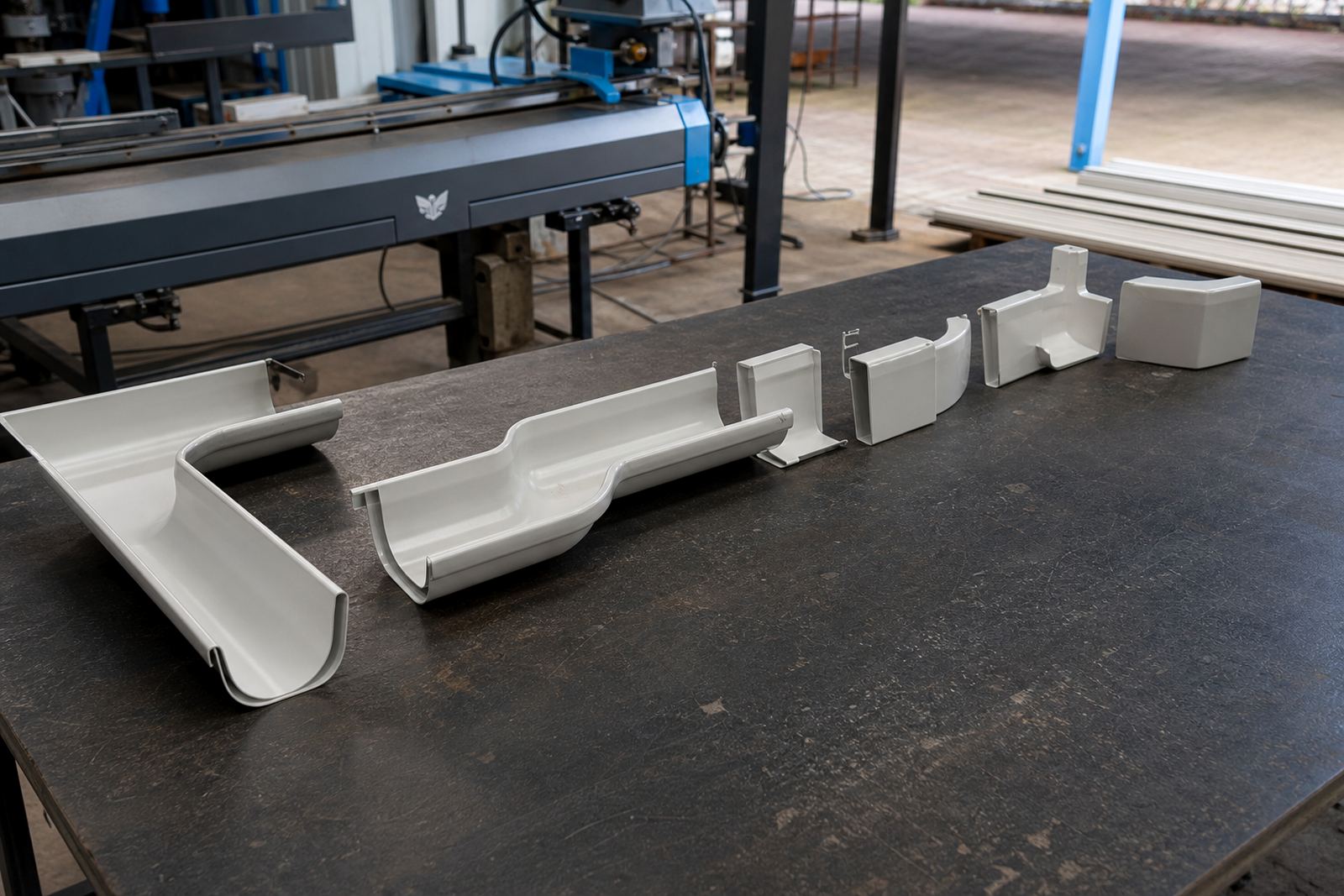
When requesting material, confirm the gutter width, depth and colour match, plus the outlet positions and any special corners or joins. If the project includes fascia boards and downpipes, it is better to plan the whole roof edge together so the bracket spacing and fall line work with the complete system. Our team at Kya Sand, Randburg supports builders and homeowners with material takeoff, supply, delivery coordination and practical advice for roofline work.
- Gutter profile and exact size
- Run lengths and outlet positions
- Fascia board condition and fixing surface
- Colour match for visible roofline components
Key facts
| Product | Internal gutter bracket |
|---|---|
| Support position | Mounted inside the gutter profile |
| Common use | Residential and commercial roofline support |
| Fit checks | Profile, width, depth and fixing method |
| Installation note | Set fall and spacing before final fixing |
| Areas supplied | Kya Sand, Randburg and deliveries to major South African centres |