
What a gutter union does on the roofline
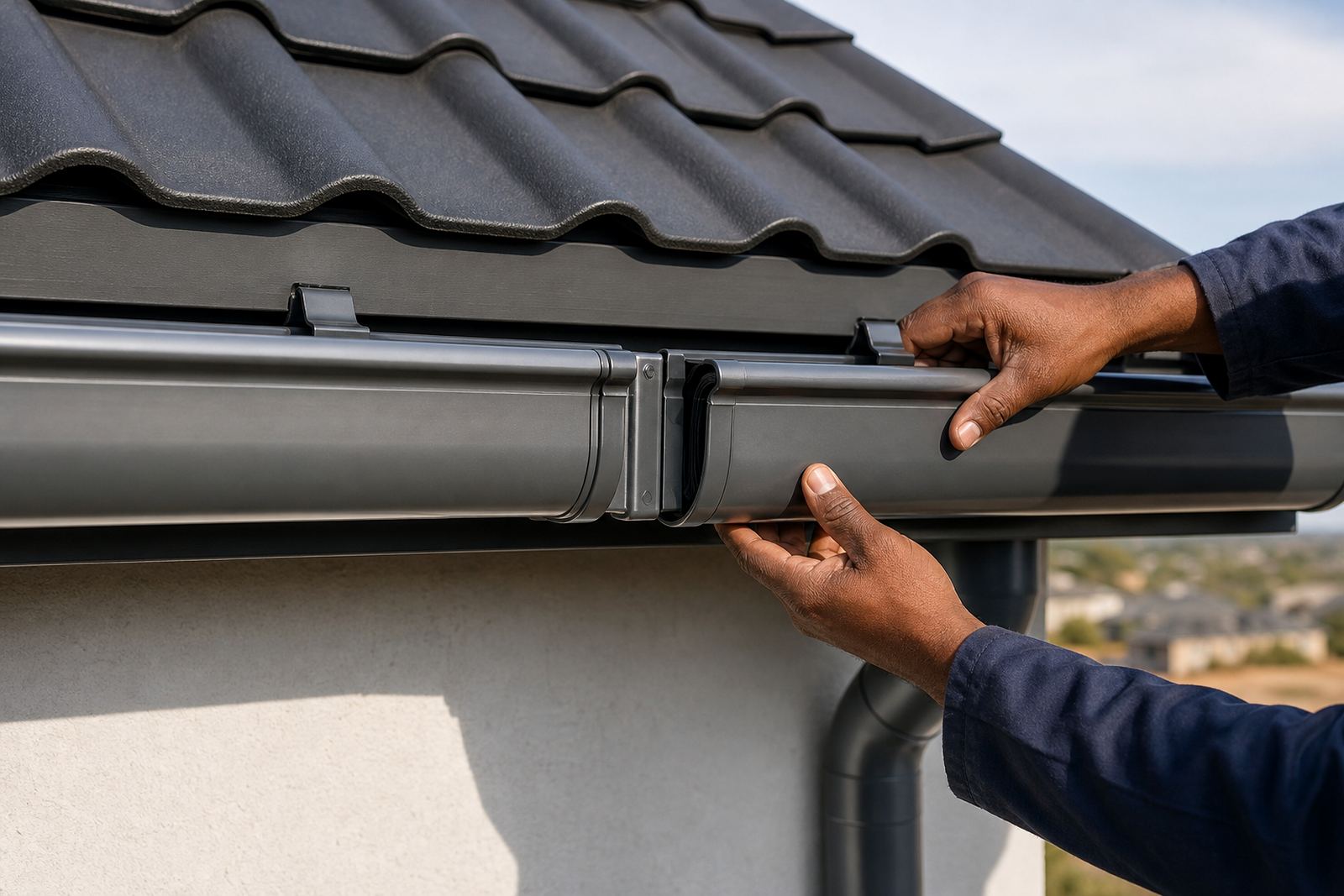
A gutter union connects two gutter lengths in line, helping the run carry water smoothly toward the outlet without an awkward step or gap at the join. On a typical roof edge, the union is fitted where two lengths meet, with the correct seal and overlap so the joint sits flush and the water line stays tidy.
On South African roofs, that matters in summer storms and in coastal areas where heavy rain can arrive fast. A neat join helps keep the gutter looking straight from the street, and it also makes later maintenance easier because the run is made up of defined sections rather than one long piece pushed too hard into place.
- Used between two adjacent gutter lengths
- Supports a clean continuous line along the fascia
- Helps manage movement between lengths during expansion and contraction
- Works best when the gutter fall and bracket spacing are set correctly
Sizes, profiles and matching points
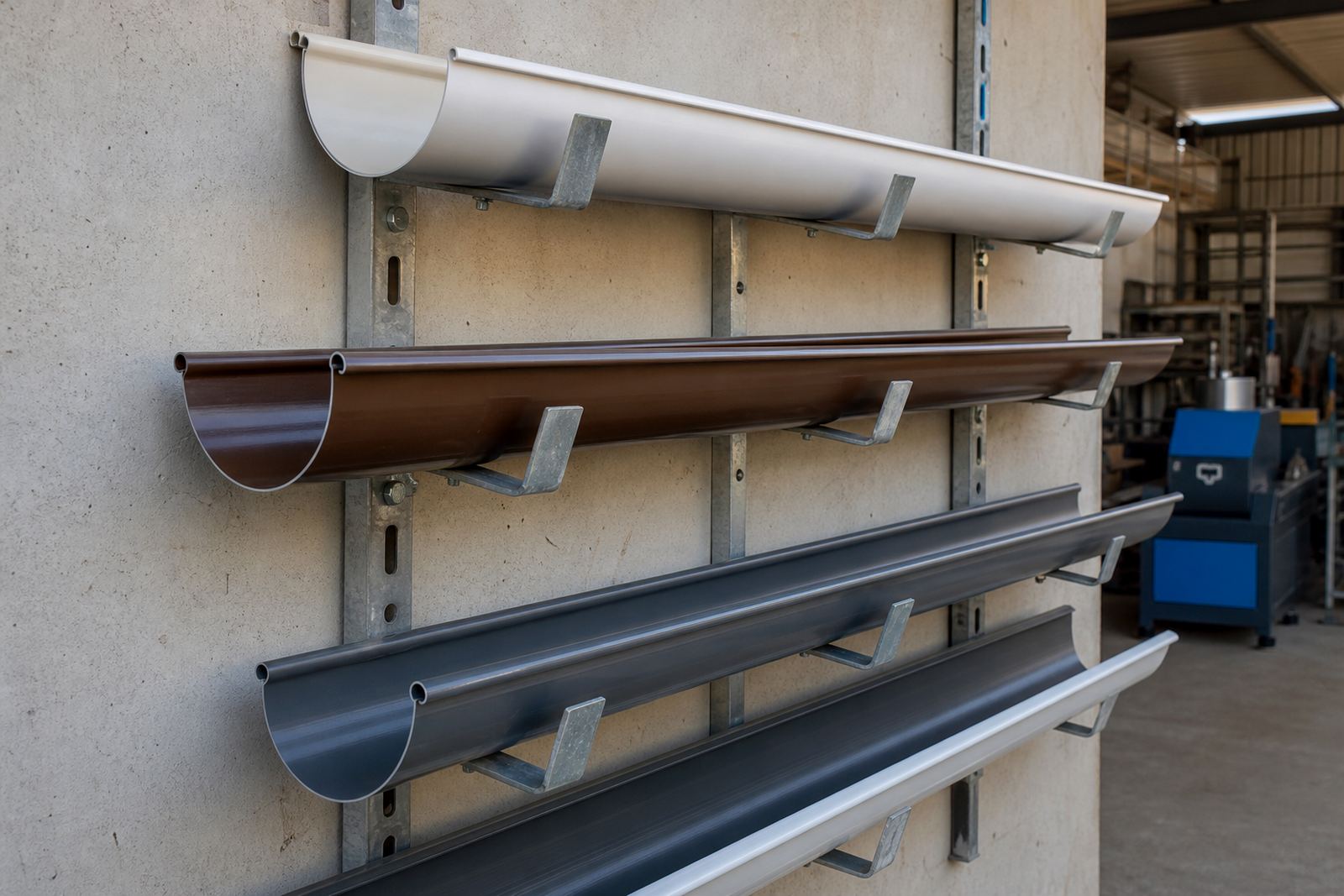
Gutter unions must match the gutter profile, width and wall thickness exactly. A union made for a 125 mm half-round gutter will not suit a square or ogee profile, even if the lengths look similar from a distance. The profile shape, clip detail and seal line all need to line up for a proper fit.
For most domestic and light commercial work, the common checks are the gutter nominal size, the profile type, and whether the join is for a straight run or a formed corner section. In practice, installers also confirm the gutter depth, the lip shape and the material finish so the join holds its line along painted or plain fascia boards.
- Match the exact gutter profile
- Check nominal size and depth
- Confirm wall thickness and lip detail
- Verify colour or finish where visible from the ground
Where unions suit local building work
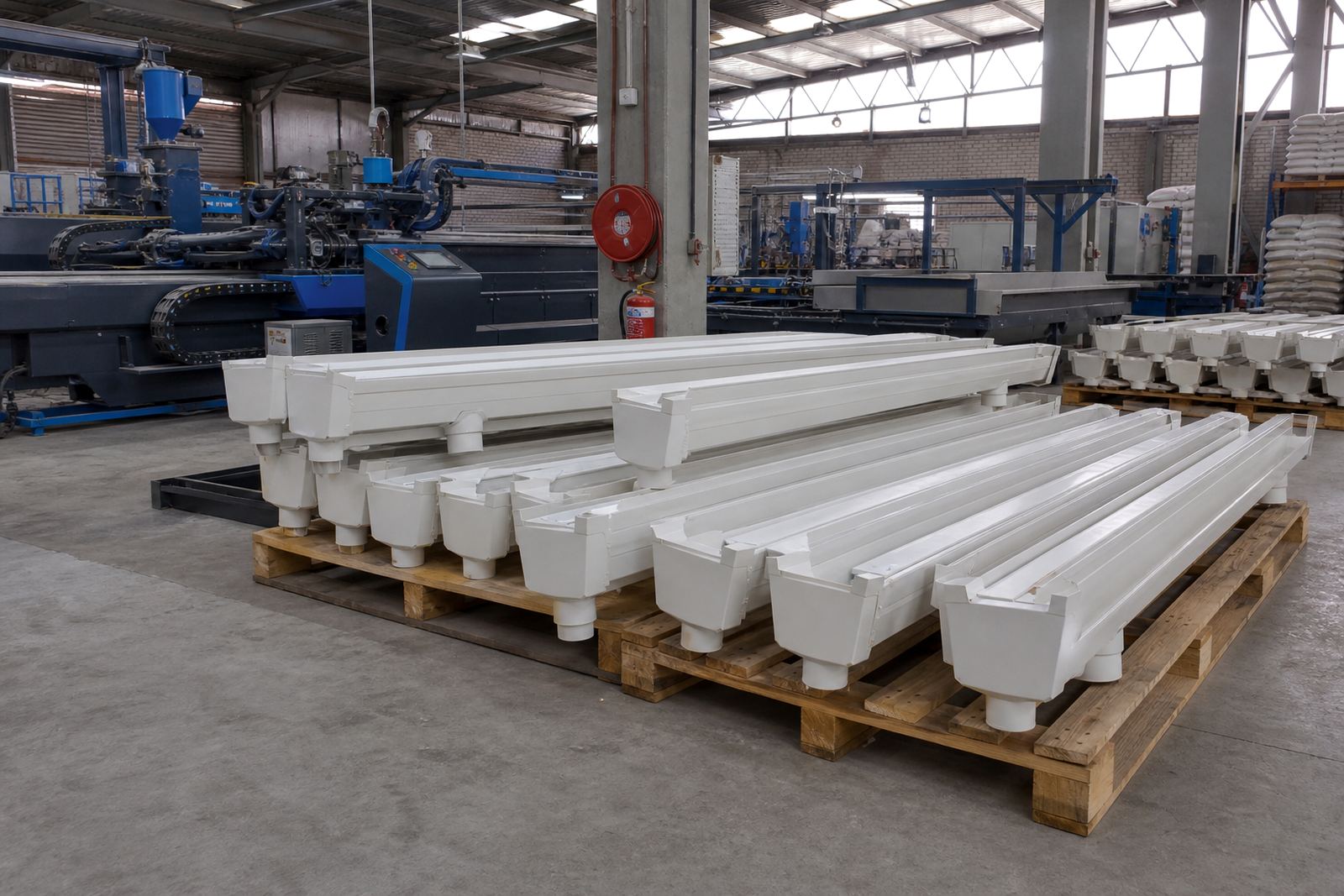
Gutter unions suit new builds, roofline replacements and patch repairs where one run needs to be split into practical lengths for transport, handling or alignment. They are useful on long eaves, L-shaped houses, townhouse blocks, warehouses and backyard additions where the gutter line changes in stages.
In coastal towns the join should be placed and sealed with care because salt air, driving rain and strong sun can work on the fixing points over time. In Gauteng, the main concern is often heavy thunderstorm flow and movement from heat. A properly fitted union helps the system behave as one run, but it still needs the right downpipe positions and enough fall toward each outlet.
- Residential eaves and patio roofs
- Townhouses, complexes and light industrial roofs
- Roofline repairs where sections are being replaced in parts
- Runs with transport or handling limits on site
Fitting details that keep the join working
Good fitting starts with a straight, prepared cut on both gutter ends and a clean contact surface. The union is then aligned to the profile, seated evenly and fixed according to the system being used. If the join sits under strain, the seal can pinch on one side and lift on the other, which is where leaks often begin.
Roofline work at height must be done safely by competent people with the right access equipment, fall protection and site control. Where gutters are being installed near live electrical points, metal ladders or tools should be handled with care and the area checked before work begins. For long runs, it helps to set the brackets first, then confirm the fall, then lock the union into place so the section does not fight the line of the roof.
- Cut ends square and remove burrs
- Set the gutter fall before closing the join
- Fix the union without forcing the profile out of shape
- Keep the surrounding brackets firm so the joint is not carrying extra movement
Care, inspection and common wear points
A gutter union needs the same maintenance attention as the rest of the roofline. Leaves, roof grit and bird nests can build up at the join and hold moisture against the seal. In the rainy season, that extra hold-up can show up as dripping at the joint or a stain on the fascia below.
Routine checks should include the seal line, the clip or fixing points and the gutter edge on both sides of the union. If the joint has shifted, it may not be the union alone, it may be a bracket that has loosened or a gutter section that has sagged slightly. Cleaning by hand or with a soft brush is usually enough for normal maintenance, and a careful rinse can help spot where the water path is moving.
- Check after the first heavy rain of the season
- Look for staining under the joint
- Clear built-up debris before it hardens
- Inspect nearby brackets and downpipe outlets too
Gutter Unions: roof measurements to confirm
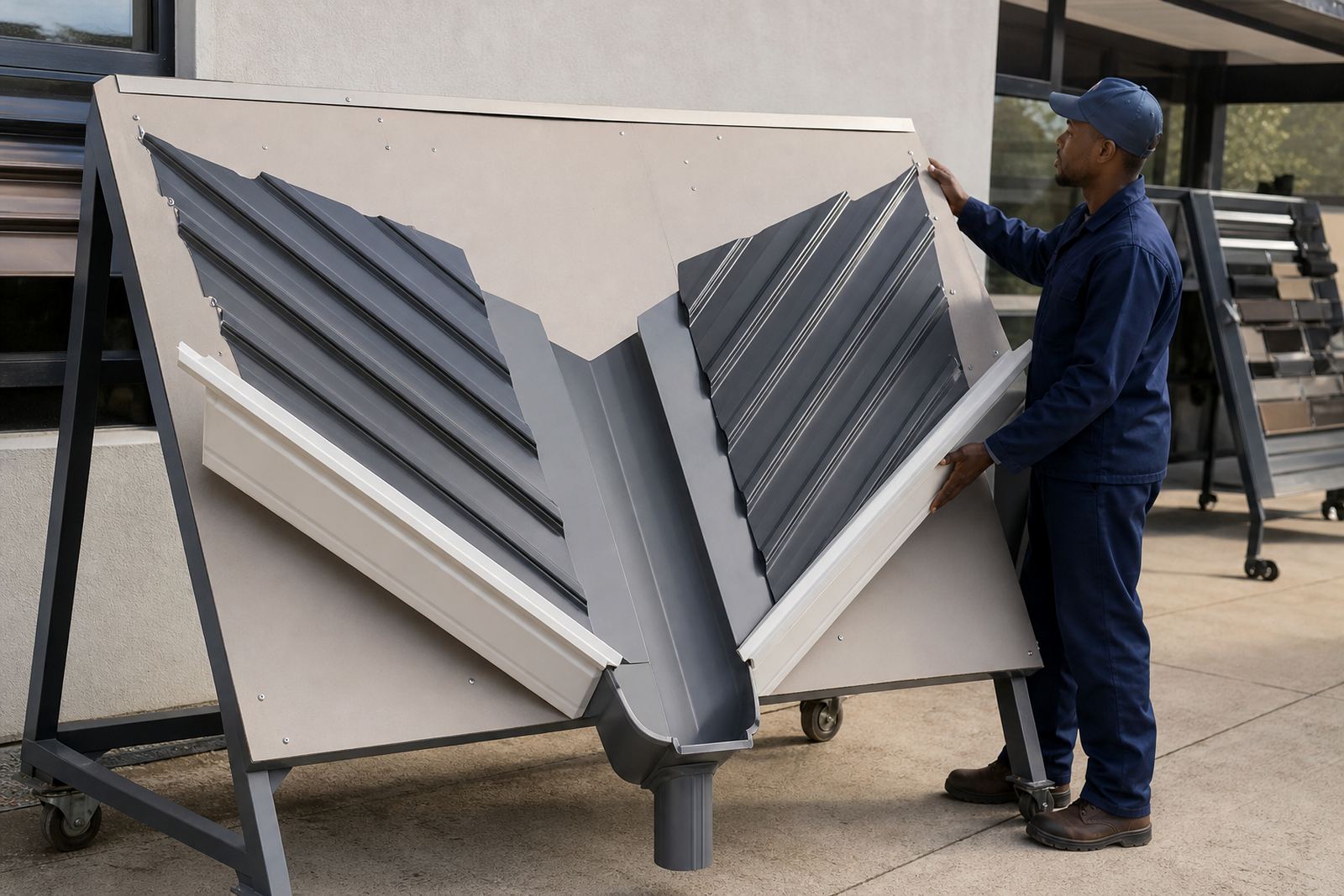
Before ordering gutter unions, confirm the gutter type already on site, the size of the run, and whether the join is for a new installation or a repair section. If the system is being extended, the existing profile and finish must be matched so the line does not stand out once fitted. On projects in Johannesburg, Pretoria, Durban, Cape Town or Polokwane, it also helps to note exposure to strong sun, coastal salt, or frequent storm water flow.
For builders, a proper material takeoff should include the number of joins, the length of each gutter section, the outlet positions and any corners nearby. Homeowners should be ready with roof photos, a rough measure of the eaves and details of any leaks around the joint or fascia edge. That lets the supply and installation plan line up with the actual roofline instead of forcing a guess on site.
- Gutter profile and nominal size
- Colour or finish to match the existing run
- Number of unions needed and their positions
- Whether the work is supply only, installation or roofline replacement
Key facts
| Product type | Gutter union for joining adjacent roof gutters |
|---|---|
| Typical sizes | Made to match the gutter profile and nominal width in use on site |
| Common materials | Plastic-steel composite roofline components |
| Fitment use | Straight runs on houses, complexes and light commercial roofs |
| Installation note | Must be matched to the same profile, section depth and fixing method |
| Care | Inspect seals, clear debris and check nearby brackets after heavy rain |