Barge board fit on the gable line
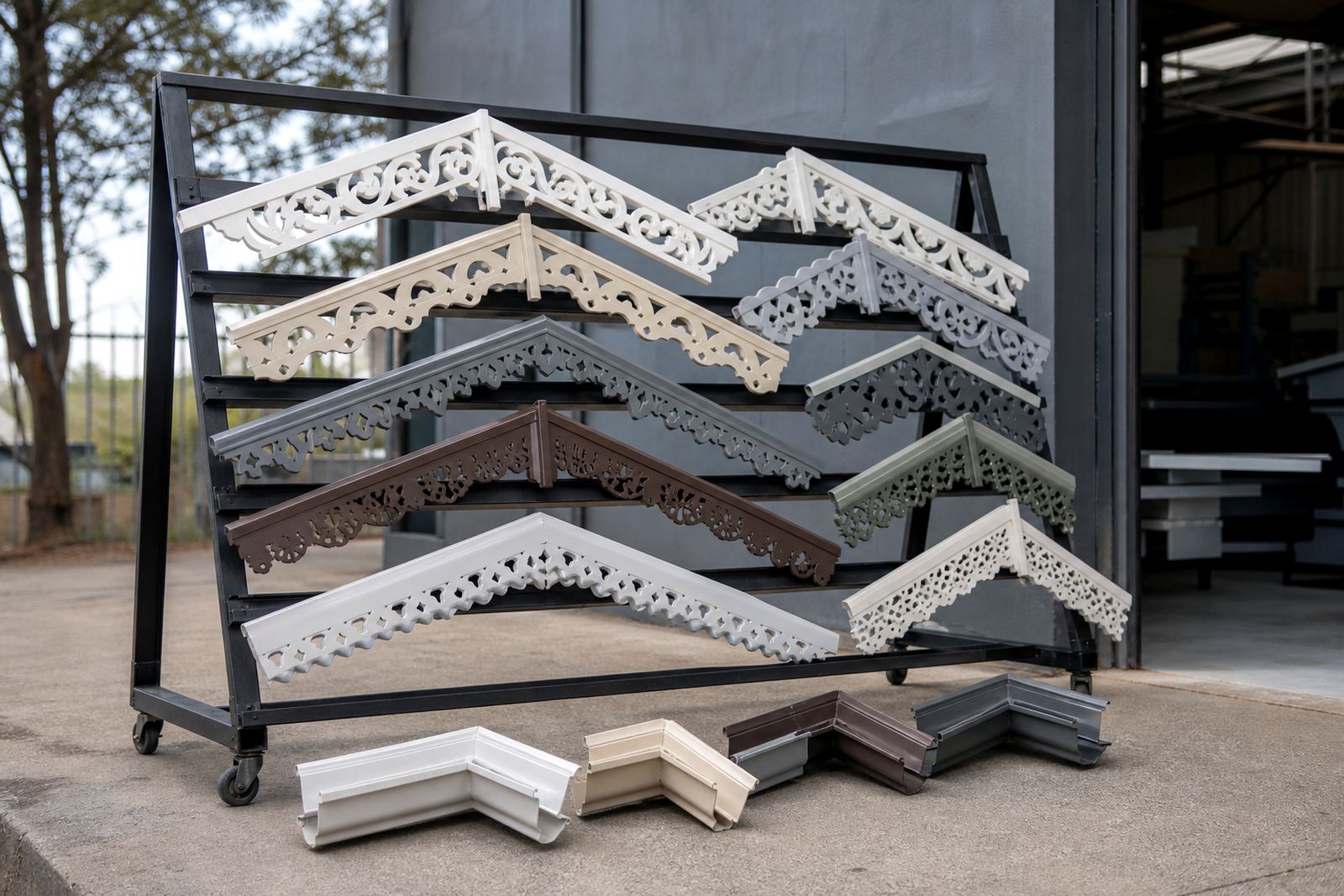
Barge boards are fixed along the sloping edge of a gable end, where the roof covering meets the outer trim line. Their job is to close off that edge neatly, support the visual finish of the roof perimeter and give fascia and gutter lines a proper ending at the side of the building. In practical roof work, the barge board must follow the roof pitch accurately, with clean mitres at the apex and tidy terminations at the eaves.
On South African homes, from Randburg to Durban and Cape Town, the board sits in weather that can be hot, wet, dusty or salt exposed depending on the area. A well selected barge board helps maintain a straight line and keeps the edge of the roof looking orderly once gutters and downpipes are installed. It also gives the roofer a sound fixing line for the edge details, which matters when the fascia and guttering are being replaced together.
Profiles, lengths and thicknesses that suit local roofs
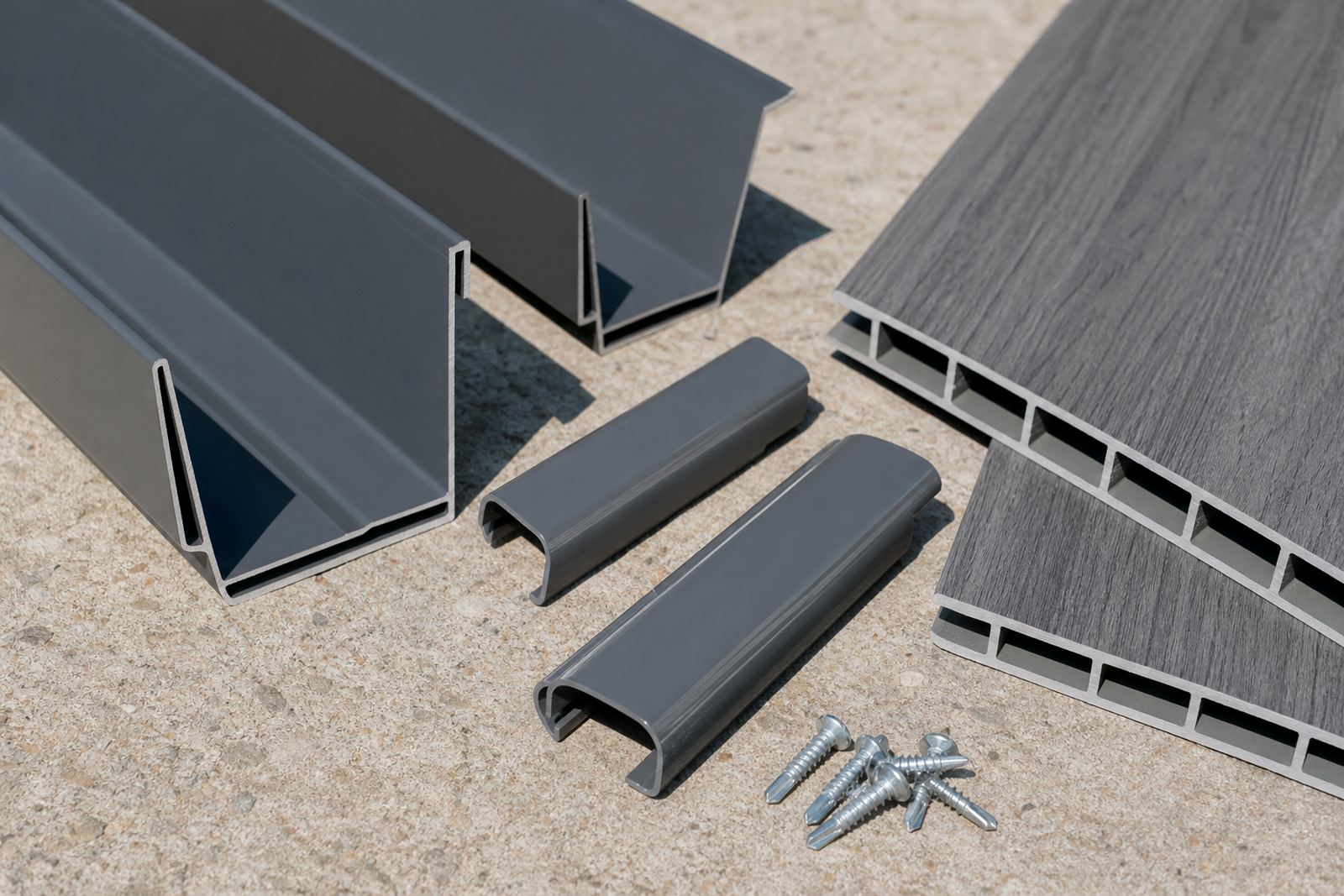
Plasteel barge boards are supplied in practical lengths and widths to suit common roof edges used by builders and homeowners. The exact size needed depends on the roof pitch, the overhang, the fascia build-up and whether the board is being used on a simple gable or a more detailed roofline. Typical boards are selected to align with standard roof framing, so the edge does not look under-sized or bulky.
- Common widths: 150 mm, 200 mm, 225 mm and 250 mm
- Common thicknesses: 8 mm, 10 mm and 12 mm
- Typical lengths: 3 m and 6 m lengths for easier handling on site
- Profiles: plain flat board, edge-rebate compatible board and matching trim profiles for roofline detailing
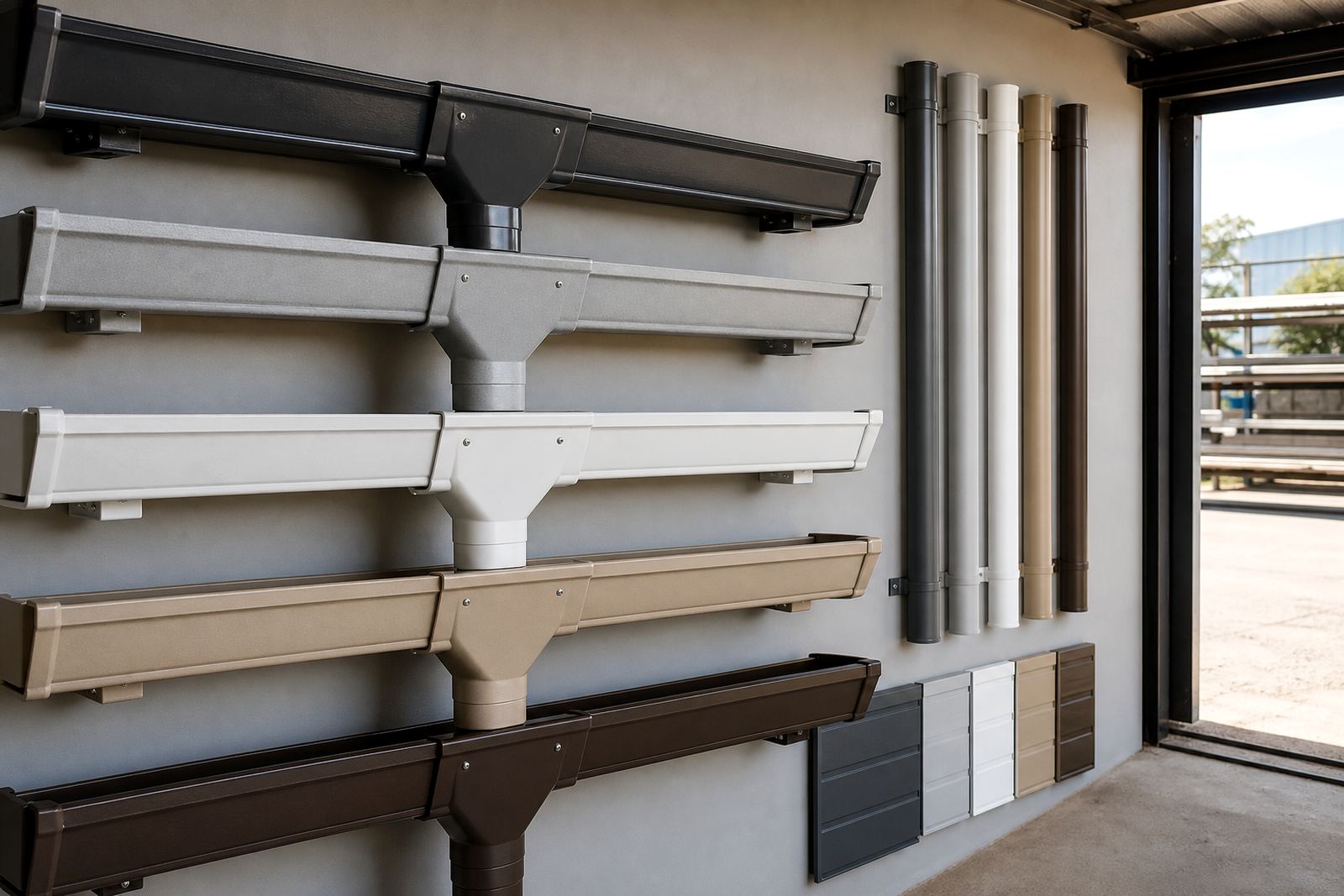
- Colours: selected to suit roof edges, fascia runs and general external finish
For coastal work in Durban or high-sun conditions in Polokwane, the right thickness and fixing detail matters. A thinner board may be fine on a small domestic roof but a wider gable face or a more exposed commercial edge usually calls for a more substantial section and closer fixing support.
Where barge boards are used on site
Barge boards suit new builds, roof replacements and repair work where the gable ends need a tidy and durable finish. They are commonly fitted on residential houses, townhouses, outbuildings, light industrial units and small commercial properties. Where guttering runs along the eaves, the barge board completes the edge and helps the whole roofline read as one clean line, which is important on visible street-facing elevations.
They are also useful where old timber edge boards have started to weather, split or distort. In those cases the installer checks the roof edge, measures the exposed length and confirms the junctions at the ridge and eaves before fitting the replacement. On buildings with repeated water splashback, poor old fixings or damage from wind, the barge board should be matched to the surrounding fascia and gutter details so the whole line stays straight.
- Gable ends on pitched roofs
- Roof perimeter finishing on domestic and commercial properties
- Fascia and gutter replacement work
- Repairs where timber edges have deteriorated
- New roofline installations for builders
Fixing detail, support and roof safety
Correct fitting is important because a barge board takes edge exposure from wind, rain and sun. It should be fixed to sound framing or suitable support members, with the line checked before final fastening. Boards must be cut square and the mitres set neatly at the apex, with enough support behind the joins so the edge does not sag later. On longer runs, expansion allowance and correct spacing of fixings should be considered according to the board type and site conditions.
Roofline work at height must be done safely by competent people. Ladders, edge protection, fall prevention methods and safe access planning should be in place before anyone works near the gable edge. Where the job includes gutter or fascia replacement, the roof edge can be awkward and one loose section can affect the rest of the line, so careful sequencing is important. If the installation includes cutting on site, the right tools should be used and the work area kept clear of offcuts and debris.
- Check that the framing line is straight before fixing
- Use the correct fixings for the board material and support
- Set mitres cleanly at apex and eave terminations
- Allow for movement where long runs are exposed to heat
- Work from safe access equipment, not from unstable roof edges
Maintenance in rain, dust and coastal air
Barge boards need basic maintenance to stay neat, especially where roofs face heavy sun, windblown dust or coastal moisture. A visual check every so often is useful after storms and at the start of the rainy season. Look for open joints, lifted fixings, sealant failure, staining from overflowing gutters and any movement where the board meets the fascia or roof edge.
Cleaning should be gentle. Use water and a soft cloth or brush rather than harsh scrubbing that can mark the surface. Where gutter blockage is causing overflow, the board below the leak line may show staining or repeated wetting, so the gutter and downpipe system should be checked at the same time. In humid areas and near the sea, keeping the edge dry and free from trapped debris helps reduce long term wear.
- Wash off dirt, pollen and dust build-up
- Check fixings after wind or heavy rain
- Keep gutters clear so overflow does not stain the board
- Inspect mitres and joints for movement
- Replace damaged sections before the edge opens up further
Ordering details to confirm before supply
Before ordering barge boards, it helps to confirm the roof pitch, total gable length, the board width needed to cover the edge and whether the board must match existing fascia and gutter colours. If the roofline has varying angles, the corner and apex details should be measured carefully. Builders often provide a material takeoff from site measurements, while homeowners may need help confirming the exposed length after old trims are removed.
For projects in Johannesburg, Pretoria, Midrand, Roodepoort, Durban, Cape Town and Polokwane, delivery coordination can be arranged according to the site schedule. Plasteel works with builders and homeowners on site measuring, product supply, fascia installation, gutter installation, downpipe installation, roofline replacement, leak checks and maintenance visits. For enquiries, use the form on the contact page and include the site suburb, roof type and the measurements you have already taken.
- Gable length and roof pitch
- Required width and thickness of the board
- Colour or finish to match the roofline
- Whether old boards are being replaced or new ones are being fitted
- Delivery suburb and site access details
Key facts
| Product type | Barge boards for gable edge finishing and roofline trim work |
|---|---|
| Typical sizes | 150 mm, 200 mm, 225 mm, 250 mm widths; 8 mm, 10 mm, 12 mm thicknesses |
| Typical lengths | 3 m and 6 m lengths |
| Main use | Finishing the sloping gable edge and matching fascia and gutter lines |
| Common settings | Homes, townhouses, light commercial roofs and roof replacements |
| Service areas | Kya Sand, Randburg, Johannesburg, Pretoria, Durban, Cape Town, Polokwane, Midrand, Roodepoort |