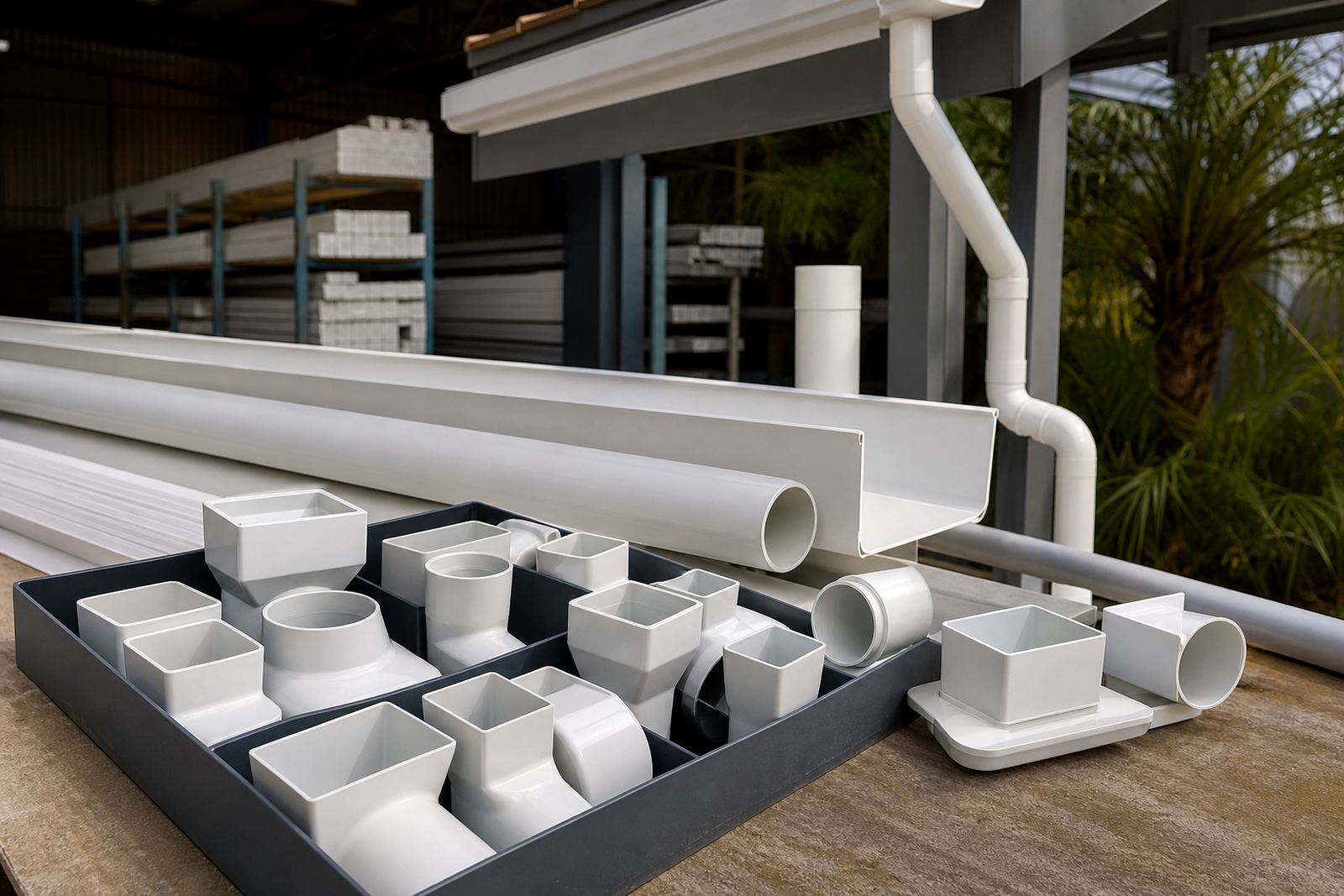
Where the adaptor sits in the roofline
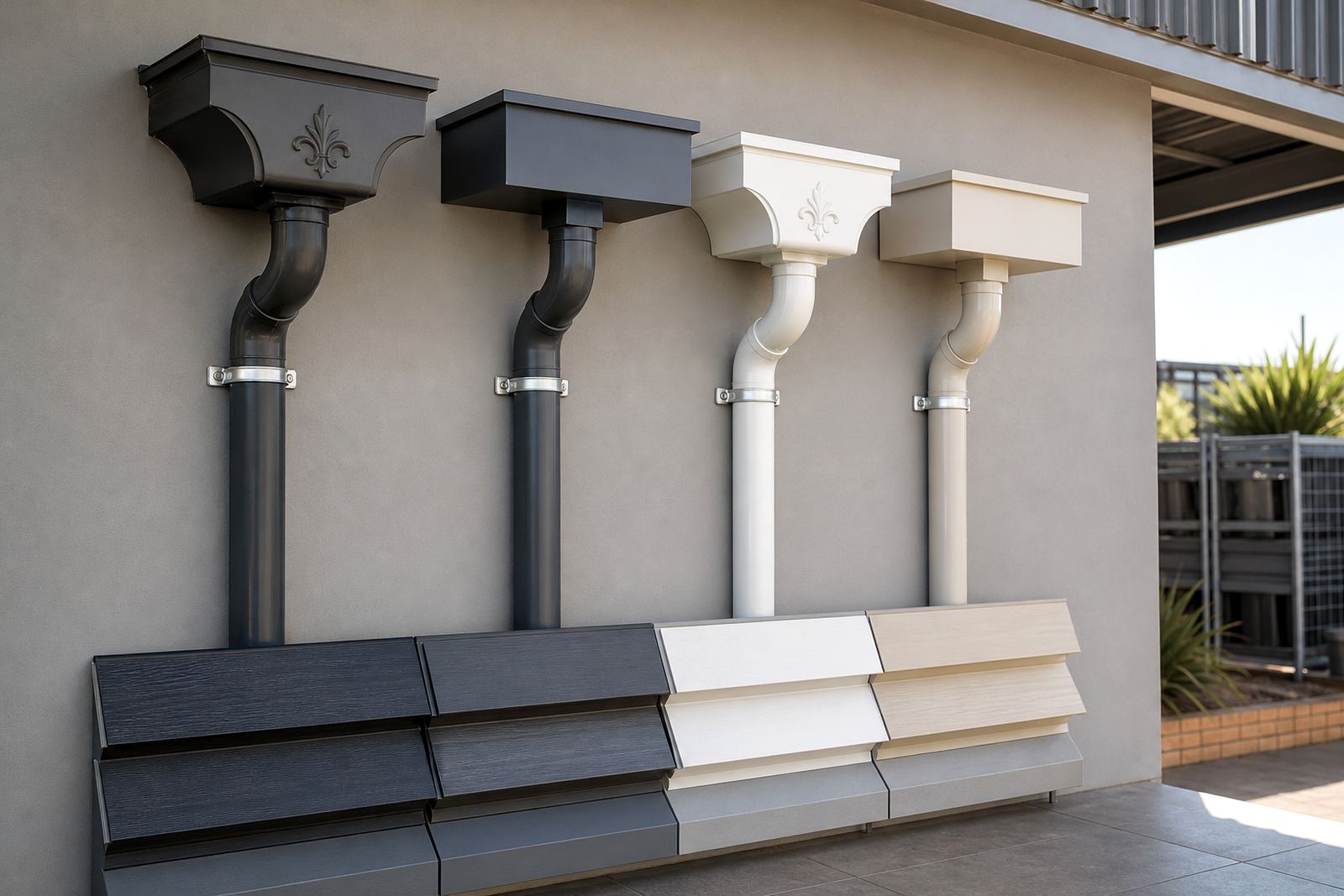
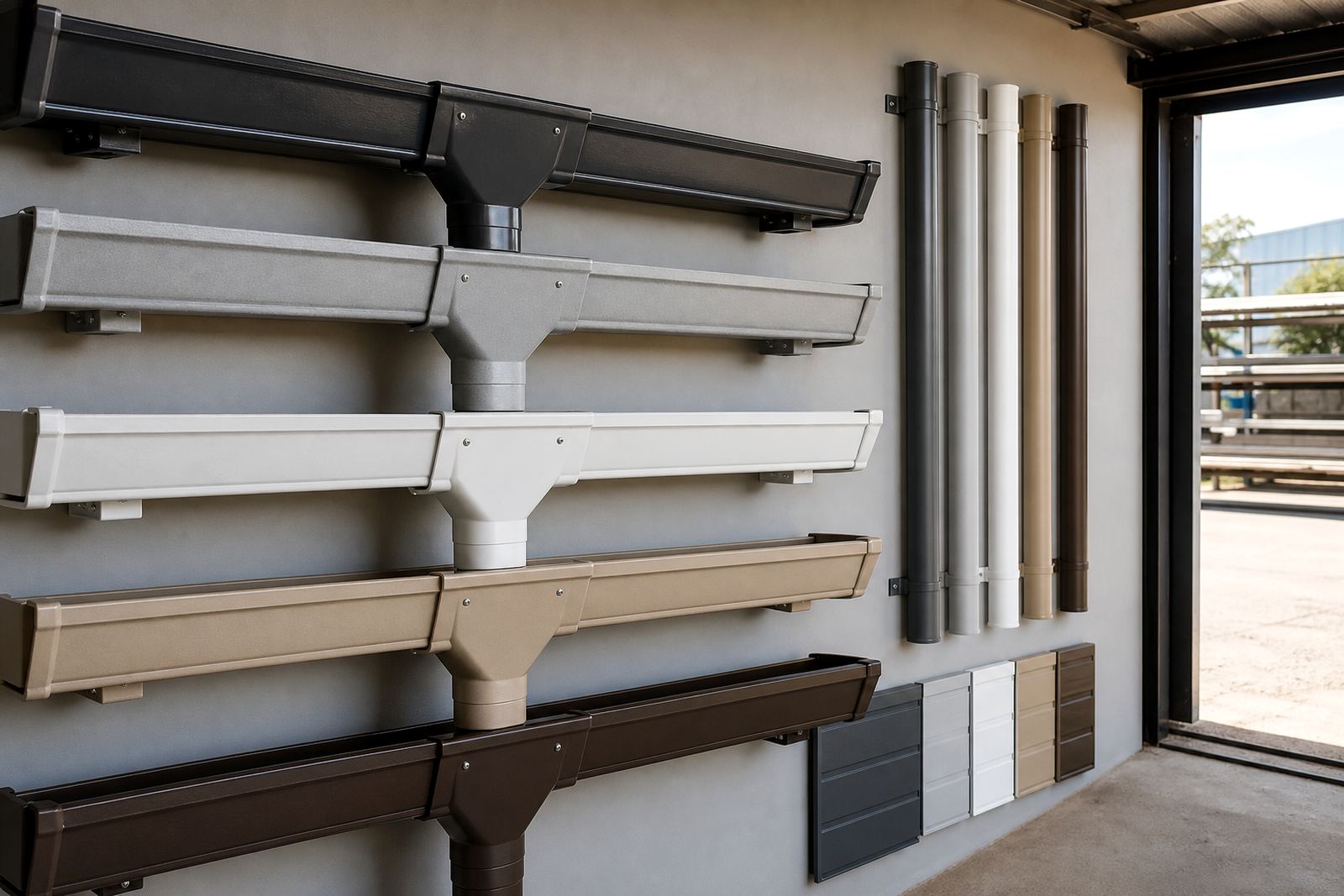
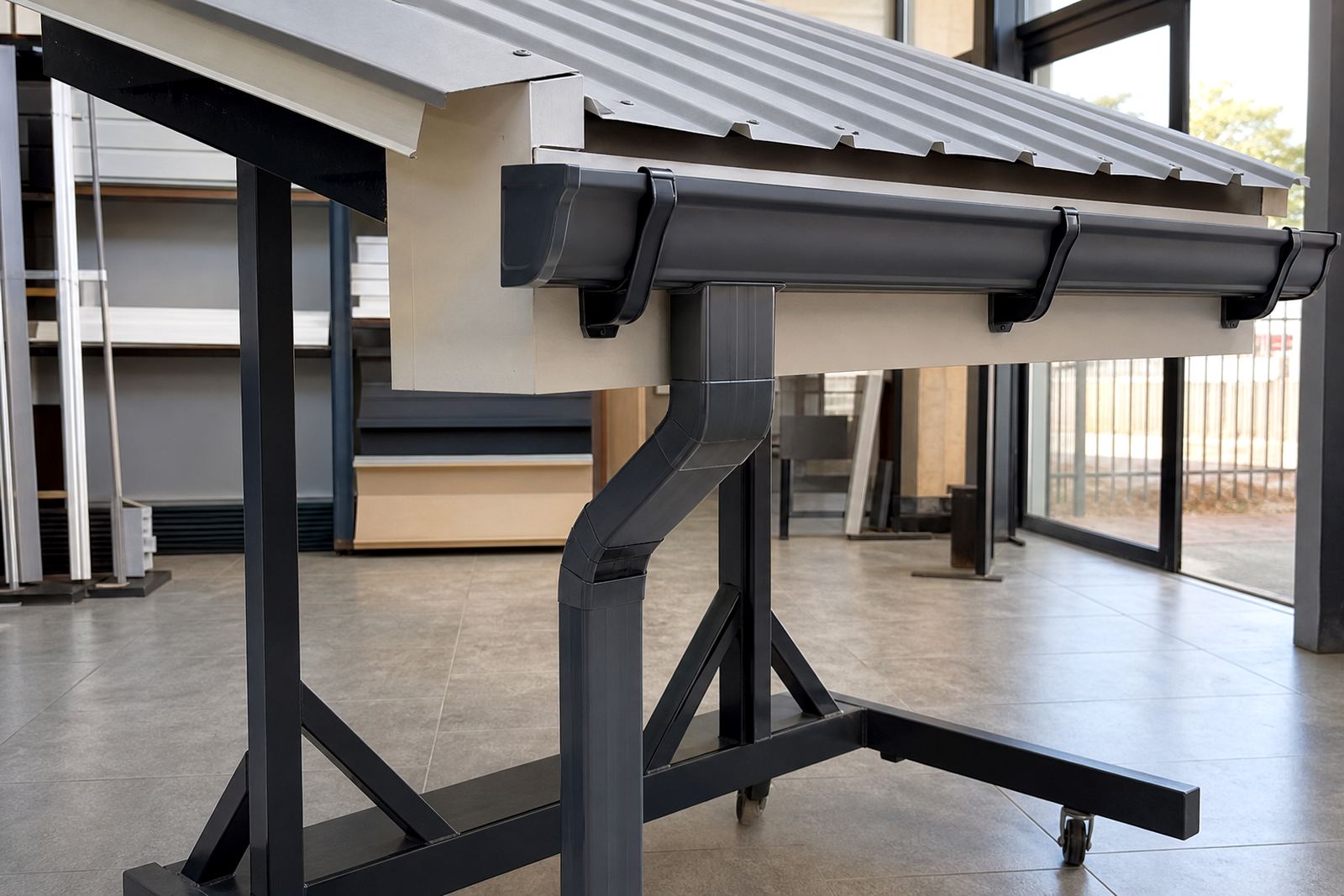
An outlet adaptor is the transition piece between the gutter outlet and the downpipe. It is used when the gutter profile and the downpipe profile are not the same, or when a replacement section has to tie into an older line with a different shape. In practical terms, it helps the water leave the gutter cleanly and move into the downpipe without a tight choke point.
On South African homes and small commercial buildings, this is often needed where a roofline has been altered, a damaged downpipe has been replaced, or a builder is matching new fascia and gutter work to an existing drainage layout. The adaptor has to sit square to the outlet, with enough depth for a firm seal and enough clearance for the first fixing points on the downpipe.
- Used between gutter outlet and downpipe entry
- Suitable for new work and repair work
- Helps match different shapes on one roofline
- Can be used on light domestic lines and larger commercial runs
Common sizes and profile matches
Outlet adaptors are supplied to suit the most common gutter and downpipe combinations used by builders and homeowners. Round and rectangular profiles are both seen on local sites, and the adaptor must match the throat size, the outlet opening and the downpipe shape. A tight fit matters because a loose adaptor can leave a drip point or let debris catch at the join.
Typical options include adaptors for 75 mm round downpipes, 80 x 50 mm rectangular downpipes, and other matching profile transitions used on standard roof drainage systems. Some rooflines call for a straight adaptor, while others need a stepped or offset shape to line up with a fascia face or to clear a wall return. When the roof edge is deep or the gutter is set back from the wall, the drop measurement has to be checked before the part is selected.
- Round to round, rectangular to rectangular, and mixed profile transitions
- Common downpipe sizes include 75 mm round and 80 x 50 mm rectangular
- Lengths and offsets vary with wall clearance and roof edge depth
- Colour matching is often done to suit the gutter and fascia line
Best use on local homes and building sites
These fittings suit tiled roofs, sheeted roofs and fascia-mounted drainage lines across Johannesburg, Pretoria, Durban, Cape Town and Polokwane. Coastal areas such as Durban and Cape Town need careful attention to corrosion and cleaning because salt in the air and windblown dirt can build up around the outlet area. Inland sites often deal with heavy summer storms, so a neat adaptor helps water move away from the gutter throat without spilling back over the front lip.
They are also useful where a builder is replacing only part of a roofline instead of the full system. On older homes in Randburg or Roodepoort, the existing downpipe may not match the newer gutter section. On commercial units in Midrand, the drain point may have to be adjusted to clear signage, parapets or wall finishes. The right adaptor reduces unnecessary cut-and-join work and keeps the drainage line orderly.
- Suitable for roofline upgrades and partial replacements
- Works on homes, small factories and commercial units
- Helpful where old and new profiles must meet
- Useful in coastal and inland weather conditions
Fitting details that matter on site
Outlet adaptors must be fitted with the gutter fall already set correctly, because the adaptor cannot fix poor water flow on its own. The gutter needs a steady fall towards the outlet, and the adaptor should line up with the outlet opening without twisting. Fixing points need to be placed so the adaptor does not move when the first downpipe section is attached.
At height, the work must be done safely by competent people with the right access equipment and roof safety controls. If the adaptor is being installed as part of a roofline replacement, the fascia condition should be checked first because soft timber, uneven steelwork or a bowed edge can pull the outlet out of line. Sealant, clips and joining pieces should be used according to the profile and the site conditions, and the first drop into the downpipe should be tested for a free flow.
- Set the gutter fall before fixing the adaptor
- Keep the outlet throat and adaptor aligned
- Use proper access and fall protection at roof height
- Check the fascia line before final fixing
Care, cleaning and long-term use
Outlet adaptors do best when the gutter system is kept clear of leaves, roof grit and windblown dirt. A blocked outlet puts extra strain on the adaptor and can cause water to stand in the gutter. On homes with nearby trees, the outlet area should be checked more often, especially after heavy wind or rain. In coastal towns, a rinse and inspection helps remove salt film that can hold dirt at the join.
Maintenance is straightforward. Check for gaps at the join, loose clips, cracked sealant and marks from overflow. If the downpipe has been struck, the adaptor can shift and start to leak at the outlet. A clean water path is the goal, so the first sign of a drip or splashback should be dealt with before the fascia or wall finish is affected.
- Clear leaves and grit from the outlet area
- Inspect clips, sealant and join lines after storms
- Rinse off salt film in coastal areas
- Watch for overflow marks on fascia and wall finishes
Order checks for the right match
Before ordering, the important details are the gutter profile, the outlet size, the downpipe shape, the wall clearance and the colour finish. If the site already has a system in place, the old part should be measured properly instead of guessing from the roofline alone. A small size mismatch can create a leak point or leave the downpipe sitting too far off the wall.
Builders usually confirm the outlet opening, the centre-to-centre setting, the drop length and whether the adaptor needs to turn, step or offset the flow. Homeowners should also note whether the new work must blend with existing fascia boards or a different gutter run on the same property. Delivery coordination is available for sites in Randburg Supply, Johannesburg Delivery, Pretoria Delivery, Durban Delivery, Cape Town Delivery, Polokwane Delivery, Midrand Supply and Roodepoort Supply.
- Gutter profile and outlet opening
- Downpipe size and shape
- Required offset, step or straight transition
- Colour, wall clearance and drop length
Key facts
| Product type | Outlet adaptor for gutter to downpipe transition |
|---|---|
| Profiles | Round and rectangular profile options |
| Typical sizes | 75 mm round, 80 x 50 mm rectangular, other matching transitions |
| Material | Plastic-steel composite |
| Use | Domestic and commercial roof drainage |
| Finish | Colour-matched options to suit gutter and fascia lines |