
Start With the Roofline You Have
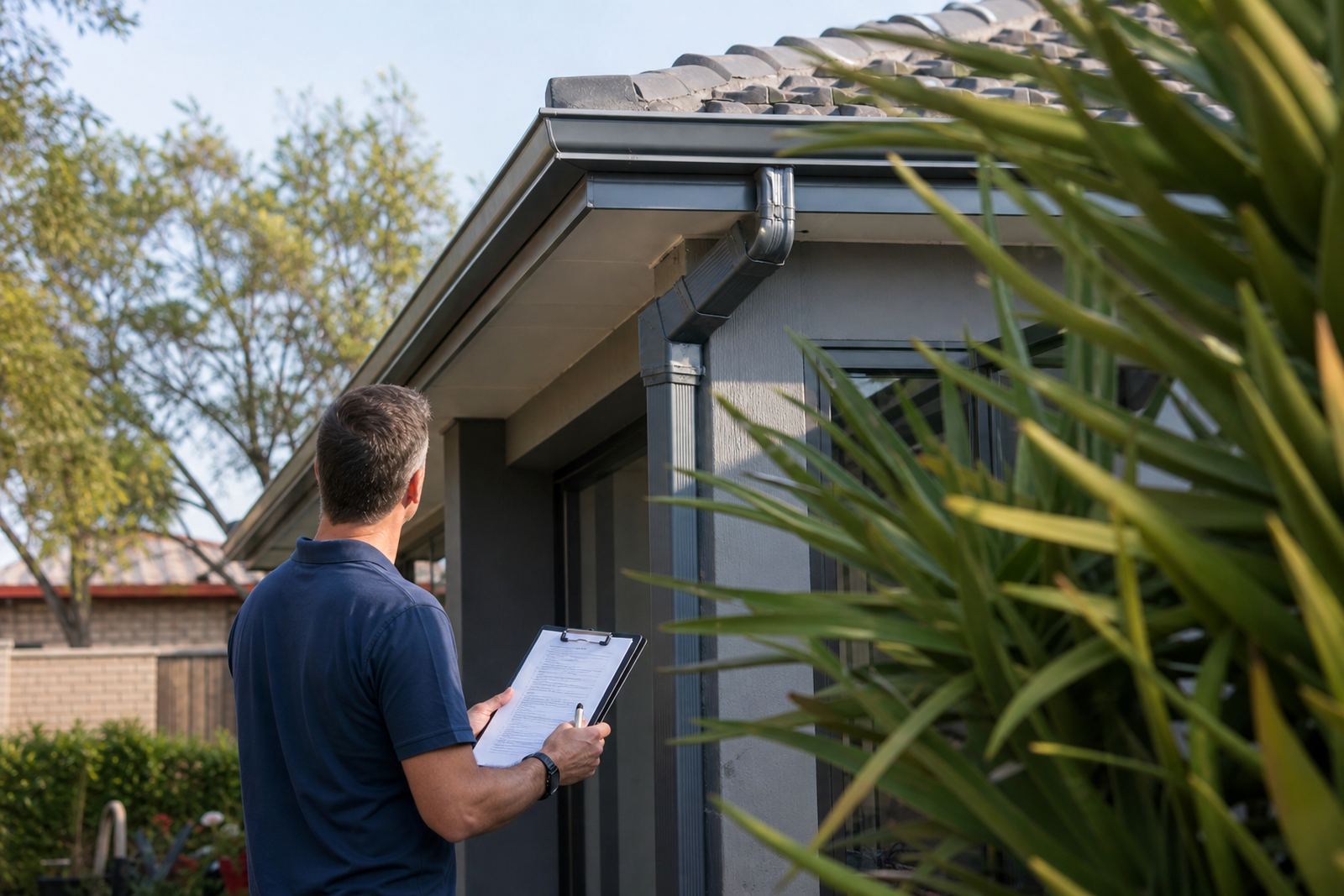
Before you look at colours or finishes, walk around the house and note the roof shape, the number of corners, and where water already runs off in heavy rain. Homes in Johannesburg, Durban, Cape Town and Polokwane all deal with different weather patterns, but the basic checks stay the same: where the water gathers, where it should discharge, and whether the fascia is straight enough to carry a gutter properly.
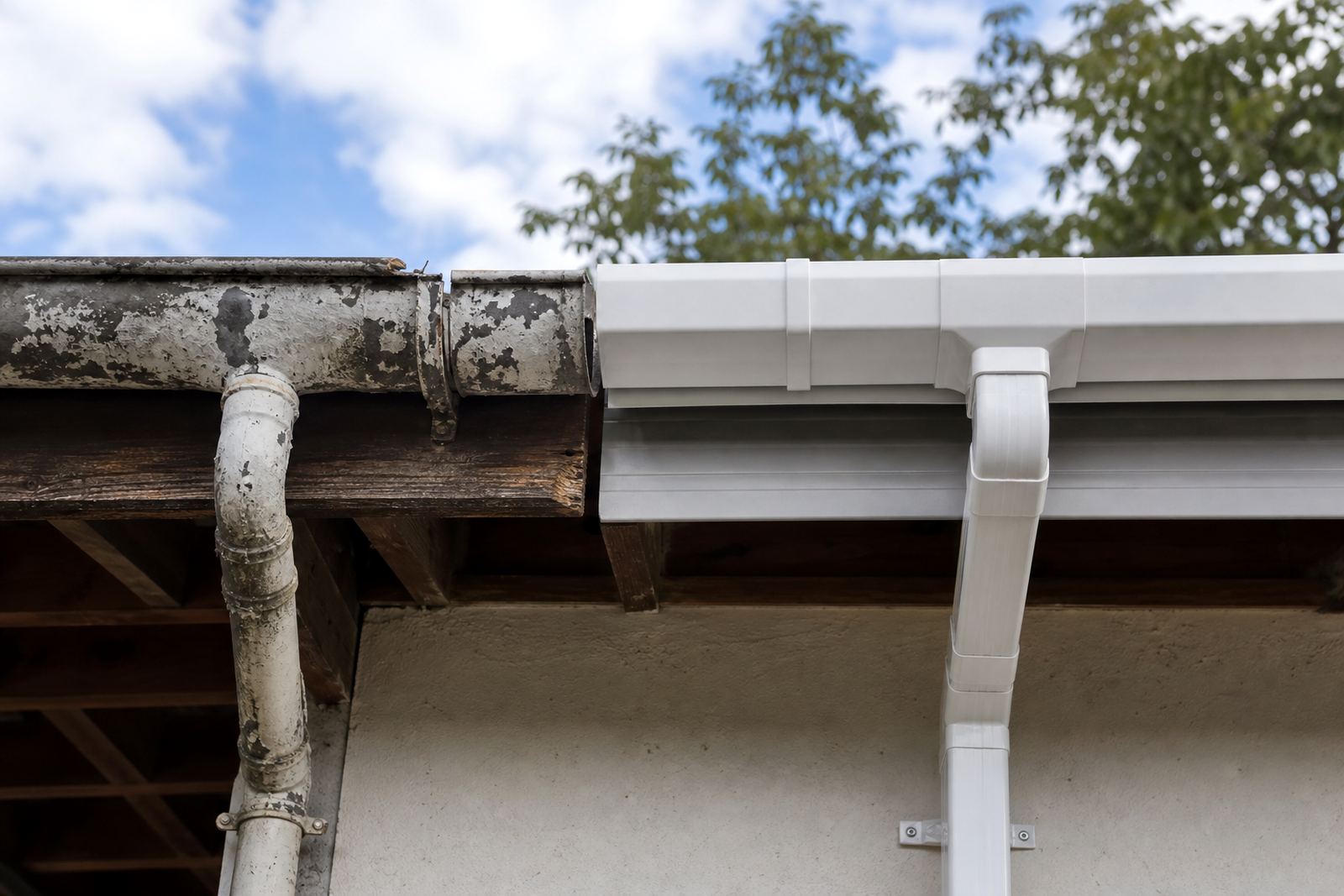
Take a close look at timber fascia boards, barge ends, parapet edges and any old metal that has rusted or buckled. A gutter line only performs well when the fixing surface is sound. If the fascia is soft, cracked or pulling away, that needs attention first or the new installation will not sit correctly and may move over time.
- Count all roof sections that need guttering
- Note corners, joins and roof valleys
- Check for rotten timber, rust or cracked edge boards
- Look for staining on walls, ceilings or paving near runoff points
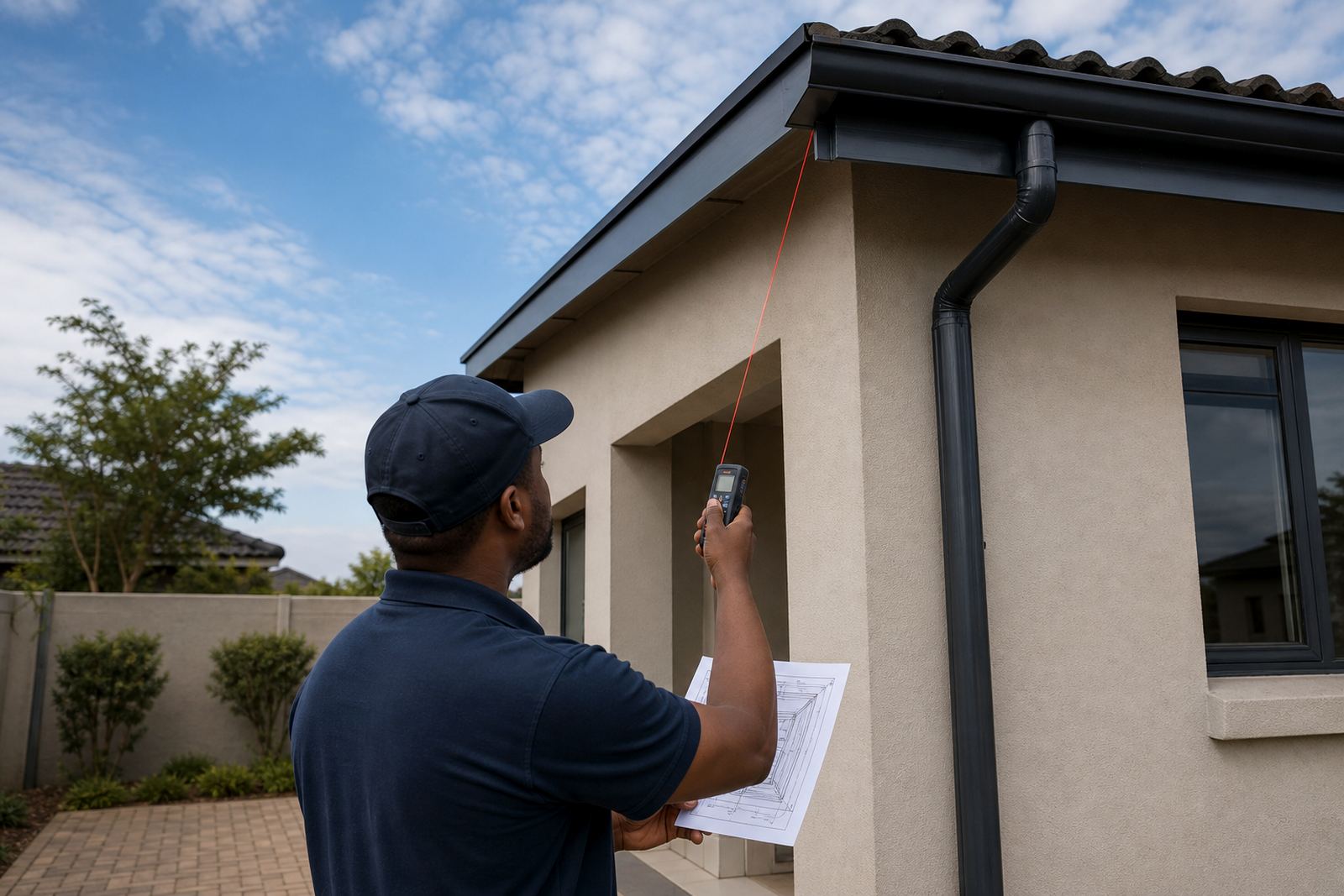
Measure the Water Path, Not Just the Wall Length
Many homeowners measure only the outside wall length, but gutters are sized from the roof edge and outlet points as well. The width of the roof, the pitch, and how much water reaches one run will affect the spacing of downpipes and the size of the channel. If a section is too long with too few outlets, water can overshoot in a storm and spill behind the gutter.
For most homes, a competent installer will check the roof fall and decide where the gutters need support and drainage. A gentle fall along the run helps water move towards the downpipe without standing in the line. Standing water leads to leaves, silt and added weight, which is hard on brackets and joints.
- Measure each roof edge separately
- Mark where downpipes can discharge safely
- Ask how the fall will be set on each run
- Record any long runs that may need more than one outlet
Choose Sizes That Suit the Rainfall and Roof Area
Gutter and downpipe sizing should suit the roof area, not only the look of the house. A small cottage in Randburg may need a different set-up to a larger commercial building in Pretoria or a coastal home in Durban with more wind driven rain. Composite gutter and fascia materials are often chosen because they cope well with moisture, heat and general weathering, provided the fixing system is correct.
Ask what gutter profile is being used, what downpipe diameter is planned, and whether the outlets are large enough for the volume of water. Bigger roof areas, longer runs and steep pitches can all push more water into the system. It is better to confirm that early than to add extra parts after the fitment is done.
- Check gutter profile and depth
- Confirm downpipe diameter for each outlet
- Ask if leaf build-up will affect narrow sections
- Make sure the selected size suits the whole roof, not just one side
Bracket Spacing and Fixings Are Worth Asking About
Good brackets carry the gutter evenly so it keeps its line in hot weather and after heavy rain. If fixings are too far apart, the gutter can sag between points, which makes water pond and can pull the line out of shape. On fascia work, the same rule applies: fixings must hold the board straight, with enough support at joins and ends.
It helps to ask how the brackets will be spaced, what kind of screws or fasteners are being used, and how corners and outlets will be supported. In older homes, especially where the timber has been patched over time, the installer may need to reinforce weak points before mounting the new line. That extra check saves alot of trouble later.
- Ask about bracket spacing along straight runs
- Check that corners and outlet points will have extra support
- Confirm the fixing method on timber, masonry or mixed surfaces
- Look for corrosion resistance in coastal or humid areas
Fascia Boards Need to Be More Than a Cover
Fascia boards do more than give the roof edge a neat finish. They close the gap between the roof structure and the gutter line, and they help keep pests, water and debris out of exposed edges. If the fascia is warped, split or badly aligned, it affects the whole gutter run. A straight fascia makes installation easier and keeps the line looking clean from the street.
When comparing materials, ask how the board handles moisture, sun and heat. In places with coastal humidity or strong afternoon sun, a fascia board needs to keep its shape and stay easy to maintain. Also ask how corners, joints and end caps are finished so the board does not open up after a season or two of weather.
- Check whether the old fascia can be repaired or must be replaced
- Ask how board joints are sealed and finished
- Confirm the colour or finish will suit the roof and wall tones
- Find out how the edge will be protected at corners and roof ends
Plan for Maintenance Before You Sign Off
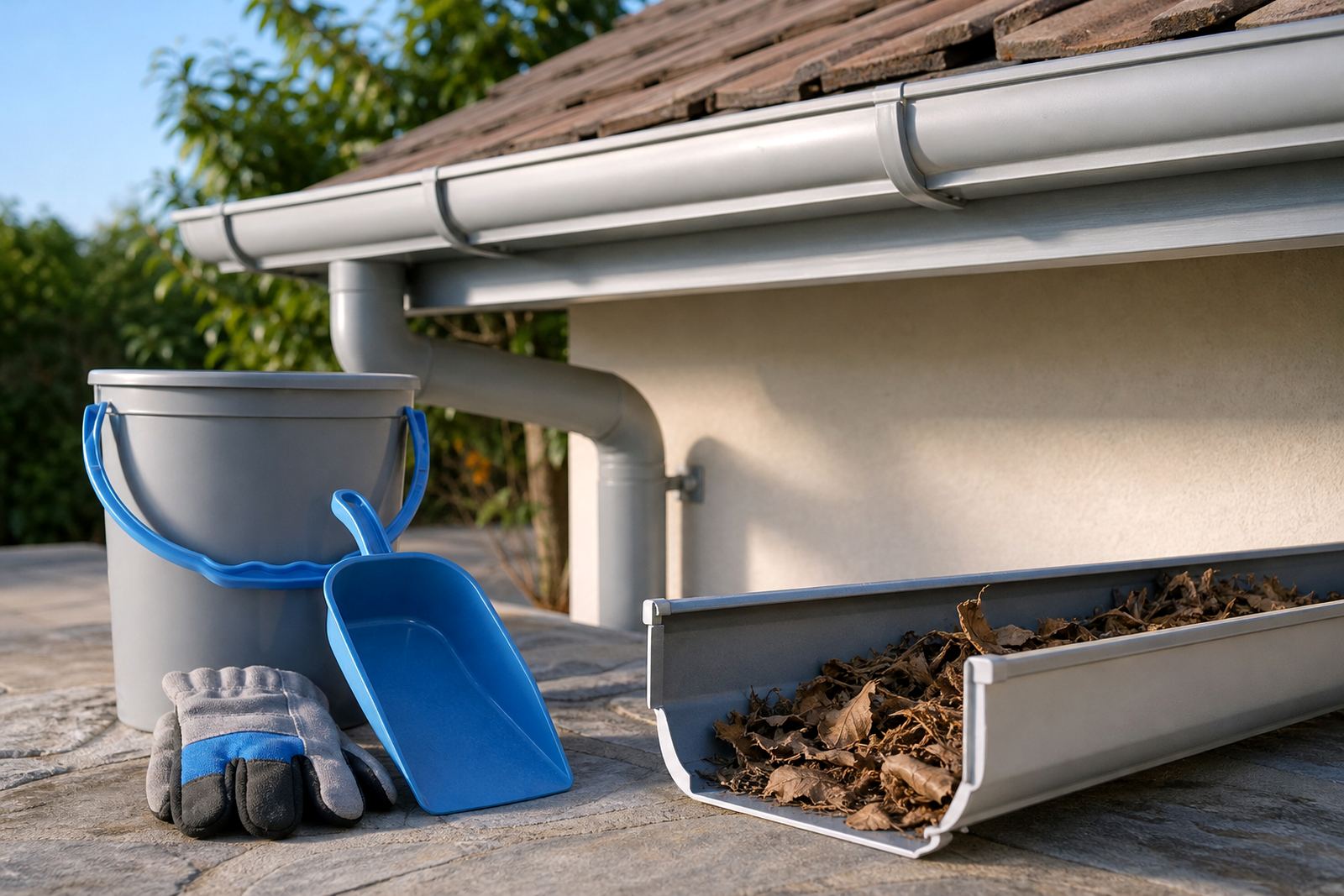
A gutter system should be easy to inspect, clean and keep clear. Leaves, bird nests, roof grit and dust build up faster than many homeowners expect, especially near trees or where the wind blows debris across the roof. A simple maintenance plan reduces blockages and helps you spot loose sections before they turn into leaks.
Make a note of which parts will need regular checking after storms, where ladder access is safe, and which downpipes should be flushed if water slows down. Roofing work at height must be done safely by competent people, so any repair or inspection above ground should be handled with care. If a section is difficult to reach, that should be part of the planning from the start.
- Ask how often the gutters should be cleared
- Check where debris is likely to collect
- Note which sections need safe access for future checks
- Keep a record of any leaks, drips or movement after heavy rain
What to Have Ready When You Ask for Supply or Installation
When you are ready to request material supply, site measuring or installation support, have the key details in one place. This makes it easier to compare runs, outlets and finishes without missing anything. Whether the work is for a townhouse in Midrand, a family home in Roodepoort or a larger property needing delivery to Cape Town or Polokwane, the same checklist helps keep the order accurate.
Prepare clear notes on the roofline, the areas that need replacement, and any trouble spots where water is already causing damage. If you are unsure about the right material mix, ask for homeowner advice or a site check. Good planning at this stage means fewer surprises when the ladders go up and the materials arrive.
- Roof edge lengths and number of runs
- Preferred finish or colour range
- Any visible leaks, rust, movement or rot
- Access details for delivery and installation
For homeowners, the most useful question is often the plainest one: will this system suit my roof and stay easy to look after? When that answer is clear, the rest of the job becomes much easier to manage.