
What fascia boards do under the gutter line
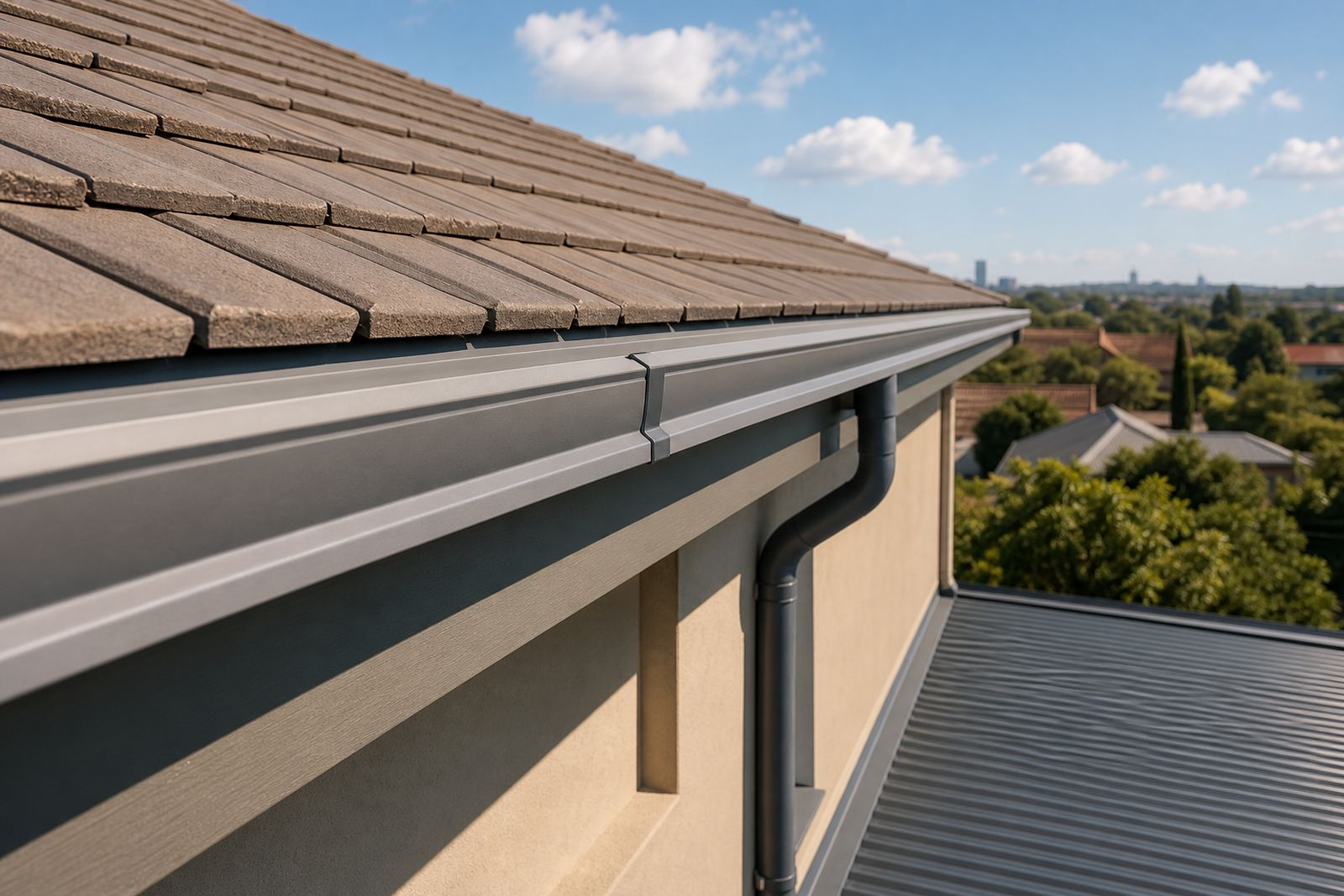
Fascia boards form the vertical face at the roof edge and give the gutter a firm, straight fixing point. They also help close off the ends of the roof structure so wind driven rain, dust and nesting pests have less chance of getting into the eaves.
On homes and commercial buildings, the fascia has to stay true to line because gutters depend on it for support. If the board twists, swells or softens over time, the gutter can lose its fall, hold water in low spots and start leaking at joints or outlets.
Material choices and how they look on a building
Fascia materials are chosen for both appearance and service life. In South Africa you will see timber, fibre cement, metal and composite products used on different roof types. Each one behaves differently in sun, rain and coastal air.
- Timber gives a natural finish but needs regular sealing, especially in humid areas like Durban or where summer storms drive rain into the roof edge.
- Fibre cement offers a straighter, low movement board, though the edges must be handled carefully during cutting and fixing.
- Metal fascia can suit modern builds and is often used where a crisp line is needed, but scratches and exposed cut edges must be protected.
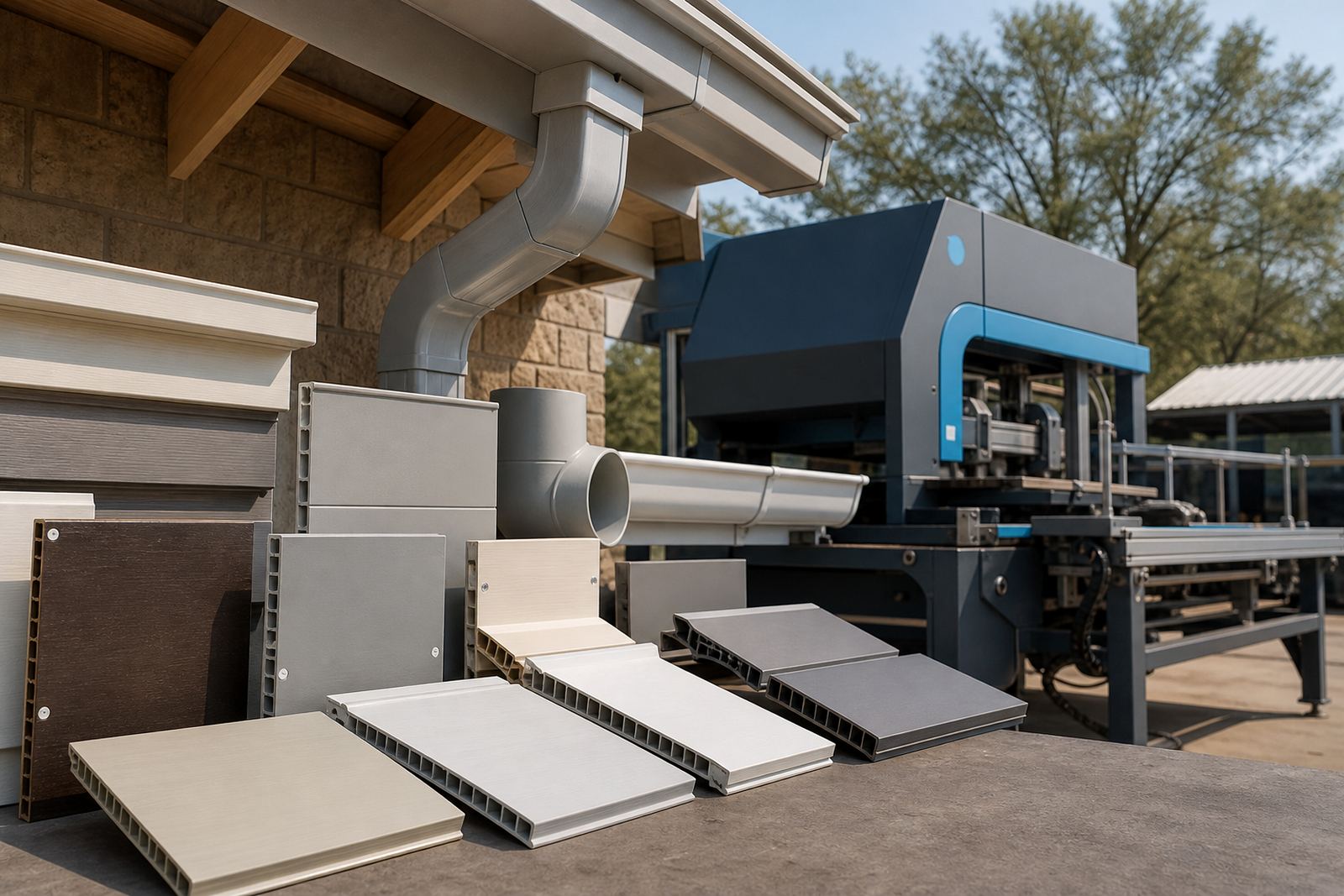
- Plastic-steel composite fascia boards combine a neat finish with better resistance to swelling and rot, which helps on buildings that face strong sun and repeated wetting.
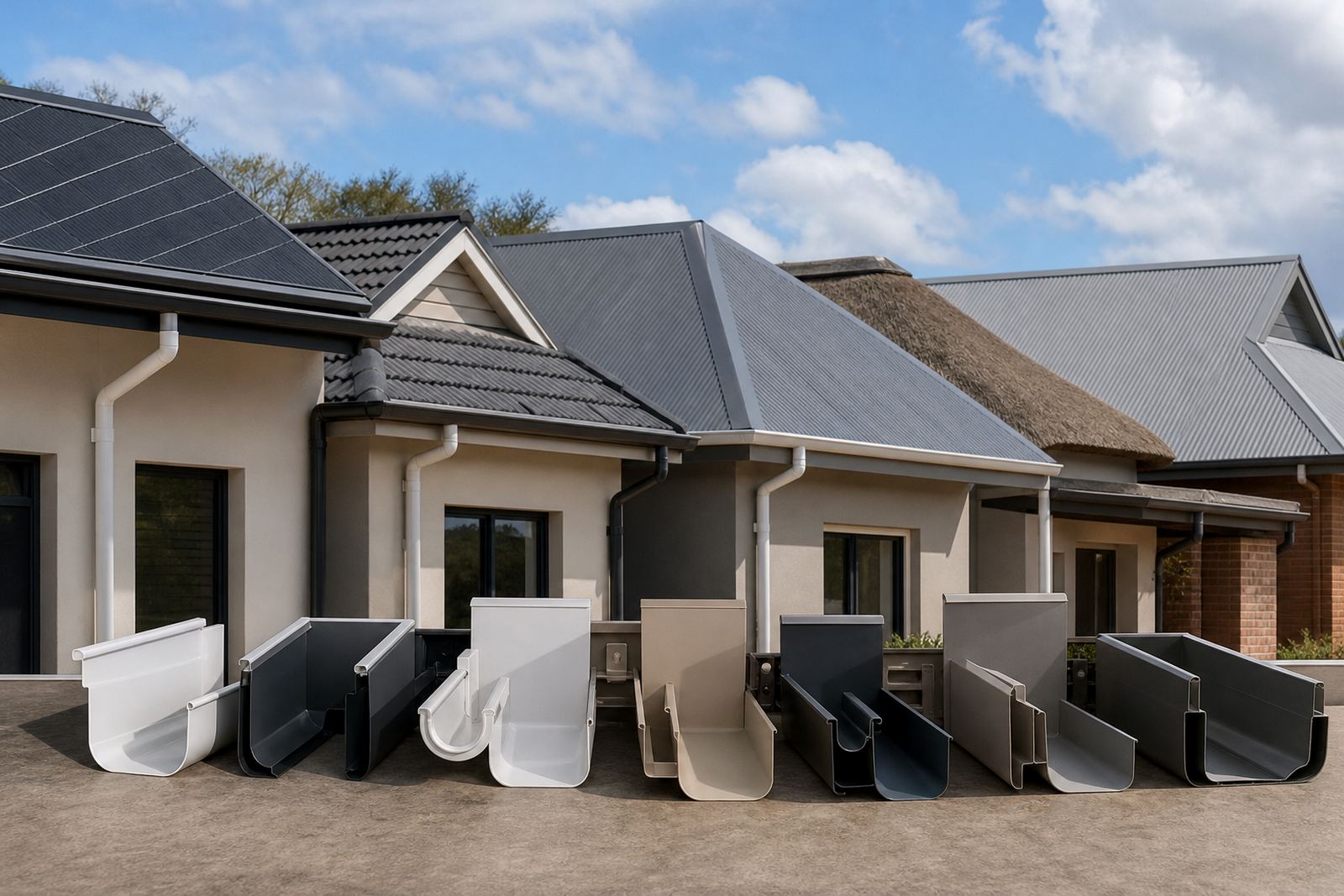
The visual effect matters too. A lighter fascia can make a roofline look sharper, while darker colours hide dust better on urban buildings in Johannesburg or Pretoria. On coastal properties, colour stability and corrosion resistance become more important than a perfect showroom finish.
Sizing, fixing and the support role behind the gutter
Fascia boards are sized to suit the roof build-up and the gutter profile, so accurate measuring matters. The board must cover the rafter ends properly and still leave enough edge for a secure gutter bracket or fascia bracket to bite into. If the board is too narrow or too thin, fixings can pull through over time.
Good installation starts with the line. The board should run straight, with neat joins over solid support and no dips that force the gutter to snake up and down. Gutters need a slight fall toward the outlet so water moves out cleanly. If the fascia line is out, the gutter line will be out too.
- Check that the board thickness suits the spacing of the supports.
- Match fixings to the substrate and the exposure level.
- Seal cut ends and joints where the product calls for it.
- Keep outlets and corners aligned with the planned gutter fall.
Upkeep in dry inland air and coastal humidity
Maintenance needs change with location. In dry inland conditions, dust and UV are the main enemies. On the coast, salt air adds extra pressure on fixings, joints and any exposed metal. In places like Cape Town and Durban, fascia boards and their fasteners need closer inspection than they might in a drier inland suburb.
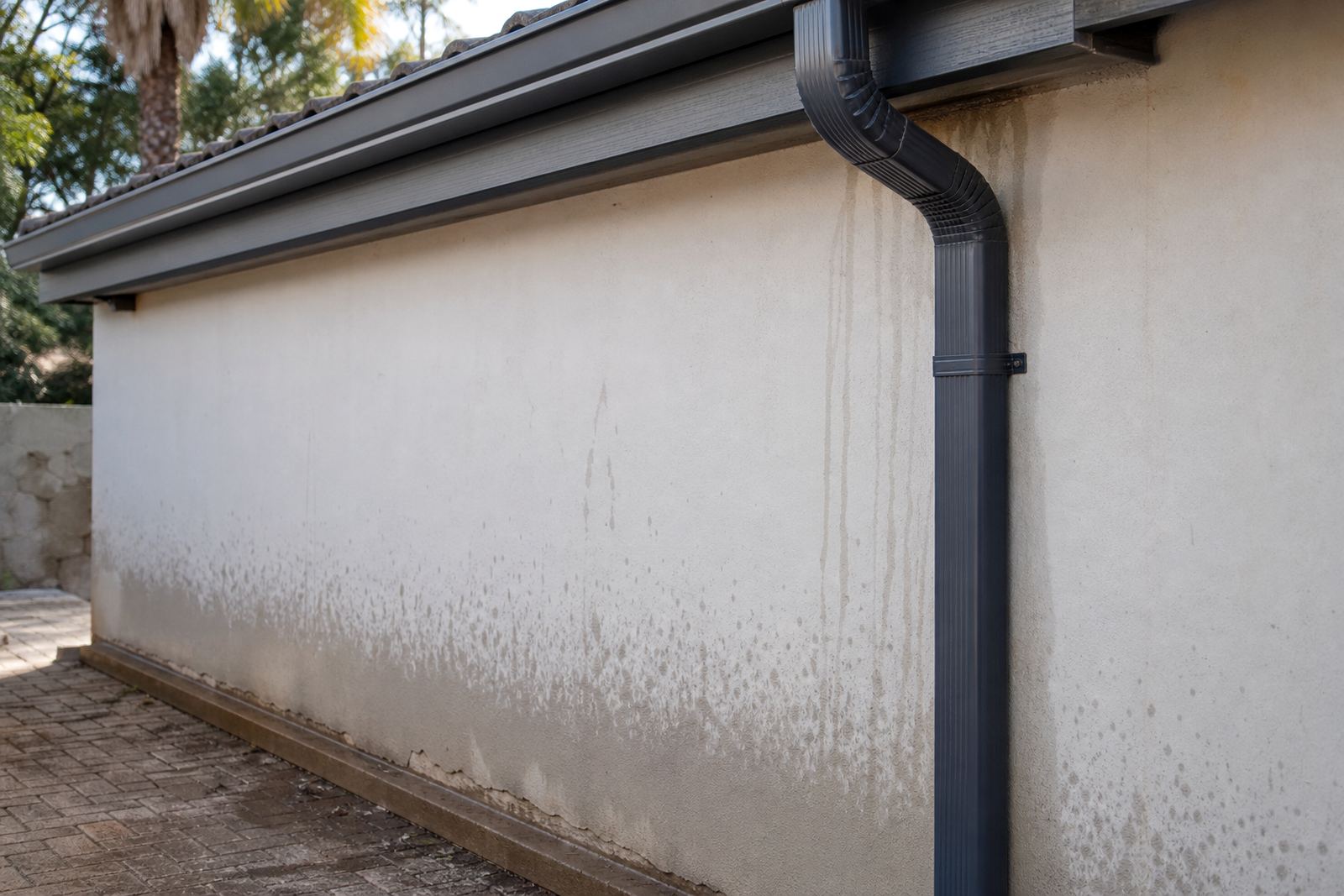
A fascia board that stays dry and securely fixed will last longer and keep the roof edge looking orderly. If you see stains below the board, open joints, soft spots or paint blistering, the cause may be a gutter that is holding water or a board that is taking in moisture from the edge.
- Inspect after heavy rain for overflow marks and loose brackets.
- Clear leaves and roof grit from the gutter before they sit against the fascia.
- Wash coastal salt build-up from accessible areas where safe to do so.
- Replace damaged sections before they start affecting the gutter run.
Where plastic-steel composite makes practical sense
Plastic-steel composite fascia boards suit projects that need a neat finish with lower day to day upkeep. They are useful on new builds, roofline replacements and upgrade work where the client wants a straight, consistent edge without the movement that can come with untreated timber. The composite core helps the board hold shape, while the outer finish gives the roof edge a tidy appearance.
For builders, the attraction is often consistency. Boards arrive in standard lengths, cut cleanly and are easier to keep aligned across long runs. For homeowners, the main benefit is that the fascia keeps its appearance with less attention, especially where roof edges are exposed to sun and rain for years at a time.
That said, no fascia material can compensate for poor workmanship. The roof edge still has to be measured correctly, fixed properly and checked for water entry points around corners, joints and roof penetrations.
A Kya Sand roofline example that shows the difference
On a house in Randburg with a long street-facing roof edge, a damaged timber fascia was allowing the gutter line to sag between supports. The result was water standing in the gutter after a storm and staining on the wall below the eaves. The replacement board had to match the roof profile, support a new gutter run and present a cleaner face from the street.
After the fascia was replaced with a composite board and the gutter brackets were reset to the correct fall, the roof edge sat straight again. The finish looked cleaner from the driveway and the gutter stopped carrying water where it should not. This kind of job is common on older suburban homes and on light commercial buildings where the roofline has taken years of sun and weather.
Working at height must always be handled by competent people with the right fall protection and access equipment. A good fascia board helps the roofline last, but safe installation is what keeps the job properly done.