
What the fascia must carry at the roof edge
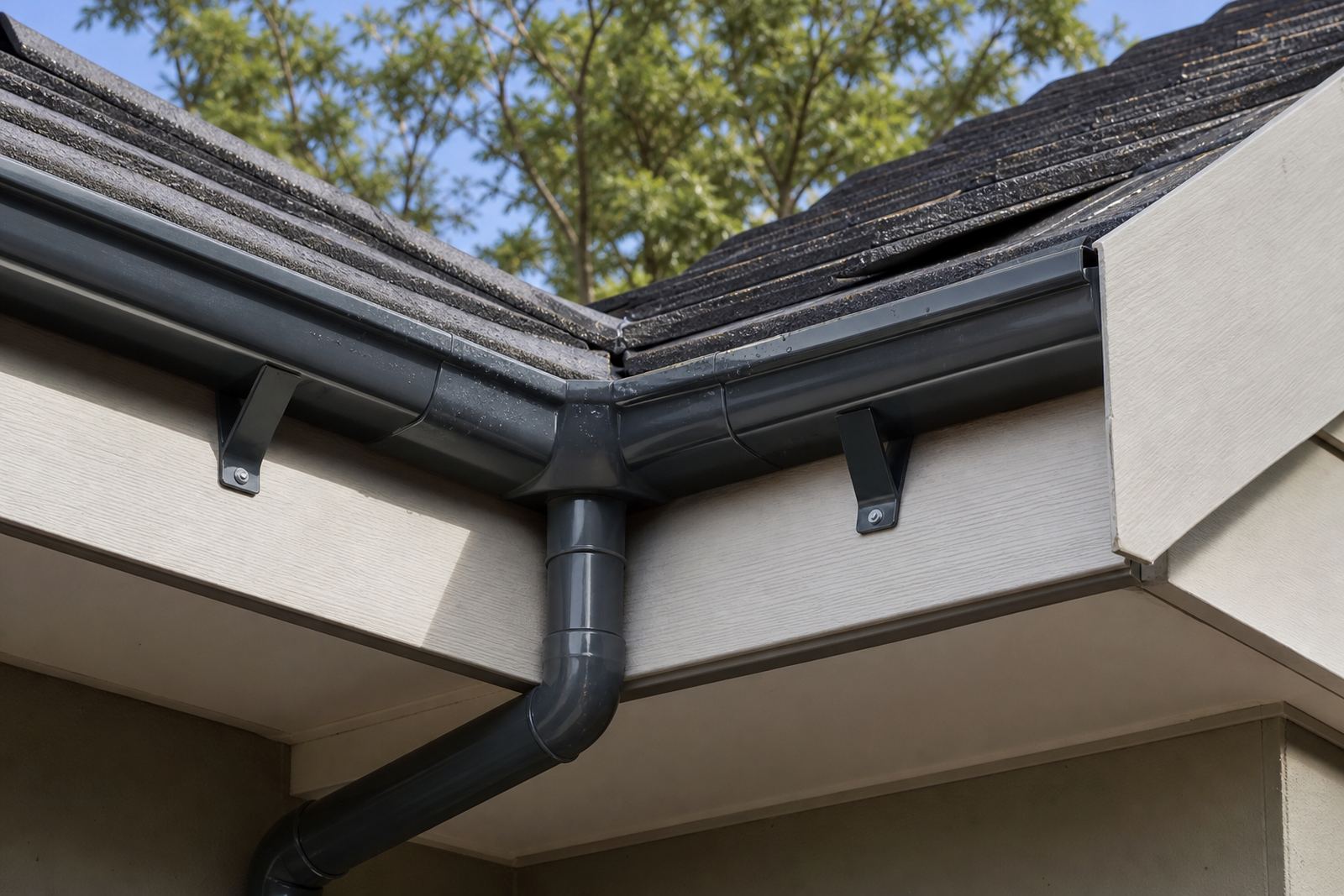
A fascia board sits on the roof perimeter and forms the fixing face for gutter brackets, end caps and, in many homes, the first neat line seen from the street. It also helps protect the rafter ends from moisture and wind driven rain. If the board is thin, twisted or fixed to weak timber, the gutter line starts moving out of shape long before the season changes.
In practical terms, the fascia should be straight, firmly fixed and sized to suit the roof edge and gutter profile. Where there are long runs, joins need to land on proper support so the board does not bow between fixings. Coastal humidity, hot inland sun and heavy summer rain all test the edge of a roof, so the support behind the fascia matters just as much as the material on show.
Sound fixing points keep the line true
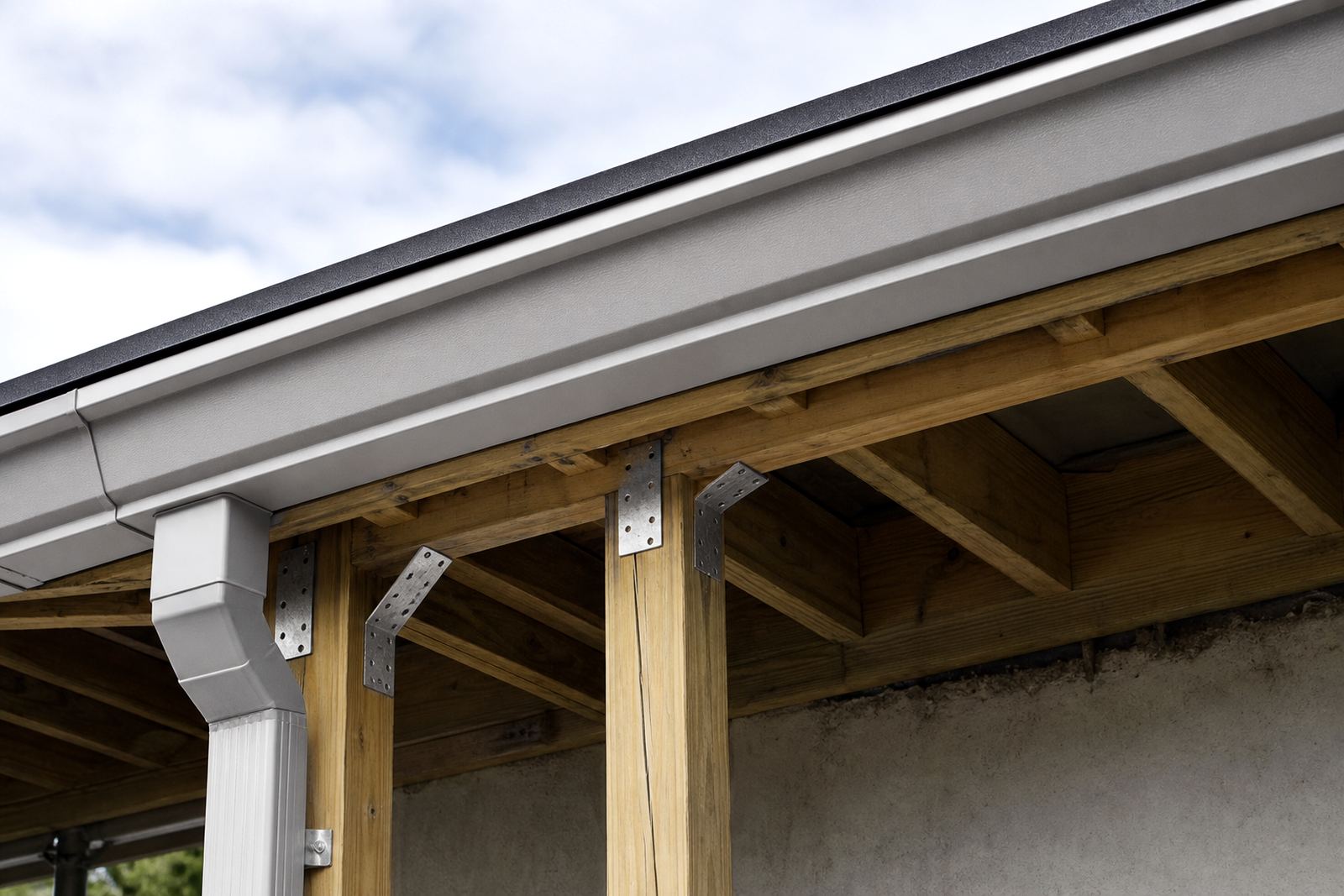
Fascia boards should be fixed to solid structure, not to loose ends or damaged timber that has softened after years of leaks. If the supporting rafter ends are rotten, cracked or out of line, the fascia will follow that movement and the gutter brackets will not sit level. That is when water begins to pond in the gutter, or overflow at one point while the rest looks fine.
On site, a competent installer checks the edge before new boards go up. If there is evidence of old water ingress, insect damage or sagging, the support must be repaired first. A neat finish depends on the hidden structure being right, and that is true whether the work is on a townhouse in Randburg or a larger roof in Pretoria.
- Check rafter ends for rot, splitting or movement
- Use fixings that bite into solid timber or approved structural support
- Keep joints over support points, not in open spans
- Set the fascia level before brackets and gutters are fitted
Getting gutter falls and bracket spacing right
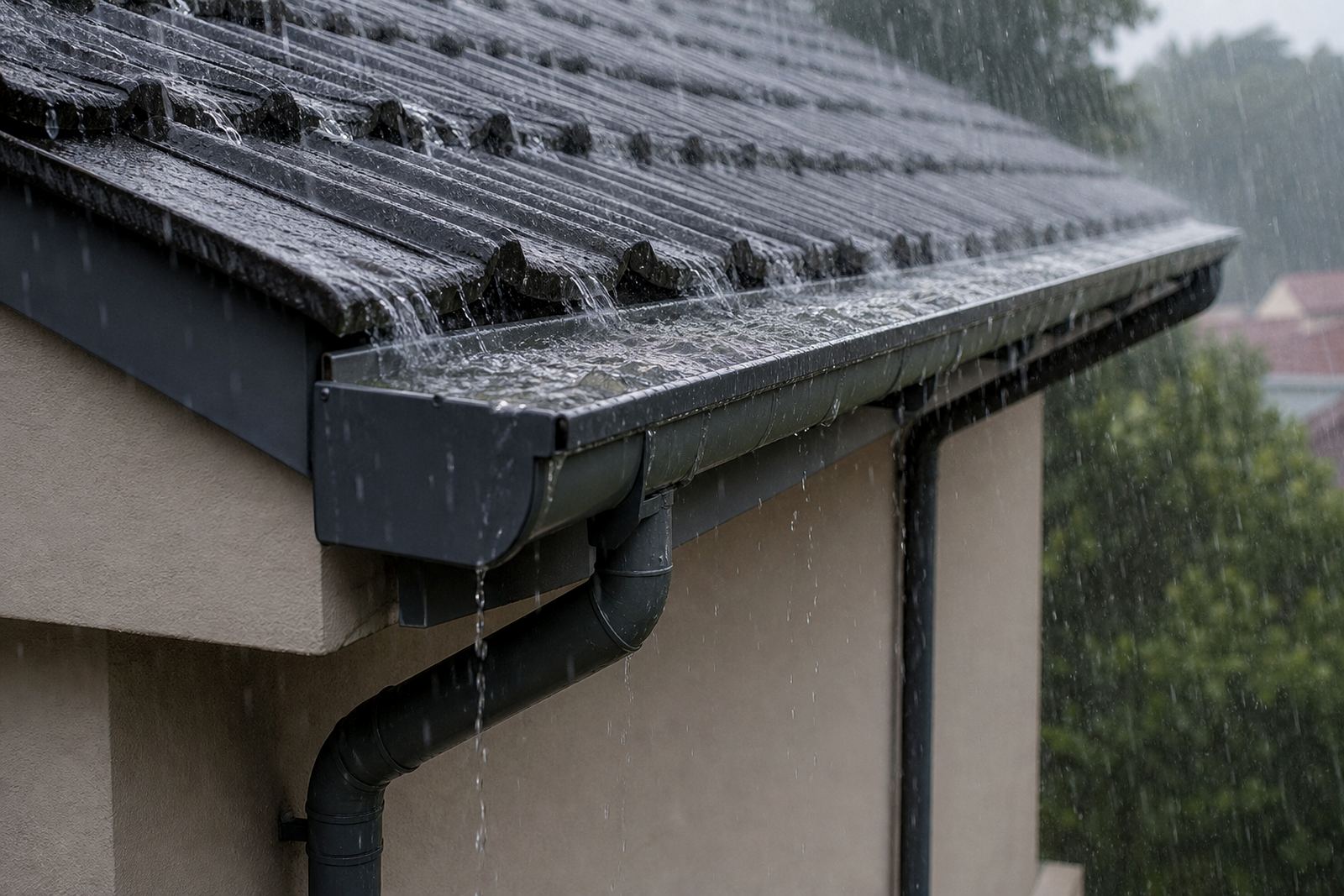
Gutters must fall gently toward the downpipe so rainwater moves away without standing in the channel. If the fascia line is not straight, the gutter line will not be straight either, and the fall becomes uneven. That can leave one section too flat and another section pulled tight, which is hard on the fittings over time.
Bracket spacing depends on the gutter profile, roof length and expected water load. A long run along a face in Durban will often need more care than a short run on a sheltered side, because intense rain and wind driven spray can put extra strain on the supports. The boards themselves must keep the bracket spacing consistent, otherwise the gutter starts to dip between fixing points.
- Set the first and last bracket before filling in the middle
- Use a string line or level to keep the fall consistent
- Allow for expansion on long runs, especially in strong sun
- Do not force a bent fascia to carry a straight gutter line
Plastic steel composite boards in South African conditions
Composite fascia boards are used because they combine a firm structure with material that copes better with moisture than plain timber in many situations. They are useful where the roof edge sees repeated wetting, or where homeowners want less routine painting. That said, the board still depends on correct fixing and good support behind it. Material choice helps, but it does not replace proper installation.
For builders working across Johannesburg, Cape Town and Polokwane, the key is matching the board size and thickness to the roof detail. A neat finish at the edge of the roof can only last if the board is fitted square, the joints are clean and the fixings are placed into sound support. In windy areas, a poorly fixed fascia can flutter slightly and loosens over time, which is never ideal.
A maintenance routine that saves rework
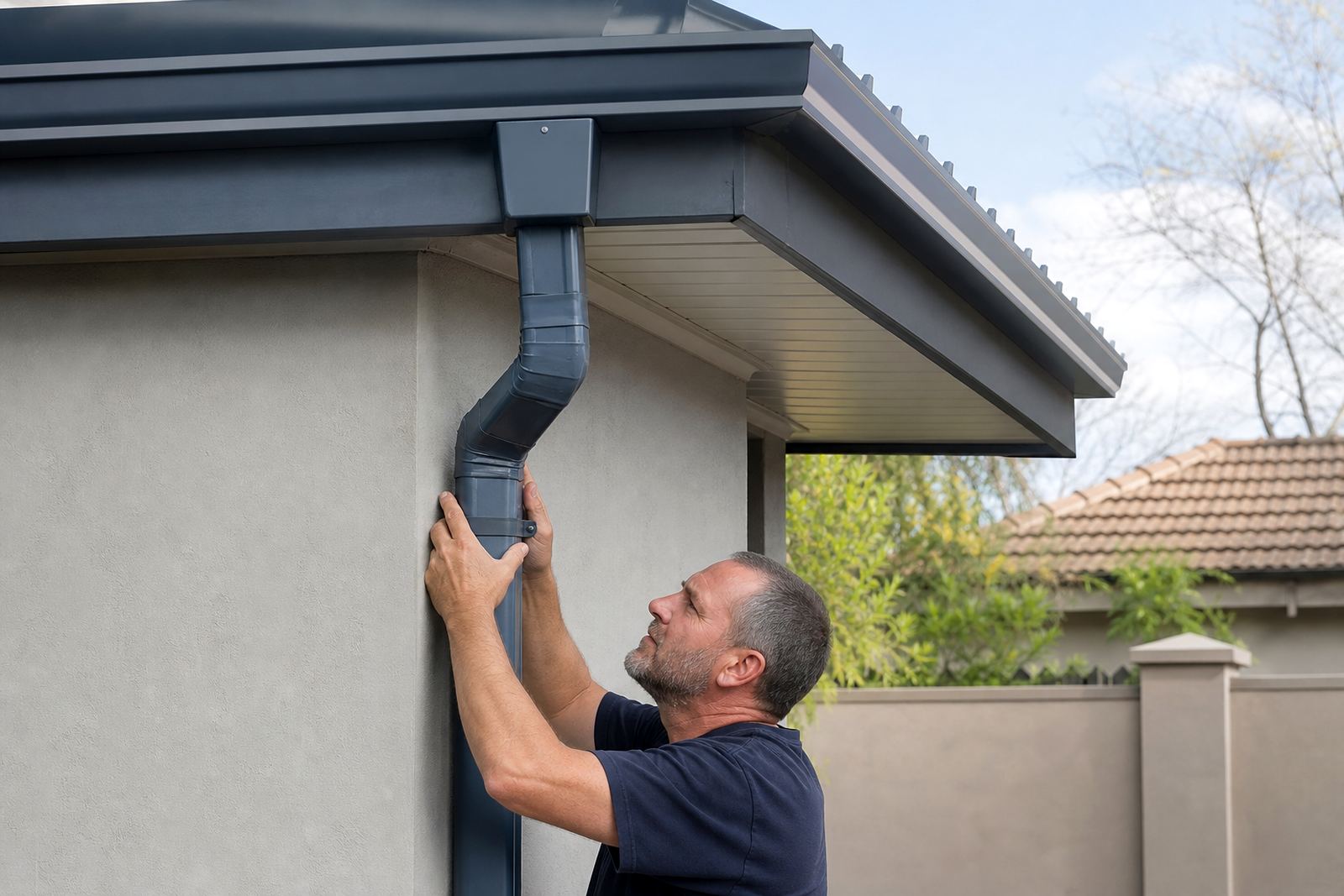
Fascia support does not need constant attention, but it does need a quick look at intervals. After heavy rain or a long dry spell, check for cracked sealant, lifted fixings, rust marks, sagging brackets or water lines behind the gutter. Small issues at the roof edge often show up as stains before anyone notices the board has moved.
Maintenance visits are also useful after roof repairs, solar work or repainting, because other trades can disturb the edge without meaning to. If a board has been cut to suit a repair and the support was not restored, the gutter line may shift. Catching that early is cheaper than replacing a full section later, and it keeps the fascia line looking straight. A small gap can let water in, then the timber behind starts to suffer.
A Kya Sand example from the roof edge
On a recent roofline job in the Kya Sand area, the fascia looked serviceable from ground level, but the gutter brackets were sitting at mixed heights. Once the old boards were removed, several support ends had softened from earlier leaks. The line could not be corrected until those fixing points were repaired and reset. Only then could the new boards and gutters sit level across the full run.
That is the practical lesson for any property, from a compact townhouse to a workshop or retail building. When the structure is sound, the board stays straight, the brackets hold properly and the gutter has a fair chance of doing its job through summer storms and winter rain.