Start with the catchment, not the gutter
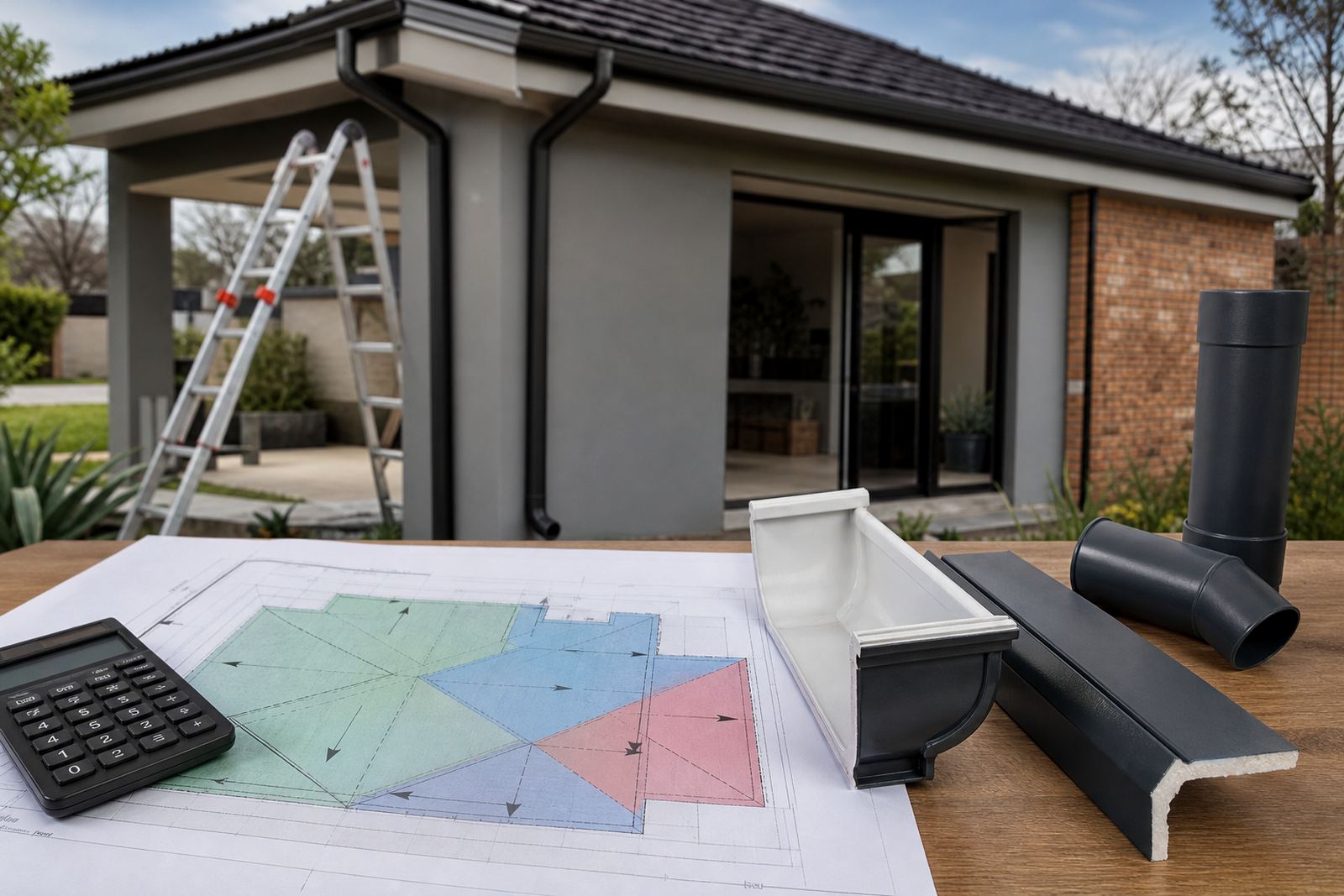
Runoff is the water that leaves the roof during rain, and the first figure to look at is the roof catchment area. In plain terms, that is the plan area of the roof surface feeding a gutter line, not just the length of the house. A wide roof on a short wall can move far more water than a long narrow roof with the same gutter length.
Practical sizing starts here. A small veranda in Randburg will behave differently to a double storey roof in Durban, where wind driven rain and coastal humidity add pressure to the whole roofline. The catchment area, roof pitch and local rain intensity all work together. A steeper roof sheds water faster, so the gutter needs to accept a sharper flow and the downpipe arrangement must clear it without backing up.
It helps to measure each roof face separately. That gives a better picture of where water is entering the system and where one run may need extra outlets or a larger downpipe. On larger homes and commercial buildings, a single long gutter run can collect a lot of water from one side of the roof, so a simple length count is not enough.
How roof pitch changes the water load
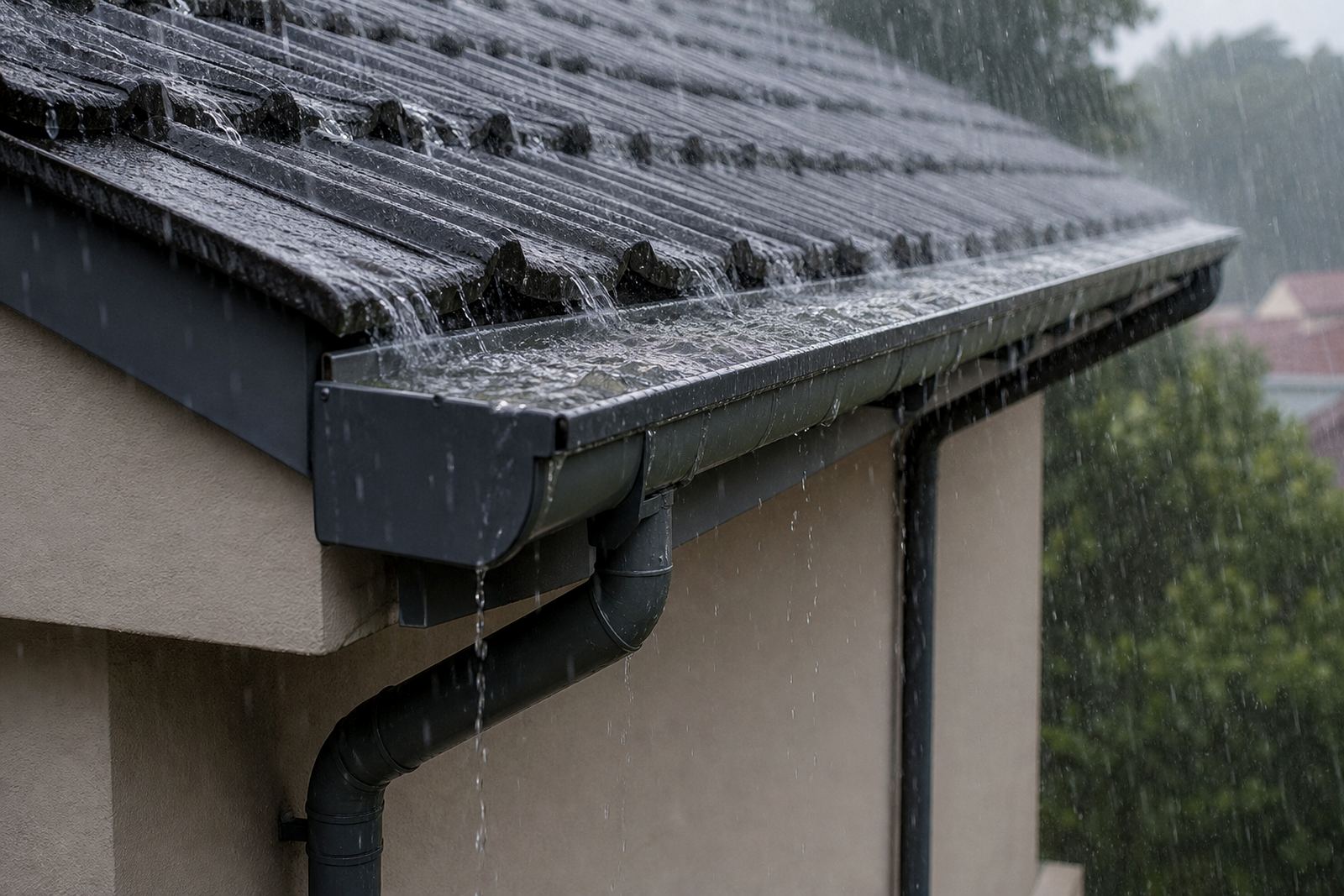
Pitch affects the speed at which water reaches the gutter. A low pitch usually sends water more slowly and evenly, while a steeper roof can concentrate flow after a heavy burst of rain. In practice that means the same gutter profile can perform very differently depending on the roof shape and the way the sheets or tiles are laid.
Roofing work at height must be handled safely by competent people, especially where ladders, edge protection and wet surfaces are involved. When the roof is being measured or checked, the condition of the fascia, brackets and existing fixings should also be noted. If the board line is uneven, the gutter will not hold a consistent fall and water can sit in low spots.
- Low pitch roofs may need careful outlet placement to avoid pooling at the far end.
- Steeper roofs often need better control at the entry point so the gutter does not splash over.
- Long roof faces can benefit from more than one downpipe to break up the load.
The point is not to guess. A practical assessment of the roof shape gives a better result than relying on the length of the wall alone.
Gutter size, fall and outlet spacing
Gutter sizing is tied to how much water it must carry and how quickly that water must move to the downpipe. A gutter with too little capacity can overflow at joints, while one with poor fall can hold water and debris. The fall is the slight slope along the gutter run that helps water move towards the outlet. Too little fall and the system drags; too much and the line can look uneven or place stress on the fixings.
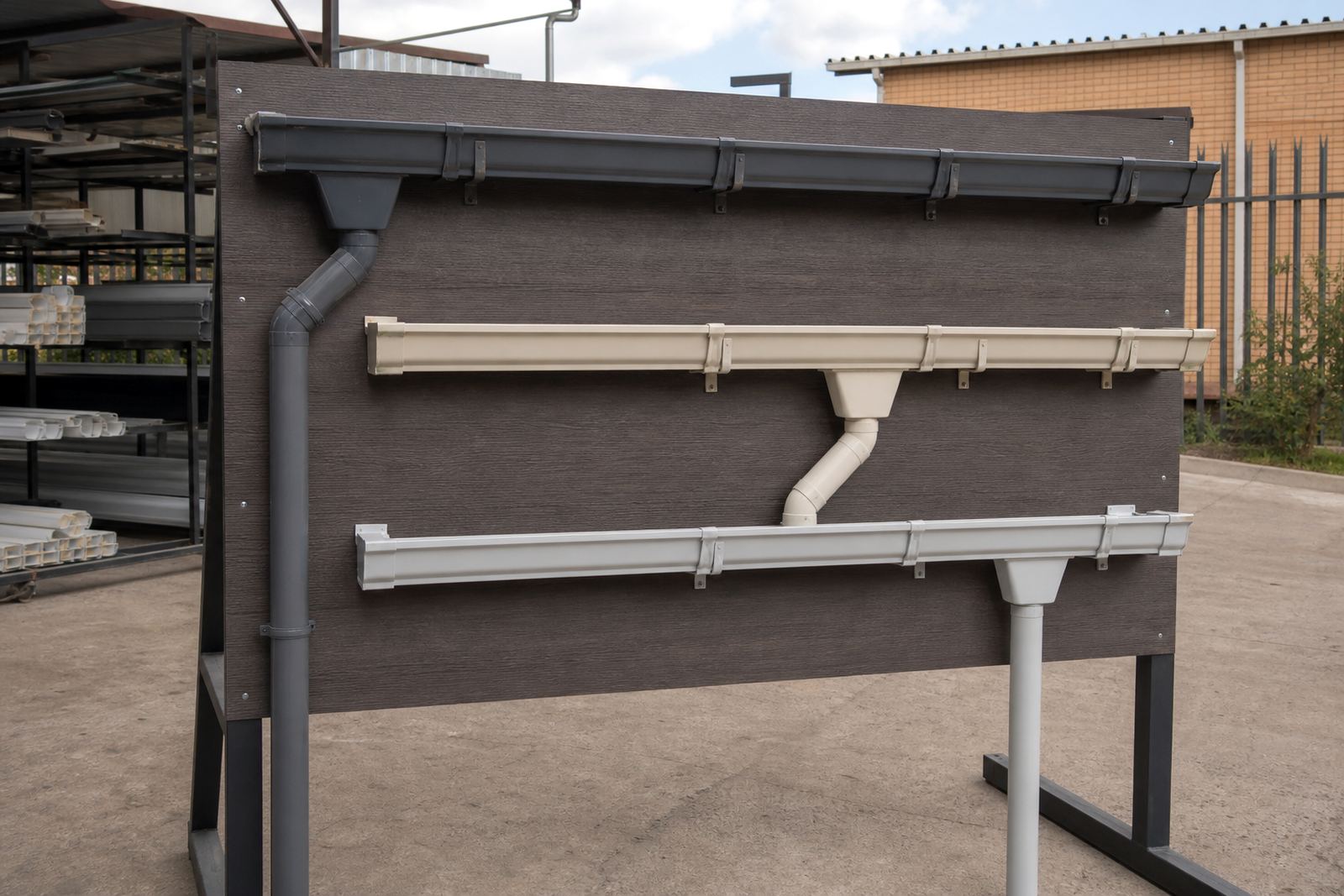
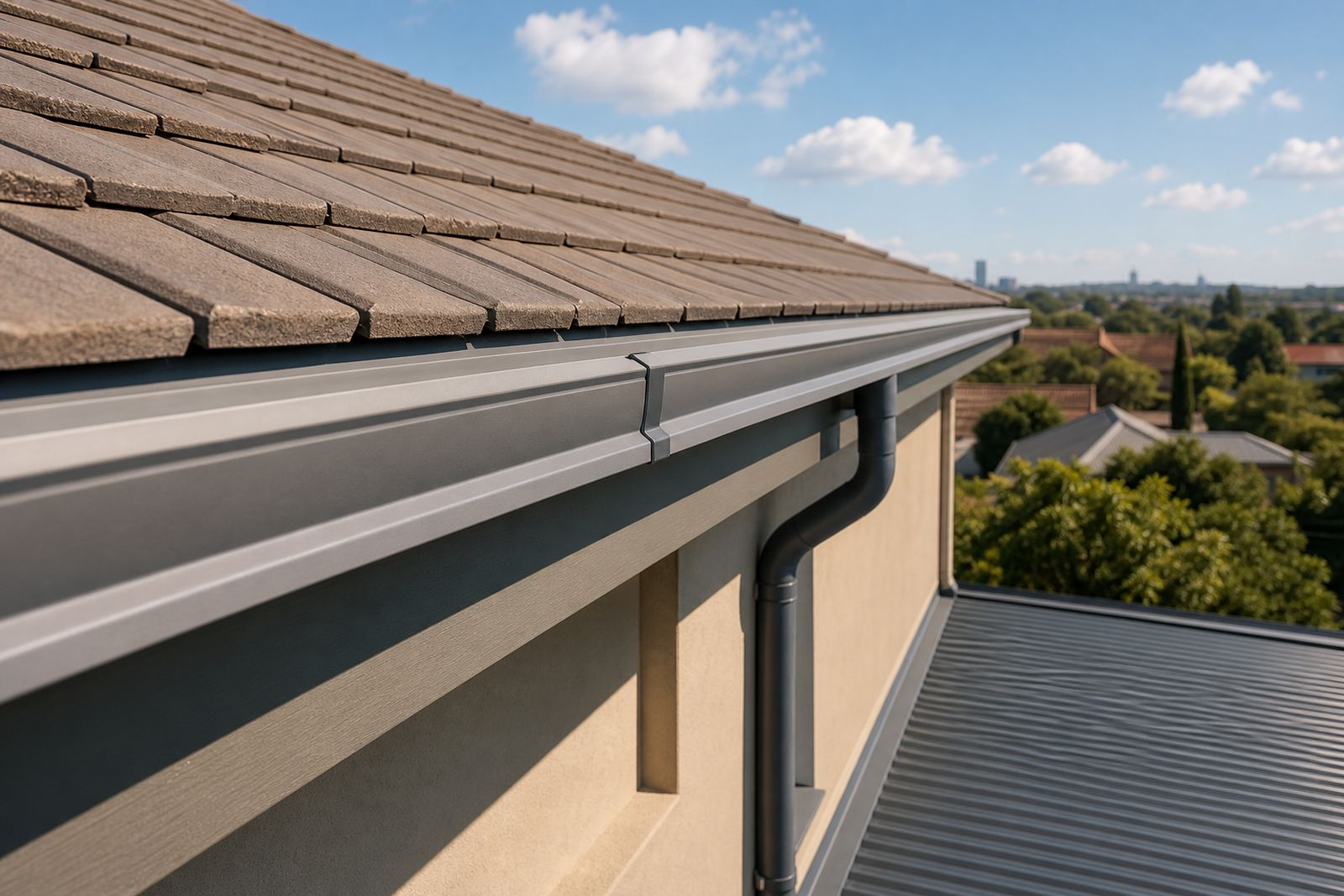
Brackets must be spaced to suit the material, the loading and the length of the run. If they are too far apart, the gutter can sag over time, especially in hot weather or where the roofline is long. Fascia boards must be straight, sound and fixed properly, because they support the whole line. A damaged fascia board will make even a good gutter system behave badly.
- Check that the gutter fall is consistent from end to outlet.
- Keep outlet positions clear of joints where possible.
- Use bracket spacing that suits the profile and expected water load.
- Match the gutter size to the roof area, not only the wall length.
On residential homes in Pretoria or Polokwane, this can be the difference between a clean run and a line that spills onto paving every heavy storm. A neat installation still has to move water efficiently.
Downpipes do the real discharge work
Once water reaches the gutter outlet, the downpipe takes over. This is where bottlenecks often show up. A roof may have enough gutter capacity, but if the downpipe is too small or badly placed, water builds up at the outlet and overflow starts at the fascia line. The downpipe run should be direct where possible, with bends kept sensible and discharge points arranged so water does not undermine walls or paving.
In South Africa, builders often need to think about where stormwater is being led. Municipal rules may affect discharge routes, especially where water is being directed into street flow, drains or soakaway points. On some sites the practical answer is to keep runoff controlled on the property and away from entrances, boundary walls and foundations. That is especially important where clay soils hold water after rain.
For a light commercial roof in Midrand or a larger home in Cape Town, the number of downpipes should suit the roof area feeding each gutter line. More outlets can reduce pressure on a long run, while fewer outlets can work on compact roof sections if the fall and gutter profile are appropriate.
Plastic-steel composite boards in harsh weather
Fascia boards and gutters face sun, heat, salt in coastal air and regular wetting. A plastic-steel composite suits that kind of exposure because it combines a shaped outer material with structural support, helping the roof edge hold its line over time. In places like Durban and the Cape coast, humidity and salty air can be hard on ordinary roofline materials, so the board and fixing method matter as much as the visible finish.
Good roofline work is not only about appearance. The board must stay straight, take fixings properly and allow brackets to sit securely. If the fascia twists or swells, the gutter line follows it. That is why material choice, fixing detail and installation quality are all linked. On a new build, it is easier to set the line correctly from the start. On a replacement job, the old edge should be checked for rot, movement or hidden damage before new materials go up.
Composite materials also help with maintenance. A clean, stable board makes later inspection easier, and that matters when checking for blocked outlets, loose brackets or signs of overspill after heavy rain.
A Kya Sand example that makes the numbers real
Take a typical Kya Sand industrial edge building with a large pitched roof feeding one long wall line. The roof area is bigger than it first looks because the sloped surfaces collect more water than the wall length suggests. If the gutter line has only one outlet near the middle, the far end may carry too much water during a fast summer downpour. A better arrangement would be to split the load, place outlets where water naturally gathers and make sure the fascia line stays straight enough for the fall to work.
For a homeowner, the same thinking applies to a patio roof or a front elevation in Roodepoort. Water should move away from the structure without splashing onto steps or running across a driveway. A small adjustment in outlet position or bracket spacing can make a noticeable difference.
- Measure each roof face separately.
- Check where the water reaches the gutter in heavy rain.
- Place downpipes to shorten the heaviest travel distance.
- Keep discharge clear of walls, paving and entrances.
Good runoff planning is practical work. It is not about making the roofline look busy, it is about matching the roof area to the parts that carry the water safely away.