What soffits and fascia boards do at the roof edge
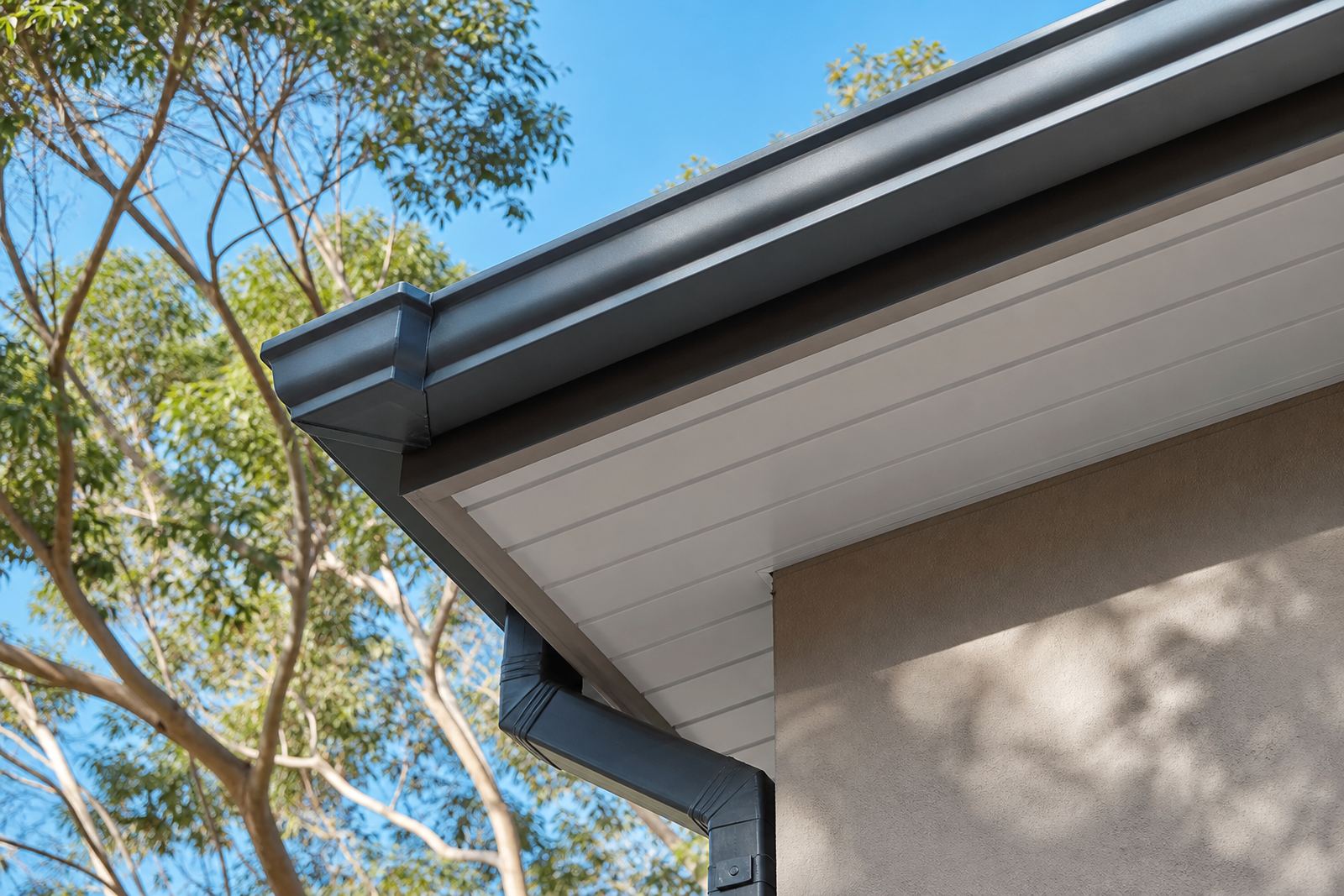
Soffits close off the underside of the eaves and help give the roofline a clean finish. Fascia boards run along the outer edge of the roof and form the front face that gutters are fixed to, so they have to stay straight, stable and able to take the weight of a full gutter when rain is heavy.
On homes and light commercial buildings, these parts do more than tidy up the roof. They help protect timber ends from weather, reduce the chance of birds and debris getting into open spaces and make the gutter line easier to keep aligned. In coastal areas like Durban, damp air and salt can punish poor quality materials, while inland sun and heat around Johannesburg and Pretoria can warp boards that are not made for exterior use.
- Soffits close the underside of eaves
- Fascia boards finish the roof edge and support gutter brackets
- Good alignment helps water run to the outlets without standing in low spots
Sizing the roof edge for a proper fit
There is no single size that suits every roof. The depth of the eaves, the roof pitch and the spacing of rafters all affect what width of fascia board is needed and how the soffit should be closed off. On larger roofs, the board must be straight enough to carry the gutter line without visible dips. That matters because a gutter with even a small belly can hold water, dirt and leaf matter.
When measuring, the lengths, corners, joins and drop positions all need to be checked before material is cut. A careful material takeoff saves time later and helps avoid short lengths or unnecessary joints. Builders often work with standard board lengths and then trim on site to suit the roof, while homeowners replacing a tired roof edge may need a mix of straight runs, corner pieces and trim sections.
- Check eaves depth before ordering boards
- Allow for corners, laps and waste on longer runs
- Match board size to the gutter profile and bracket spacing
Composite materials that handle local conditions
Plastic-steel composite roofline materials are chosen for a reason. They suit South African conditions where the roof edge can be exposed to hard sun, wind-driven rain and in some places coastal humidity. A composite board can give the clean look of a finished fascia with added stiffness, which helps it stay true over time if installed correctly.
For builders, the main benefit is consistency. Boards that arrive straight and uniform are easier to fix, especially on long runs where small errors show up quickly. For homeowners, the practical advantage is less fuss with cracking, swelling or repainting compared with some traditional materials. That said, even good material still needs correct fixing and proper support underneath.
- Useful where moisture and heat are both a concern
- Suitable for residential and commercial roof edges
- Best installed on sound framing with proper fixings
Gutter brackets, falls and the parts that stop water pooling
The fascia is only part of the job. The gutter line needs the correct fall so water moves to the outlet without standing still. If the fall is too flat, the gutter can hold water and leave dirt stains or overflow during a strong storm. If it is too steep, the line can look uneven and the brackets may not sit neatly against the board.
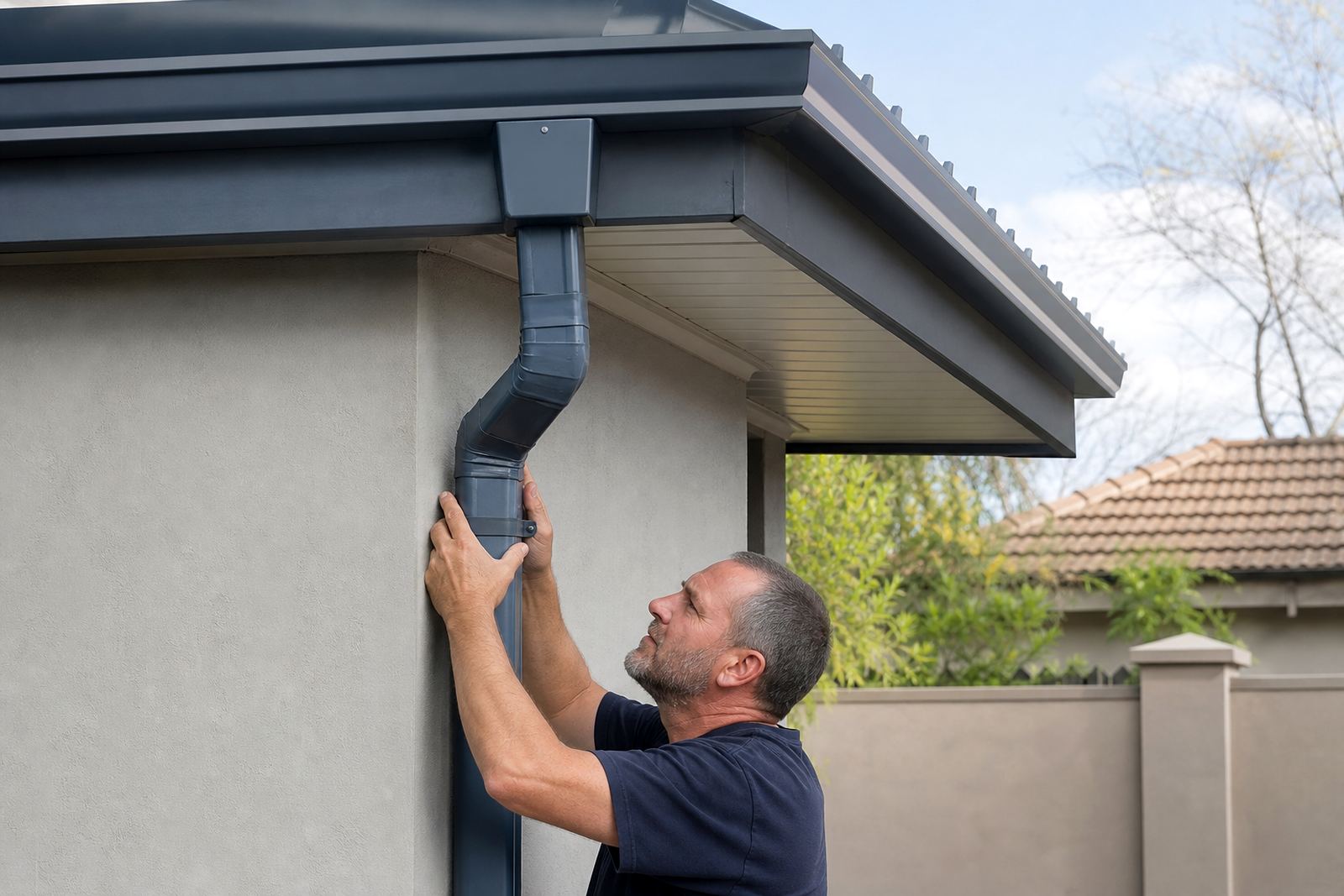
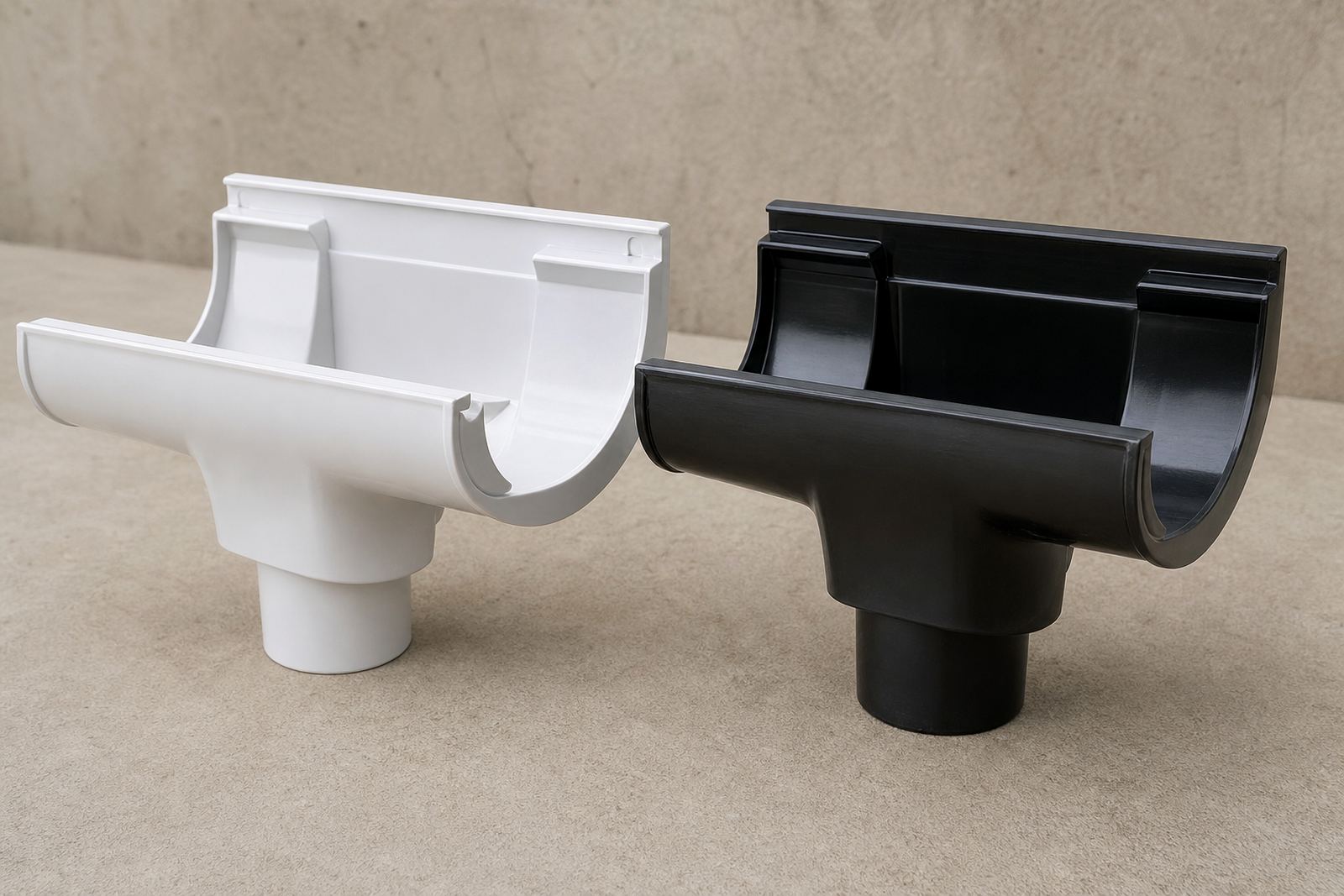
Bracket spacing also matters. If brackets are too far apart, the gutter can sag once it fills with water. If they are too close, the line may be overworked with unnecessary fixings. The outlet, downpipe position and any changes in roof direction must be planned together, because a neat fascia board will still fail the job if the drainage layout is poor.
- Set a gentle fall towards the outlet
- Keep bracket spacing consistent along the run
- Use sound fixing points, especially near corners and joins
Installation points builders should not miss
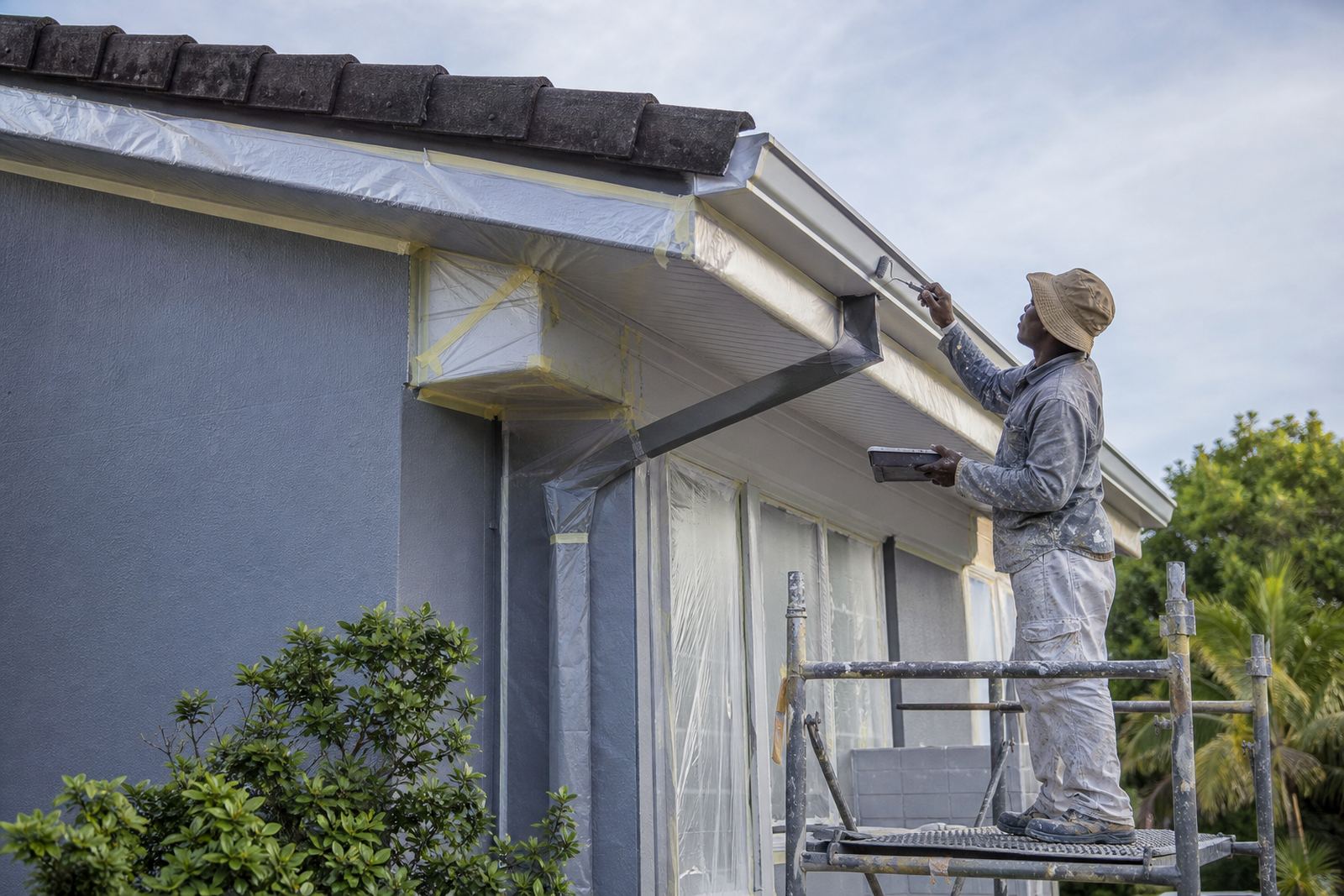
Roofline work is done at height and must be handled by competent people with safe access equipment. The edge may look straightforward from the ground, but once ladders, cutting tools and long boards are involved, the work needs proper control. A good installation starts with checking the substrate, any old timber damage and the exact line of the roof.
On replacement jobs, it is common to find hidden rot or old leaks at the eaves. Those issues should be sorted before new fascia or soffits go up, otherwise the new finish only covers an existing problem. At Kya Sand and across Randburg supply jobs, we often see builders working on extensions where the roofline changes from one section to the next. In those cases, matching the board line across different roof heights takes patience and accurate marking.
- Use safe access and competent installers
- Inspect for rot, damp or failed fixings before covering the edge
- Keep cut ends neat and sealed where needed
Maintenance that keeps the roof edge tidy for longer
Fascia and soffit systems are not difficult to maintain, but they do need regular checks. Leaves, dust and nesting material can build up in gutters and under the eaves, especially after windy weather. If water is spilling over the front edge, look first at the outlet, the fall and any blocked section before assuming the board has failed.
In places like Cape Town, winter rain can expose small drainage issues quickly. In Polokwane or Pretoria, intense sun can highlight colour fade or movement if the board was fitted badly. A simple maintenance visit can catch loose brackets, cracked sealant or a slipped gutter clip before those problems spread into the roof space.
- Clear debris from gutters and check outlet flow
- Look for loose brackets or sagging sections after heavy rain
- Check the fascia line for movement, stains or visible gaps
A practical roofline for homes and projects across South Africa
Plasteel supplies plastic-steel composite gutter, downpipe and fascia materials for builders and homeowners working across Johannesburg, Pretoria, Durban, Cape Town and Polokwane. That includes supply from Kya Sand, Randburg, plus delivery and support for roofline replacement, leak checks, maintenance visits and builder support on site.
For a new build, the right roof edge details can save trouble later. For a repair, the key is to measure accurately, match the existing roof line and choose materials that will hold shape in sun, wind and heavy rain. Whether the job is a small house in Roodepoort or a bigger commercial roof in Midrand, the same basics apply: proper sizing, correct falls, strong fixings and safe work at height. Those are the parts that make a roof edge last.
- Good roofline work starts with accurate measuring
- Matching fascia, soffit and gutter details keeps the finish tidy
- Delivery and supply can be coordinated for builders and homeowners