
How delivery is arranged for your roofline order
Delivery is planned around the material list, the site address and the access available for the vehicle. For builders, we normally work from the approved takeoff and site measure so the right lengths, brackets, corners and downpipe parts are sent together. For homeowners, a clear description of the roofline area helps avoid short loads or missing fittings.
Orders moving into Johannesburg, Pretoria, Durban, Cape Town, Polokwane and nearby areas are grouped according to route and load size. When a roofline replacement is being done in phases, the delivery can be split so fascia boards, gutters and downpipes arrive in the correct sequence for the work on site.
Lead times and routing from Kya Sand
Lead time depends on stock status, the size of the order and the delivery area. Smaller supply runs within Randburg, Roodepoort and Midrand can usually be grouped with other local drops, while larger loads heading to coastal or outlying areas need more route planning. Sites in Durban and Cape Town may also need extra care where salt air and weather exposure call for materials to be handled cleanly and stored properly on arrival.
- Short local runs are best planned when access is straightforward and the drop is ready to receive.
- Mixed orders with gutters, downpipes and fascia boards are packed to match the installation order.
- Longer routes work best when the site contact confirms access, offloading space and timing before dispatch.
Access to the site and unloading space
Roofline materials are long, light and awkward to move through tight yards, so the unloading area matters. A clear driveway, enough turning space and a level spot close to the work area all help reduce handling on site. If the property is in a complex, business park or a street with limited access, let the site contact know what vehicle size can enter before the delivery is sent.
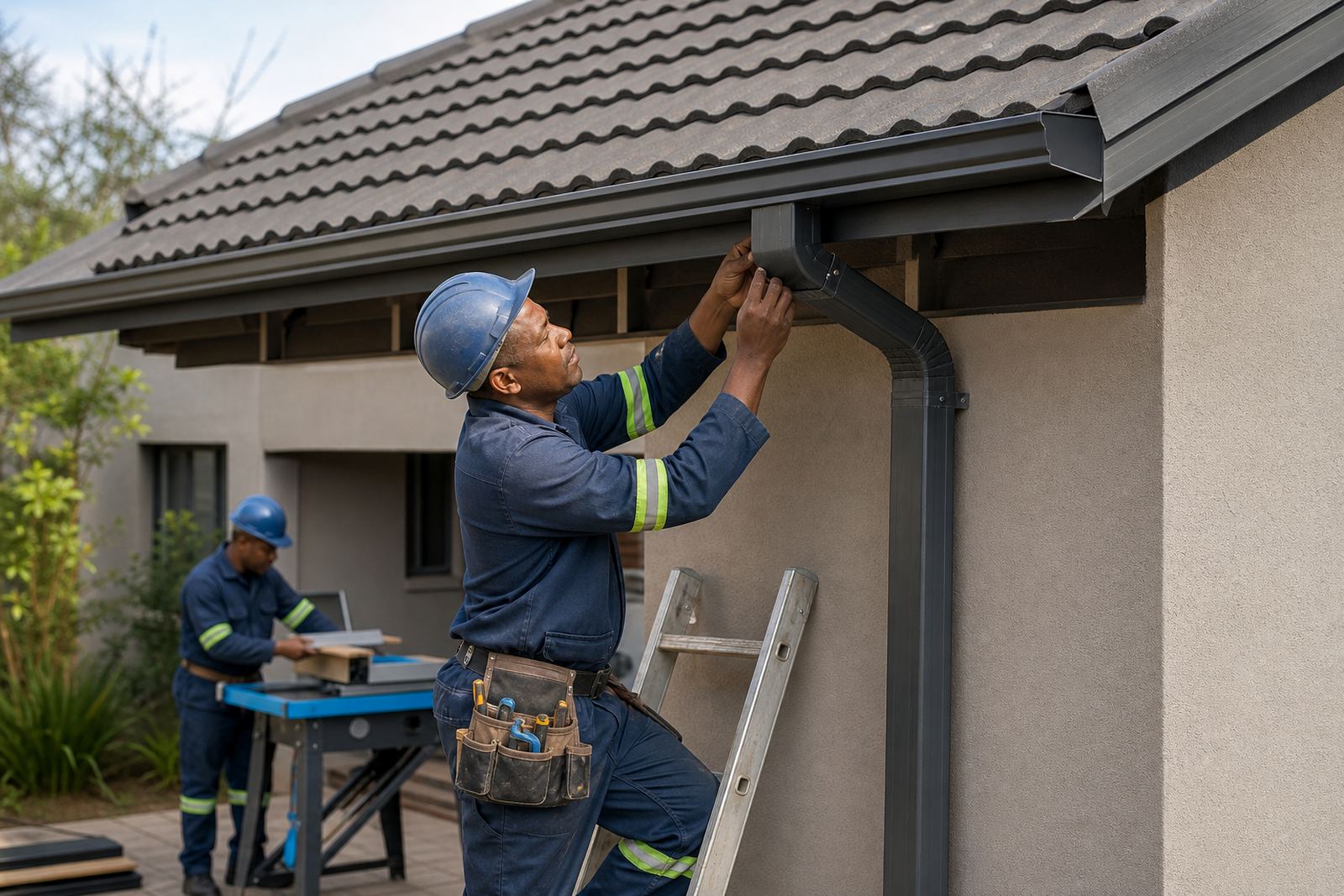
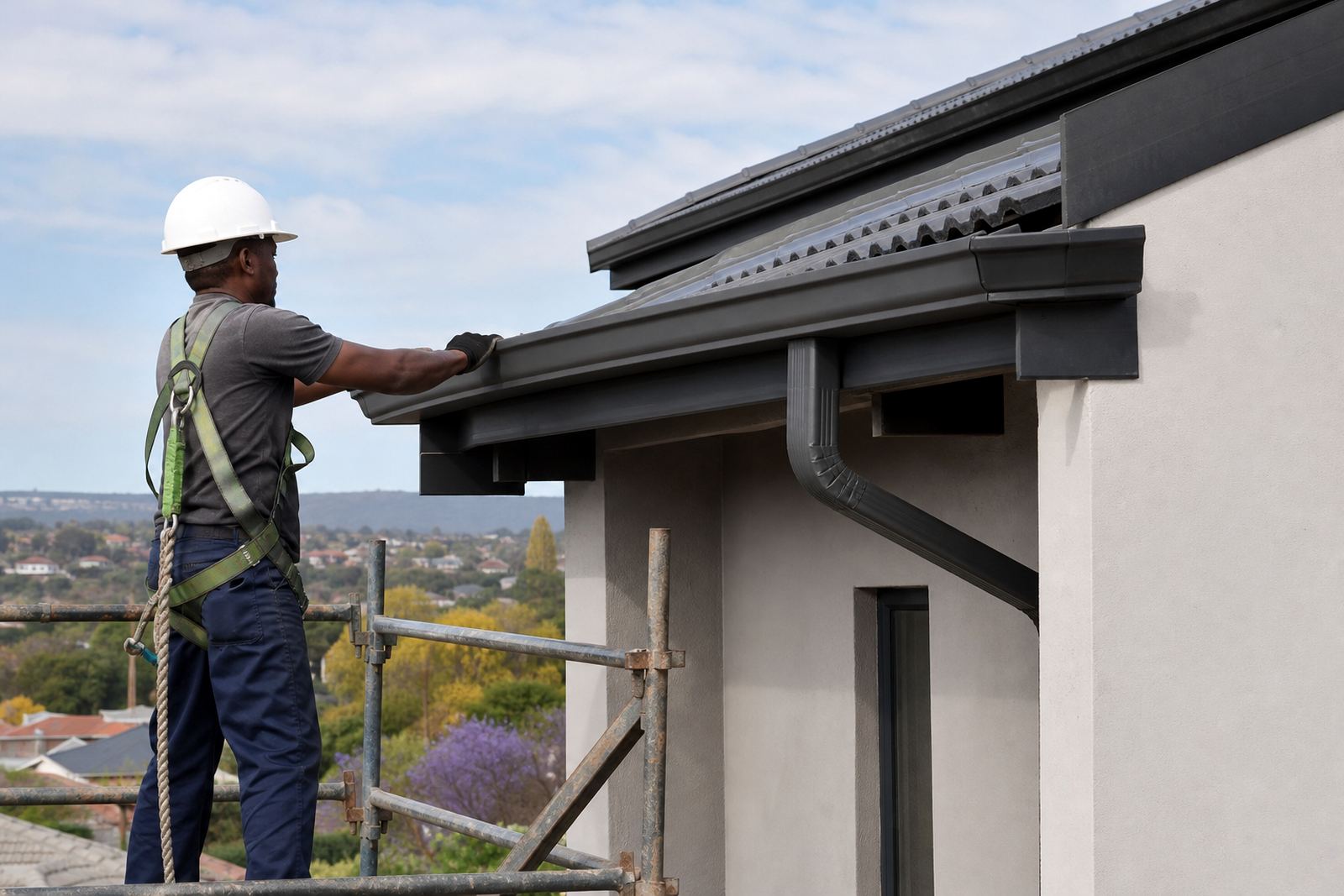
For townhouse units, boundary walls and narrow side passages can affect how fascia boards and gutter lengths are carried. On multi-storey buildings and steep roofs, the team on site should already know where materials will be staged, because carrying long lengths up ladders or scaffolding one section at a time is slower and less safe.
What to prepare before the truck arrives
A few practical checks save time and prevent damage to the materials. The receiving area should be free of loose rubble, sand, offcuts and parked vehicles. If the weather is wet, a covered area or dry floor is useful for keeping boards and fittings clean before installation begins.
- Confirm the exact site address, gate code and contact person for the delivery.
- Keep a measuring tape handy for checking long lengths against the planned roofline.
- Provide space for stacking gutters, fascia boards and downpipes flat, not bent or twisted.
- Have safe manual handling on site, especially where lengths are being moved around corners or up stairs.
In dense suburban areas around Randburg and Johannesburg, street parking and security access can affect offloading. In busier parts of Pretoria, Durban and Cape Town, it helps if someone is ready to guide the vehicle to the best entry point.
Coordinated delivery for builders and homeowners
Builders often need the gutter system delivered in stages so roof work, fascia fixing and final downpipe runs can be sequenced properly. Homeowners may prefer a single drop with all main lengths, brackets, stop ends, unions and outlets together. Both approaches work, as long as the order is matched to the actual site programme.
When an old roofline is being replaced, the removal of damaged gutters and fascia boards should be complete before the new material lands. That makes it easier to check falls, outlet positions and bracket spacing, and it reduces the chance of mixing old fittings with new stock.
- New gutter lengths should match the measured runs, with allowance for joins and outlets.
- Downpipes should be placed near the intended discharge points, stormwater connection or soakaway path.
- Fascia boards should be stored flat and protected from impact before fixing.
Care after delivery and before fitting
Once the materials are offloaded, they should be kept out of direct impact and away from sharp edges. Do not lean long lengths against rough walls for long periods, because that can mark the surface or cause a twist. If the installation is not starting immediately, stack the material on level supports so the lengths stay straight.
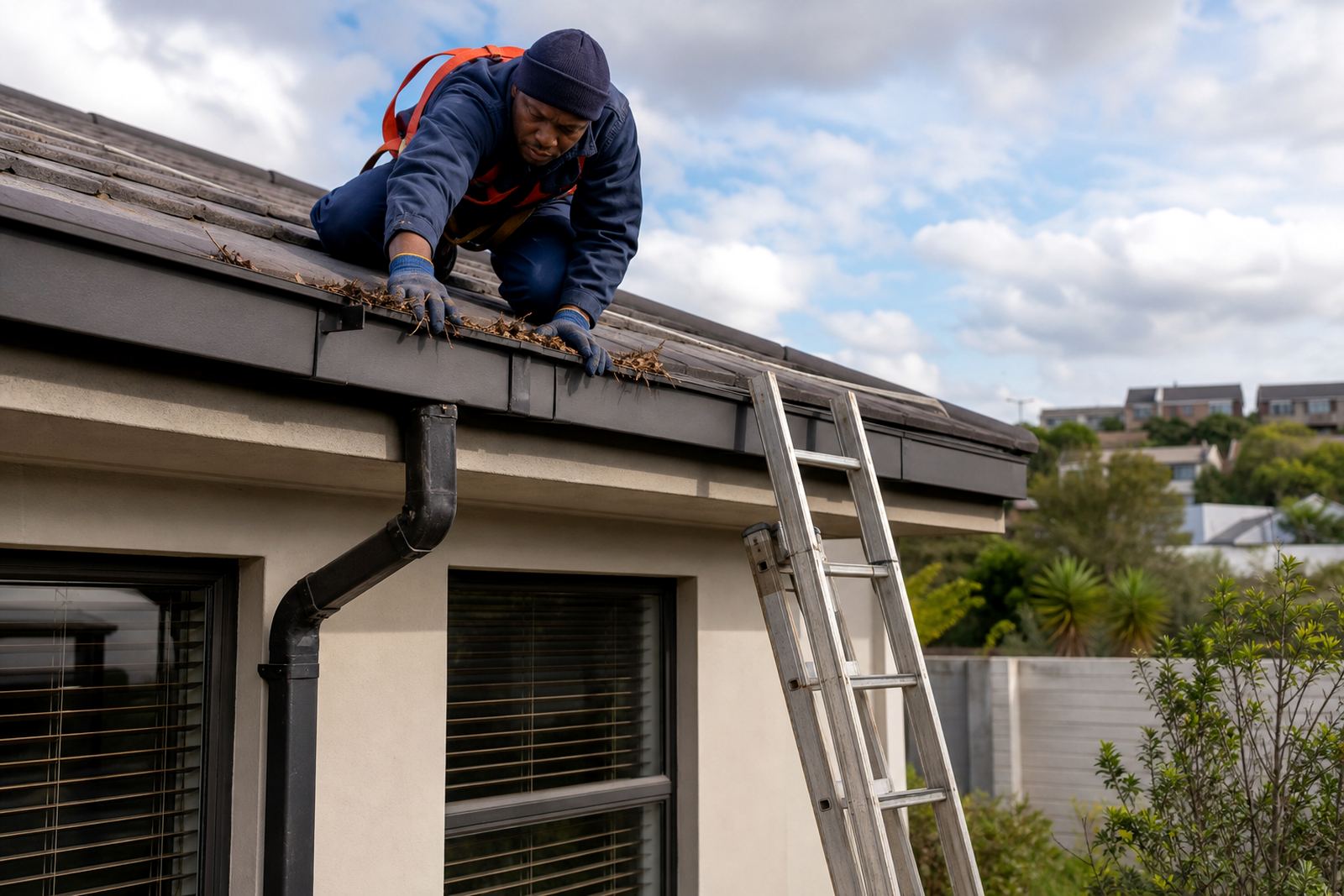
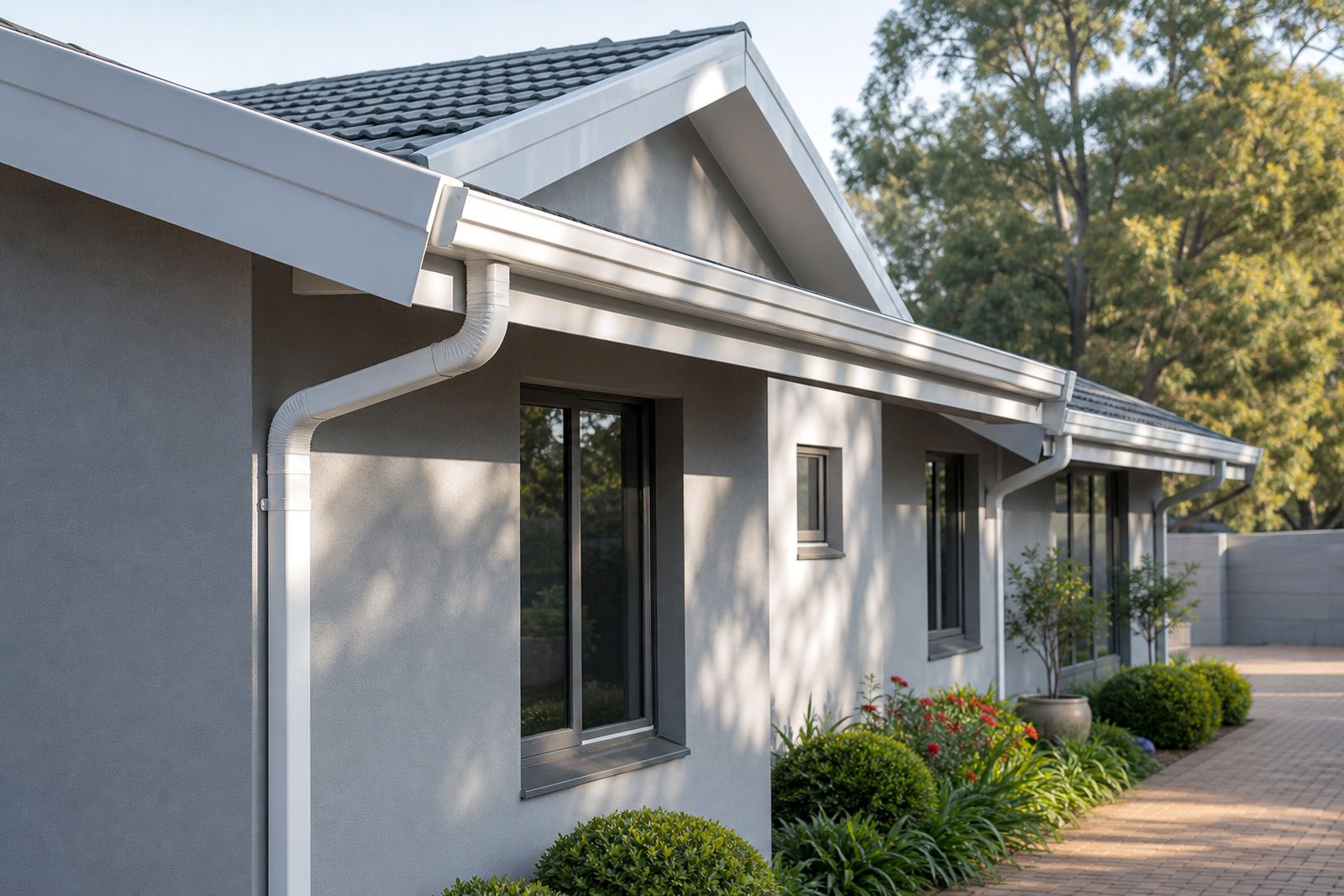
For roofline work, correct fitting matters as much as delivery. Gutters need the right fall to move water towards the outlet, brackets should be spaced evenly for support, and downpipes must be fixed securely so they do not work loose in wind. Roofing work at height must be done safely by competent people with the right access equipment and fall protection.
If a delivery needs to change on the day
Sometimes site access changes after an order has been planned, especially on busy commercial jobs or in residential estates with restricted entry times. If the access road is blocked, the receiving point changes, or the work area is not ready, the load may need to be rescheduled or redirected. Clear communication helps avoid double handling and damaged stock.
It also helps to tell the team about steep driveways, low overhead wires, weak pavement edges, or municipal restrictions that affect stopping points. The more exact the site conditions, the easier it is to place the materials where the installer needs them.