
A Straight Edge That Holds the Rainwater Line
Fascia boards do more than cover the end of the roof structure. They create the line where the gutter sits, help keep the roof edge neat, and provide a sound fixing point for brackets and joins. On homes and small commercial buildings, a properly fitted fascia also reduces the chance of water creeping into the roof edge, especially where wind-driven rain and coastal humidity put pressure on timber and fixings.
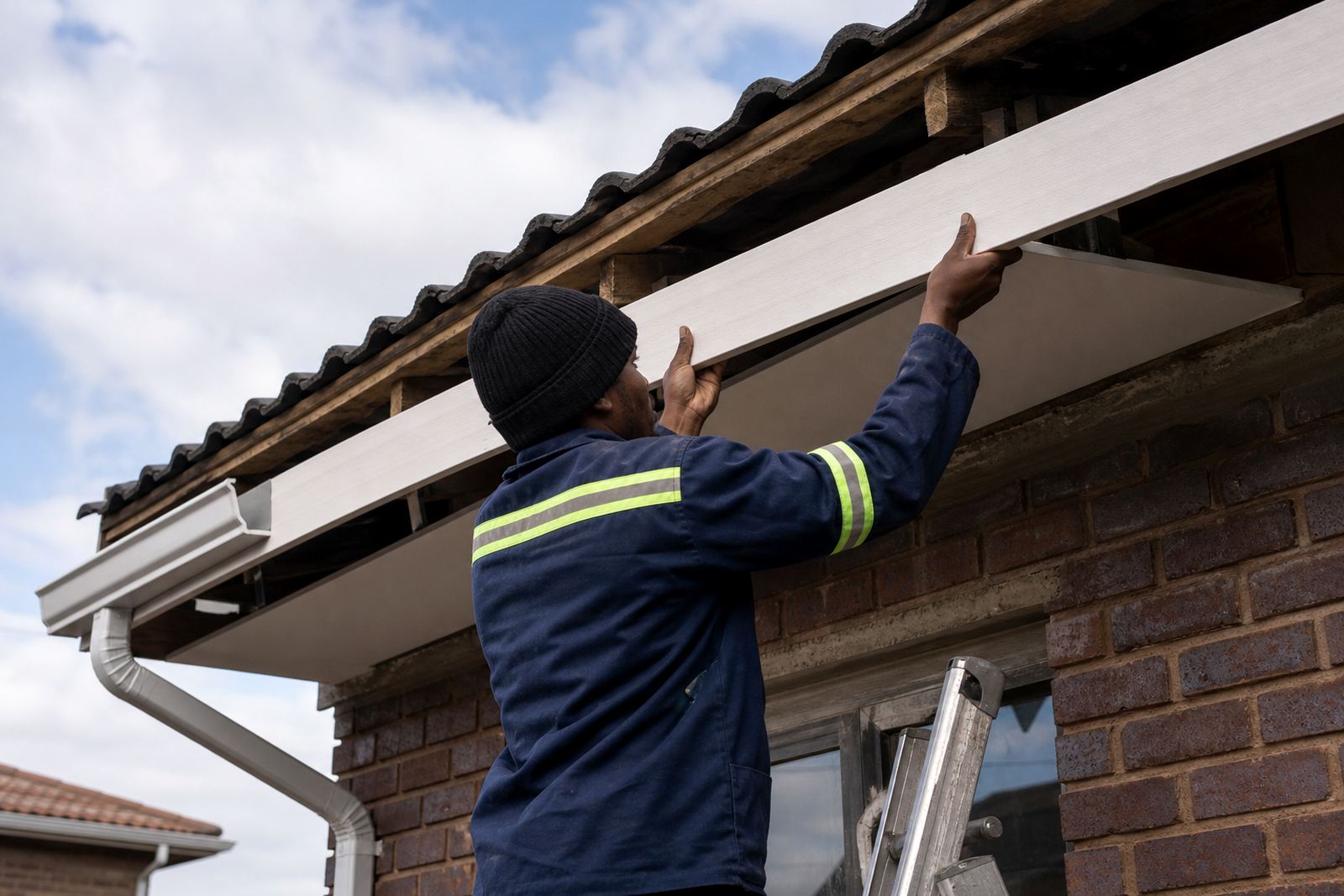
Plasteel fascia installation suits new work and replacement work. We match the board profile to the roof edge, align it to the gutter fall, and make sure the visible face is straight and clean. On older buildings, damaged boards, soft timber and uneven edges are checked before any fixing begins so the new board does not carry a bad line or weak support.
- Neat roof-edge finish for tiled and sheeted roofs
- Stable fixing line for gutters and brackets
- Suitable for residential, retail and light industrial roofs
- Useful where old timber has swollen, split or started to fail
What the Fascia Work Includes on Site
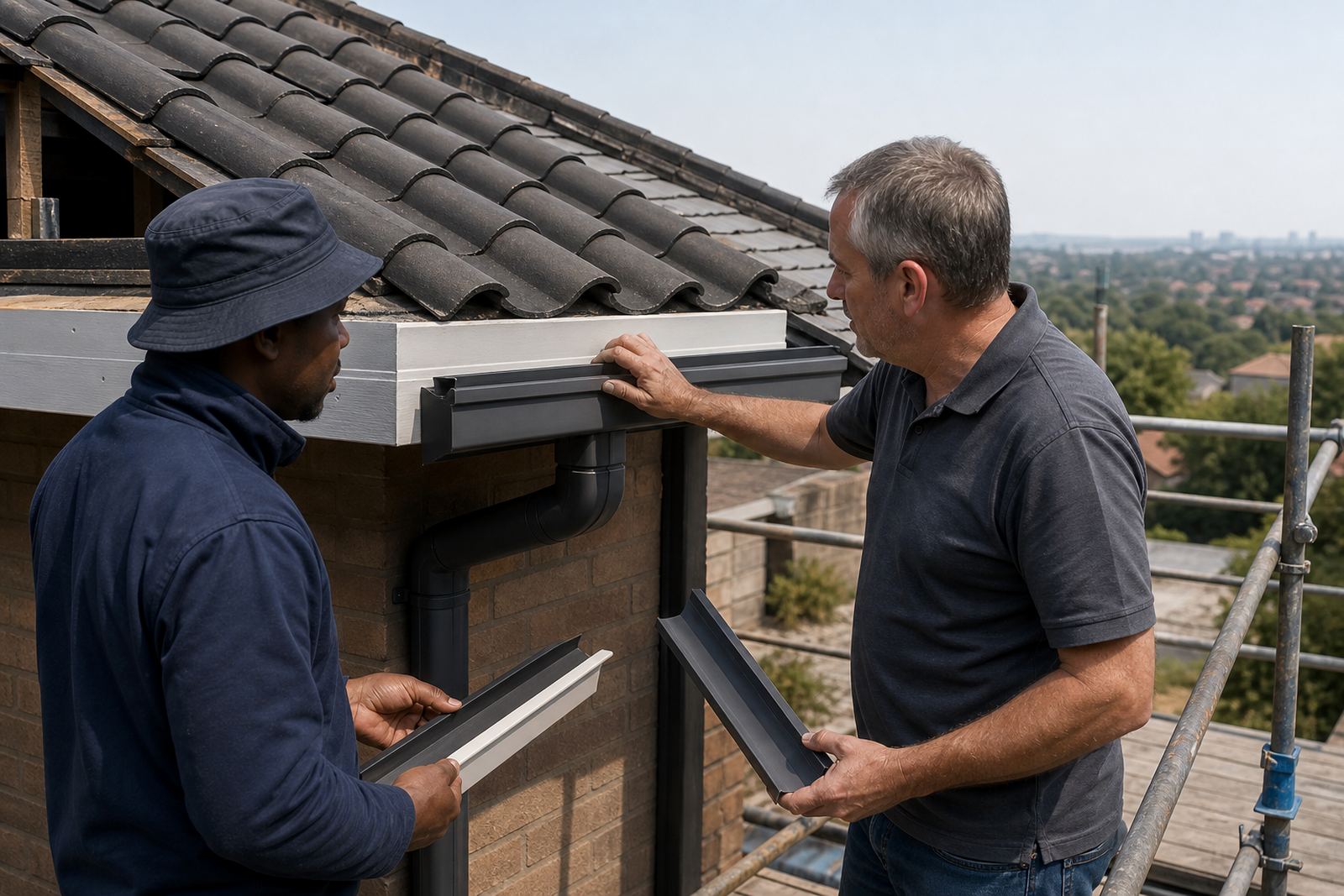
Our fascia installation service covers supply, measuring and fitting, with attention to the details that affect the gutter line. We check the roof edge length, board height, corner returns, joint positions and the finish around verges and eaves. Where needed, we also coordinate the downpipe points so the fascia and gutter layout work together as one system.
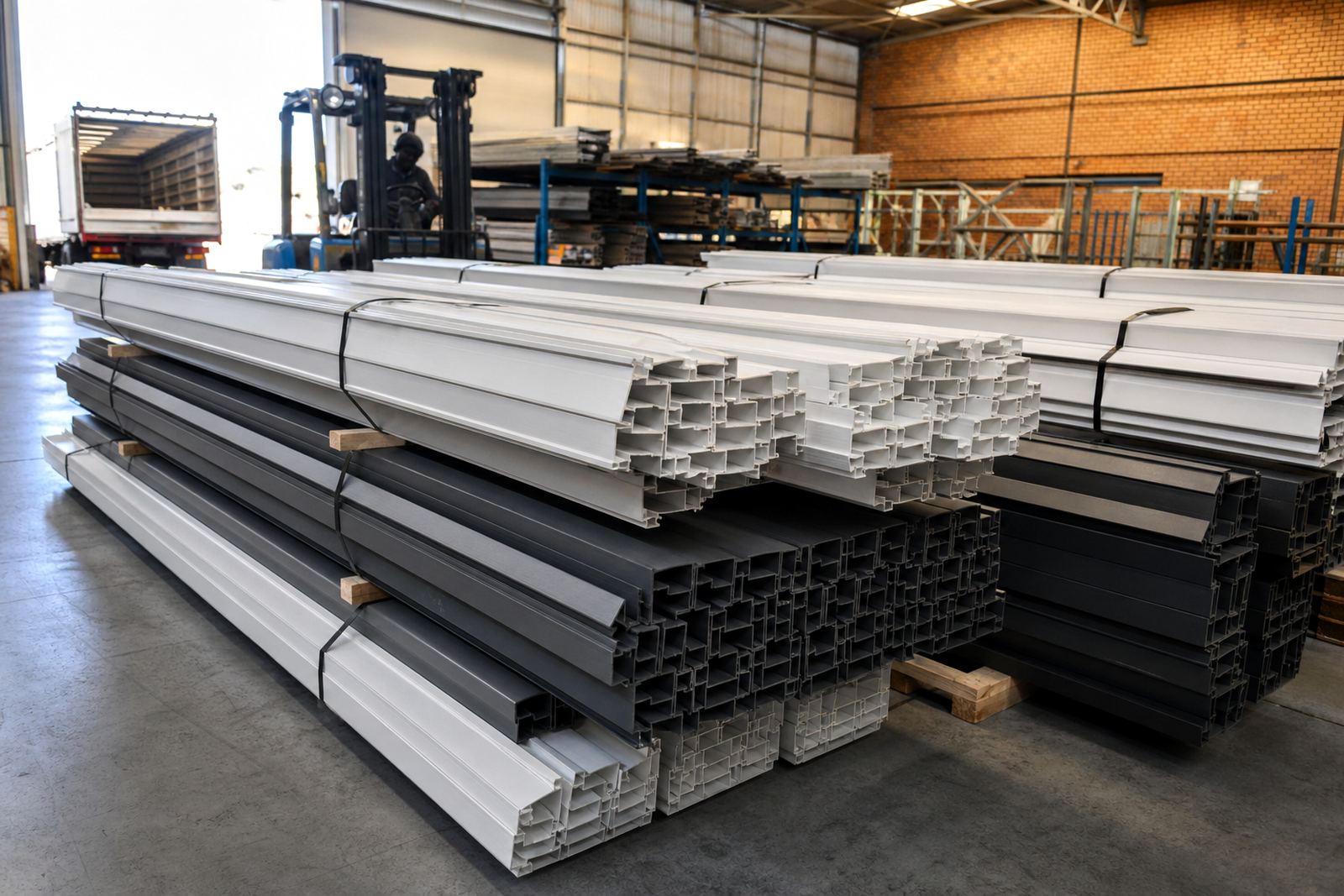
The team works with practical sizing, usually from 150 mm to 300 mm fascia widths, depending on the roof build and the visible edge that needs covering. Lengths are planned to reduce joins, and joints are placed where they can be fixed properly rather than left hanging in awkward spots. Fasteners, brackets and end caps are selected to suit the material and the exposure conditions on site.
- Site measuring and material takeoff
- Removal of old fascia where replacement is needed
- New board cutting, fixing and alignment
- Corner pieces, joints and finishes at roof ends
- Coordination with gutter, downpipe and roofline work
Board Sizes, Fixing Lines and Falls That Work Properly
A fascia board must sit level, but the gutter it supports must still follow the correct fall toward the downpipe. That means the board line and the water line are not the same thing. We set the fascia straight first, then position the gutter brackets so the water drains cleanly without standing pools. On longer runs, even a small error can cause overflow at one end and poor drainage at the other.
For most rooflines, gutter falls are kept subtle but effective, often around 1:500 to 1:600 where the layout allows it. The exact fall depends on the length of the run, the outlet position and the roof shape. Fascia boards are fixed with enough support behind them to prevent bounce, sagging or twisting. Where the original structure is uneven, we correct the line as far as the build allows before the final fixing is locked in.
In coastal towns, fascia materials and fasteners need extra thought because salt air can work on exposed metal and unprotected timber. Inland, heat and UV are often the bigger issue. The right board thickness, careful fixing and clean sealing around cut ends all help the installation hold its shape and appearance over time.
How the Installation Is Carried Out
We follow a straightforward sequence so the roof edge is handled properly and the gutter support line stays true. On occupied homes and working buildings, we also plan access so the team can work safely at height without disturbing the rest of the site more than needed.
- Measure the roof edge, existing supports and outlet positions
- Check the condition of the rafters or edge boards behind the fascia
- Remove damaged material where replacement is required
- Cut and fit the new fascia boards to the set line
- Set fixing points for gutters and corner pieces
- Check joints, end caps and visible alignment before sign-off
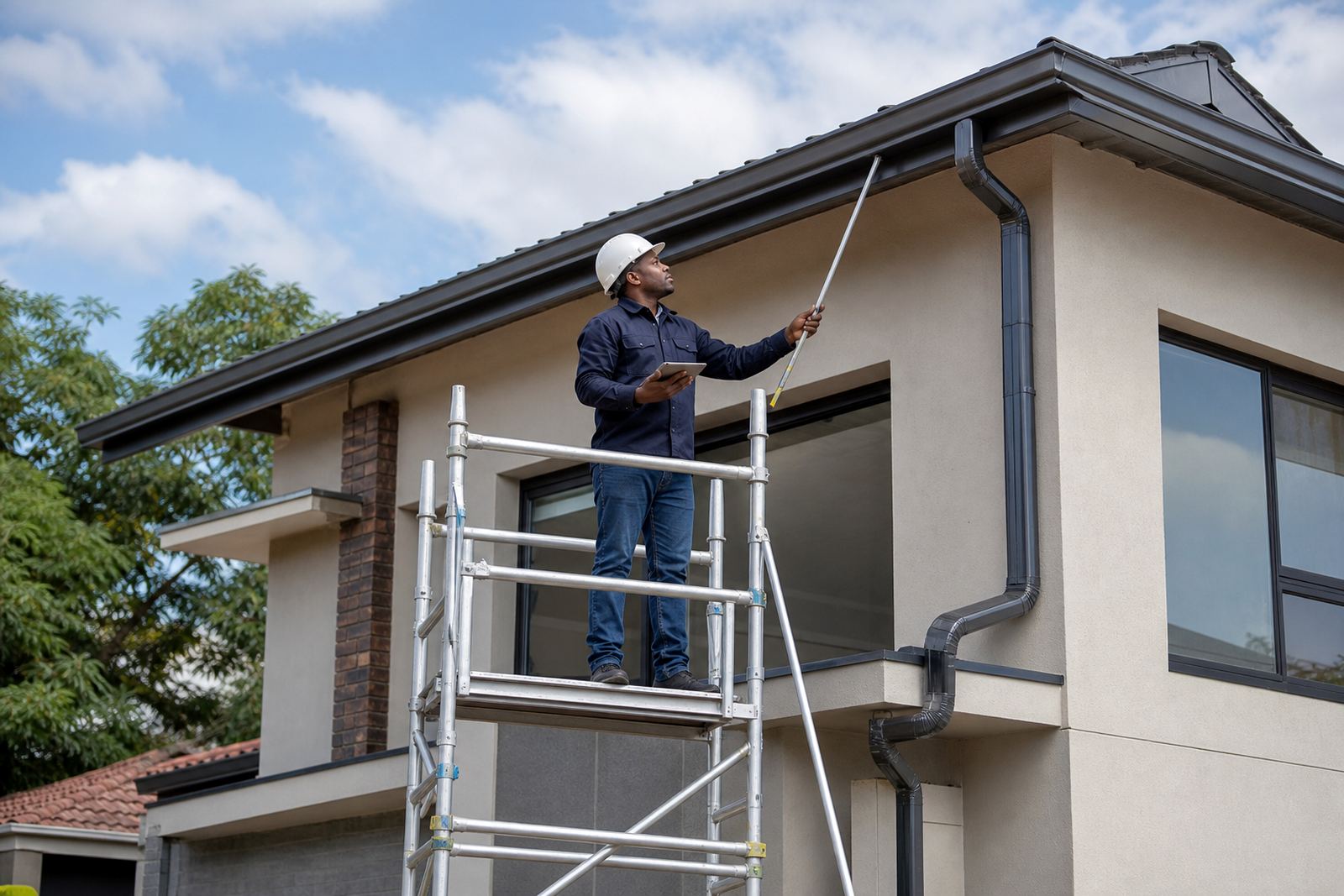
Roofline work at height must be done safely by competent people. We use the right ladders, access equipment and fall protection for the job, and we keep the work area orderly so boards, fixings and offcuts do not create unnecessary risk below.
Pricing Based on the Roof, Not Guesswork
Fascia installation pricing is shaped by the length of the roof edge, the board profile, the number of corners, the level of removal work and how much preparation the existing structure needs. A simple straight run on a new build is different from a replacement on a weathered house with warped timber, damaged ends and tricky access. That is why we price from measured quantities and site conditions rather than a loose average.
Material choice also affects cost. Some jobs need lighter board sections for a small house, while others need larger profiles for wider roof edges or commercial buildings with longer continuous runs. If gutters, downpipes or roofline replacement are part of the same job, we can combine the measurement and supply so the figures are set against the real material list.
The aim is to keep the quote practical and clear. No hidden extras are built into the work description, and any additional repair on site is discussed before the fixing continues.
Aftercare for a Clean Roof Edge
Once the fascia is in place, a little care helps the whole roof edge stay tidy. Keep the gutter clear of leaves, roofing grit and nesting debris so water does not back up against the board. After heavy rain, check that the joints are sound and that water is not running behind the gutter because of a shifted bracket or blocked outlet.
For painted or coated fascia materials, mild cleaning is usually enough. Harsh scrubbing can mark the finish, and standing water at bracket points should be avoided. Where a site has gum trees, dusty conditions or strong coastal winds, a regular visual check is worthwhile because build-up at the gutter edge can shorten the useful life of the installation. If the board line starts to move or the gutter begins to dip, it is better to sort it early before the fixings are strained.
Service Coverage Across Our Delivery Areas
Plasteel supports fascia installation work from Kya Sand, Randburg and across the main Gauteng routes, with delivery coordination available for Johannesburg, Pretoria, Midrand and Roodepoort. We also assist projects in Durban, Cape Town and Polokwane where transport planning and site access must be set before materials arrive.
Builders use us for new developments, roofline upgrades and replacement work. Homeowners use the service when the old fascia has faded, softened or stopped supporting the gutter properly. On both kinds of jobs, the goal is a fascia line that fixes securely, runs straight and suits the rest of the roof: a straight edge, secure fixing points and a finish that sits well with the rest of the roof.