Roofline materials matched to the job
Product supply covers the parts that sit along the edge of the roof and move rainwater away from the structure. We supply composite gutters, round and square downpipes, fascia boards, unions, stop ends, outlets, brackets, screws and sealants that work together as one roofline set. The aim is to match the material to the roof pitch, catchment size and the exposure the building faces, whether that is inland dust, coastal humidity or hard summer rain.
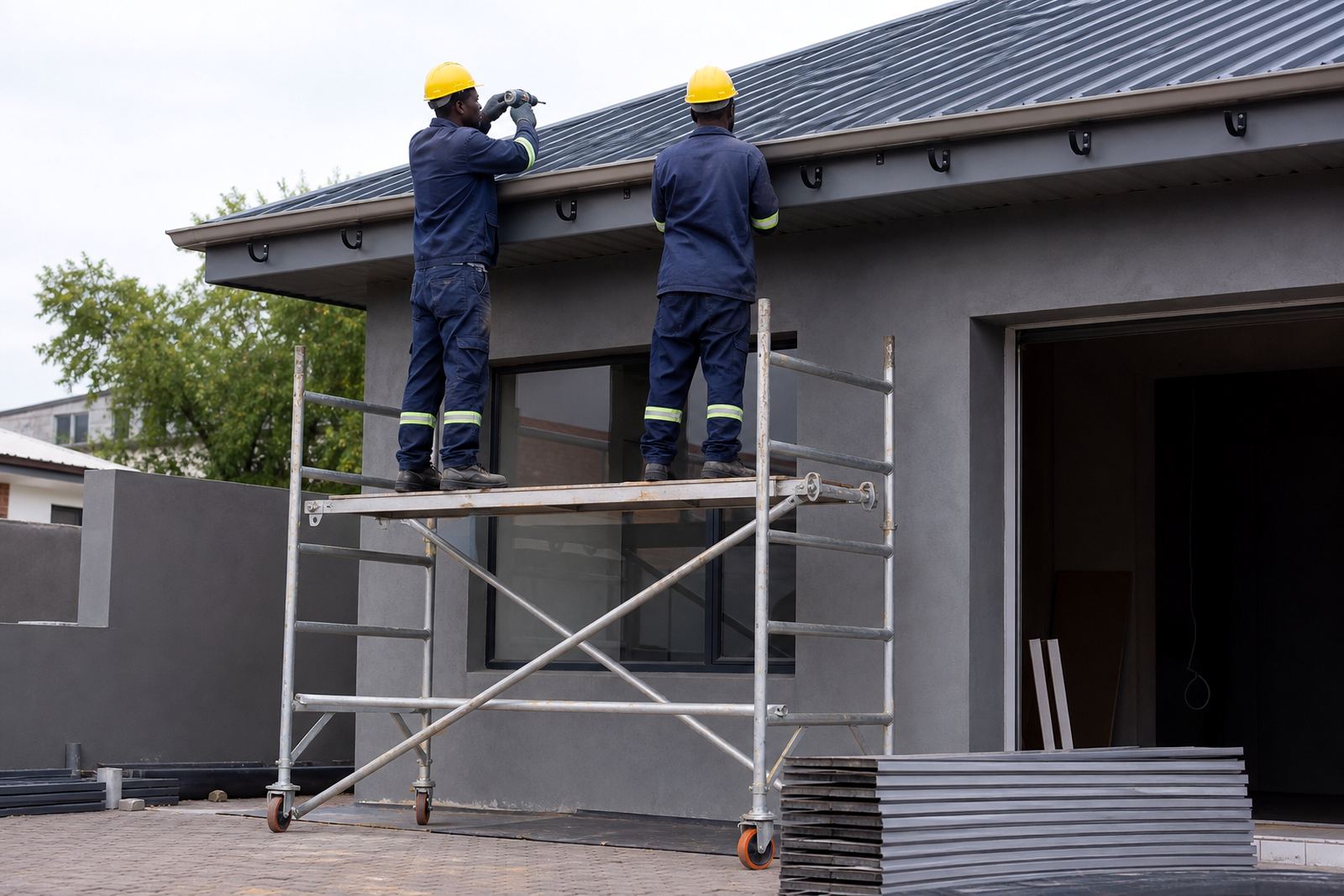
For most homes and light commercial buildings, the supply list starts with a measured gutter run, then the downpipe route, then the fascia board length and fixing points. Where roof edges are uneven or older timber has shifted, the material list is checked closely so the installer is not left short on fittings or forced to improvise on site. That helps keep the finish neat.
- Composite gutters in standard lengths for straight runs and corner work
- Downpipes in matched diameters for rainwater discharge
- Fascia boards for clean edge support and a neater roofline finish
- Fixings, joiners, outlets, end caps and brackets selected for the profile
Sizing, falls and fittings that keep water moving
Correct sizing matters on every roofline. A gutter that is too small for the roof area can overflow in a hard downpour, while a downpipe that is too narrow can slow runoff and leave marks against the wall. We help specify gutter width, downpipe size and outlet positions so the roof can cope with the rainfall pattern on site. On wide spans or in areas that get heavy rain, the spacing and drainage points are checked with extra care.
Falls are part of the supply conversation too. Gutters need a steady fall towards the outlet so water does not sit in low spots and carry debris with it. Brackets should be spaced to suit the profile and the expected load, especially where there are long runs, wind exposure or extra water discharge from valleys. When the profile, fall and bracket spacing work together, the system is easier to keep clean and performs better over time.
- Gutter profile selected for roof size and rainfall load
- Downpipe diameter matched to outlet demand
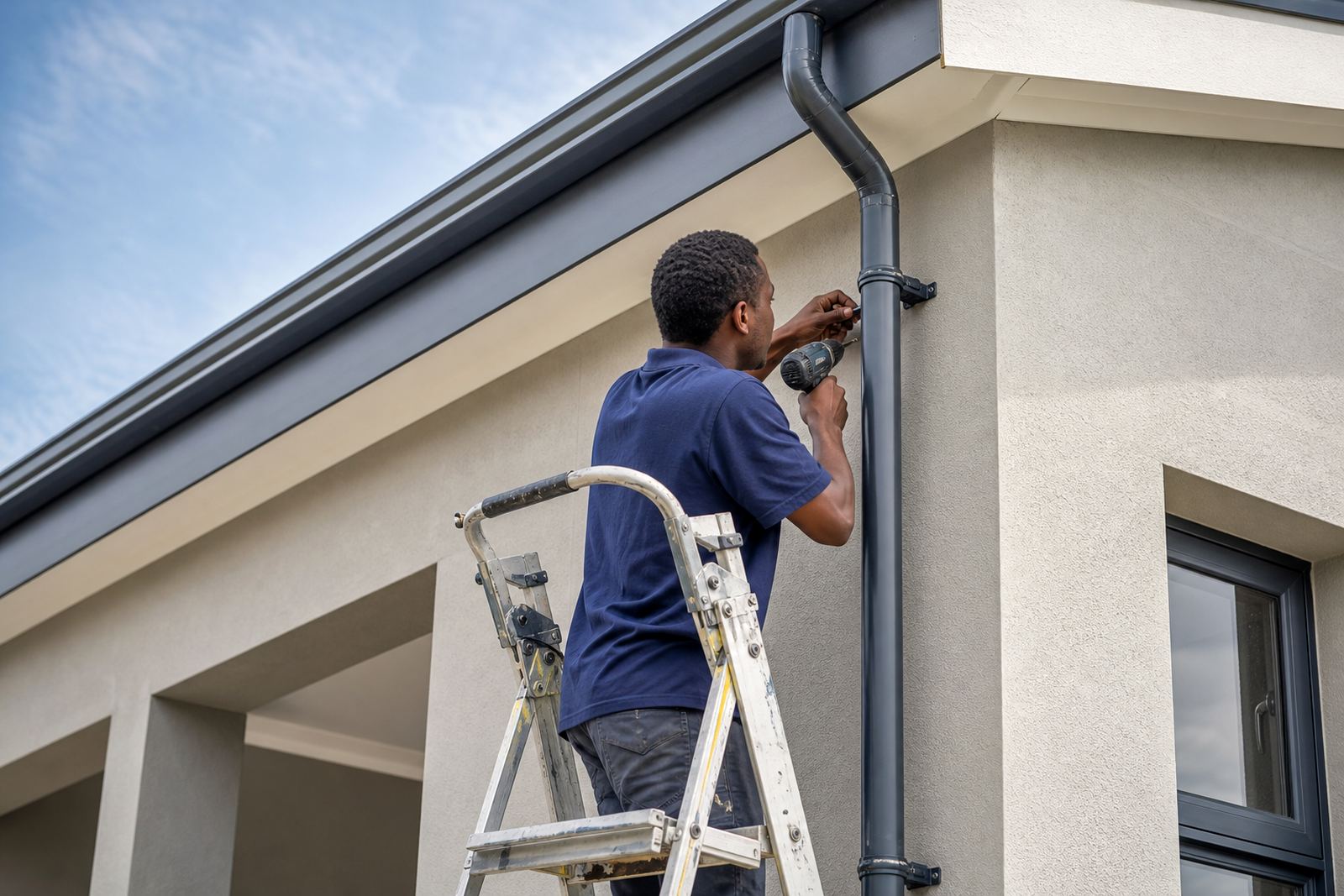
- Bracket spacing set for the run length and fixing surface
- Outlets and joins placed to support a proper fall
How the supply process runs on site and off site
Our supply process begins with the measurements and material takeoff. Once the roofline dimensions are confirmed, the required lengths, fittings and accessory items are listed and checked against the building type. For builders, that means one clear supply list that can be ordered against a project schedule. For homeowners, it means enough material to complete the roofline properly without repeated trips for missing parts.
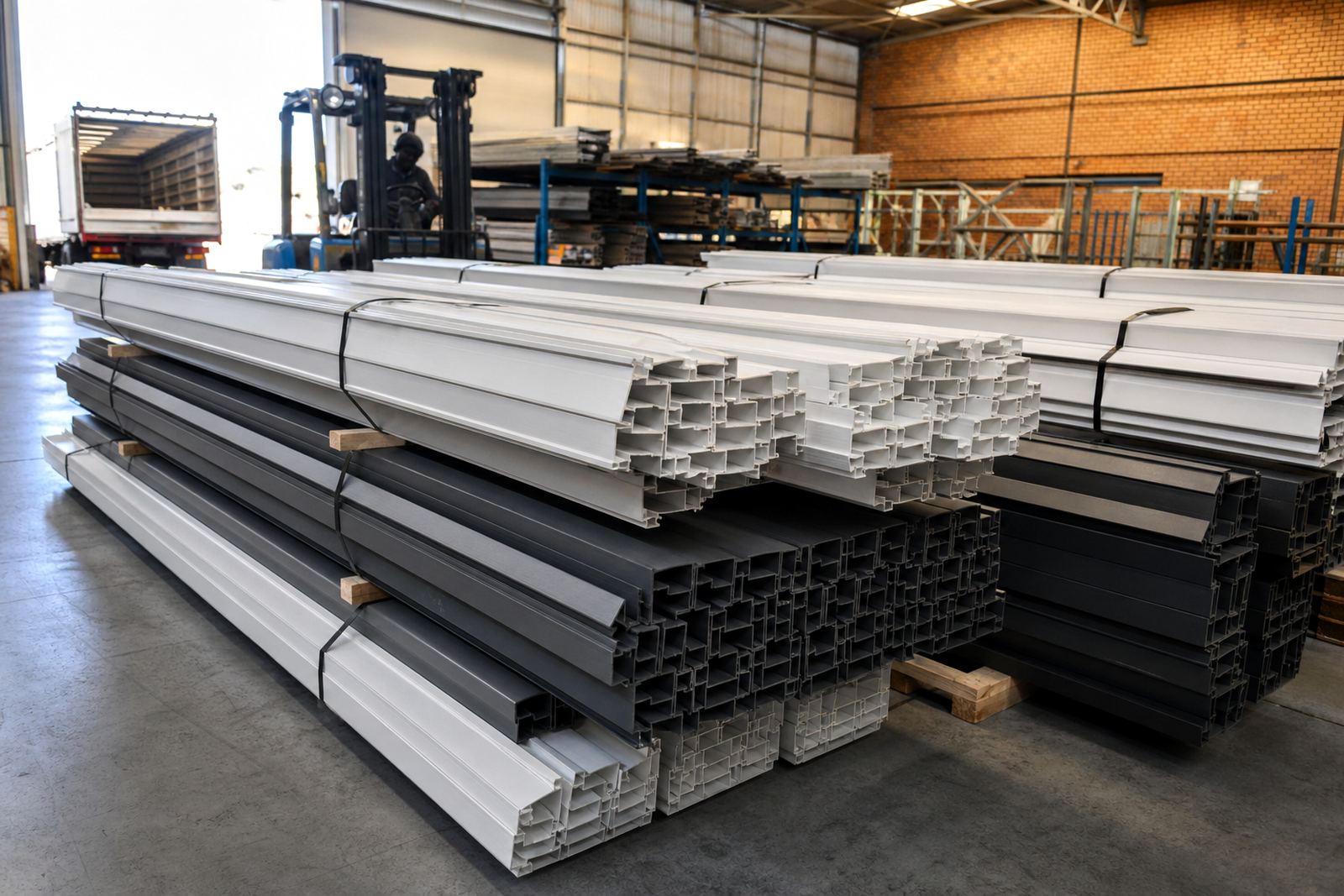
After the list is confirmed, stock is prepared for collection or delivery. We coordinate deliveries to Kya Sand, Randburg and surrounding areas, and also supply larger project runs into other parts of South Africa through planned dispatch. Packaging is handled so long lengths are protected and fittings are kept together, which helps avoid confusion at the site gate. If the installation team needs product support while loading or checking parts, that is handled before the vehicle leaves.
- Site measuring and material takeoff
- Confirmation of lengths, profiles and accessories
- Preparation for collection or delivery
- Supply coordination for single homes and larger projects
What is included with product supply
Product supply is more than handing over lengths of gutter and a few brackets. It includes the matching parts that make the system function as intended. That can include fascia boards, joint pieces, brackets, downpipe clips, outlets, stop ends, elbows and fixings, depending on the roofline layout. If the job includes replacing old sections, the supply list is adapted to tie into the existing structure where possible.
We also work with builders on material compatibility. A gutter profile must sit properly against the fascia, the bracket must suit the board and the downpipe must tie into the water path without awkward offsets. The goal is a supply set that is practical to install, clean in appearance and suited to the building use. For homeowners, the same approach applies, though the list is often trimmed to suit a smaller roof or a phased repair.
- Composite gutters and fascia boards
- Downpipes with bends, clips and outlet pieces
- Bracket sets and fasteners for the selected profile
- Sealants and joining items for a proper roofline finish
Pricing that follows the actual material list
Pricing is based on the real scope of the work, not a flat figure that ignores the details. The main factors are total length, gutter profile, downpipe size, number of corners, outlet count, fascia board quantity and the fittings needed to complete the run. Delivery distance and project size can also affect the final supply total. That makes the pricing approach clear for both builders and homeowners, especially when a quote needs to track a measured roofline rather than a rough estimate.
For larger sites, the material takeoff helps reduce waste by separating what is needed for each elevation or block. That matters where multiple roofs are involved, or where the site has a mix of new and existing sections. When the list is accurate from the start, the supply order is easier to stage and easier to check on arrival.
- Measured lengths and profile type
- Number of corners, joins and outlets
- Downpipe diameter and fixing hardware
- Delivery route and project scale
Aftercare once the material is on site
After delivery, the main support is practical follow-up on the supplied material. That includes checking that the correct components were delivered, confirming the profile lengths and helping identify any fittings that were left out before installation starts. If a replacement section is needed later, we can work from the original material list so the next order matches the roofline already in place.
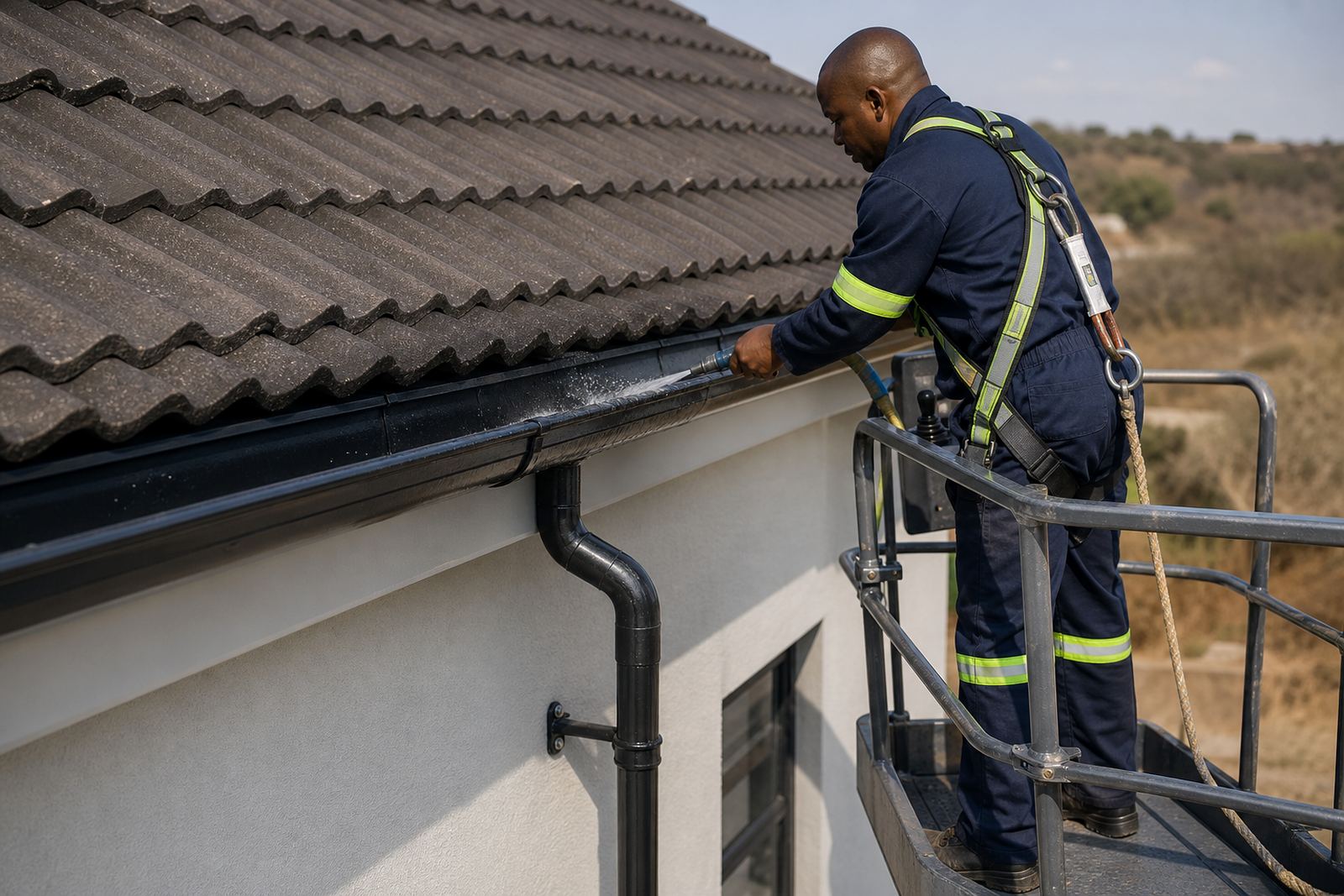
Roofline systems benefit from regular visual checks. Leaves, silt and nesting debris can collect in gutters, and a blocked outlet can put extra strain on brackets and joins. A gentle clean-out, a check of the falls and a look at the downpipe discharge points usually keeps things in good order. In coastal areas, salt and windborne debris can make these checks more important, while in inland suburbs dust and leaves are usually the main issue.
- Check delivered parts against the supply list
- Keep outlets clear of leaves and silt
- Inspect brackets, joins and outlet points after heavy rain
- Use the original material list for future matching sections
Key facts
| Product range | Composite gutters, downpipes, fascia boards and compatible accessories |
|---|---|
| Common gutter lengths | 3 m and 4 m sections, subject to profile and stock |
| Downpipe sizes | Typically 75 mm and 100 mm, depending on the roofline |
| Fascia board lengths | Standard straight lengths for measured roof edges |
| Key fittings | Brackets, joins, outlets, stop ends, bends and clips |
| Supply areas | Kya Sand, Randburg, Johannesburg, Pretoria, Durban, Cape Town and Polokwane |